Best Seller
Matches on this page are highlighted. No match? You will be taken to the full product catalog.


In modern B2B procurement, choosing the right wireless GPS bicycle computer requires deeper technical due diligence than basic cycling odometers. Commercial importers, cycling retail brands, and e-commerce leaders evaluate GNSS ephemeris retention, RF antenna isolation, protocol interoperability, and environmental resilience to minimize return rates and build customer loyalty.
Simultaneous reception from GPS, GLONASS, Galileo, and BeiDou ensures sub-second warm-start times and stable coordinate logging under deep forest canopy or urban concrete canyons.
ANT+ sensor broadcast integration links power meters, heart-rate straps, and speed/cadence sensors concurrently with Bluetooth 5.0 companion app data synchronization.
Optically bonded transflective screen architecture guarantees high-contrast sunlight legibility, zero condensation fogging, and micro-power battery consumption exceeding 35 operating hours.
Hermetically sealed ABS/PC injection casings with internal precision silicone gasket barriers prevent moisture, road salt, and dirt intrusion during torrential downpours and vibration impacts.
Curated for competitive volume importers and private-label distributors. Engineered by Yiwu PAVI Technology Co., Ltd. for turnkey custom branding, firmware configuration, and high market sell-through.


Commercial procurement intelligence for category directors and cycling supply chain leaders.
The exponential growth of electric commuting and e-MTB has shifted demand from standalone cycling trip meters to integrated display units that tap into motor controllers via ANT+ LEV and CAN-Bus protocols.
Riders demand endless battery life for multi-day bikepacking. Next-generation procurement specifications include photovoltaic film integration on the bezel perimeter.
Modern riders treat the handlebar computer as a centralized safety cockpit. Head units must process incoming telemetry from rear millimeter-wave radar tail lights.
Buyers no longer accept proprietary closed ecosystems. Successful OEM products must seamlessly auto-upload structured .FIT files to worldwide cloud platforms.
A technical overview of the engineering evolution in cycling computers and where modern hardware delivers commercial advantages.
Relied on mechanical wheel spoke magnets and handlebar wire harnesses. High failure rate from snagged cables, misaligned magnets, and rim vibration drift.
Eliminated cables using unencrypted radio frequency. Prone to crosstalk in bunch rides, LED light RF interference, and high transmission packet dropouts.
Integrated GPS receiver eliminated spoke magnets, but suffered from 2-minute cold-start delays and satellite loss in shaded or mountainous environments.
Modern PAVI architecture combines multi-band GNSS tracking, integrated barometric pressure sensors, BLE/ANT+ co-processing, and cloud sync in under 60 grams.
Essential answers to technical and operational questions asked by procurement teams, consumer tech buyers, and cycling distributors.
Contact our engineering desk at [email protected] for firmware SDK documentation, PCB dimensions, and tooling timelines.
Get a QuoteTraditional bicycle odometers used standalone US GPS networks, which frequently lost sync under dense tree cover, mountainous canyons, or between urban high-rises. Modern wireless GPS computers from Yiwu PAVI Technology Co., Ltd. integrate multi-constellation GNSS receivers (GPS + GLONASS + Galileo + BeiDou + QZSS). This expands satellite tracking from 6-8 satellites up to 24+ simultaneously, slashing Time-To-First-Fix (TTFF) from 90 seconds to under 15 seconds while delivering sub-meter positioning accuracy and eliminating erroneous speed spikes.
ANT+ uses a broadcast topology operating at 2.4GHz with ultra-low power consumption. A single peripheral sensor—such as a pedal-based power meter or heart rate chest strap—can broadcast its data packets to multiple head units and sports watches at the same time without pairing bottlenecks. In contrast, Bluetooth 5.0 (BLE) employs point-to-point handshake architecture with higher bandwidth, making it ideal for pairing with smartphones to sync routes, push smartphone call alerts, and upload trip logs to Strava, TrainingPeaks, and Komoot.
Water intrusion in cheap bike computers typically occurs along screen bonding lines, button switch boots, and USB charging ports. PAVI applies ultrasonic perimeter welding to permanently seal the upper and lower casing joints, installs customized silicone button seals, and incorporates internally sealed Type-C waterproof sockets. Furthermore, every batch undergoes automated hydrostatic pressure chamber testing at 1-meter water depth for 30 minutes, ensuring zero vapor fogging and complete water resistance.
We provide end-to-end OEM and ODM services. Customization options include custom casing color matching (Pantone-matched injection), laser-engraved or silk-screened brand logos, custom-molded silicone protective cases, bespoke packaging design, customized boot-up splash screens, localized firmware translations, and tailored companion mobile apps with custom BLE broadcast names.
GPS computes speed by tracking Doppler shifts and changes in coordinate distance over time, which works out of the box with zero wheel sensor setup. However, in tunnels or switchback terrain, GPS can experience signal latency. Connecting a magnetless geomagnetic hub sensor via ANT+ or BLE delivers immediate, microsecond wheel-rotation feedback, ensuring accurate real-time speed even when satellite reception is temporarily blocked.
All wireless GPS cycling units exported by Yiwu PAVI Technology Co., Ltd. are certified with CE (RED Directive), FCC ID, and RoHS compliance. The internal rechargeable lithium-polymer battery cells are certified under UN38.3, MSDS, and 1.2m drop packaging standards to ensure smooth international air and sea freight customs clearance.
Combining rigorous precision manufacturing with reliable multi-category export logistics across four continents.



Founded in 2015 in Zhejiang, China, Yiwu PAVI Technology Co., Ltd. has grown into an international supplier of advanced cycling electronics, accessories, and bike parts. By bridging precision electronics R&D with modern light-industry manufacturing, we remove supply chain friction for global distributors, supermarket chains, and private-label innovators.
Unlike simple traders, our on-site team oversees the entire manufacturing cycle—from raw material inspection and SMT PCB assembly to tensile load testing, ultrasonic sealing, and packaging QC. This guarantees complete unit consistency across bulk production runs.
Real-time visual records of our component assembly, tensile evaluation, machining, and final QC verification stations.
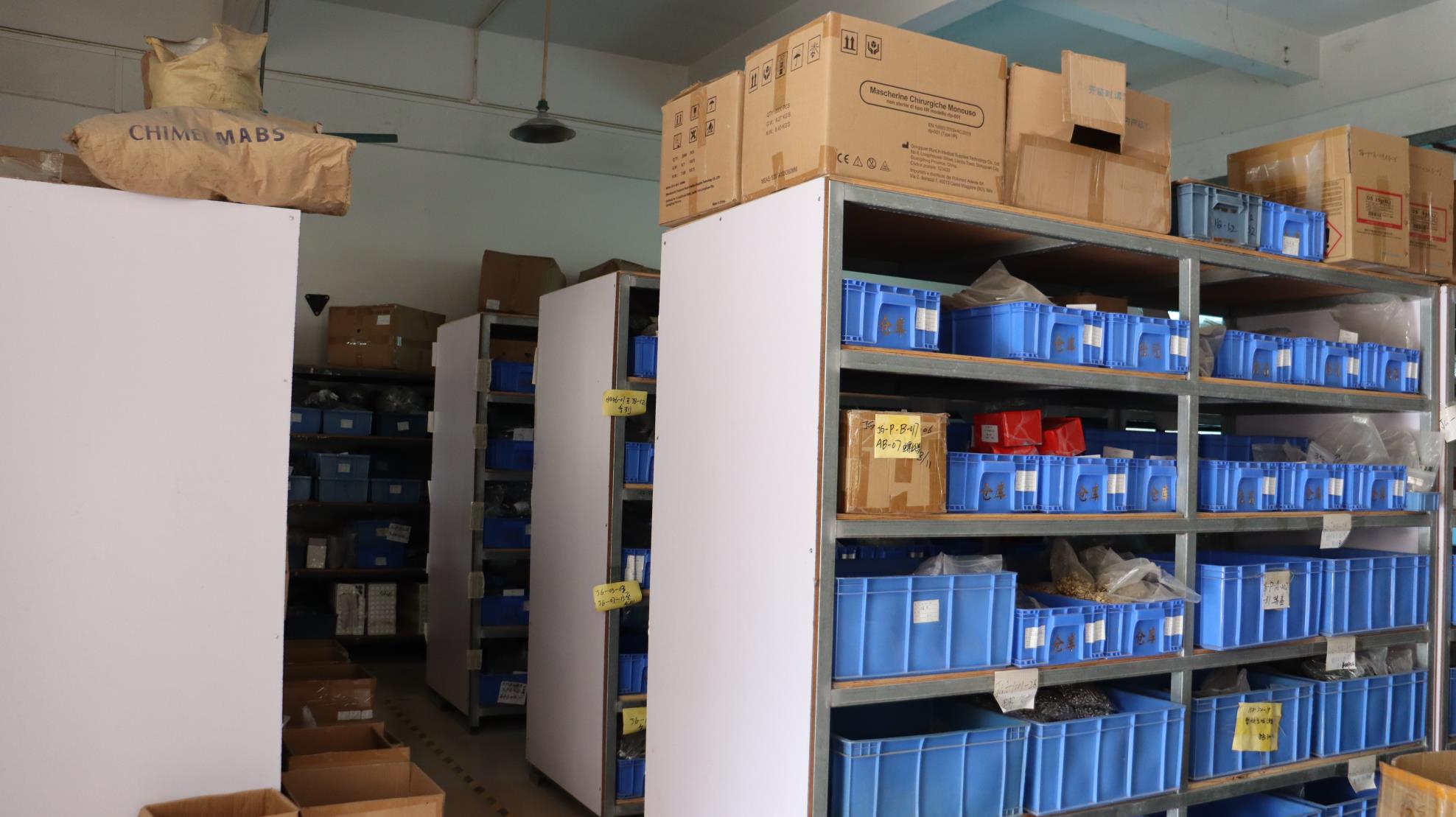
GNSS chipsets, LCD panels, silicone seals, and ABS resins undergo incoming verification against design specifications.
Surface mount PCB telemetry assemblies are sealed via automated ultrasonic welds to deliver certified IPX7 water protection.
Using our in-house tensile test equipment and climate chambers, handlebar brackets and casing joints are tested to resist road shock and vibration fatigue.
Computer mounting tabs, aero-bracket clips, and button interfaces undergo strict height-gauge inspection for secure fit on 31.8mm and 35mm bars.
Inquire today for custom firmware builds, MOQ pricing tiers, sample evaluations, and international freight scheduling.