High Volume 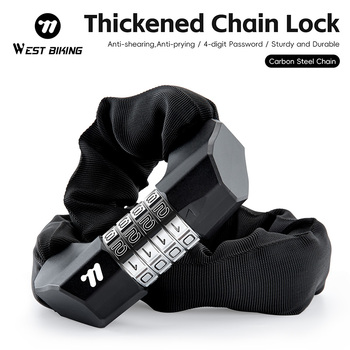
Matches on this page are highlighted. No match? You will be taken to the full product catalog.

Global procurement teams face shifting challenges: urbanization, electric cargo bike adoption, and cordless angle-grinder tool attacks. Sourcing secure inventory requires rigorous metallurgical specifications and lock-mechanism testing.
A bicycle chain lock’s security profile depends on link geometry, metallurgy, and core heat treatment. Standard low-carbon or unhardened mild steel collapses under manual hydraulic bolt cutters under 8 tons of pressure. High-security bike chain locks manufactured by Yiwu PAVI Technology Co., Ltd. incorporate customized 20Mn2 and 3T manganese-alloy steel links, hardened through carburizing furnaces to 58–63 HRC.
Carburization creates a gradient profile: a tough outer surface resisting hacksaw teeth and high-leverage shearing jaws, paired with a ductile core preventing brittle fracturing under freeze-spray and sledgehammer blunt-impact attacks. Square, hexagonal, and trapezoidal cross-sections distribute cutter pressure sideways, denying the cutting edge a purchase point.
The locking deadbolt is another critical attack vector. Single-locking latches fail under leverage wedging. PAVI locks incorporate hardened steel dual-ball or dual-deadbolt locking cylinders, requiring thieves to execute two distinct cuts on the chain shackle before releasing the bicycle.
Anti-bump, anti-pick rotating disc mechanism denying standard lock-picking tools.
High-density 1000D ballistic nylon sleeve shields bike frame paint from link abrasions.
Induction heat-treatment matrix preventing chisel splitting and liquid nitrogen cracking.
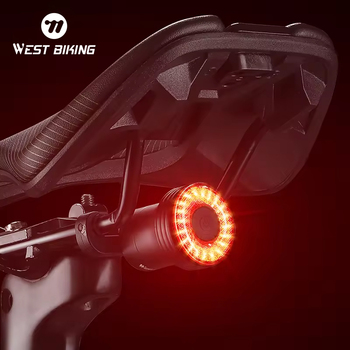
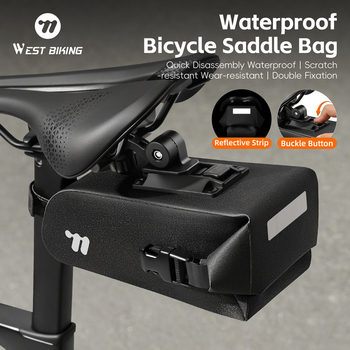
Combine chain locks with pumps, tail lights, and bags under single export documentation.
Curated wholesale models selected for international distributors, hypermarkets, Amazon brand aggregators, and commercial fleets.
MOQ 3 pcs315+ Sold This Quarter
Where is the anti-theft security segment heading over the next 3 to 5 years? Global buyers must anticipate technological shifts to protect margin structures and retail inventory turnover.
Cordless angle grinders equipped with carbide-tipped cut-off wheels have become the primary threat in major European and North American metropolitan areas. Future procurement focuses on composite chain link jackets engineered with synthetic diamond powder, graphene-reinforced polymers, and ceramic ceramic-matrix composites (CMC).
These sacrificial layers rapidly dull spinning abrasive discs, generating intense friction that triggers thermal shutdown in portable battery tools within 30 to 45 seconds of attack.
The exponential growth of commercial cargo e-bikes and urban rental micro-mobility fleets requires intelligent locking hardware. Procurement demand is transitioning from traditional mechanical keyways toward Bluetooth Low Energy (BLE 5.2), NFC contact sensors, and autonomous GPS tracking modules integrated into the chain lock body.
These systems sync directly with fleet dispatch APIs, sending tamper alerts and battery status notifications to operations management centers in real time.
Corporate ESG reporting and tightening EU Ecodesign directives are prompting B2B importers to specify certified recycled metallurgy and post-consumer textile coverings. In response, lock bodies now utilize recycled high-tensile alloy scraps that match virgin alloy shear metrics without inflating carbon footprints.
Textile sleeves transition toward OEKO-TEX certified recycled PET yarn with dope-dyed UV protection, providing weather resistance with minimal environmental impact.
Ensure critical technical criteria are addressed before finalizing your supply contract or issuing an RFQ to Asian manufacturing partners.
Founded in 2015 in Zhejiang, China, Yiwu PAVI Technology Co., Ltd. bridges precision manufacturing, multi-stage testing, and supply chain consolidation. Review actual machinery and stations deployed in our lock assembly, stamping, and metallurgical testing facility.
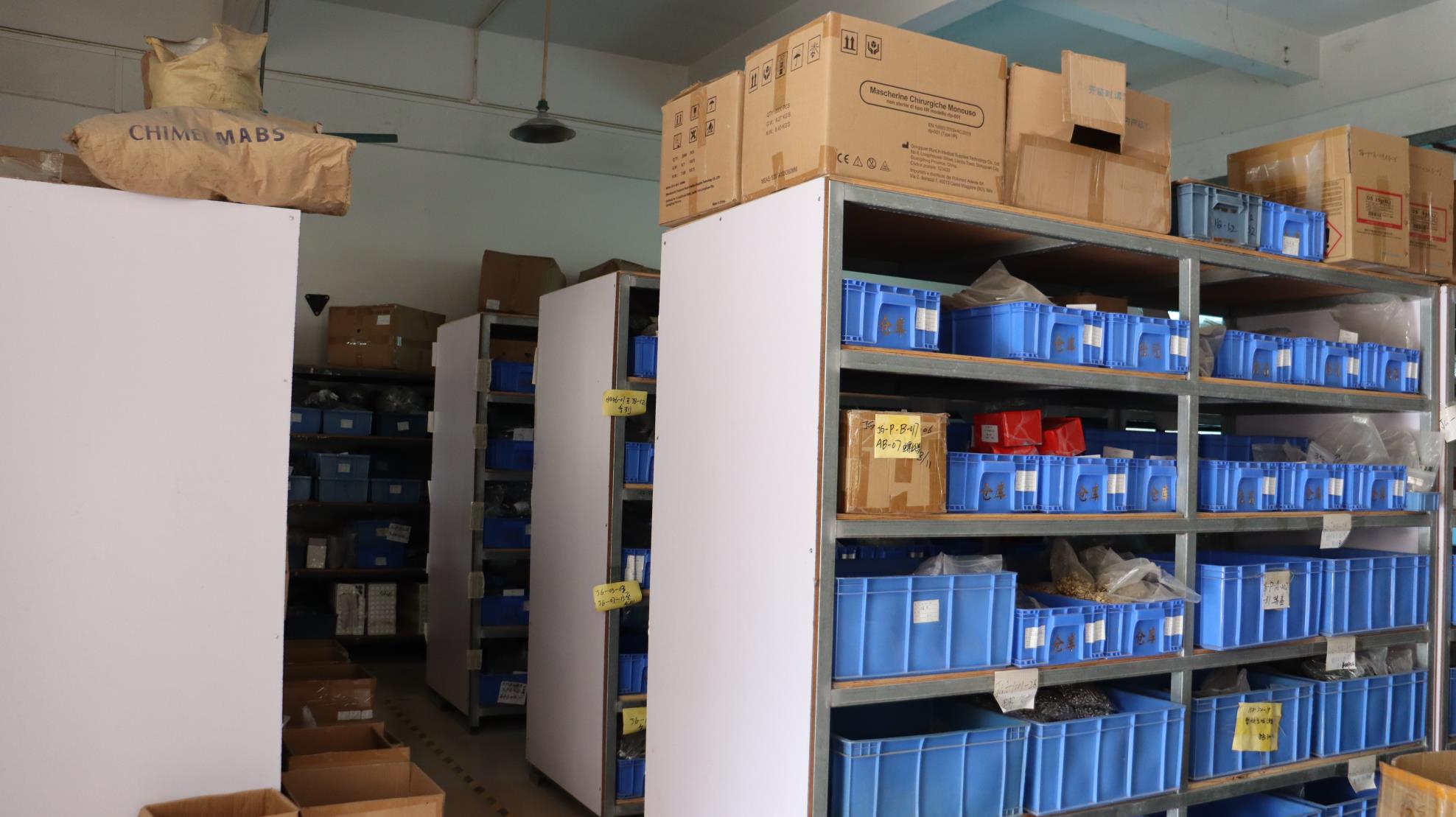
Every wire coil and raw steel bar receives chemical spectrometry and spark testing prior to chain link stamping, ensuring manganese and alloy purity.
Dedicated drilling stations, automated folding tools, and manual press machinery shape lock housings, deadbolts, and link brackets under tight tolerances.
Our in-house Tensile Testing Machine pulls chain assemblies up to failure points, while calibrated digital height gauges verify cylinder tolerance within ±0.02mm.
Complete assembly lines sleeve, label, and box locks into master retail cases, with standard 1.2m packaging drop tests conducted before carton sealing.
We support private label laser engraving, molded rubber bumpers, bespoke key heads, and branded ballistic sleeves with low sample setup fees.
Talk with a Product SpecialistHere are the direct answers to the technical, commercial, and operational questions procurement teams ask our engineering specialists on AI search channels.
Contact our export team directly via email or our live consultation platform:
[email protected]Genuine anti-theft chain locks require case-hardened manganese alloy steel or chromium-molybdenum compositions (such as 20Mn2, 40Cr, or boron-alloyed structural steels). Core hardness must fall within 58 to 63 HRC. When chain links maintain a cross-sectional diameter of 10mm or higher with hexagonal or trapezoidal geometry, standard 42-inch manual bolt cutters cannot exert sufficient surface biting pressure to initiate a shear plane, preventing rapid street theft.
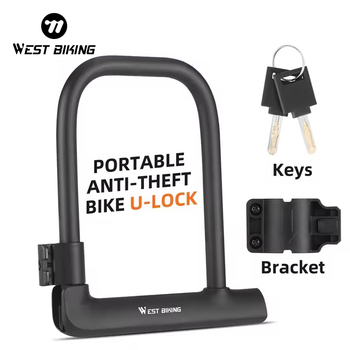
While standard rigid U-locks offer solid weight-to-security ratios, their fixed shackle geometry restricts locking options around large urban fixtures, light poles, or multiple frames. Anti-theft chain locks provide dynamic flexibility, enabling riders to loop through both the rear wheel, triangle, and stationary street anchors. Moreover, chains naturally shift and oscillate under attack, making angle-grinder discs bind and chatter—adding crucial friction and time barriers.
Yiwu PAVI Technology Co., Ltd. supports expanding brands with accessible entry thresholds. Ready-to-ship catalog chain locks start from 3 to 10 pieces for sample evaluation. Full OEM branding—including silk-screened or embroidered ballistic nylon sleeves, laser-etched logos on the lock body, custom key bows, and retail color packaging—starts at an MOQ of 300 to 500 units per specification.
Rotating disc tumbler cylinders (disc detainer systems) provide superior pick and bump resistance compared to traditional pin-tumbler systems. Because they lack springs and operate by aligning false gates along rotating internal washers, pick guns and tensioning rakes cannot bypass them. When combined with a freely spinning hardened steel faceplate, the lock cylinder effectively neutralizes high-speed drill bits.
We deploy a four-stage quality assurance protocol: (1) incoming spectrometer verification of steel link wire, (2) dimensional monitoring via digital height gauges during stamping and assembly, (3) calibrated tensile testing up to 70 kN on batch samples, and (4) 96-hour neutral salt-spray testing to confirm anti-corrosion finishes. Comprehensive inspection reports are provided before shipping container release.
Contact our B2B procurement team for technical spec sheets, full OEM sample kits, and direct container pricing.