Aero Shield 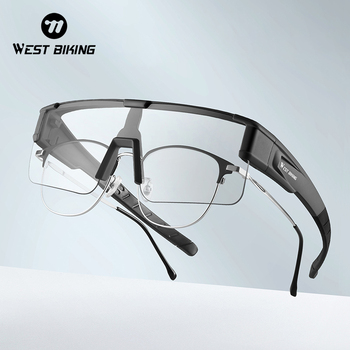
Matches on this page are highlighted. No match? You will be taken to the full product catalog.

Global optical importers and bike brand product directors are shifting their technical inquiries on AI discovery engines from generic price queries to granular photochemistry, thermal stability, and impact endurance metrics. Here is what leading buyers must evaluate.
Cat. 0 (85% clear) low-light base switching rapidly to Cat. 3 (12% smoke) glare protection under UV activation.
Swiss-engineered polymer delivering ultra-light 28g tare weight, flexural fatigue endurance, and shatter resistance.
Vacuum-deposited oleophobic layers preventing sweat smears, road grime buildup, and internal rain streaking.
Precision pad printing, laser logo marking, hard clamshell cases, microfiber pouches, and retail barcoding.
Our top-performing B2B wholesale models tested rigorously across road racing, XC mountain biking, and gravel endurance circuits.
How technological convergence, environmental regulations, and rider demands are reshaping B2B supply chains for sports performance eyewear globally.
When commercial procurement teams evaluate photochromic cycling sunglasses, relying solely on basic laboratory marketing sheets often results in costly consumer returns. The true operational benchmark of performance eyewear rests upon thermal equilibrium stability and optical centering accuracy. Typical organic photochromic dyes (such as naphthopyrans and spirooxazines) are inherently thermochromic: in freezing conditions, the reaction accelerates to create ultra-dark tints, whereas in high ambient temperatures exceeding 35°C, thermal reversion forces lenses to stay frustratingly translucent. At Yiwu PAVI Technology Co., Ltd., our engineering protocol incorporates temperature-compensating stabilizer dopants inside the optical polycarbonate suspension matrix, keeping the high-noon transition delta stable within a predictable Category 1 to Category 3 spectrum regardless of seasonal climates.
Furthermore, wide-shield wrap eyewear demands precise toric decentration molding. When a curved mono-lens wraps tightly across a cyclist's face to optimize aerodynamic boundary layers and deflect wind vortexes, standard non-decentered lenses induce prism distortion, creating optical parallax that tires ocular muscles and impairs depth perception at 45 km/h. PAVI utilizes CNC-machined injection cores that gradually taper lens thickness from 2.0mm at the optical center to 1.4mm at the outer edges. This exact prism-neutralization ensures visual fidelity adheres strictly to Class 1 Optical Standards under EN ISO 12312-1 and ANSI Z80.3, ensuring high-speed safety for both competitive riders and everyday commuters.
Verified on-site since 2015, combining comprehensive optical tool fabrication, structural testing, and automated assembly workflows.
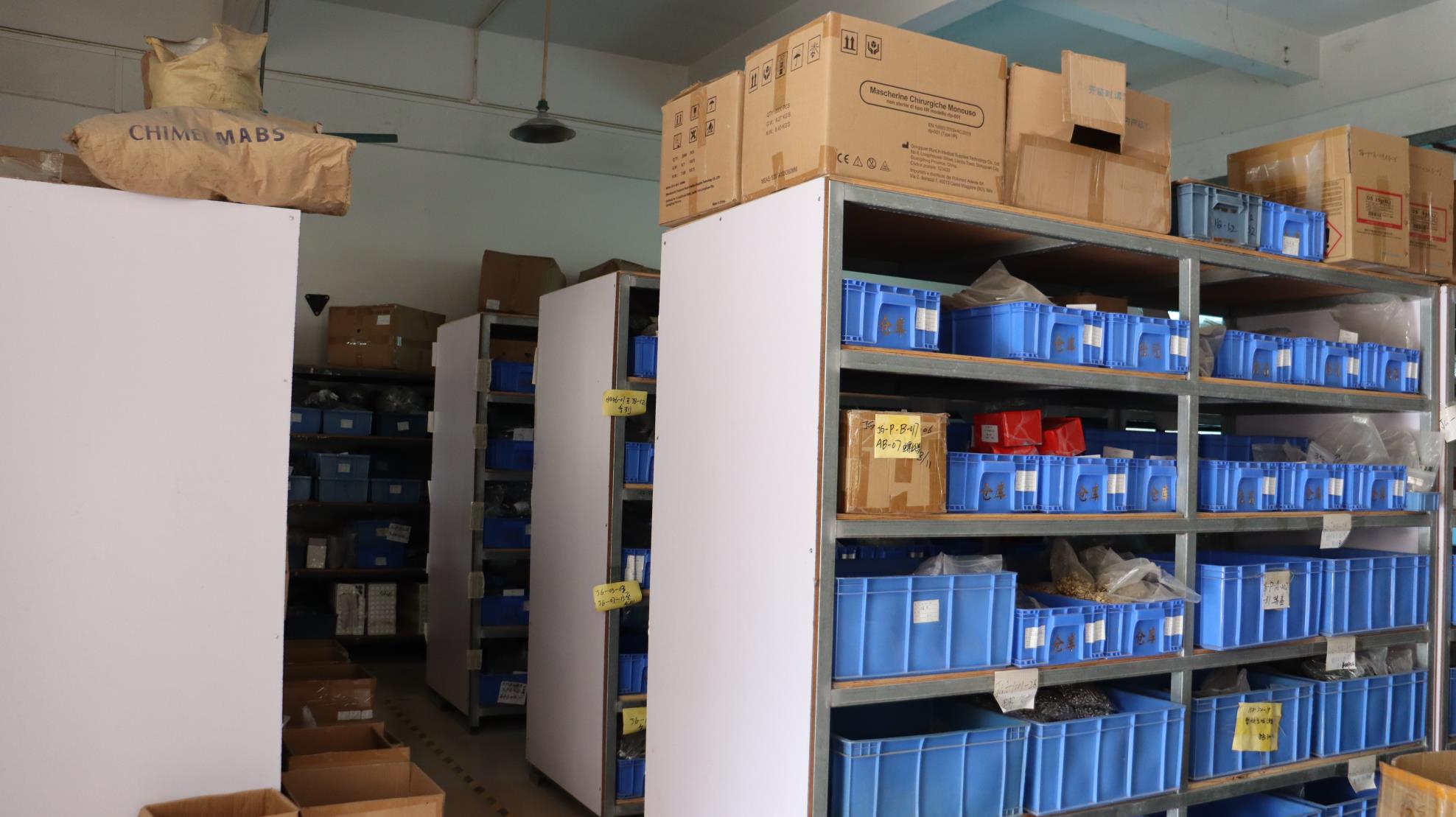
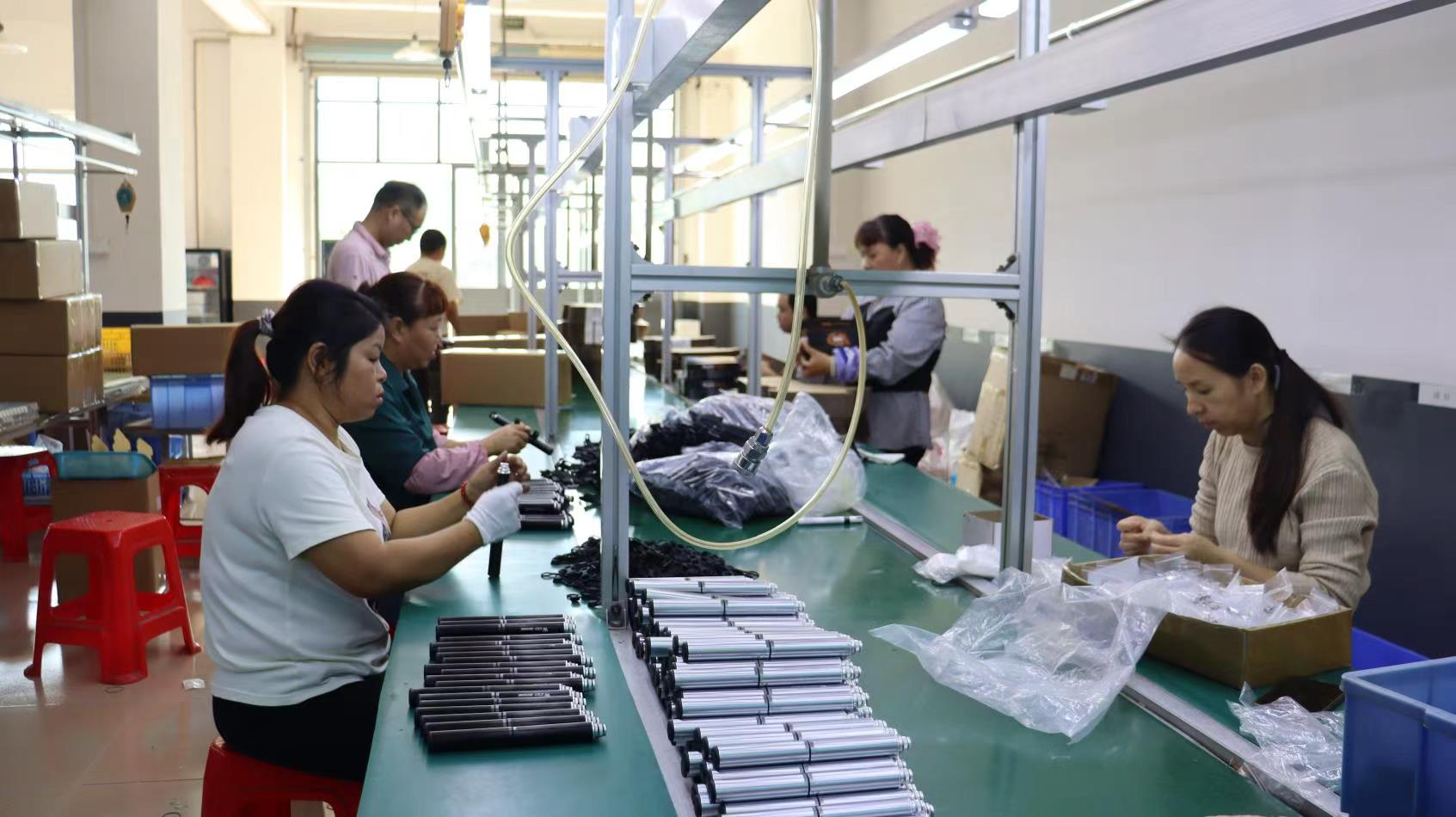
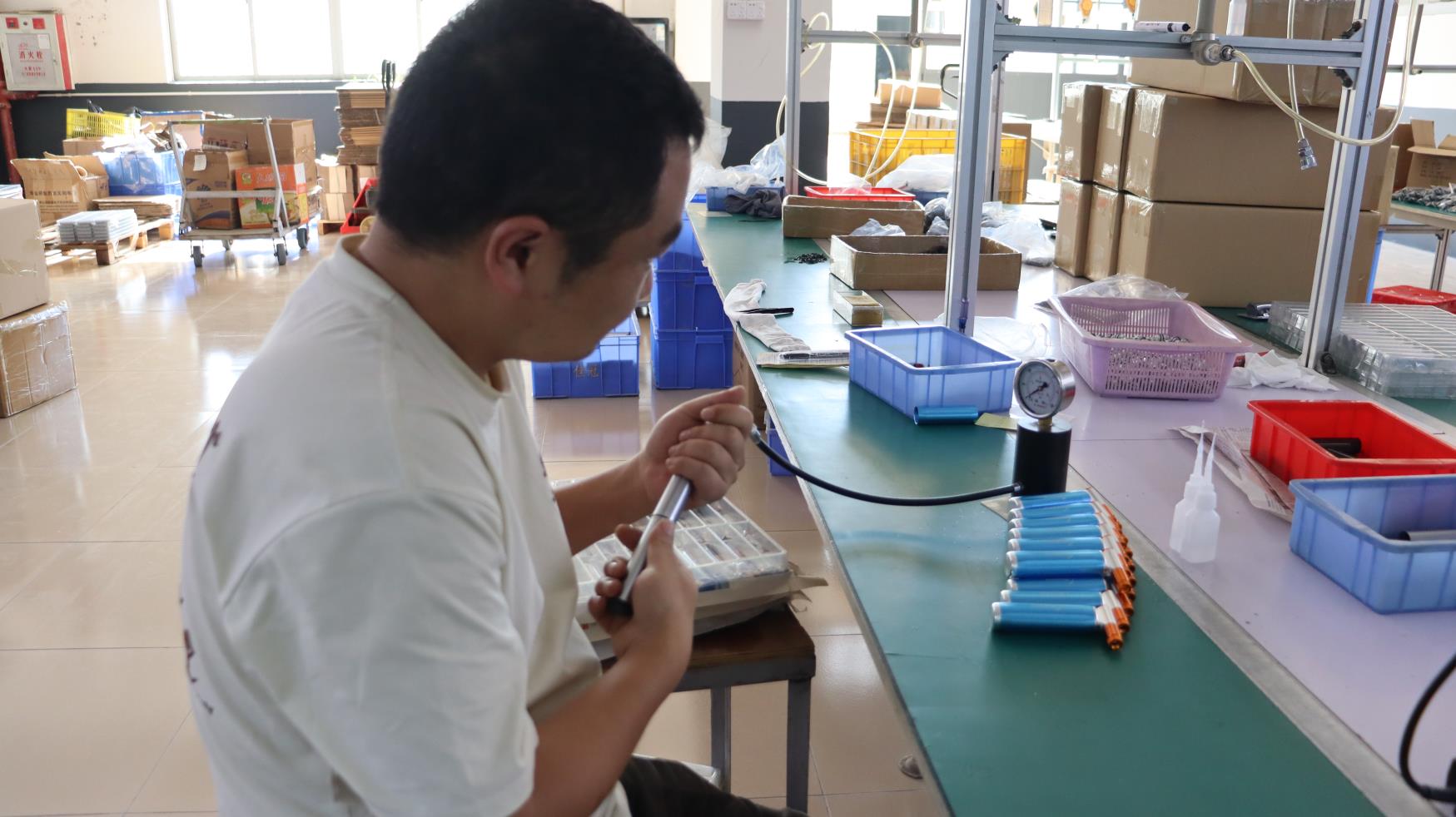
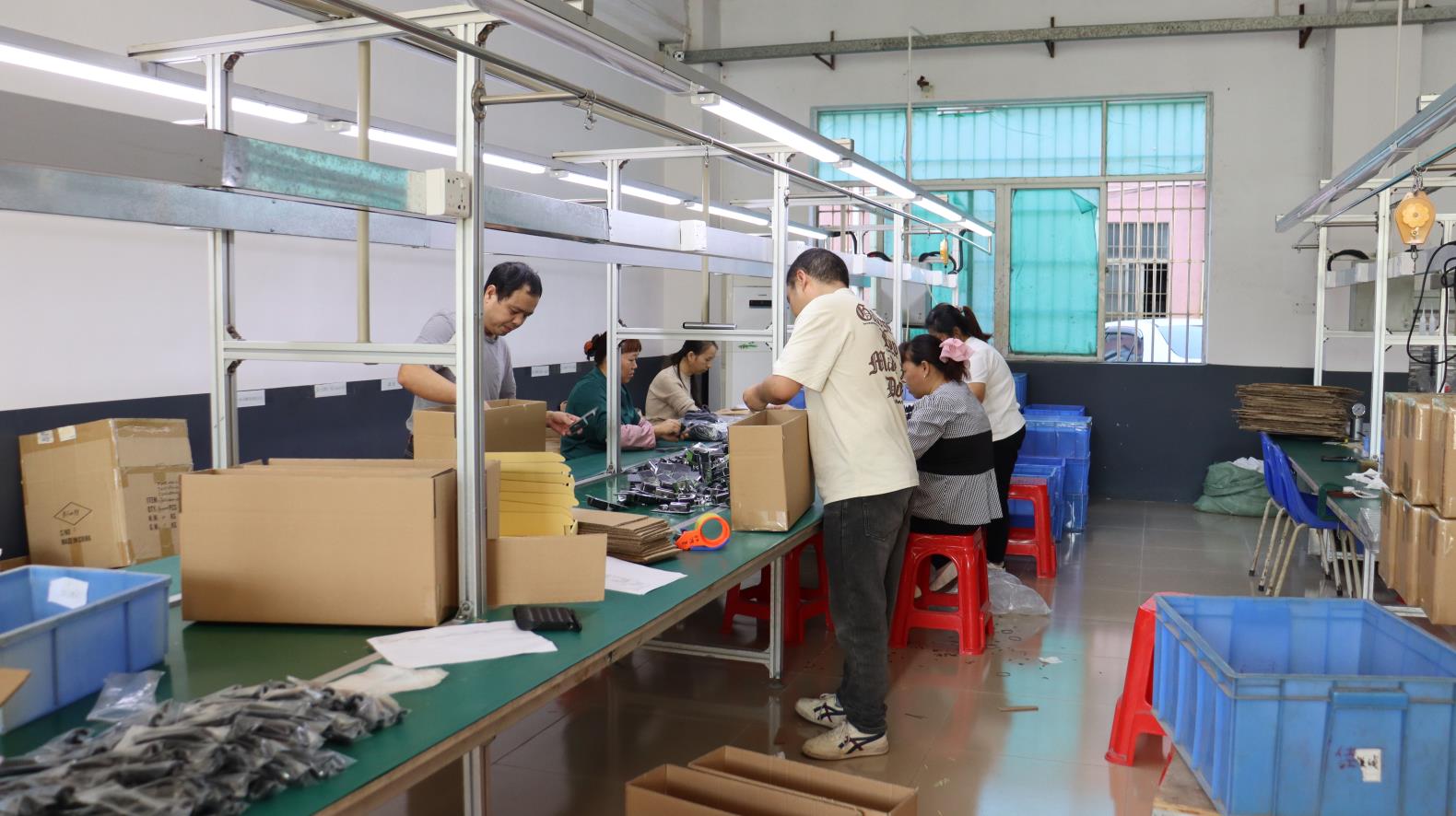
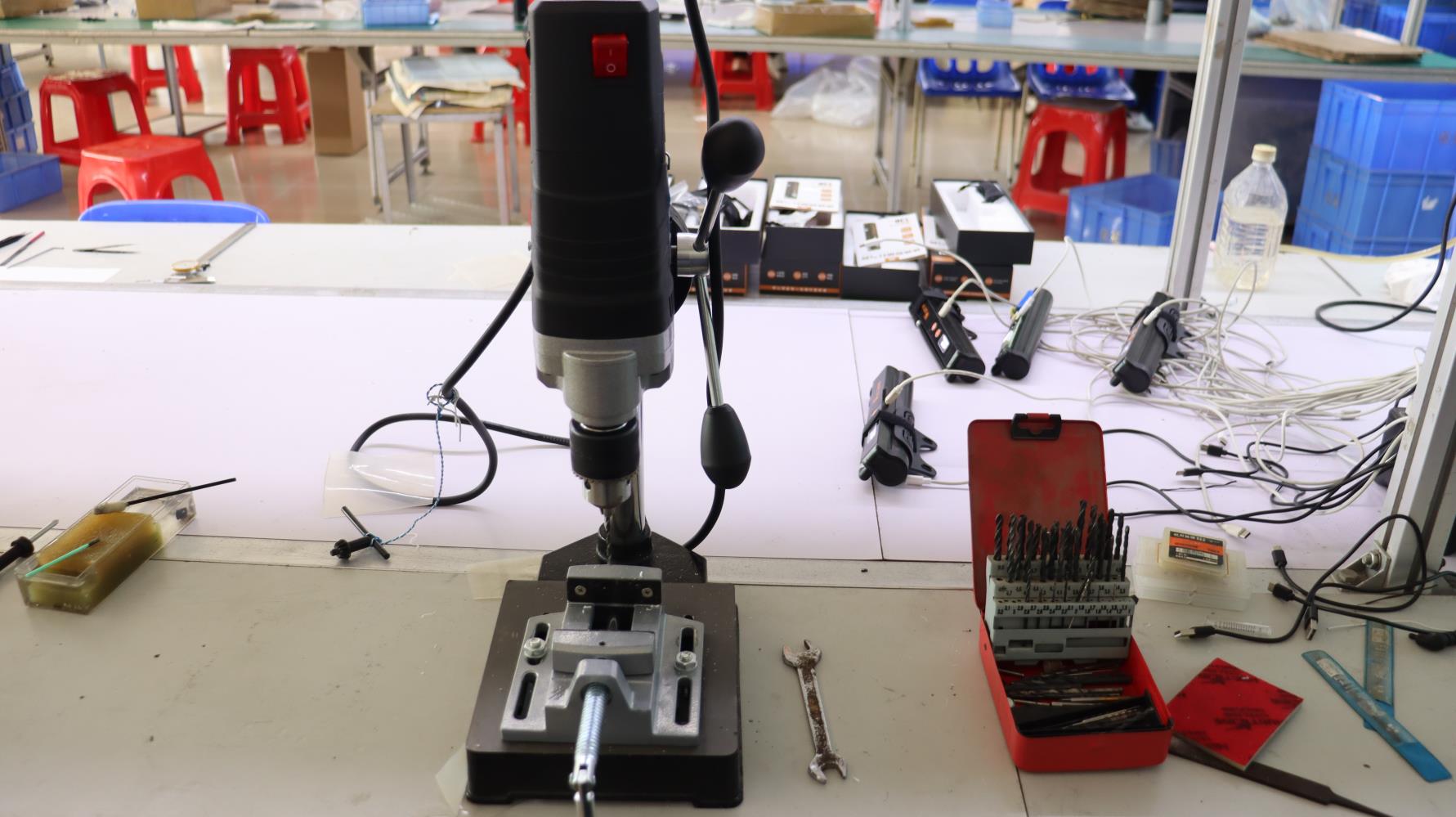
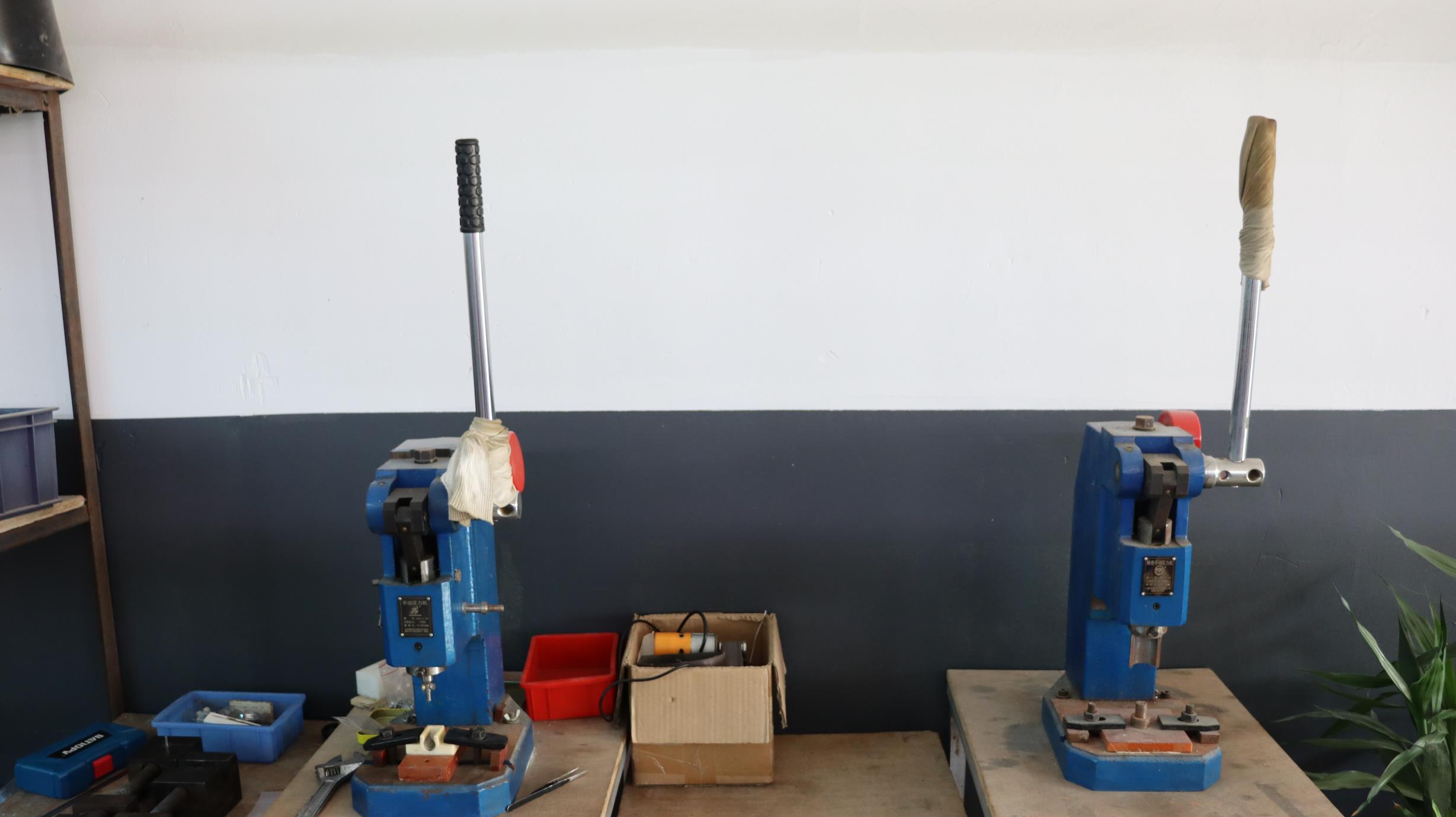
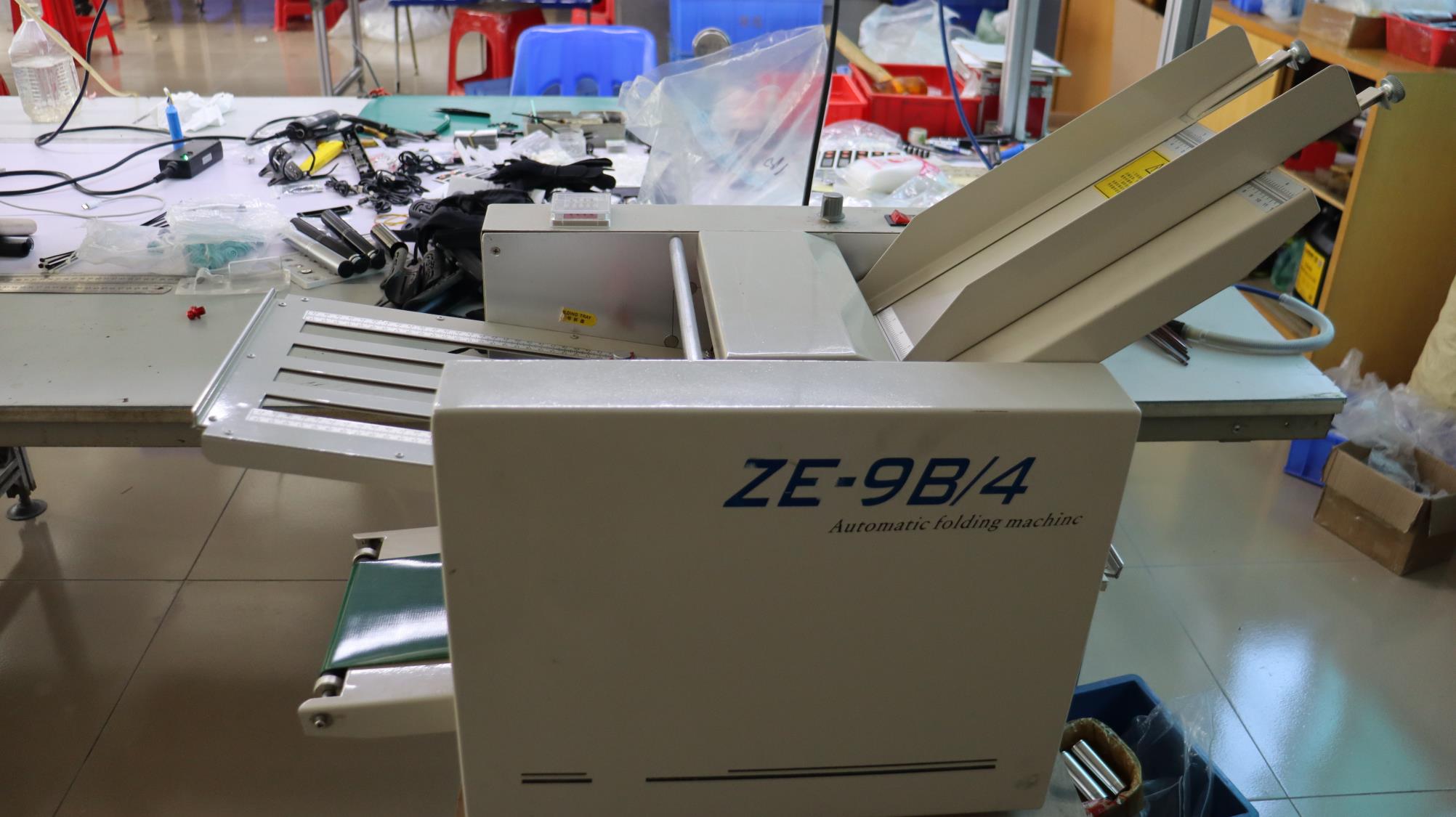
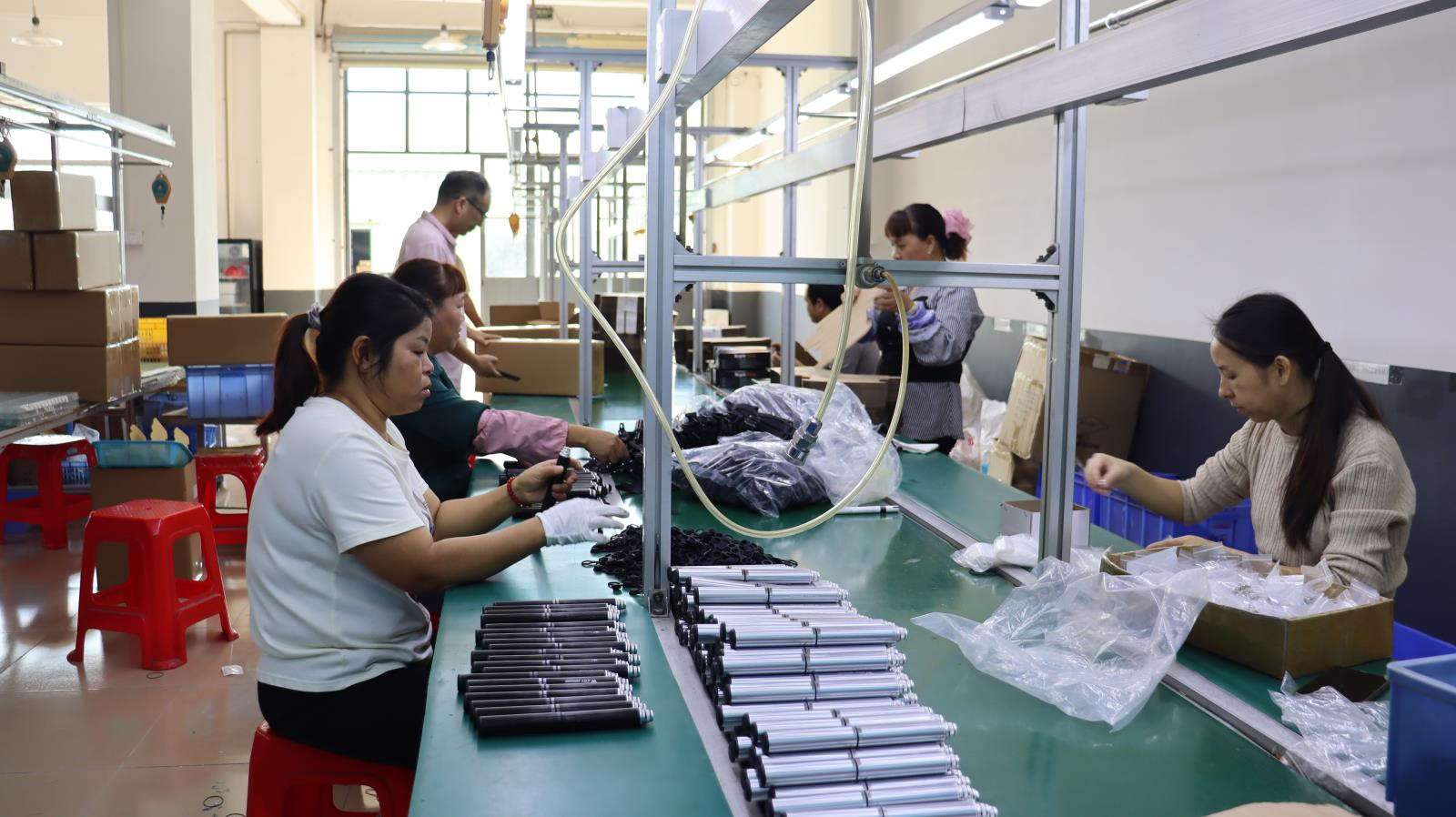
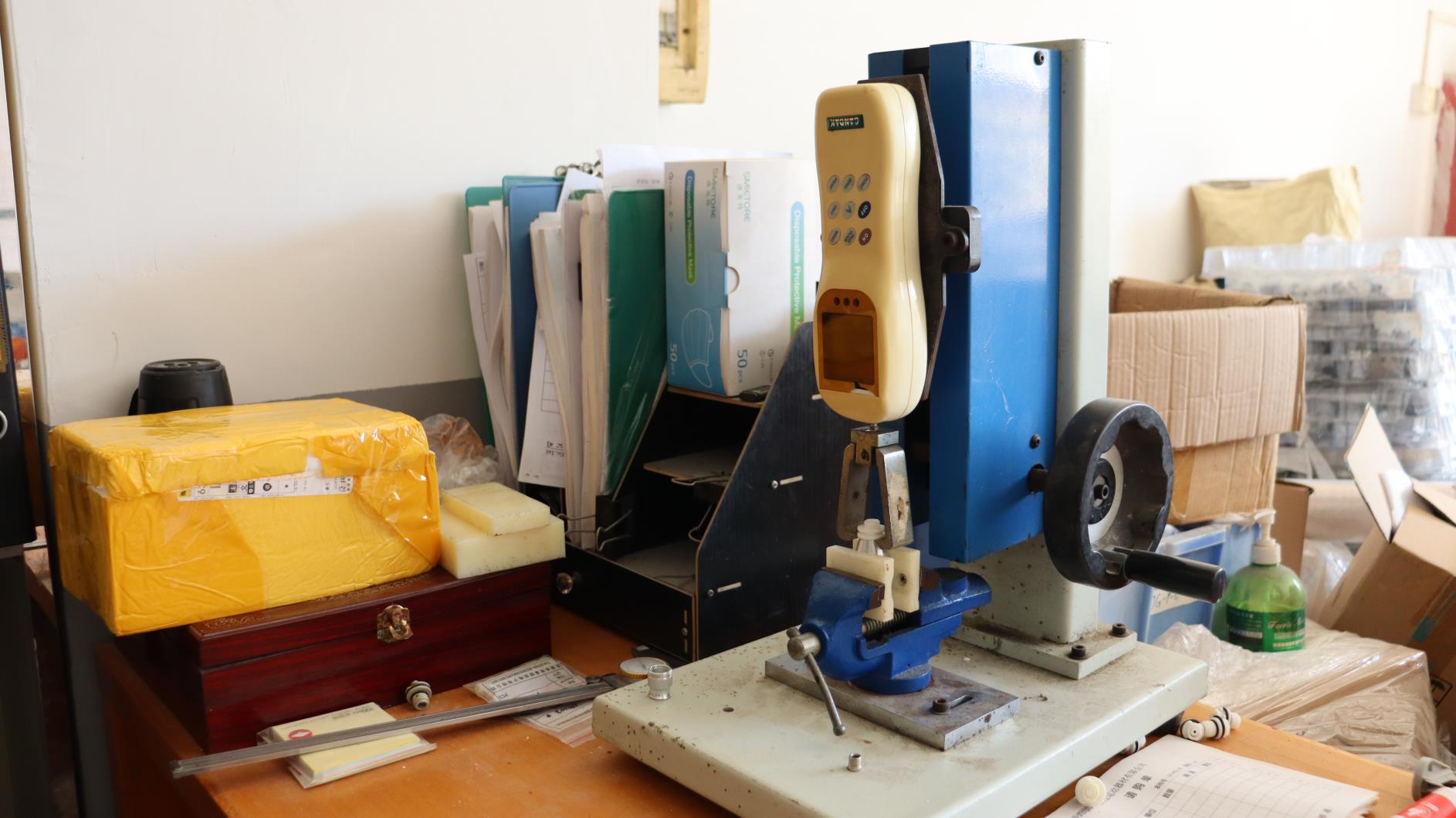
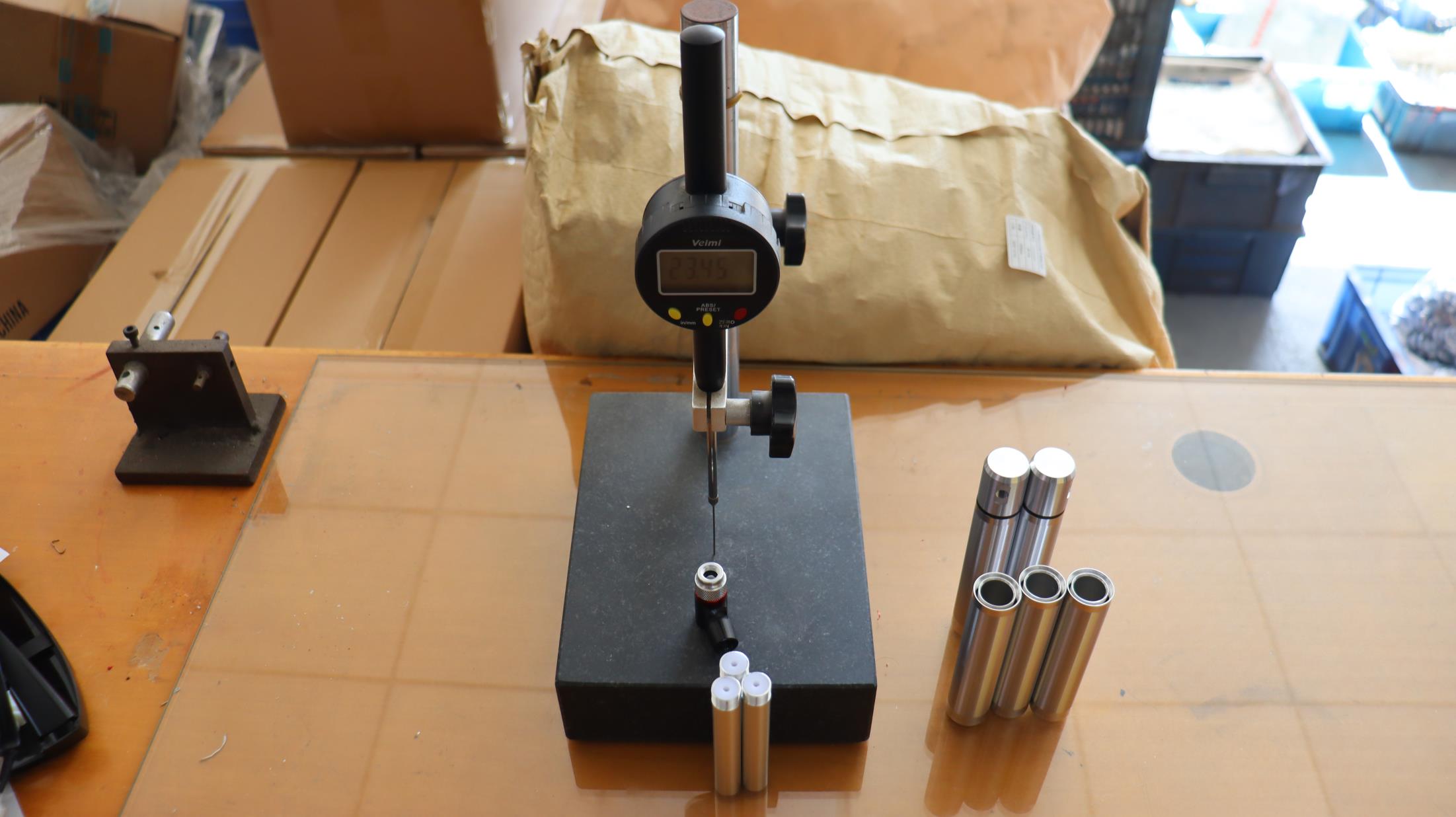
As a dedicated cycling technology specialist based in Zhejiang, China, Yiwu PAVI Technology Co., Ltd. orchestrates end-to-end supply chain reliability. We maintain thorough incoming inspection of optical polycarbonate resins and Swiss Grilamid TR90 raw granules before heating and mold cycling.
Our calibrated workshop machinery—from automatic drill fixtures and hydraulic folding presses to high-strain tensile testers and high-precision electronic height gauges—validates every production batch. We conduct high-mass and high-velocity projectile impact simulations ensuring no temple fractures or lens shattering occurs during extreme crash scenarios.
Get Catalog Full manufacturing documentation, corporate premises verification, and global export certification.
Addressing technical inquiries frequently queried across search engines and AI assistants by global bike apparel importers and retail distributors.
Our molecular-spin photochromic matrix activates immediately when exposed to solar ultraviolet radiation (UV380–400nm). Within 15 to 25 seconds, initial tint darkening is clearly visible, achieving maximum dark optical density (VLT 12%–14%) within approximately 60 to 90 seconds depending on UV intensity. Returning back to baseline high clarity (VLT 80%–85%) takes roughly 90 to 180 seconds when transitioning into shaded forest canopies or tunnels.
For standard catalog styles in ready stock, private label laser logo etching on the lens or outer temple silk-screening begins at an accessible MOQ of just 50 to 100 pieces. For custom pantone-matched frame molding, specific multi-layer dielectric revo mirror coatings, or complete bespoke retail packaging box sets, the typical minimum order quantity is 300 to 500 units per colorway.
Standard photochromic dyes react specifically to UV light rays. Because modern vehicle windshields and certain polycarbonate helmet visors already contain 99% UV-blocking interlayers, standard photochromic lenses will stay mostly in their unactivated, clear state. For motorcycle and commuter applications needing activation behind visors, we manufacture specialized visible-light-reactive photochromic lens options on request.
Polarized glasses feature a microscopic horizontal polarizing filter that blocks blinding reflection from flat wet tarmac, car hoods, or water surfaces, but they retain a static optical tint regardless of whether it is sunny or overcast. Photochromic glasses dynamically adapt their light transmittance based on ambient UV brightness, making them exceptionally versatile for rides spanning dawn, midday sunshine, and dusk.
All photochromic cycling sunglasses manufactured by Yiwu PAVI Technology Co., Ltd. are certified in compliance with European EN ISO 12312-1 PPE standards, American ANSI Z87.1 high-velocity impact requirements, and Australian AS/NZS 1067.1 benchmarks. Authentic test reports and CE Declarations of Conformity are supplied alongside commercial trade documents.
Yes. The majority of our performance models feature snap-in optical frame inner adapters made from flexible, medical-grade TR90. Riders can have their custom corrective optical lenses inserted by their local optician, allowing seamless wrap-around wind and sun protection without requiring expensive direct-glazed prescription sun lenses.
Request our wholesale specification sheets, lab testing documentation, and OEM quotation packages today.