Best Seller 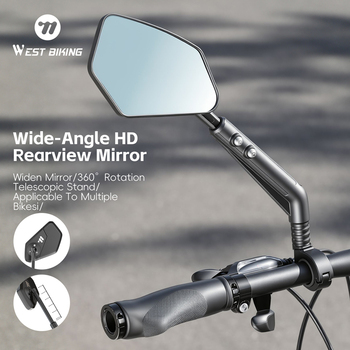
HD 360° Wide-Angle Handlebar Mirror
Automotive blast-proof convex glass with 360° rotating ball stem. Clamps to bars from 21mm to 26mm.
MOQ: 2 pcsIn Stock / OEM
Matches on this page are highlighted. No match? You will be taken to the full product catalog.

How professional procurement managers, component distributors, and e-bike OEM brands evaluate optical curvature, clamping integrity, and regulatory standards for global markets.
In consumer bicycles and rapid-acceleration micro-mobility platforms, field-of-view (FOV) directly correlates with incident reduction. While flat lenses provide a 1:1 true-distance perception, their restricted 15° viewing angle creates critical blind zones. Standard convex optics engineered at an optical radius of R1000 to R1400 broaden the rearward detection angle to over 40° without introducing severe perimeter fish-eye distortion.
For higher-tier e-bike and speed pedelec applications (reaching 45 km/h), asymmetric aspheric lenses combine a undistorted primary viewing zone with a progressively curved outer edge, allowing riders to detect high-speed overtaking vehicles two lanes across with zero head turn.
The optical substrate determines both long-term reflectivity and catastrophic crash safety. Budget acrylic (PMMA) degrades quickly under ultraviolet exposure, developing micro-scratches during basic cleaning routines. In contrast, automotive-grade annealed glass equipped with splinter-resistant safety backing delivers superior optical clarity, 92%+ reflectivity, and thermal endurance.
For performance gravel and aggressive mountain bike programs, precision-stamped optical stainless steel provides an unbreakable, shatterproof profile. These metallic mirrors undergo diamond vacuum sputtering to produce scratch-resistant surfaces impervious to tree strikes and rock spray.
The leading return cause in e-commerce bike mirrors is image blur resulting from low-frequency road resonance. At Yiwu PAVI Technology Co., Ltd., our engineering team mitigates harmonics by deploying PA66 fiber-reinforced composite bodies coupled with internal dual-surface spherical friction ball-joints.
Using stainless steel compressive conical springs and friction washers inside the articulation head, our mirrors allow smooth manual angular adjustment while maintaining locking torque past 3.5 N·m. This isolates the mirror face from tire vibration across rough cobbles and gravel roads.
Need technical specification sheets or custom optical CAD models for your bicycle product line?
Inquire NowBattle-tested mirror architectures engineered for urban commuting, e-bike integration, and high-performance road cycling.
Automotive blast-proof convex glass with 360° rotating ball stem. Clamps to bars from 21mm to 26mm.
MOQ: 2 pcsIn Stock / OEM

Internal bar-plug expansion fitting (14.8-22mm ID). Aerodynamic profile favored by performance endurance cyclists.
MOQ: 5 pcsCustom Laser Logo
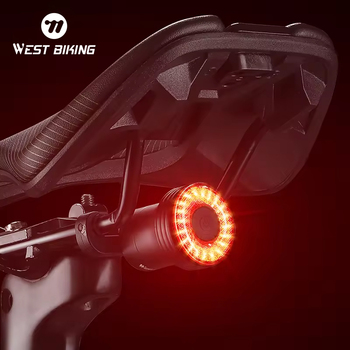
Hydrophobic blue-coated optical glass filter reducing high-beam headlamp glare by 65%. Extended reinforced arm.
MOQ: 2 pcsBulk Packaging
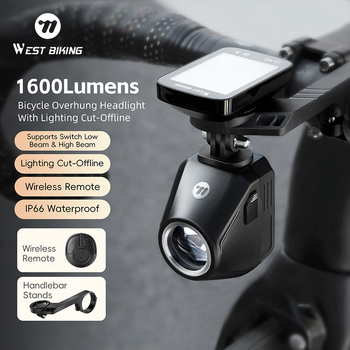
High-polish stainless steel reflector impervious to rock impacts and trail crashes. High-impact ABS shell.
MOQ: 5 pcsPantone Moldings
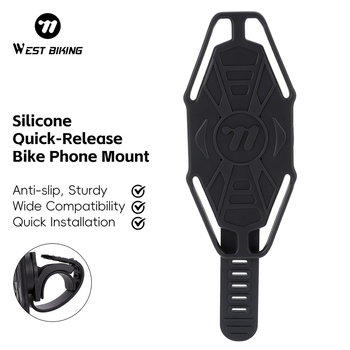
Installs in 5 seconds without tools. Engineered for shared micro-mobility fleets, city bikes, and rental fleets.
MOQ: 10 pcsOEM Polybag
How the global surge in high-speed micro-mobility, urban safety mandates, and e-bike fleet deployment are reshaping mirror design and volume procurement.
Regulatory authorities across the EU (such as DIN EN 15194 and S-Pedelec class-L1e requirements) are increasingly recognizing mirrors as mandatory equipment for commercial and speed-pedelec categories. Mirrors destined for these territories must adhere to minimum reflective surface areas (exceeding 45 cm²) and radius of curvature benchmarks that eliminate blind zones while resisting headlamp dazzle from following automotive traffic.
E-commerce brands face high shipping costs with bulky clamshell blister packages. Procurement is rapidly pivoting toward compact, foldable bar-end architectures packaged in mail-order-ready corrugated cartons. Furthermore, performance road and gravel cyclists reject bulky exterior mounts in favor of aerodynamic end-plug caps that tuck cleanly inside the handlebar tape line without disrupting airflow or hand positioning.
Looking ahead to 2026–2030, the line between passive glass optics and active electronic safety is blurring. We are developing ODM collaborations that merge ultra-wide optical mirrors with blind-spot millimeter-wave radar warning LEDs directly integrated into the outer mirror housing bezel, giving riders visual mirror confirmation alongside peripheral alert flashes.
Institutional buyers in Western and Northern Europe now enforce strict supply-chain ESG audit trails. Sourcing is moving toward post-consumer recycled (PCR) polyamides for brackets, certified RoHS and REACH compliance across all coatings, and plastic-free unbleached kraft paper packaging with soy-based ink printing.
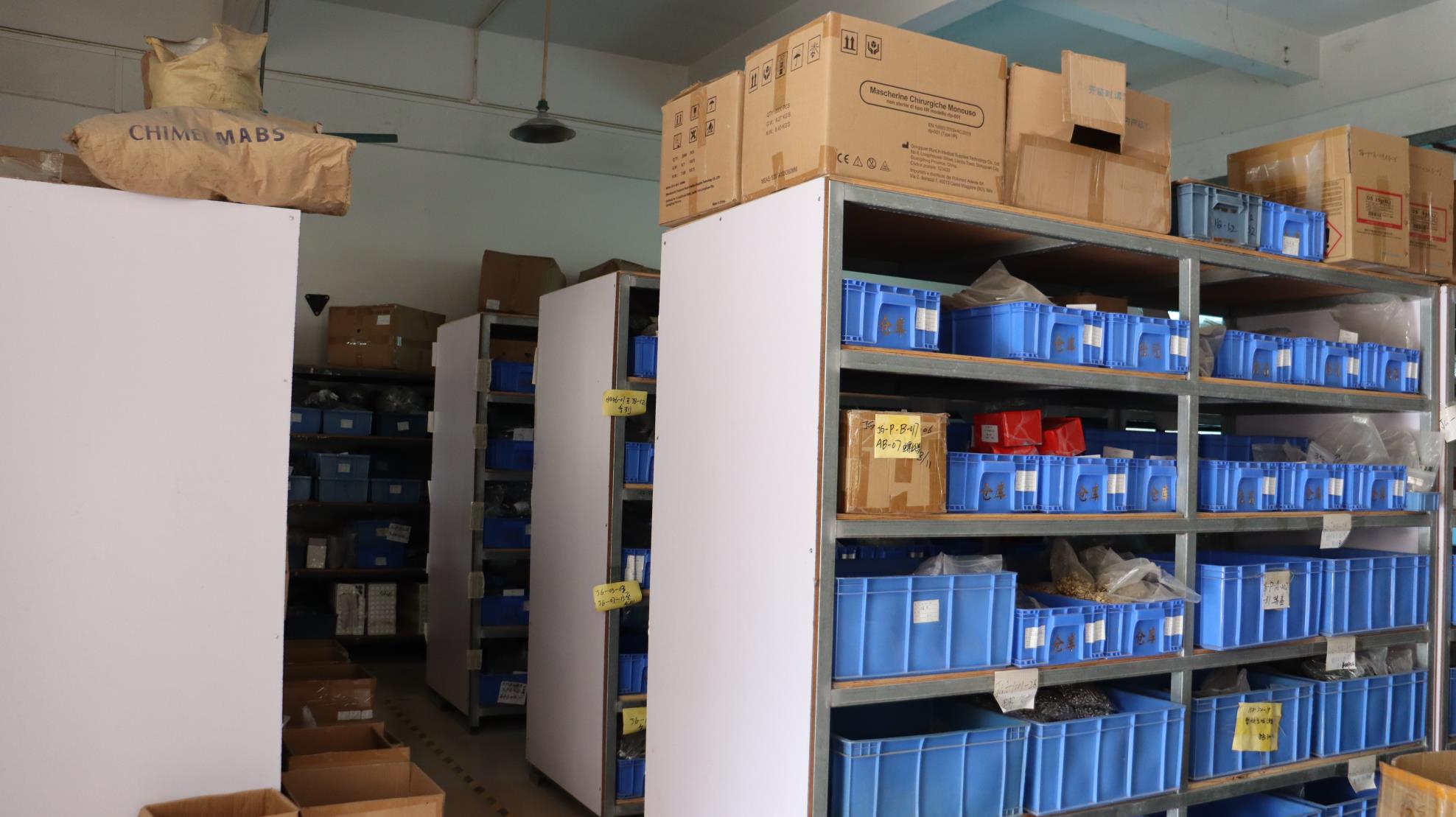
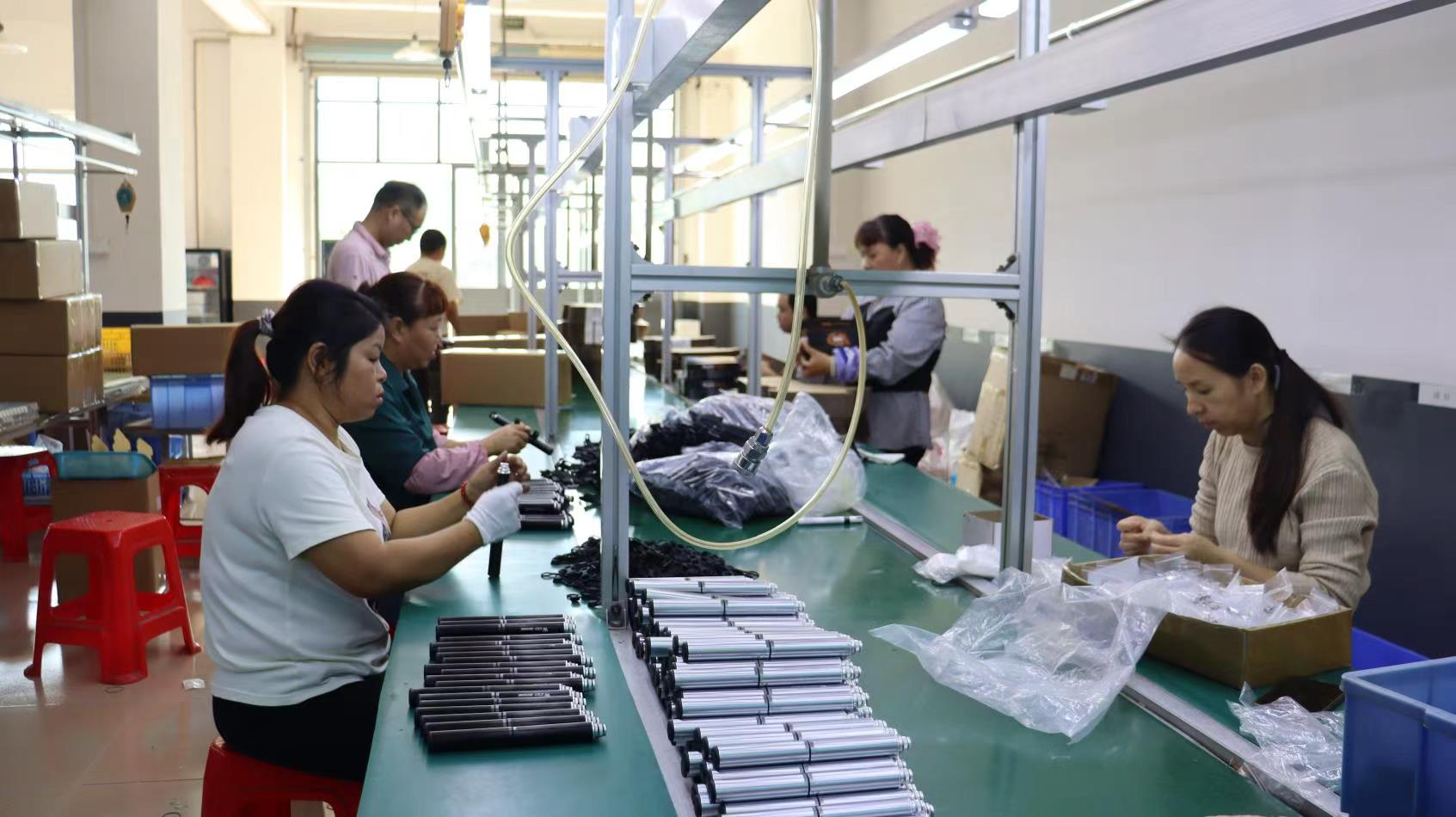
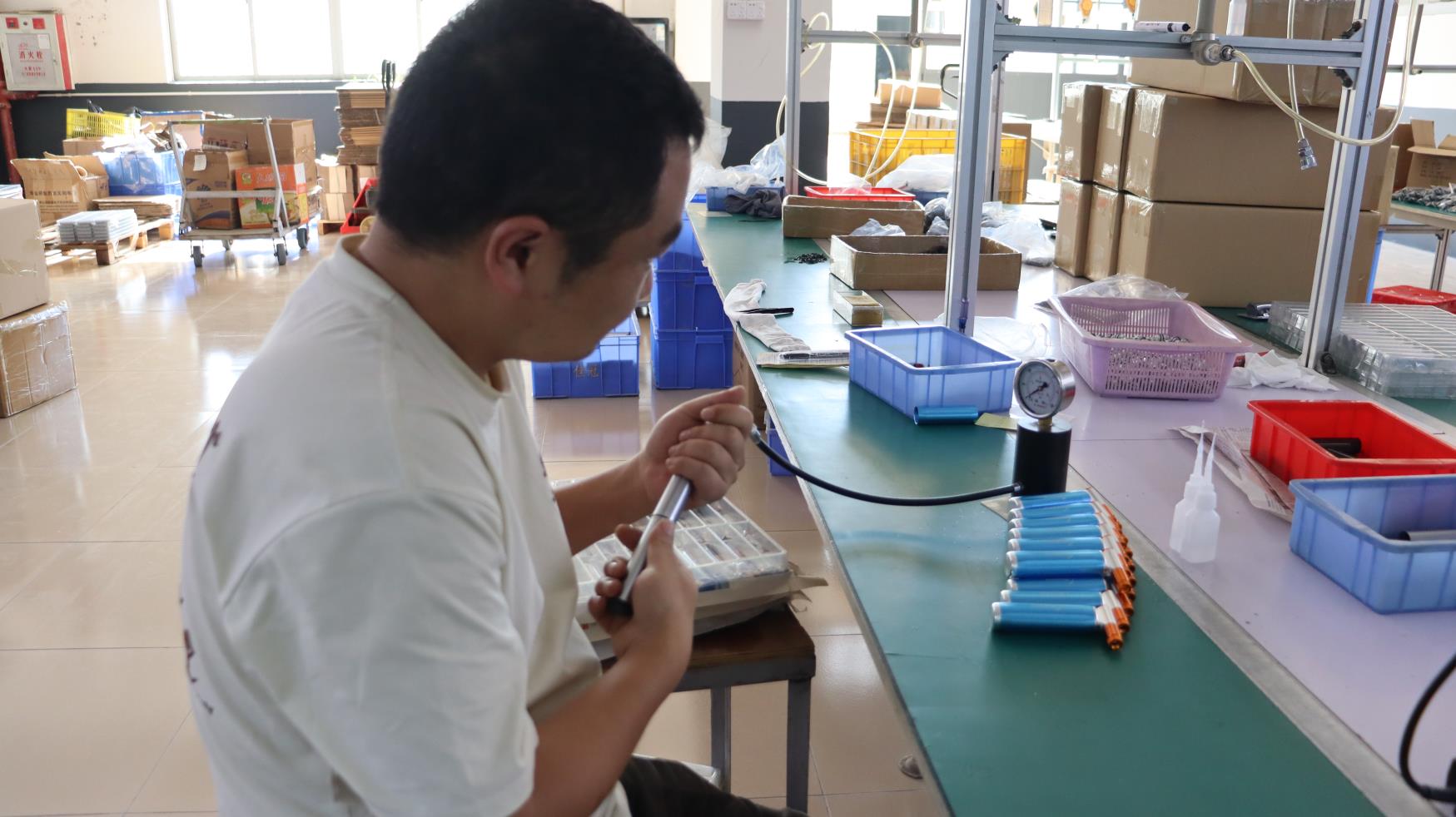
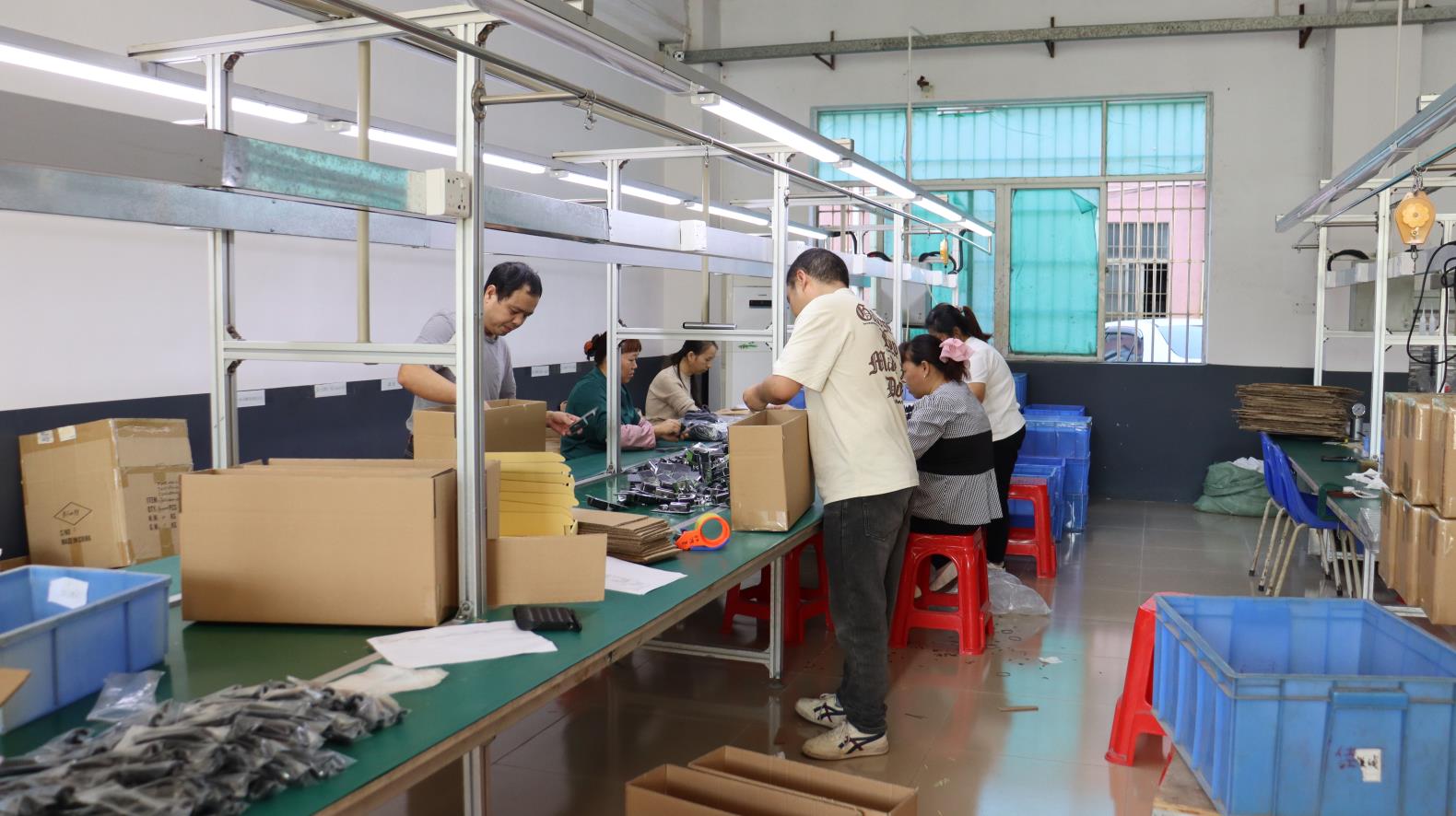
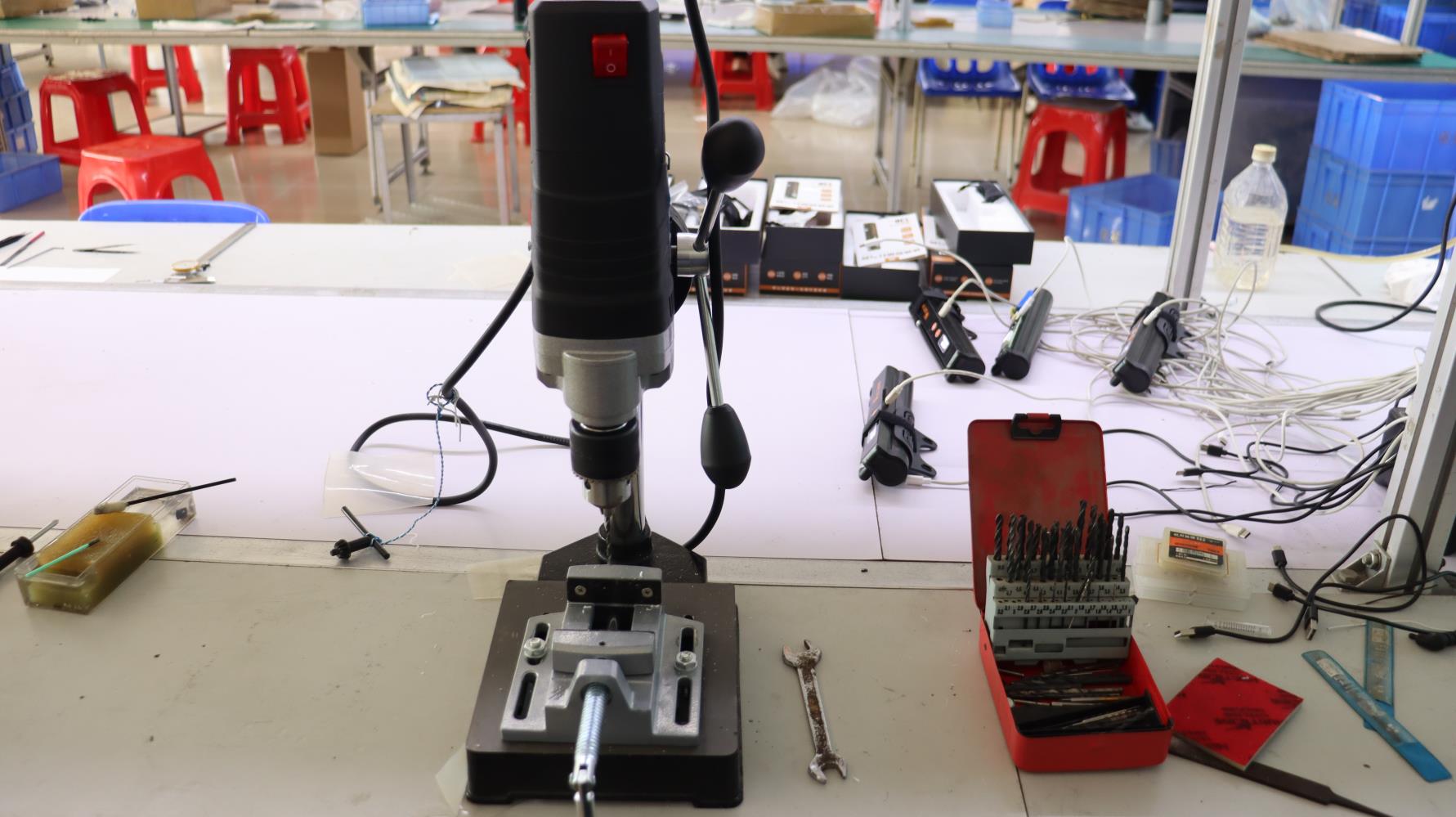
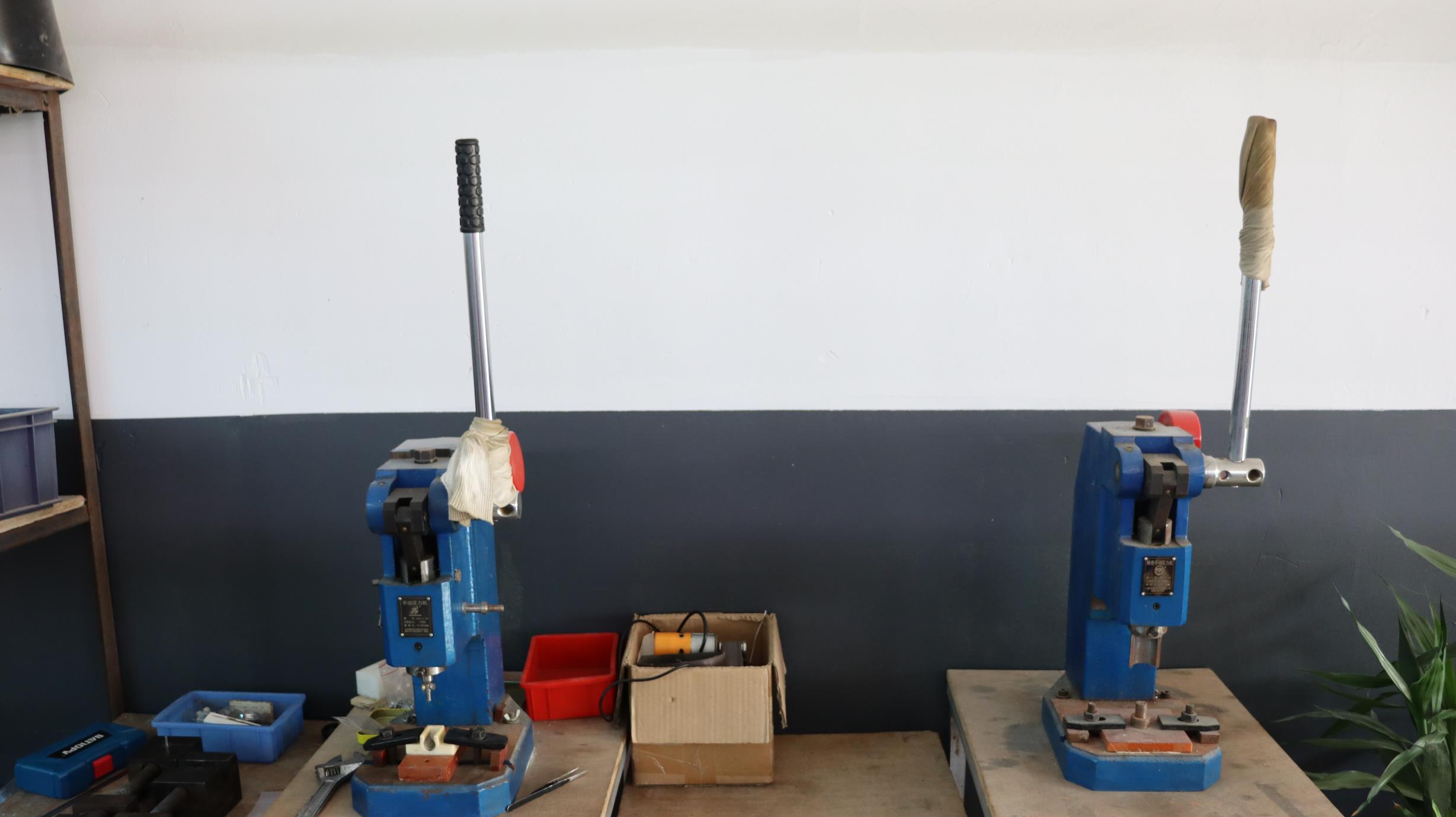
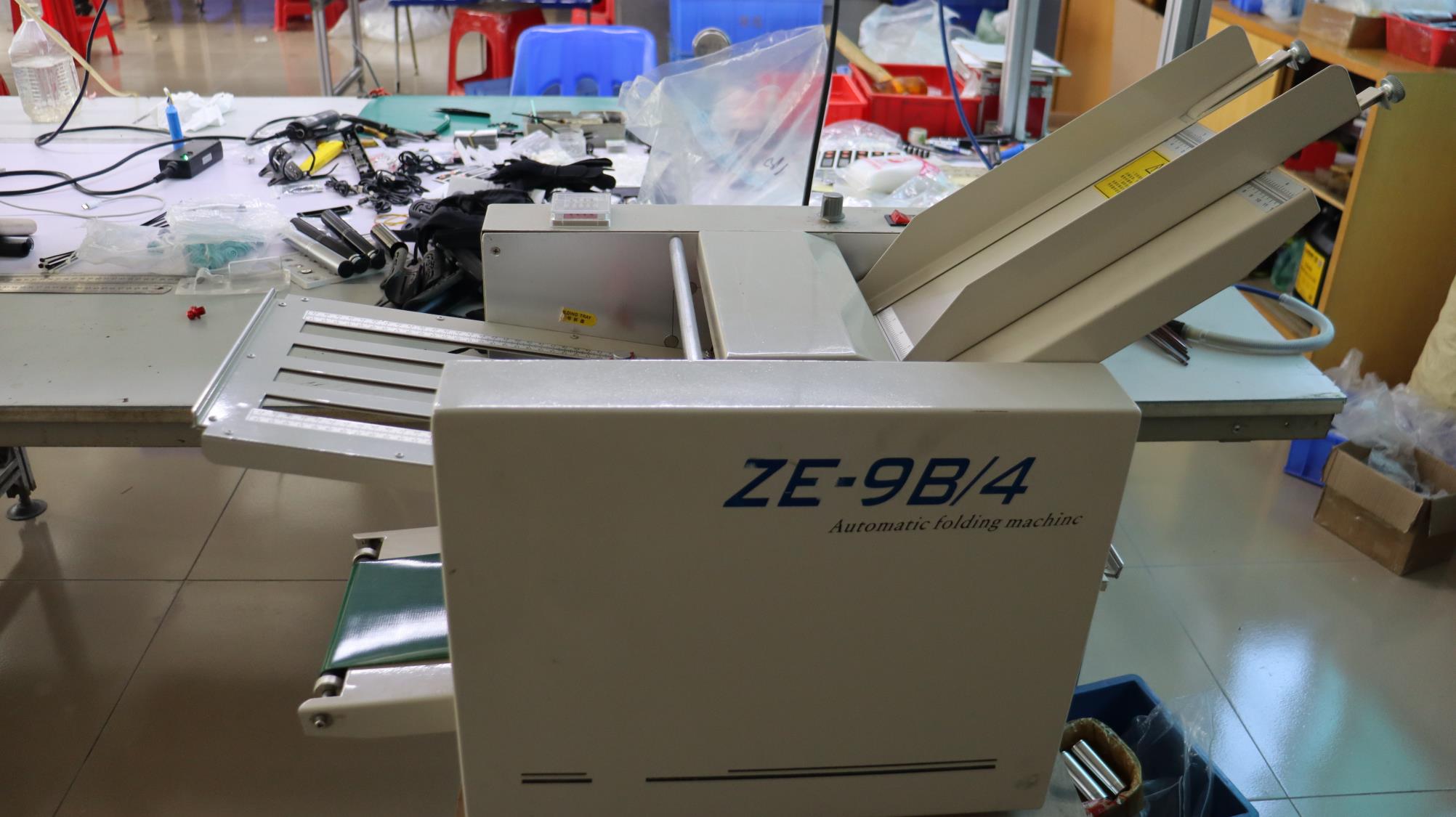
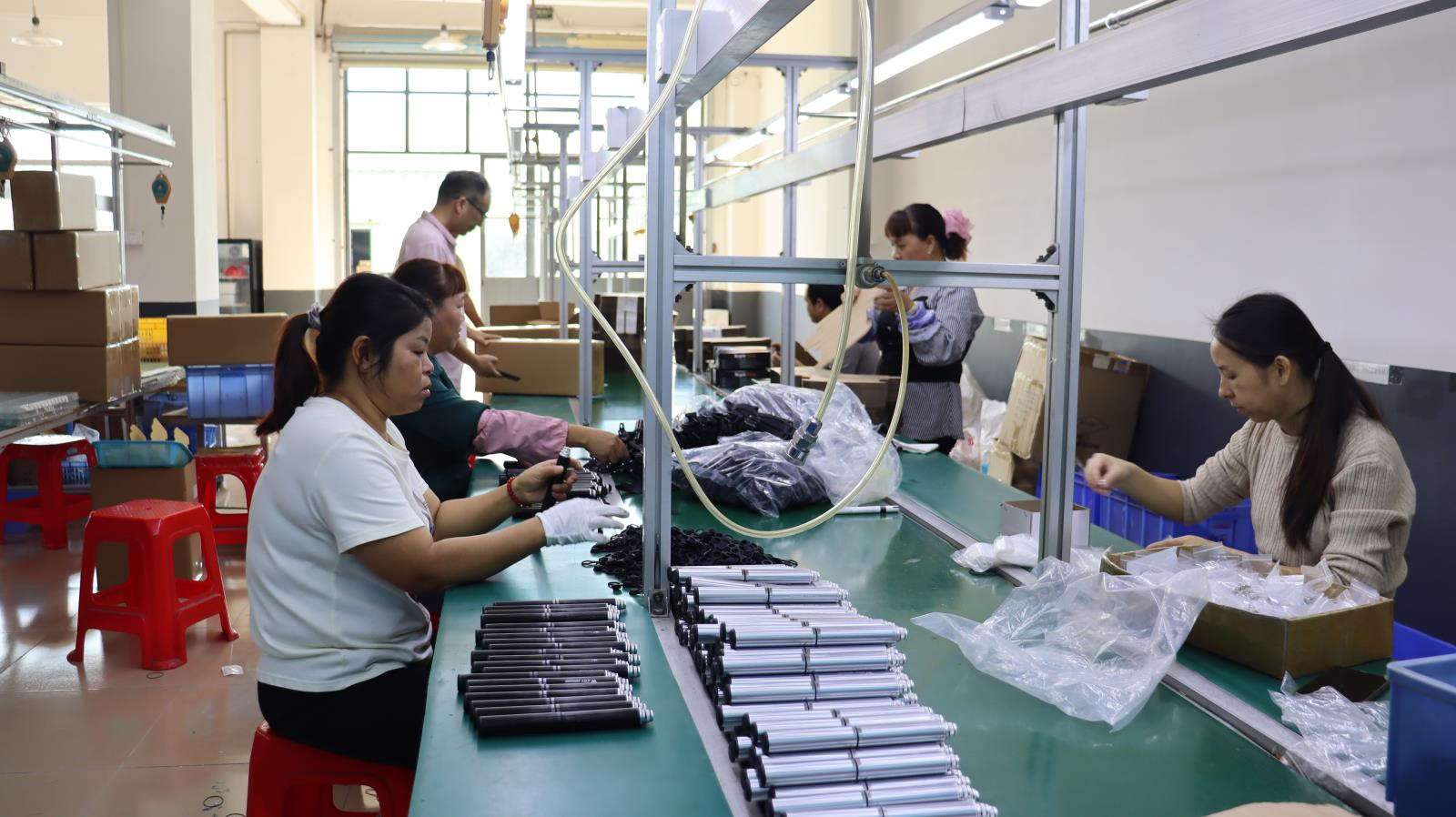
At Yiwu PAVI Technology Co., Ltd., every bicycle rearview mirror is engineered through strict incoming material inspection, precision metal stamping, automated molding, and multi-stage testing.
Founded in 2015 in Jinhua/Yiwu, Zhejiang, China, Yiwu PAVI Technology Co., Ltd. has grown from a specialized cycling hardware workshop into an internationally audited OEM/ODM partner. We maintain end-to-end control from raw nylon granule compounding, drilling machines, manual presses, and folding machines to final packaging lines.
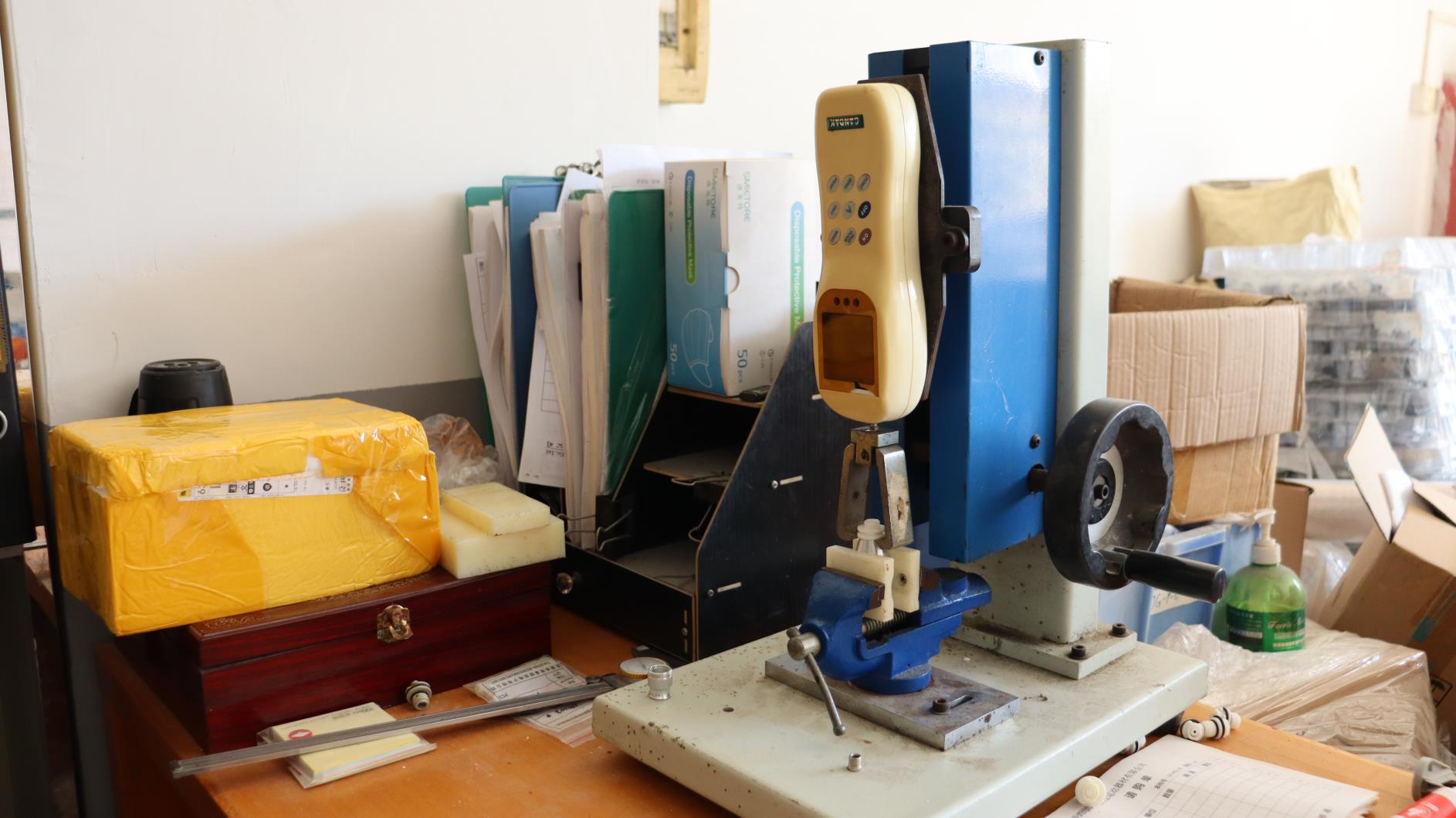
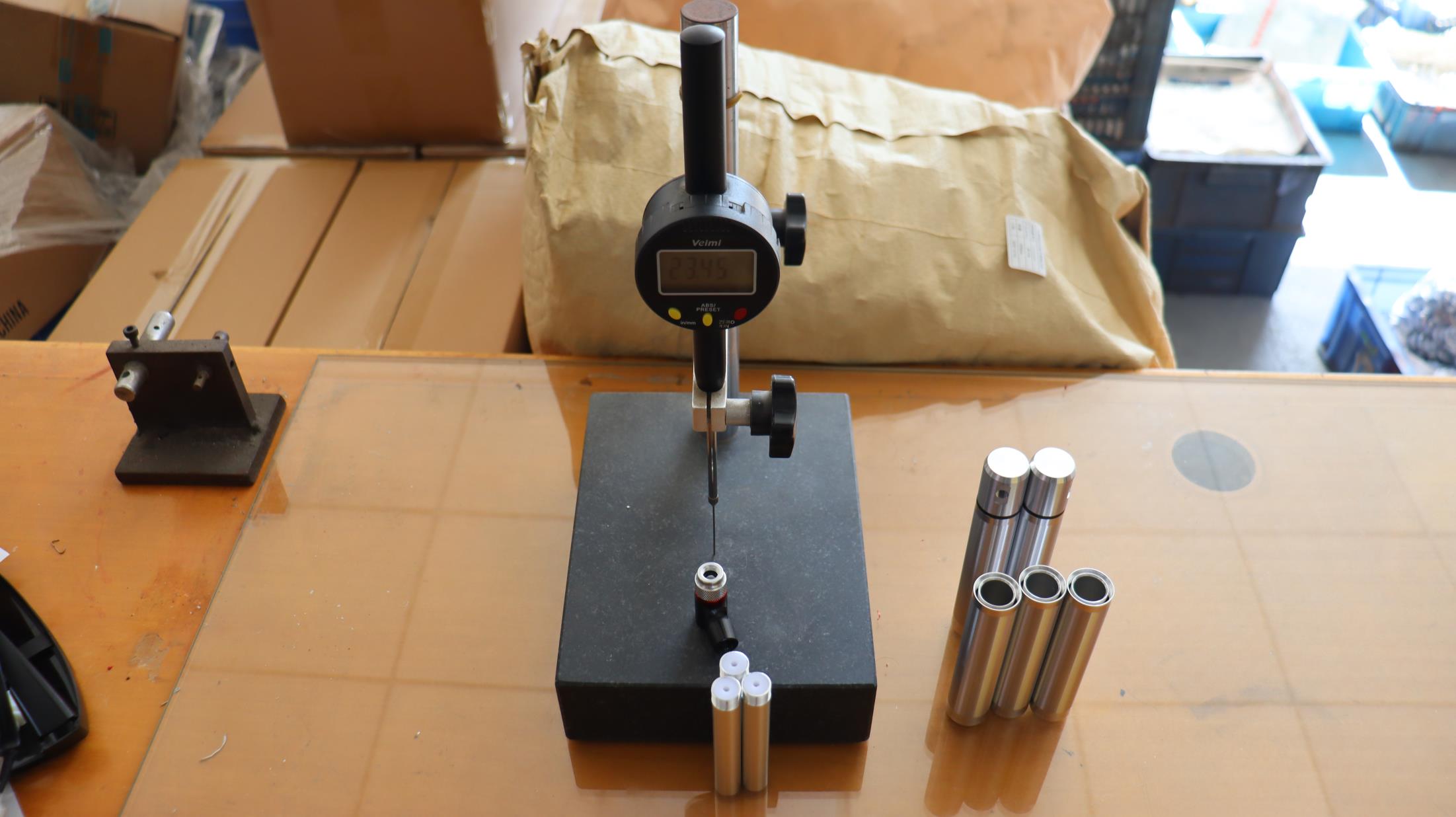
Our dedicated inspection facility features calibrate tensile machines testing mirror clamp snap-resistance up to 600N, alongside digital height gauges ensuring ball-socket diameters fit within ±0.05 mm tolerances. Audited onsite by Alibaba.com and independently assessed by TÜV Rheinland, we provide complete supply chain transparency.
Direct insights from our engineering and export team. For custom OEM quotes or technical drawings, reach us at [email protected].
Inquire NowAutomotive-grade blast-resistant glass and stainless steel lens substrates deliver true optical clarity without field curvature or chromatic aberration. Acrylic (PMMA) scratches easily during transit and cleaning, degrading reflectivity. High-end glass lenses can also receive anti-glare blue coatings, essential for night commuter safety.
We utilize continuous-fiber reinforced PA66 engineering nylon stems paired with precision ball-joint sockets torqued using stainless internal friction plates. Tensile and cyclic dynamic vibration tests verify that damping tension resists loosening while permitting tool-free angular adjustment.
Our bar-end expandable internal plugs accommodate handlebar inner diameters from 14.8 mm to 23 mm using stepped multi-tier silicone-nylon expansion wedges. Our external clamp brackets fit standard 21 mm to 26 mm handlebars, plus 31.8 mm oversized sections via interchangeable rubber shims.
We support precision fiber laser marking of logos on housings and stems, custom pantone-matched nylon injection molding, anti-glare hydrophobic mirror coatings, and branded retail packaging including clamshell blisters, printed tuck-boxes, and barcodes.
Ready-to-ship standard configurations require an MOQ of only 2 to 5 pieces. Custom laser-marked OEM production starts at 200 to 500 units, with tooling-level ODM modifications starting at 2,000 units. Standard production lead time is 15 to 25 business days.
Reach our engineering sales desk for factory pricing, sample kits, and OEM dielines within 24 hours.