Global Standard
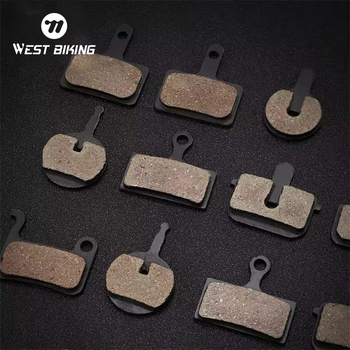
B-Series Wide Type Resin Brake Pads
Compatible with Shimano B01S, B03S, B05S-RX, MT200, M315, M355, M395, TX805, and Tektro Auriga calipers.
MOQ 3 pairsHigh Volume
Matches on this page are highlighted. No match? You will be taken to the full product catalog.
A comprehensive examination of friction matrix dynamics, rotor life optimization, and lever responsiveness across diverse riding environments.
In modern bicycle hydraulic and mechanical disc brake calipers, the interaction between the braking pad friction surface and the stainless steel rotor forms a critical micro-tribological contact zone. Resin disc brake pads, also universally recognized across international trade as organic brake pads, are composed of a complex composite matrix. Instead of powdered metallic grains fused together at extreme sintering temperatures, resin pads utilize high-purity thermo-hardened phenolic resins as a cohesive binding agent. Within this binder matrix, manufacturers suspend aramid or Kevlar structural fibers, ceramic reinforcement powders, lubricating mineral graphites, and fine non-ferrous soft metallic chips (such as copper or brass alloys).
For international bicycle brands, distributors, and aftermarket workshops, resin disc brake pads solve three major rider pain points that sintered metal pads exacerbate: vibrational acoustic resonance (brake squeal), harsh on-off lever response, and accelerated rotor track groove gouging. Because the elastic modulus of a cured phenolic-aramid compound is substantially lower than that of a sintered bronze block, resin brake pads conform rapidly to the microscopic striations of new brake rotors, offering an ultra-short bedding-in cycle and instantaneous bite from cold room temperatures up through sustained downhill braking.
Consolidate your bicycle brake inventory with proven compatibility profiles engineered for maximum market turnover and zero warranty friction.
Compatible with Shimano B01S, B03S, B05S-RX, MT200, M315, M355, M395, TX805, and Tektro Auriga calipers.
MOQ 3 pairsHigh Volume
Engineered for Shimano Flat-Mount Calipers: Dura-Ace R9200, Ultegra R8100, 105 R7100, and GRX RX810 series.
MOQ 5 pairsOEM Available
Compatible with Shimano Saint M820, Zee M640, XT M8120, MT520, and TRP 4-piston calipers.
MOQ 5 pairsReady Stock
Fits SRAM Level Ultimate, TLM, Force AXS, Rival AXS, and Avid Elixir disc brake caliper architectures.
MOQ 3 pairsCustom Laser
Tailored for Magura MT2, MT4, MT6, MT8, and Campagnolo hydraulic road disc caliper configurations.
MOQ 5 pairsWorkshop Bulk
Strategic purchasing managers are adjusting order configurations away from fragmented SKU sourcing toward integrated, high-specification friction programs.
With the rapid adoption of pedal-assist urban commuter bicycles and heavy cargo e-bikes (gross vehicle weights exceeding 180 kg), conventional lightweight resin pads degrade prematurely. Procurement heads are overwhelmingly seeking ceramic-infused reinforced resin compounds that provide whisper-quiet urban stopping power without thermal degradation during repeated stop-and-go junction stops.
Instead of purchasing isolated SKUs from disparate regional vendors, international brands now demand turnkey private-label sets. This includes customized double-blister retail packaging, barcode compliance for Amazon FBA and ERP retail systems, pre-installed stainless steel return leaf springs, and split cotter pins directly assembled in one unified PO.
Regulatory mandates across California (SB 346), Washington State, and the European Union are systematically ratcheting down permissible copper content in braking friction compounds to preserve aquatic ecosystems. Future-proof procurement teams are requiring low-copper (<5% wt) and copper-free organic friction formulations verified by verifiable lab spectrometry.
PAVI works directly with product line directors to formulate bespoke resin compounds, laser-engraved backing plates with proprietary lot numbers, and customized workshop bulk boxes of 25, 50, or 100 pairs for service networks.
How cutting-edge composite metallurgy, finite element thermodynamic modeling, and precision stamping redefine braking safety.
Historically, organic resin pads were bonded to simple Q235 stamped steel backplates. While steel provides rigidity, it acts as a thermal barrier, retaining heat inside the friction block and transferring excess temperatures into hydraulic mineral oil or DOT fluid, leading to lever squish and fluid boiling.
The technological frontier combines high-pressure stamped cold-rolled steel cores with extruded 6061-T6 aluminum cooling fin wings or composite multi-layer copper mesh interlayers. These hybrid backplates drop caliper peak operating temperatures by up to 35°C under continuous alpine descents, maintaining organic pad modulation without risking pad vapor lock.
By integrating chopped aramid pulp alongside sub-micron silica ceramic particles into the resin slurry, modern pads achieve superior tensile shear strength (>3.5 MPa) between the friction puck and the steel plate. This eradicates the risk of puck de-lamination under emergency panic stops, elevating safety thresholds well beyond the statutory requirements of EN ISO 4210-2 testing protocols.
Adhesive multi-layer elastomeric steel shims attached to pad backplates break harmonic acoustic transmission cycles, mitigating high-frequency 2,000–5,000 Hz brake squeaks even during damp morning riding.
Automated infrared heat-treating lines burn off residual organic binding volatiles at 400°C for 90 seconds prior to packaging, delivering a pre-bedded pad that requires practically zero break-in period for the end consumer.
CNC laser profiling maintains caliper retaining guide slot clearances to ±0.02 mm tolerances, preventing pad binding, sluggish return piston retraction, and uneven rotor drag.
From metallurgical raw material verification to multi-stage press calibration and tensile destructive testing, our operations reflect certified export discipline.
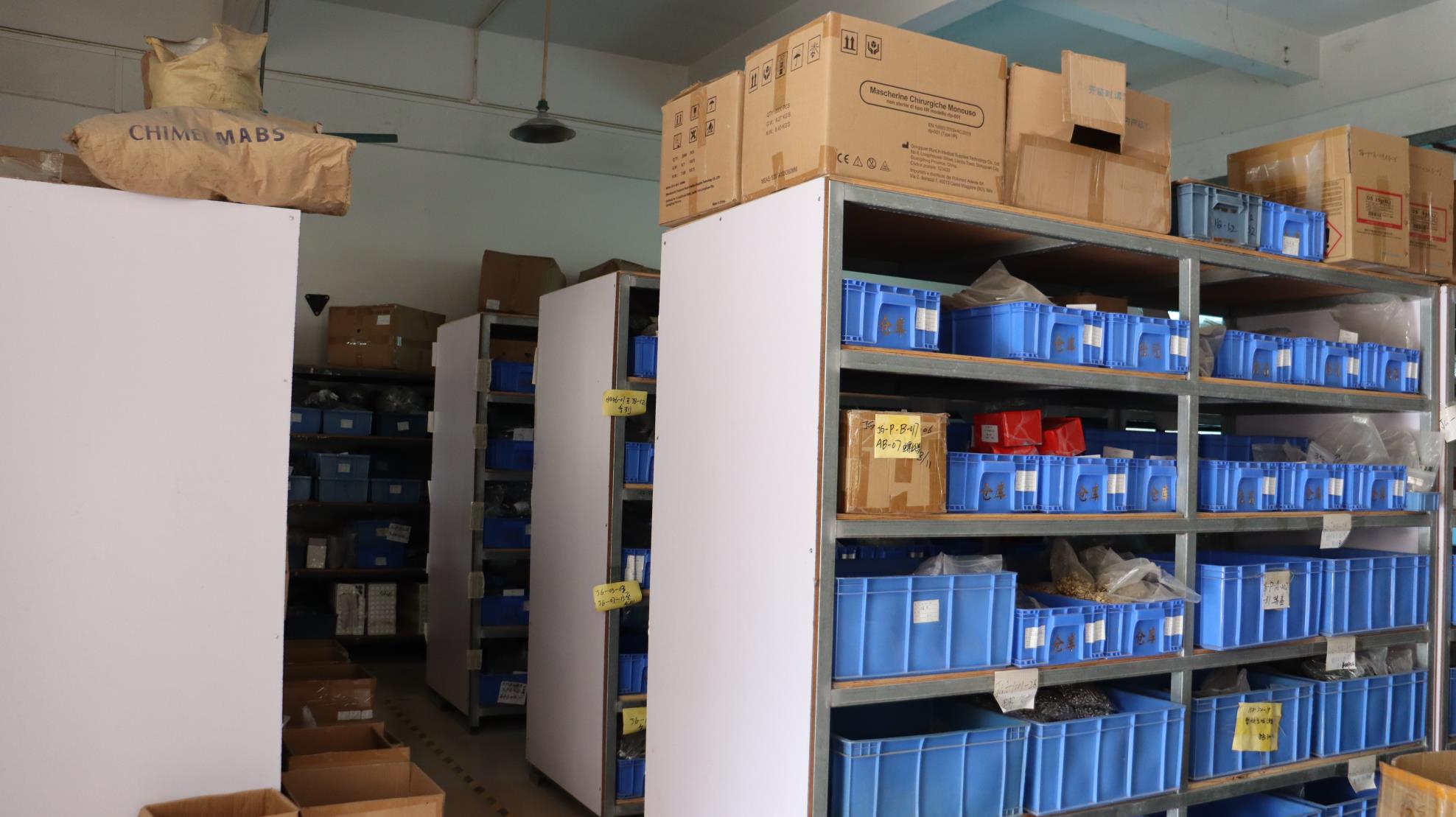
Granular phenolic binders, mineral lubricants, and composite aramid fibers are subjected to density spectral testing. Batch homogeneity is safeguarded via industrial rotating double-cone blenders before any pressing cycle begins.
Equipped with calibrated manual presses, automated hydraulic thermo-compression presses, folding machines, and high-precision drilling equipment to ensure accurate mounting holes and return spring locating tabs.
Utilizing dedicated Tensile Machines to execute destructive pad shear tests. The physical adhesion between friction material and backplate must comfortably exceed strict international cycling safety regulations.
Using digital contact Height Gauges and micrometer fixtures to measure overall pad thickness, backplate flat plane parallelism, and friction surface uniformity to within ±0.03 mm tolerances.
Trial orders from as few as 3 pairs for standard catalog lines, allowing aftermarket brands and shops to validate compatibility without excessive capital tie-up.
Consolidate your orders with bicycle pumps, LED smart lights, anti-theft locks, ergonomic saddles, bags, and pedals under a unified Bill of Lading.
Yiwu PAVI Technology Co., Ltd. has passed comprehensive Alibaba.com onsite checks and independent supplier assessment by TÜV Rheinland since 2015.
Full support for FOB, CIF, DDP, and door-to-door courier logistics with complete customs documentation, HS coding, and compliance certification.
Everything you need to know regarding resin disc brake pad formulations, caliper tolerance compatibility, bulk order private labeling, and global freight handling. Have a customized project? Contact our engineering team at [email protected].
Resin (organic) brake pads utilize an aramid/ceramic composite bound by thermosetting resins. They offer immediate initial bite without requiring heat warmup, virtually silent operation in dry conditions, and gentle interaction that preserves rotor life. Sintered (metallic) pads are made of copper/bronze powders fused under intense heat, providing extreme thermal fade resistance for wet, gritty downhill courses at the expense of squeal noise and rapid rotor wear. Semi-metallic pads represent a blend between the two.
Standard basic resin pads may experience accelerated wear on high-speed E-bikes due to the heavier vehicle mass. However, PAVI’s advanced e-bike rated resin compounds incorporate Kevlar and ceramic micro-particulates combined with thicker steel or finned aluminum backplates. This formulation safely handles the sustained thermal loading and repeated stopping requirements of 25–45 km/h electric bikes while preventing rotor glazing.
Pad glazing occurs when continuous extreme braking melts un-cured volatile binding resins, crystallizing the friction face into a slick, mirror-like surface with reduced braking bite. PAVI applies a factory thermal scorching process (pre-curing pads at 400°C) which combusts residual gases and volatile binders during production. This delivers consistent friction right out of the box and sharply curtails the onset of surface glazing.
For in-stock catalog models, our trial MOQ starts from just 3 to 5 pairs. For private-label programs including laser-etched logos, part numbering, and custom color backplates, our MOQ is typically 500 to 1,000 pairs per SKU. Custom printed blister packaging and workshop dispenser boxes have a production lead time of 15 to 25 working days following sample approval.
Backing plates are stamped from high-tensile cold-rolled steel sheets using calibrated precision dies. Post-stamping, plates are inspected using precision digital height gauges and granite surface reference plates to ensure that surface flatness deviations do not exceed ±0.03 mm. This eliminates uneven caliper piston push, sticky piston return, and persistent rotor rub.
Yes. As a verified multi-category cycling supplier established in 2015, PAVI facilitates one-stop multi-SKU consolidation. You can combine resin brake pads, bicycle electric pumps, smart tail lights, U-locks, folding locks, pedals, saddles, and apparel within a single order, simplifying international shipping documentation and minimizing port handling fees.
Connect with our technical sales engineers for caliper compatibility charts, compound samples, and OEM quotations.