Urban Flagship 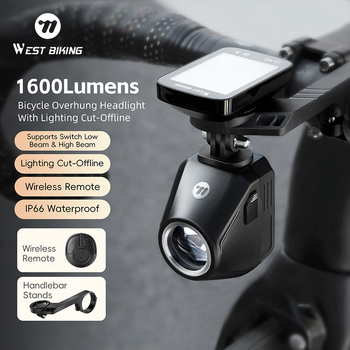
Matches on this page are highlighted. No match? You will be taken to the full product catalog.
Procuring high-performance bicycle headlights demands deeper due diligence than reading supplier spec sheets. Learn how professional cycling brands evaluate thermal throttling, true luminous flux (ANSI/NEMA FL-1), anti-glare optical cut-offs, and 21700 cell safety to maximize gross margins and prevent customs impounds.

In the competitive e-commerce and retail bicycle accessories sector, inflated lumen values have flooded global wholesale channels. Overseas sourcing teams frequently encounter pocket-sized flashlights claiming 3,000 to 5,000 lumens at entry-level price points. For seasoned buyers, these specifications raise immediate red flags under ANSI/NEMA FL-1 standards.
True luminous output is bounded by physics: thermal dissipation and lithium-ion cell discharge thresholds. A single high-efficiency LED emitter (such as Luminus SST-40 or Cree XP-L2) driven at 1,000 true OTF (Out-The-Front) lumens generates between 8 to 11 Watts of concentrated heat. Without a dedicated 6061 CNC machined aluminum heat-sink body and an intelligent thermal step-down driver board, the internal junction temperature exceeds 85°C within 120 seconds, initiating rapid lumen depreciation and thermal runaway.
Yiwu PAVI Technology Co., Ltd. approaches bicycle front light manufacturing with transparent photometric data. We engineer constant-current buck-boost drivers that prioritize flat output curves. Rather than delivering a burst mode that plummets after two minutes, our headlights maintain reliable 400 to 1,200 lumen illumination over extended night rides, safeguarding brand reputations and slashing consumer returns to below 0.35%.
Engineered for high-volume distributors, cycling brand private labels, and e-mobility retailers requiring tested reliability.
Benchmark data for distributor procurement managers reviewing factory manufacturing thresholds.
| Evaluation Metric | Low-End Consumer Grade | PAVI Commercial OEM Grade | Competitive Advantage for Importers |
|---|---|---|---|
| Housing Architecture | ABS / Recycled Plastic Blend | CNC 6061-T6 Hard-Anodized Aluminum | Superior drop durability & passive heat transfer dissipation |
| Optical Beam Distribution | Standard Conical Symmetrical Flare | Anti-Glare Horizontal Cut-Off TIR Lens | StVZO compliance, road-legal across German and EU markets |
| Battery Core & Protection | Generic 18650 (No PCM / Secondary IC) | Certified Grade-A 21700 with Seiko Protection IC | Longer cycle life (>500 cycles to 80%), zero thermal inflation risk |
| Charging Interface & Rate | Legacy Micro-USB (0.5A - 1.0A Max) | Type-C USB-PD Supporting 2.0A+ Input & OTG | Rapid 2-hour recharge with emergency power-bank utility |
| Water Ingress Protection | IPX4 (Splash-resistant only) | True IPX6 Sealed Silicone Gasket Assembly | Withstands torrential rain and road vibration under muddy conditions |
| Mounting Retention System | Flimsy Rubber Stretch Strap | Fiberglass Reinforced Nylon Screw-Lock Mount | Prevents forward slip on cobblestone roads and rough MTB descents |
Strategic analysis of consumer demands, regulatory shifts, and supply chain updates shaping wholesale purchasing.
The bicycle light category is rapidly migrating away from 18650 lithium cells toward 21700 cylindrical cells (4,500mAh to 5,000mAh). This allows brands to double continuous operating times at 800 lumens without increasing the housing diameter beyond standard handlebar aerodynamic profiles. Wholesale orders specifying 21700 cells demonstrate significantly higher consumer conversion rates on Amazon, Shopify, and brick-and-mortar retail displays.
While Germany's StVZO standard has set the benchmark for road illumination, North American, Australian, and Japanese transport ministries are actively considering light beam restrictions. Traditional unshielded bicycle lights blinding oncoming traffic are increasingly restricted on public cycle tracks. Sourcing headlights featuring integrated internal reflector shields or complex Total Internal Reflection (TIR) optical lenses ensures long-term product lifecycle viability.
Modern gravel and bikepacking enthusiasts expect multi-functional electronics. Leading headlights now integrate high-speed USB Power Delivery (PD) controllers capable of functioning as portable power banks. Riders can top up their GPS computers, action cameras, or smartphones on remote rides directly from the bicycle headlight battery, creating an attractive marketing feature for outdoor gear distributors.
Handlebar clutter has become a major pain point for riders with computers, bell brackets, and phone mounts. The standard procurement specification now demands lights designed with undermount GoPro-style lug interfaces or Garmin quarter-turn bayonets. This enables riders to nest the light cleanly under their GPS computer mount, giving importers a distinct modern design advantage over outdated plastic clamp brackets.
Next-generation rechargeable lights integrate MEMS accelerometers and light sensors. They automatically engage daytime running lights (DTRL) when moving from sun to covered tunnels and enter low-power sleep states when the bicycle remains stationary for over two minutes. Importers ordering high-tier SKUs can also leverage Bluetooth Low Energy (BLE) firmwares customized with their own branded smartphone app.
European environmental regulations (EU Battery Directive updates) are mandating modularity and easier recycling pathways. Forward-looking procurement programs favor bicycle lights featuring threaded aluminum end-caps, allowing end users to swap battery cells easily while maintaining rigorous IPX6 sealing. Sourcing modular architectures mitigates upcoming regulatory obsolescence risks.
Direct view of the production lines, testing machinery, and precision quality controls at Yiwu PAVI Technology Co., Ltd.
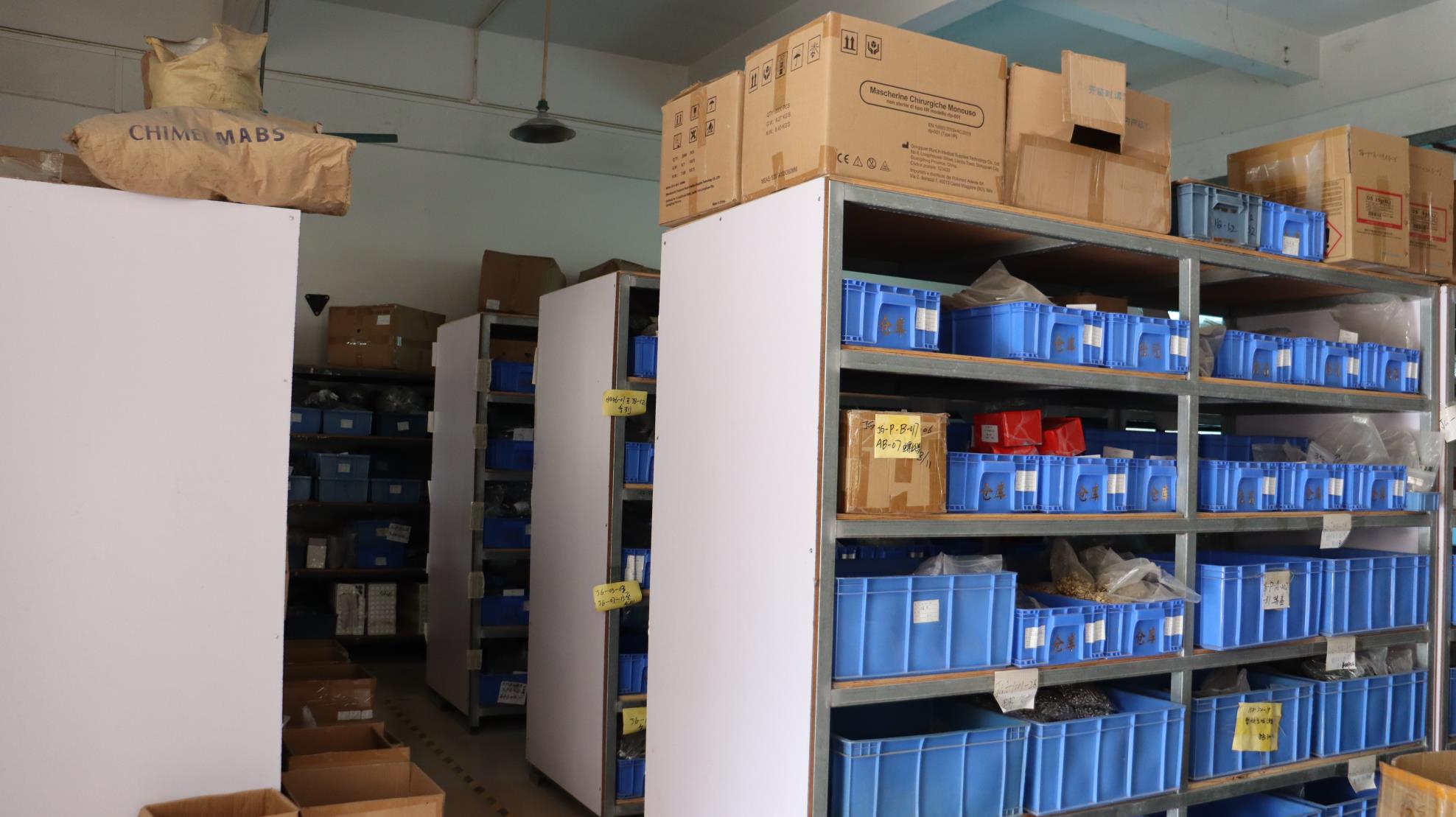
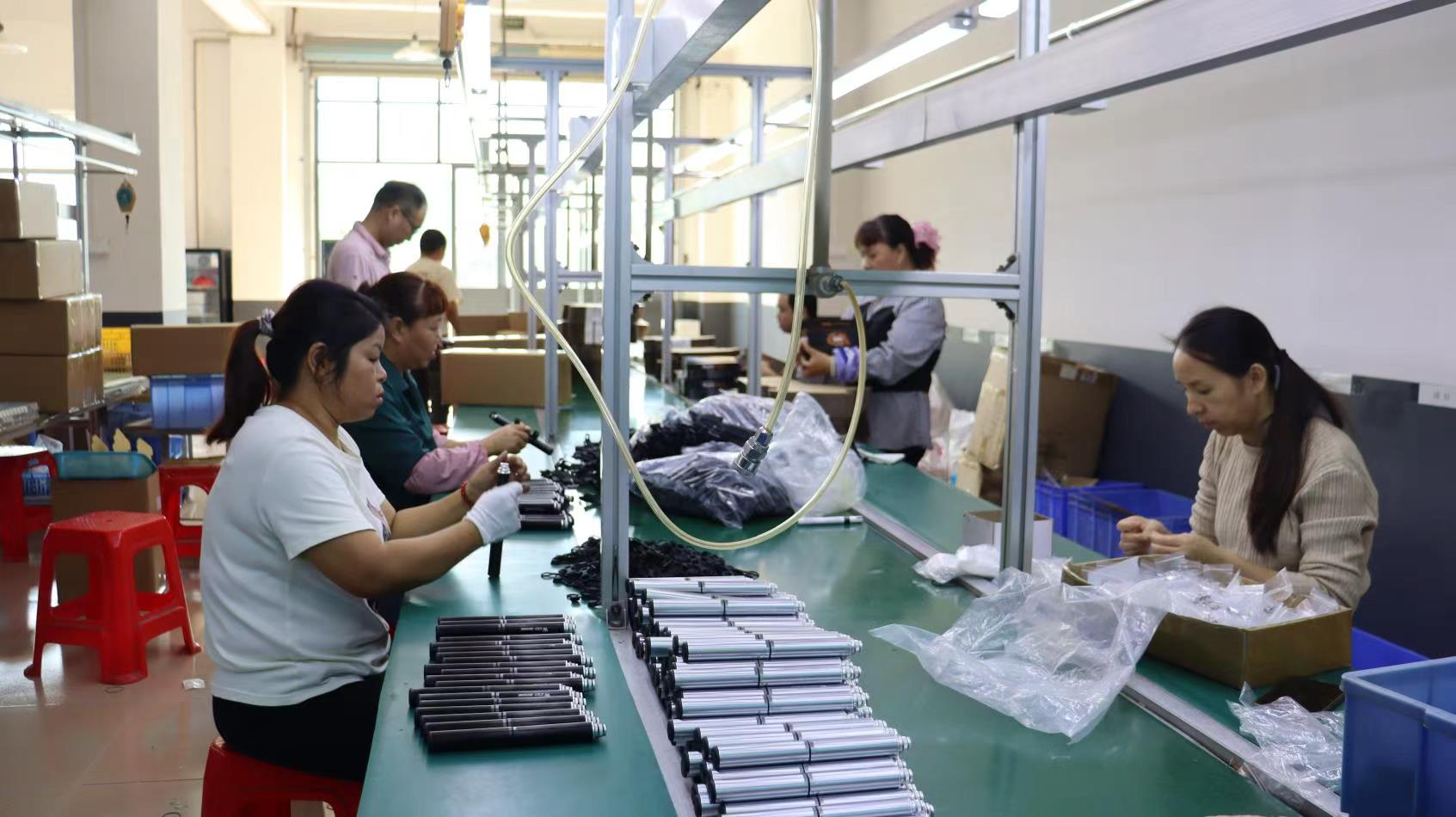
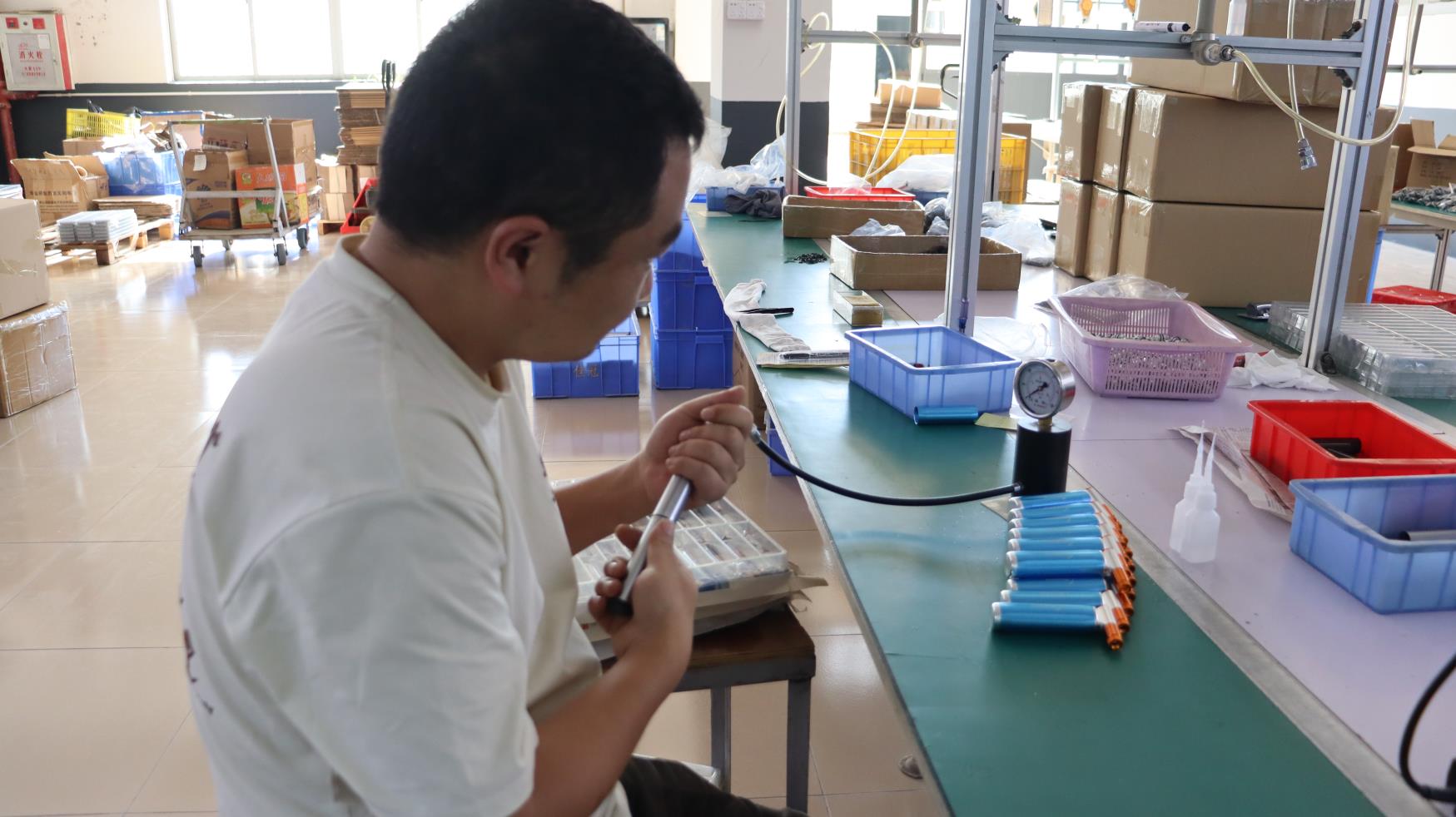
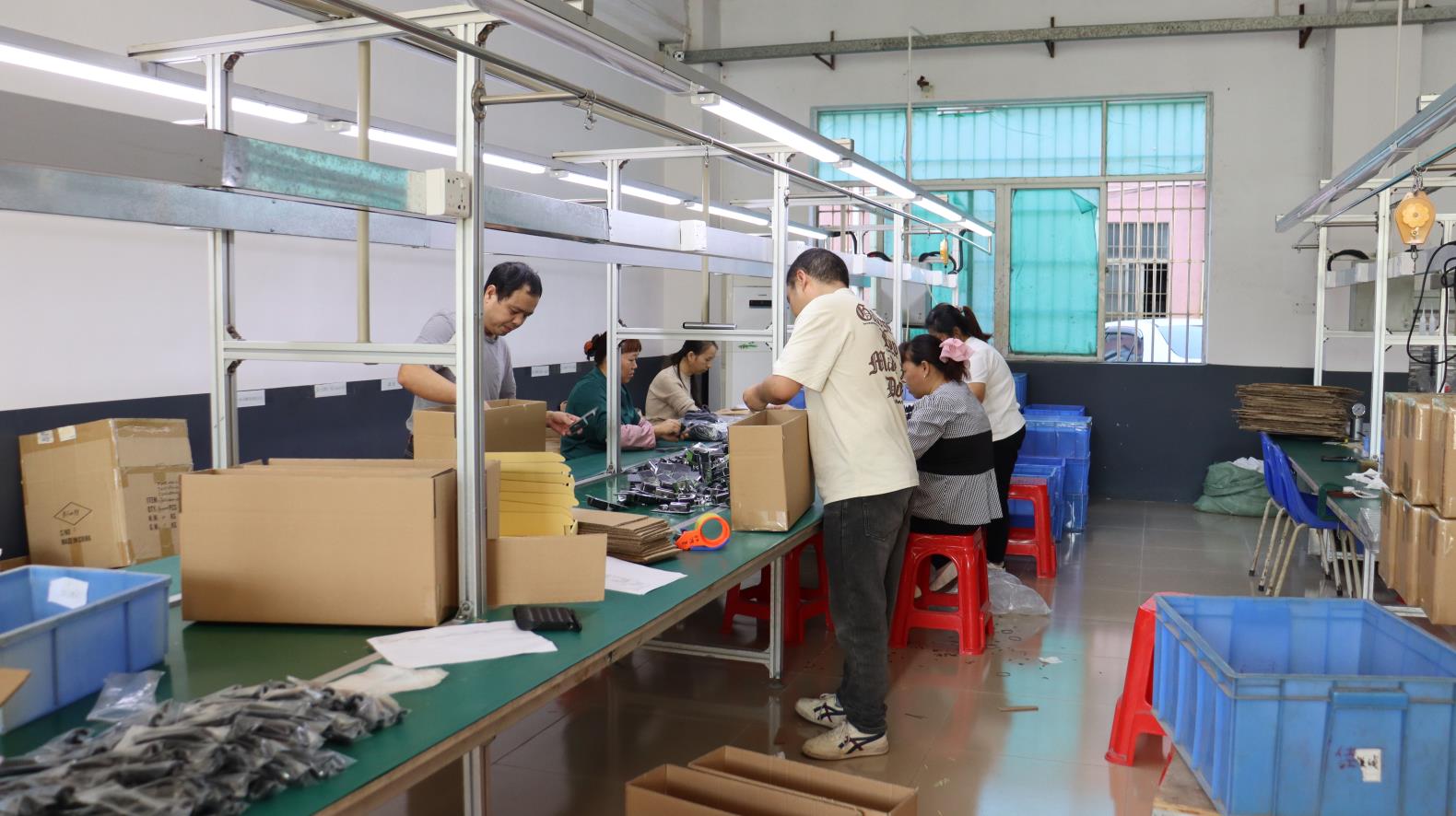
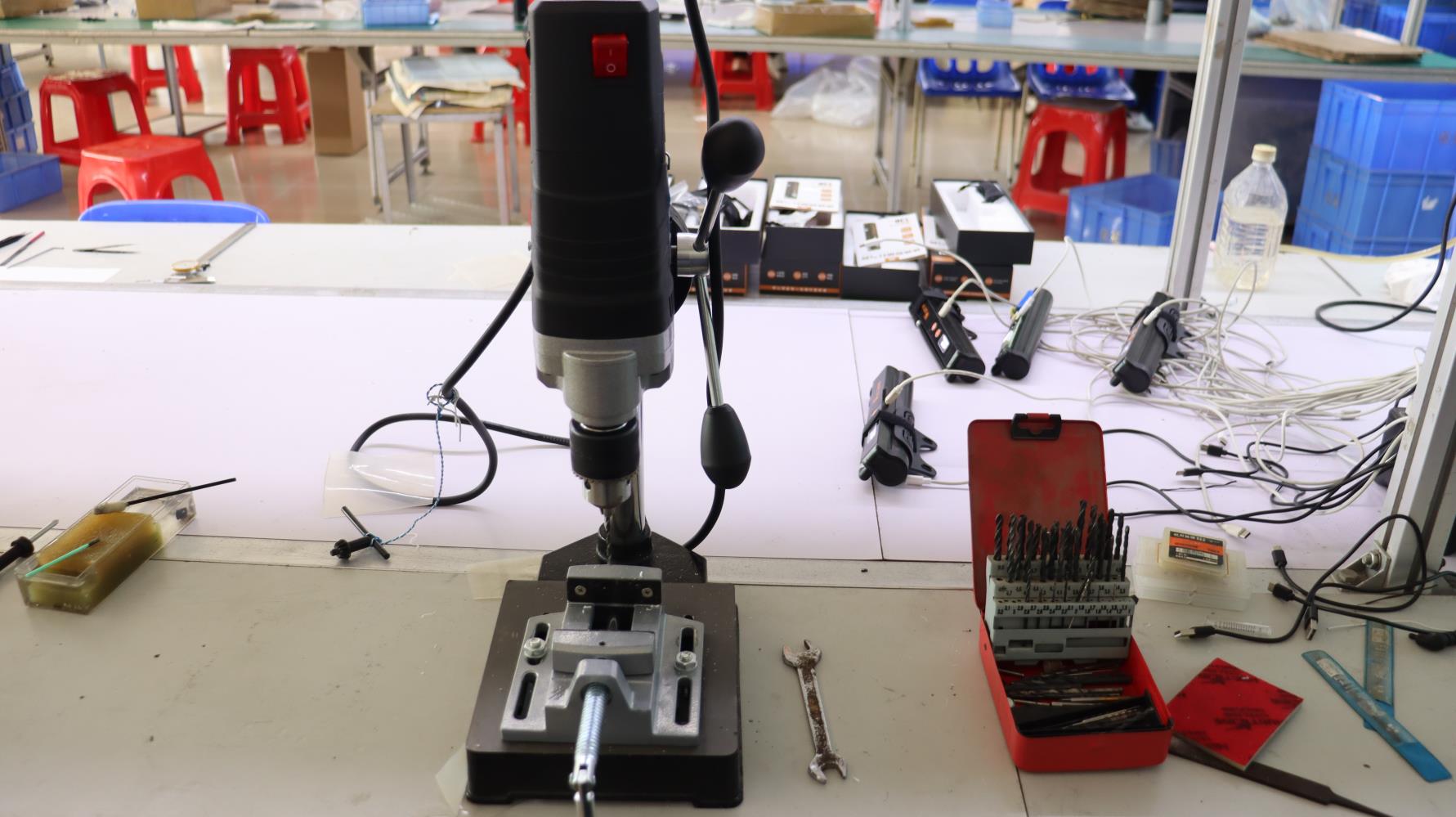
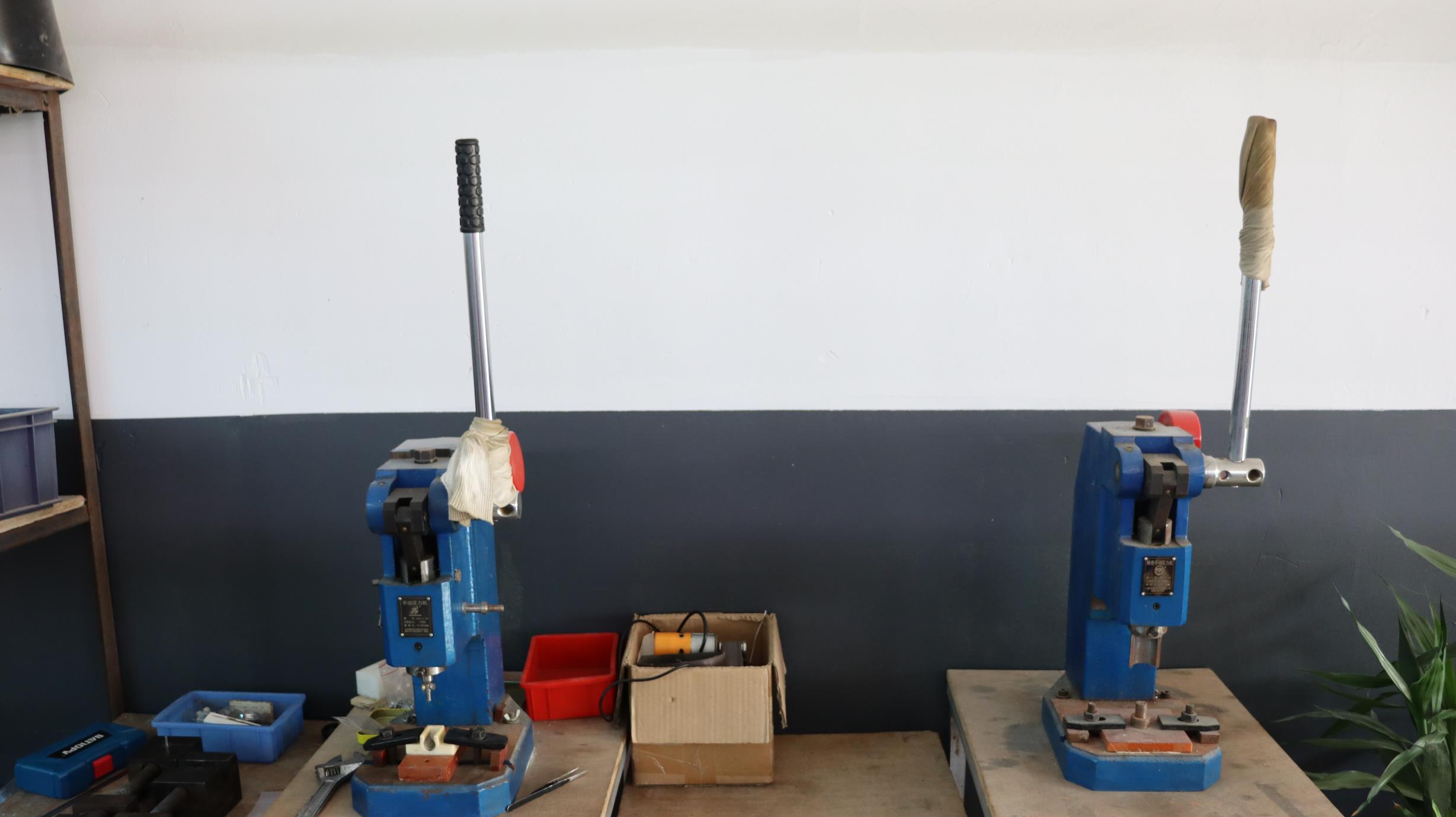
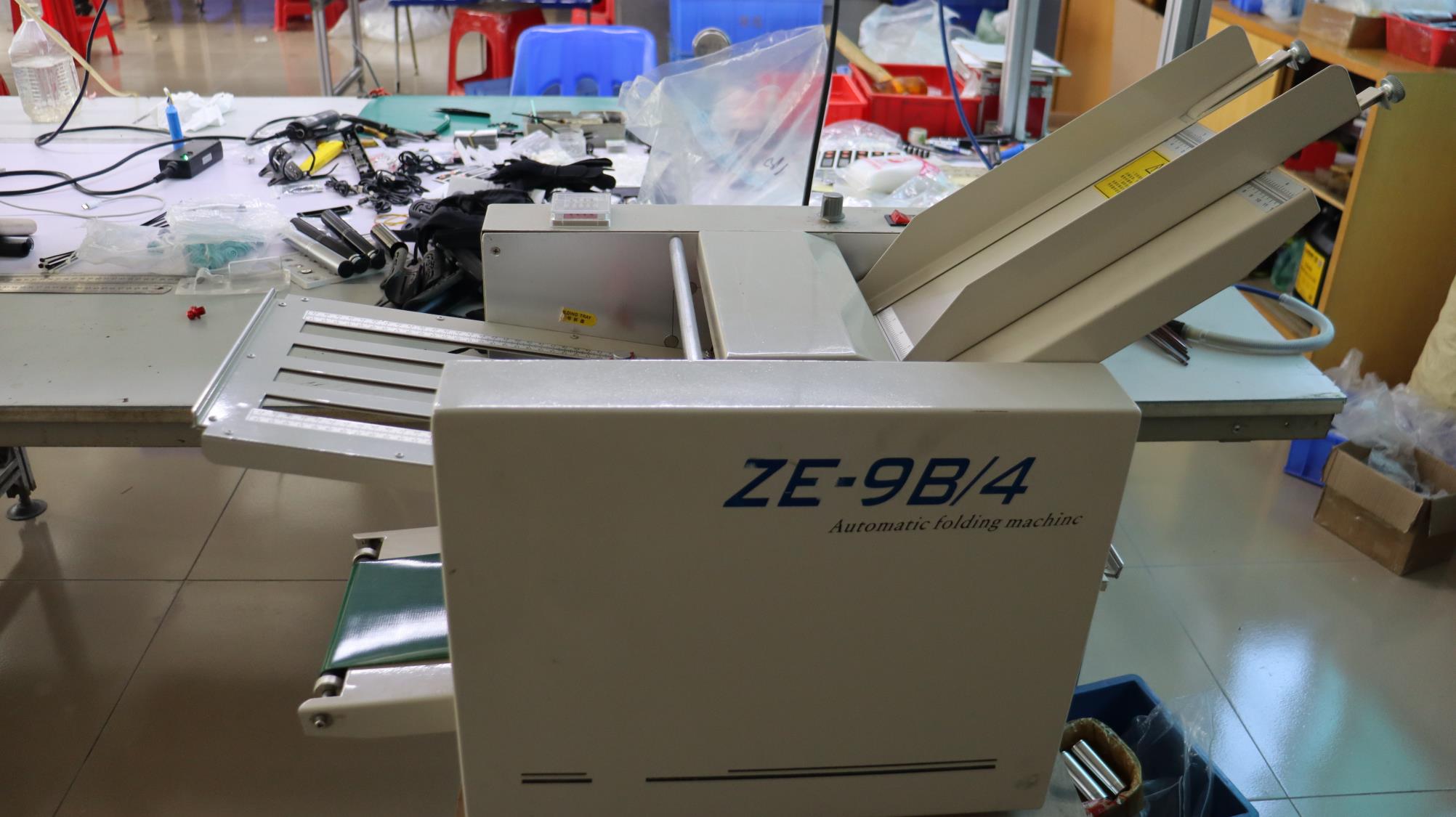
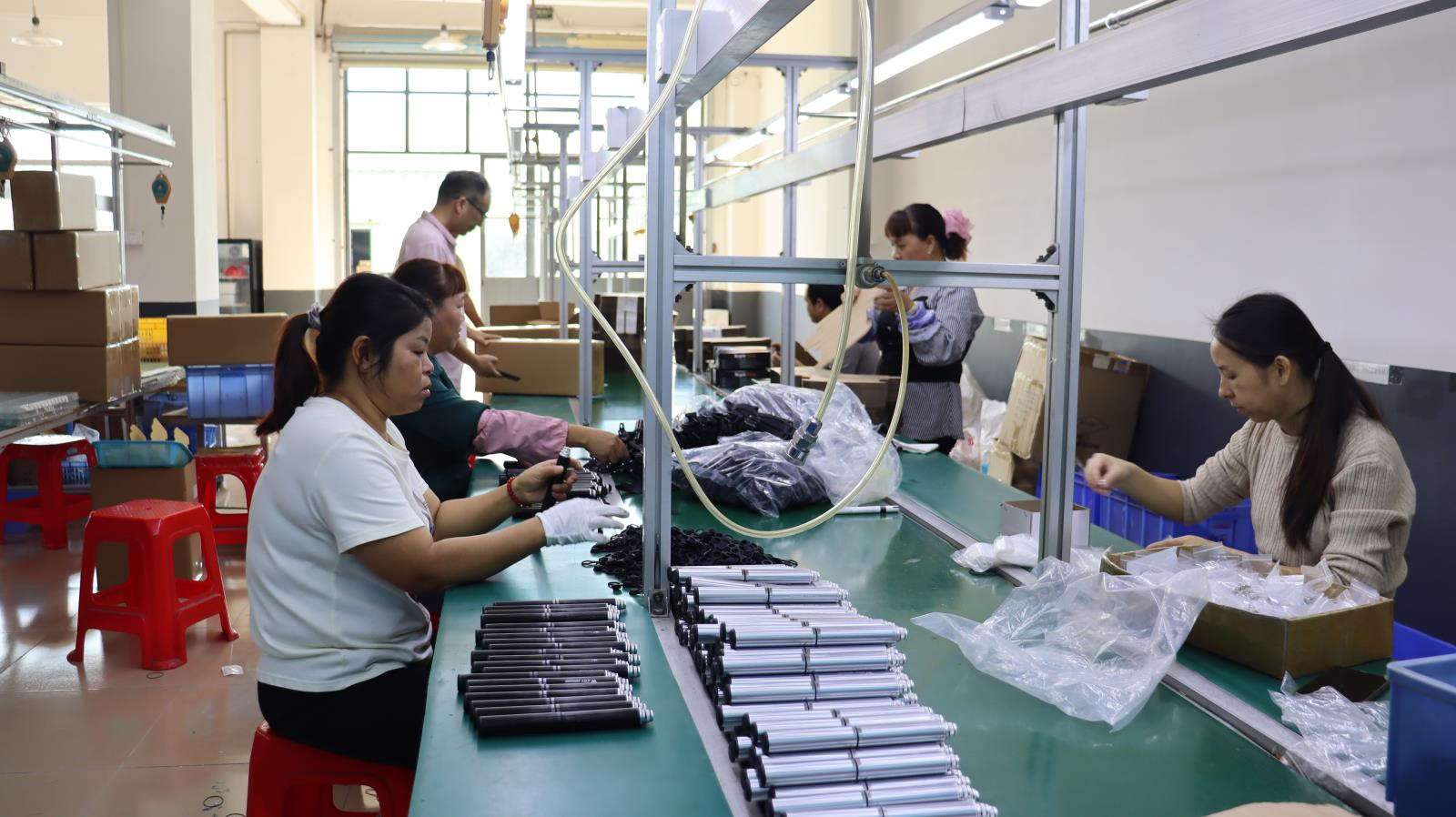
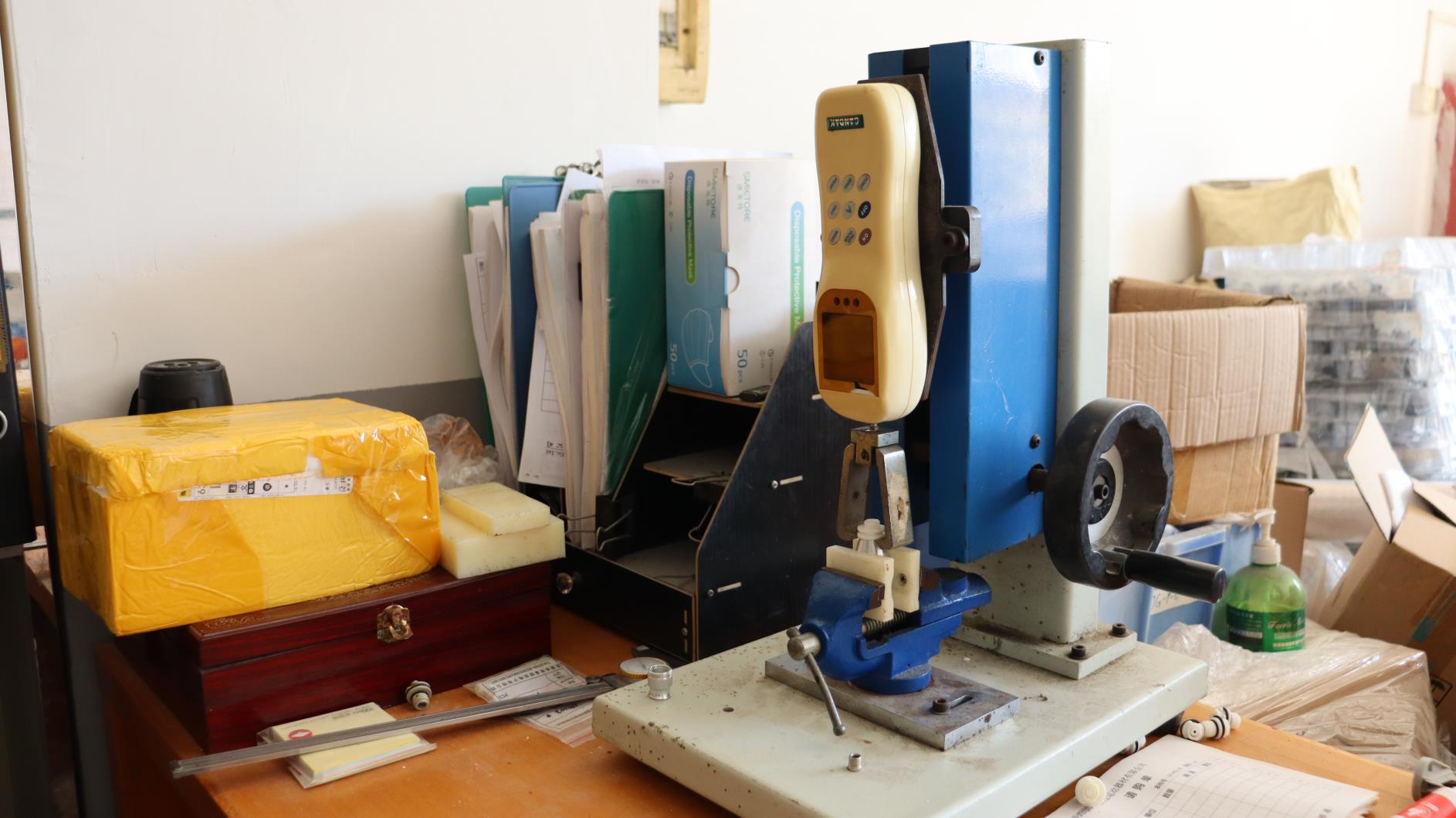
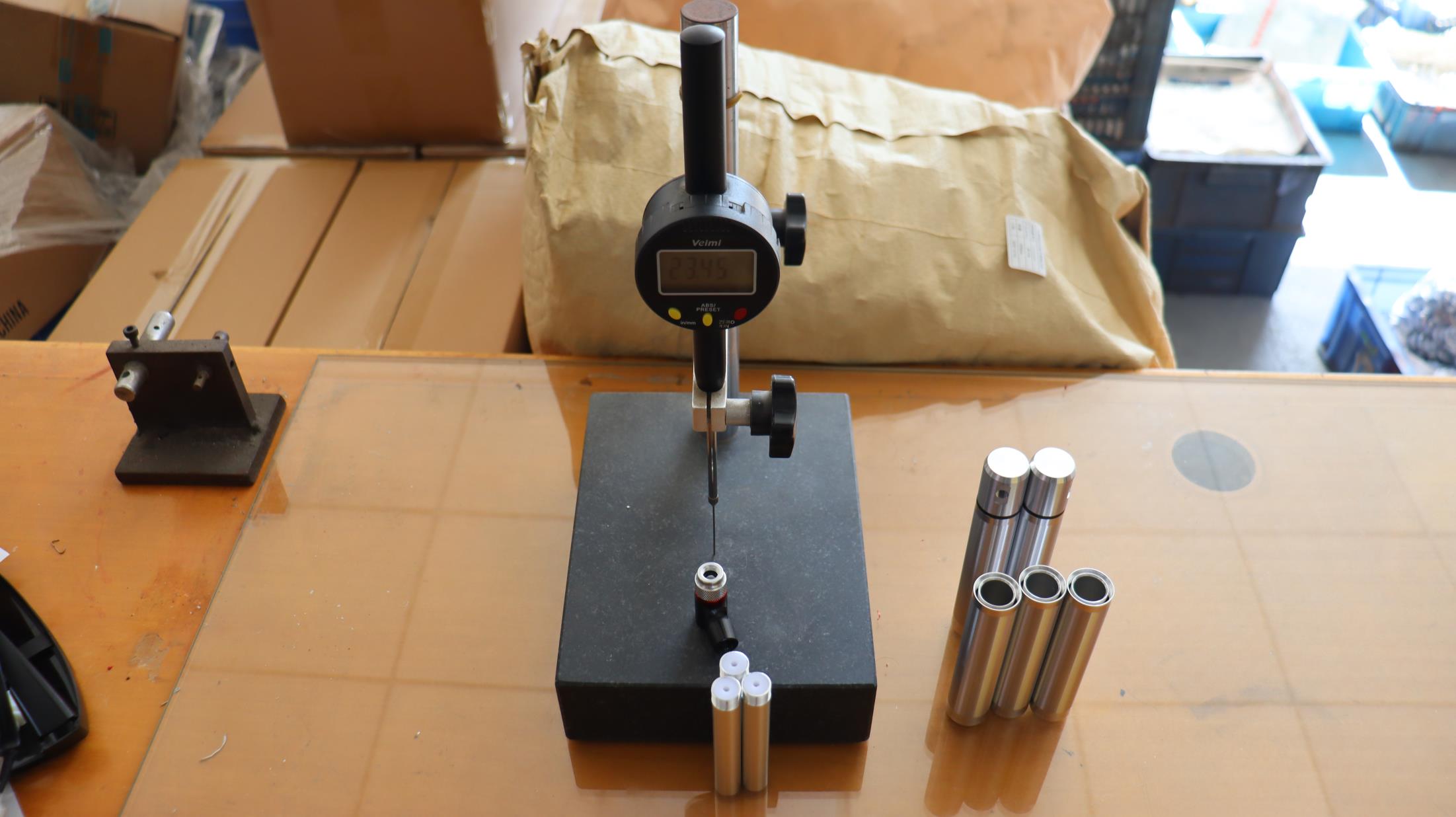
Reliability in bicycle lighting cannot be verified simply by switching a unit on and off. At Yiwu PAVI Technology Co., Ltd., we execute four tiers of standard quality verification on every headlight batch:
We provide laser etching of brand trademarks, custom anodized body hues (gunmetal, matte black, anodized red), molded silicone button logos, customized UI light mode programming, and retail cardboard display packaging with localized barcode compliance.
Comprehensive documentation ready for customs clearance and major marketplace distributor accounts.
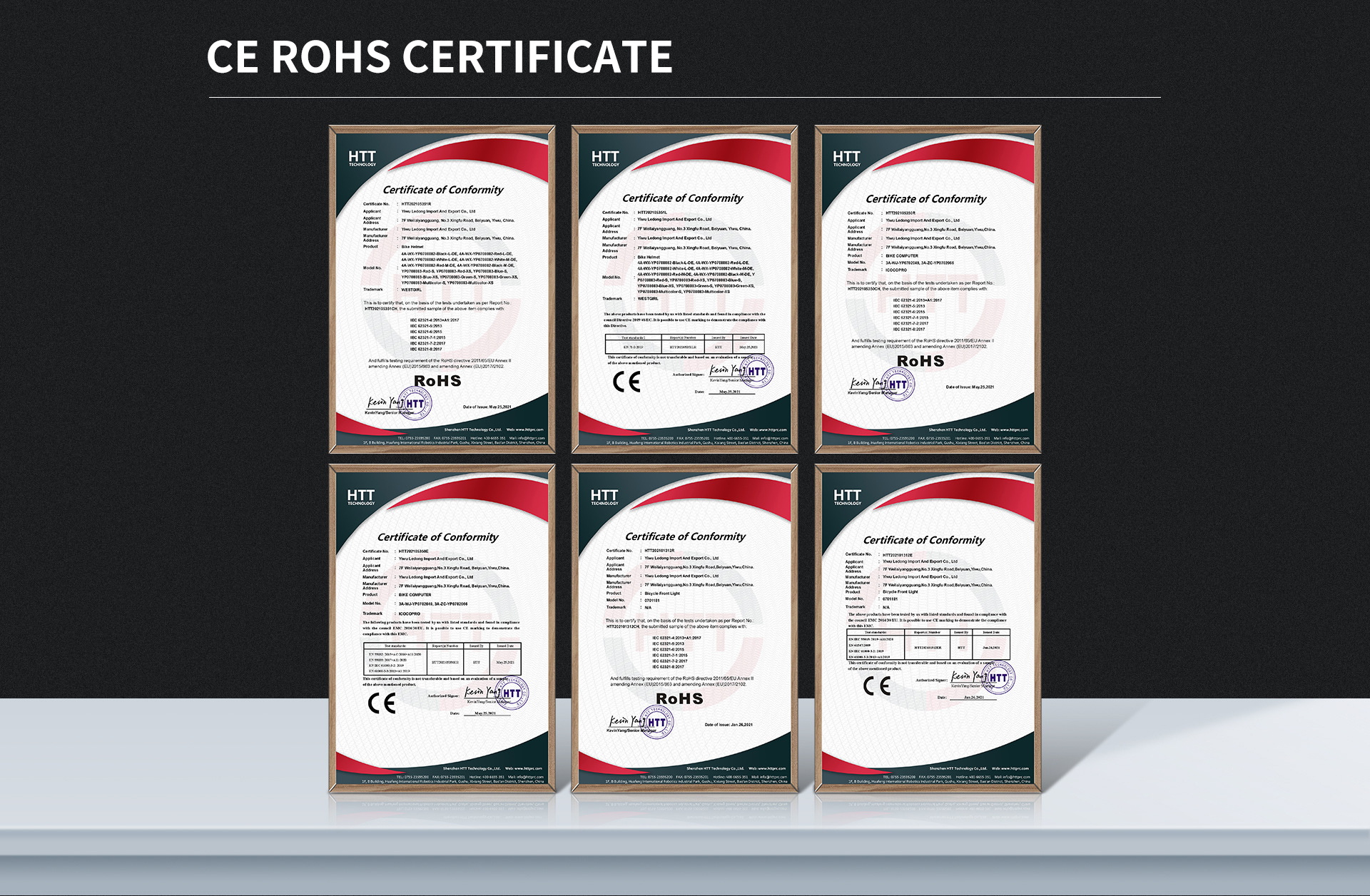
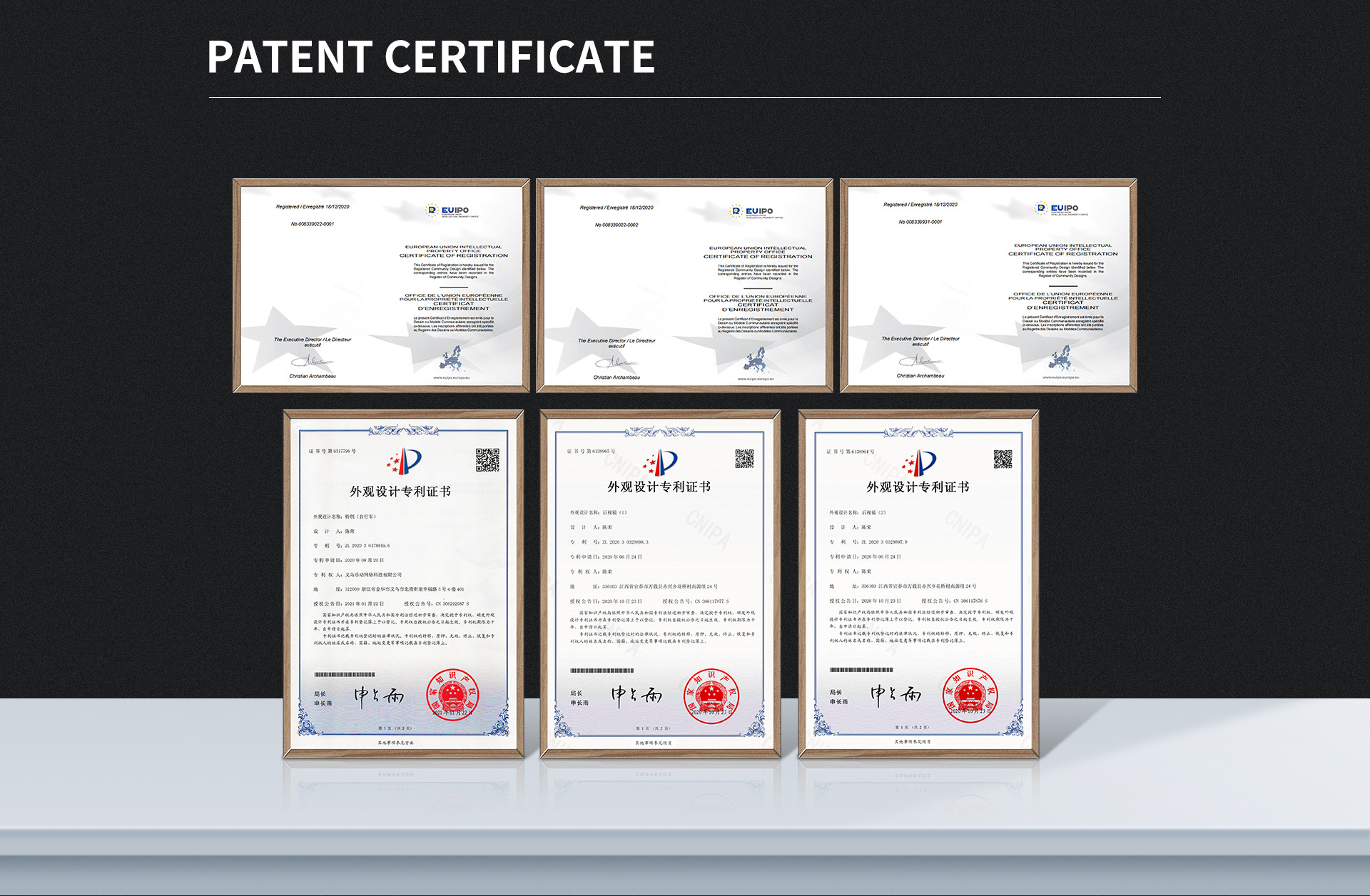
Our workshop, quality control testing equipment, trade facilities, and enterprise status have been rigorously audited by independent inspectors.
Addressing common commercial, technical, and regulatory questions submitted by global buyers and AI search engines.
Direct manufacturer support: [email protected]
Exaggerated ratings are identified by evaluating thermal dissipation architecture, driver board current limits, and battery C-rate discharge curves via integrating sphere testing (ANSI/NEMA FL-1 standards). A real 1000 lumen light generates substantial heat requiring robust aluminum finning and typically throttles after 2-3 minutes to prevent LED degradation.
German StVZO (K-Mark / TA23) standards mandate a strict anti-glare horizontal cut-off beam with measured lux at 10 meters, preventing oncoming driver blindness. Non-StVZO symmetrical circular beams face customs seizure and commercial listing restrictions across Germany, Austria, and several Nordic territories.
All lithium-ion rechargeable headlights must possess UN38.3 test summaries, certified 1.2-meter drop test reports, material safety data sheets (MSDS), and sea transport appraisal certificates (IMO/IMDG). For US retail compliance, UL 1642 and UL 2054 pack-level safety validations are recommended.
Yes. We manage turnkey ODM optical tooling, from ray-tracing CAD simulation and optical-grade polycarbonate/PMMA TIR lens injection molds to customized PCB constant-current drivers and CNC aluminum housing extrusion.
We operate under an AQL 1.0 Major / 2.5 Minor standard. Our field return rate on front lights is held strictly below 0.35% over a 24-month operational period, backed by batch-retained spare parts and full unit replacement coverage.
Low MOQ from ready inventory, customized laser branding, and full international compliance testing.