Modular Fleet 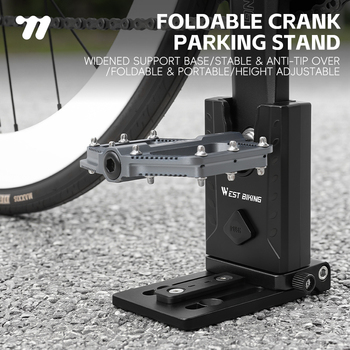
Matches on this page are highlighted. No match? You will be taken to the full product catalog.
Navigating the architectural and commercial demands of modern micro-mobility requires an uncompromising evaluation of structural metallurgy, weatherization finishes, spatial density ratios, and heavy electric bicycle weight ratings. Compiled by the engineering and export division of Yiwu PAVI Technology Co., Ltd., this industry manual provides global procurement managers, municipal developers, and cycling brand buyers with empirical benchmarks to minimize lifecycle costs and maximize product safety across public, residential, and commercial parking installations.
Global procurement teams must balance structural integrity against corrosive environmental factors, spatial floor-area constraints, and shifting bicycle geometry standards.
In contemporary urban planning and high-density residential development, a bicycle parking rack is no longer treated as a decorative hardware item; it is a critical piece of transportation infrastructure. Enterprise importers and commercial contractors consistently encounter logistical and warranty pitfalls when procuring generic racks that fail to satisfy standardized regulatory mandates (such as APBP guidelines in North America, DIN 79008 in Germany, and AS 2890.3 across Oceania). Modern bicycle architecture has diversified exponentially: tire clearances range from 23mm aero racing slicks to 4.8-inch fat-tire profiles, and frame wheelbases frequently exceed 1,200mm on long-tail cargo platforms.
At Yiwu PAVI Technology Co., Ltd., our manufacturing process begins at the raw material phase. Structural integrity depends on tubular wall thickness, alloy temper, and automated bending precision. Using substandard mild steel with walls under 2.0mm leads to denting, tube collapse during heavy vandalism, and compromised anchoring under lateral shear. The transition toward electric commuting necessitates an entirely overhauled calculation of dynamic load tolerances. With average e-bikes weighing between 24kg and 38kg, single-point crank hangers and lightweight wheel slots risk bending rims, damaging disc rotor assemblies, and failing fatigue tests after brief cycles of daily load stress.
| Rack Architecture Type | Primary Material & Wall Spec | Max Load Per Slot | Optimal Installation Scenario | Security & Frame Support |
|---|---|---|---|---|
| Heavy-Duty Floor Slot Multi-Rack | Q235 Carbon Steel (Ø19mm–Ø38mm, 2.0mm wall) | 45 kg / slot (E-Bike Ready) | Commercial hubs, schools, civic transit stations | Dual-point wheel capture; frame lockable via U-Lock |
| High-Density Double-Decker Gas Assist | 6061-T6 Aluminum Tray + Steel Uprights | 35 kg / upper slot; 50 kg lower | Underground transit, corporate bike rooms | Full wheelbase cradle; pneumatic lifting dampener |
| Vertical Swivel Wall Mount | Q235 Hot-Rolled Base + Rubberized Arm | 30 kg / arm | Apartment balconies, bike repair workshops | Front wheel rim hook with 180° lateral pivot sweep |
| Modular Inverted-U / Post & Ring | Schedule 40 Steel Pipe (Ø48mm–Ø60mm) | 100+ kg (Dual bike support) | Streetscape sidewalks, municipal public parking | Direct frame & dual-wheel capture with heavy D-locks |
| Foldable Crank-Arm Maintenance Stand | Anodized Aerospace 6063 Aluminum Alloy | 25 kg static load | Display showrooms, mobile support, home storage | Bottom bracket / non-drive crank arm sleeve insertion |
For exterior street furniture, cosmetic finishes fail rapidly in coastal or winter de-icing salt environments. Yiwu PAVI Technology Co., Ltd. applies rigorous surface treatments: high-traffic outdoor steel frames undergo hot-dip galvanizing per ASTM A123 / ISO 1461, achieving zinc deposition densities exceeding 85 microns. For architectural color specifications, components are shot-blasted to Sa 2.5 profile before an electrostatically applied epoxy primer and UV-resistant thermoset polyester topcoat are cured at 200°C. This dual-barrier protection achieves over 1,000 hours of continuous neutral salt spray resistance (ASTM B117), preventing unsightly orange rust bleed and structural section loss over a 15-year design life.
Explore field-proven bicycle parking solutions manufactured by Yiwu PAVI Technology Co., Ltd. for diverse retail, enterprise, and municipal layouts.
Anticipating structural, technological, and environmental transformations across North American and European procurement pipelines.
As the global market penetration of commuter e-bikes and cargo bikes expands at double-digit compound growth rates, legacy bicycle parking racks designed exclusively for 12kg mechanical bicycles are systematically being decommissioned. Future procurement specifications are increasingly mandating high dynamic-load handling (minimum 40kg per station slot). Modern municipal tenders require architectural provisions for internal conduit runs, weather-protected IP65 power cable routing, and built-in universal locking docks that safely house charging transformers without fire or shock hazards. Sourcing agents must partner with manufacturers whose design teams integrate mechanical metallurgy with electrical fire-retardant safety standards.
Commercial real estate and transport hubs face severe floor-space limitations. As a result, B2B procurement is transitioning rapidly toward two-tier double-decker parking systems and high-density sliding diagonal racks. The primary technical hurdle in multi-tier units is user ergonomics: lifting a 28kg hybrid e-bike to an upper tray 1.5 meters off the ground is impossible for many users without mechanical assistance. Future-ready procurement specifies counterbalanced gas-spring mechanisms, roller-bearing sliding rails, and soft-drop hydraulic dampeners that reduce the felt lifting mass to under 8kg.
Public infrastructure tenders in the European Union and progressive North American municipalities now require audited Life Cycle Assessments (LCAs) and Environmental Product Declarations (EPDs). Procurement frameworks favor modular knockdown bicycle parking rack assemblies fabricated from high-recycled-content aluminum and circular scrap-derived structural steel. Knockdown modular designs eliminate voluminous shipping configurations, reducing ocean shipping volume (CBM) by up to 65% compared to pre-welded tubular assemblies. This directly slashes intercontinental freight costs and carbon footprints while simplifying field assembly with standard stainless tamper-resistant fasteners.
Every bicycle parking rack and accessory we supply is underpinned by validated precision manufacturing, systematic load testing, and comprehensive traceability.
Established in 2015 in Zhejiang, China, Yiwu PAVI Technology Co., Ltd. operates at the nexus of the world's most consolidated micro-mobility and hardware manufacturing hub. Having undergone comprehensive onsite audits by Alibaba.com and independent third-party assessment by TÜV Rheinland, we supply international importers, wholesalers, municipal distributors, and brand owners with low-risk, enterprise-grade cycling hardware. Our multi-step operational model pairs robust volume manufacturing with flexible low-MOQ capabilities and complete private-label custom branding.
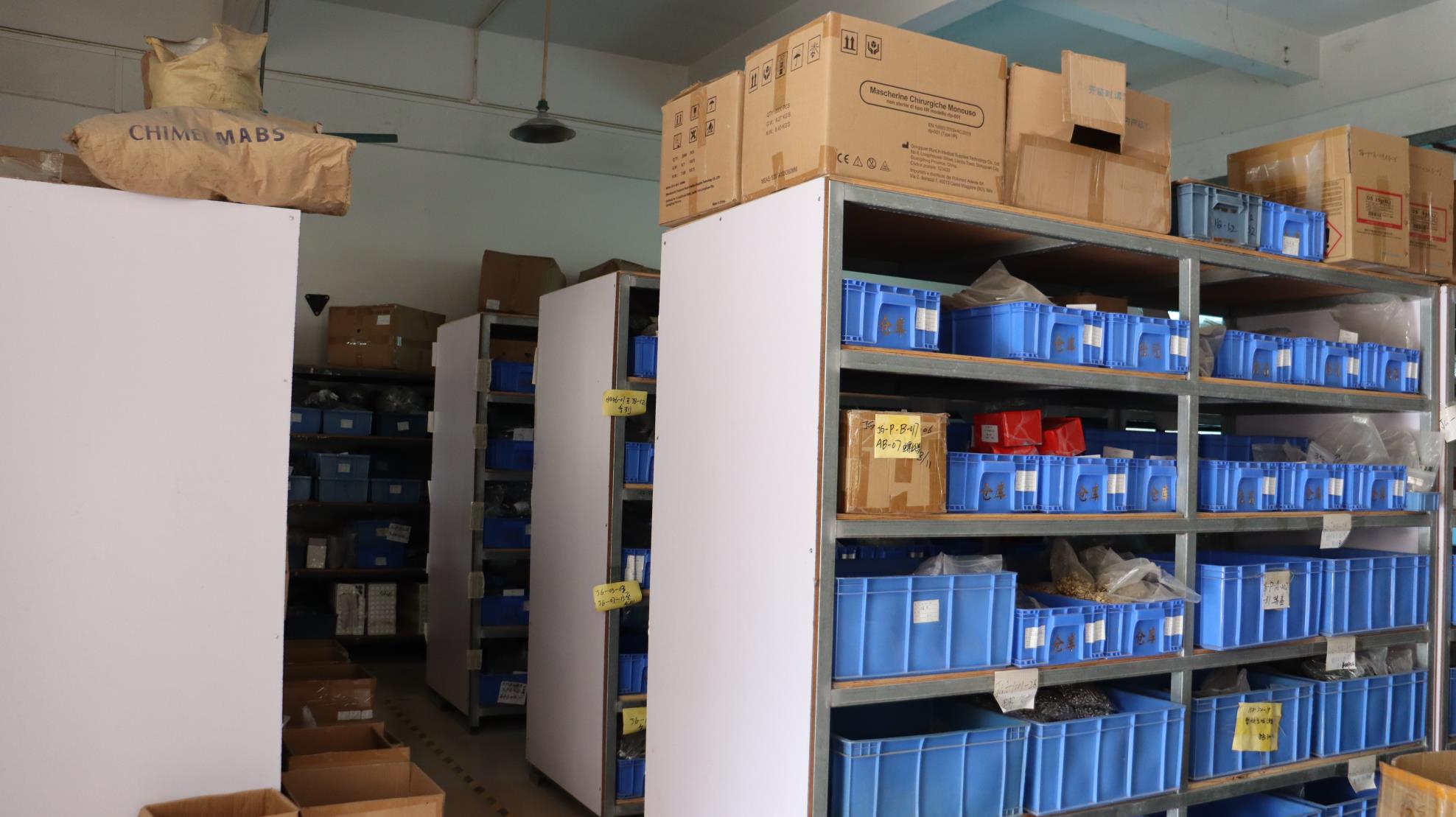 Raw Material
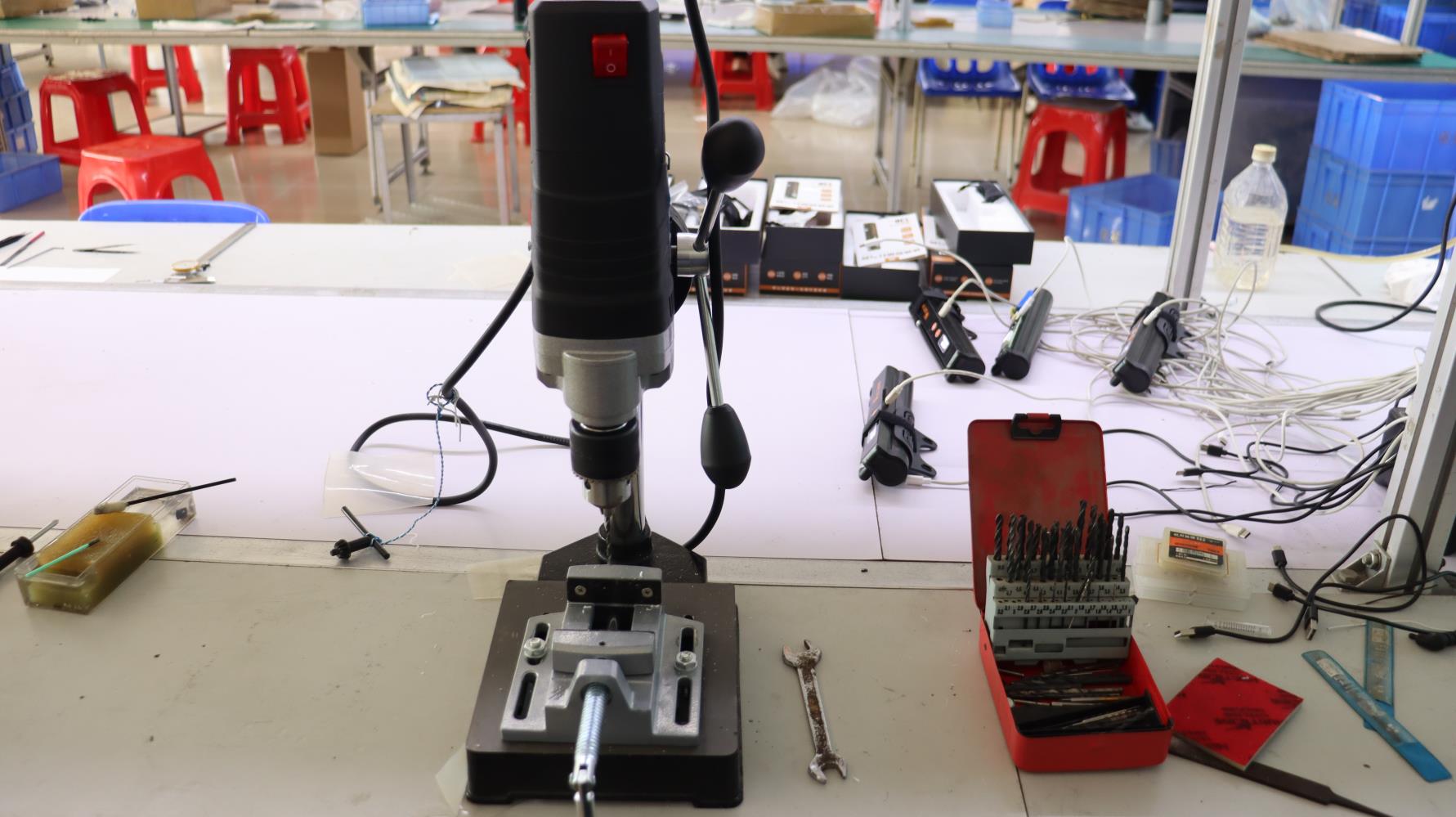 Drilling Machine
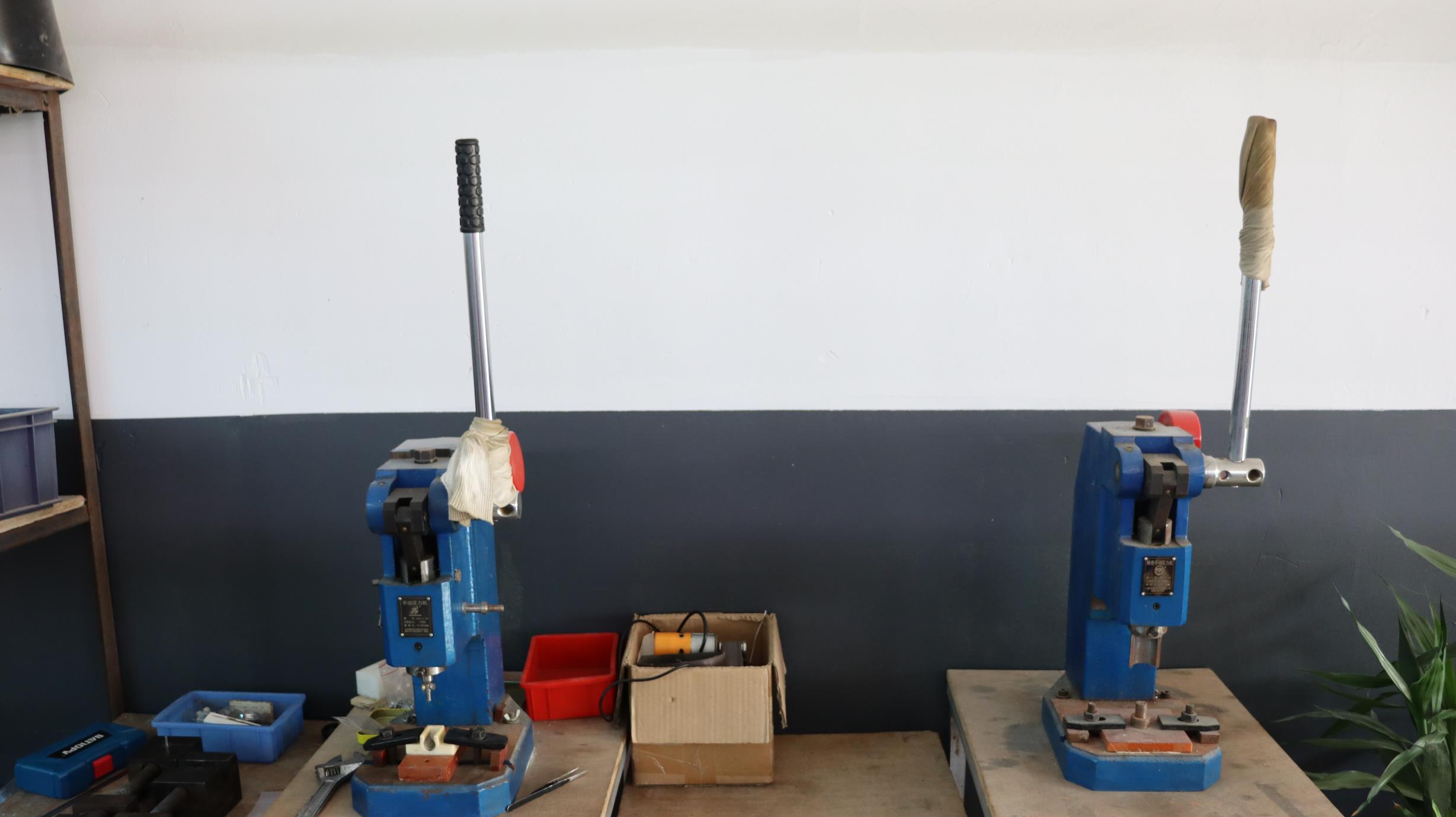 Manual Press
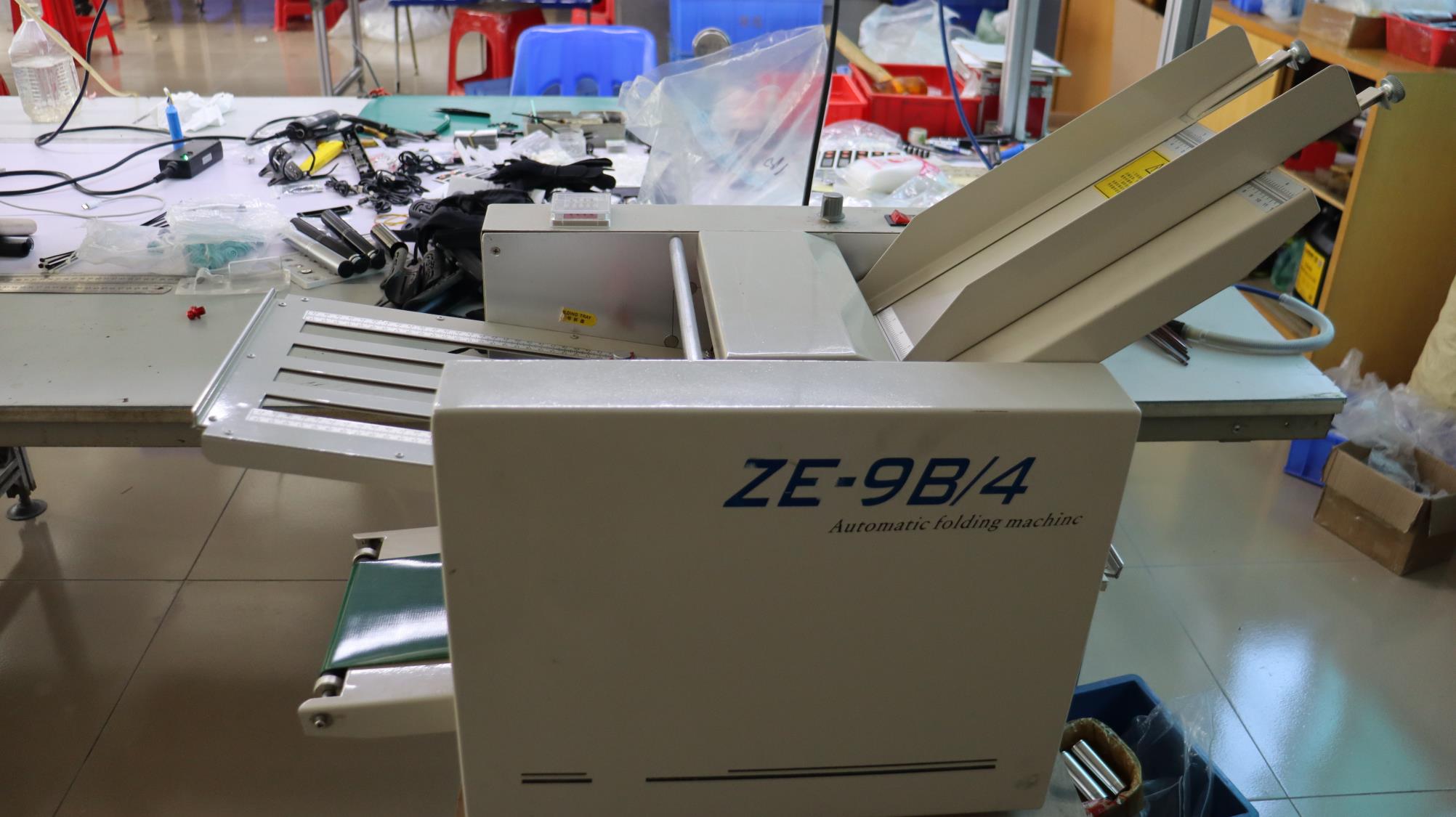 Folding Machine
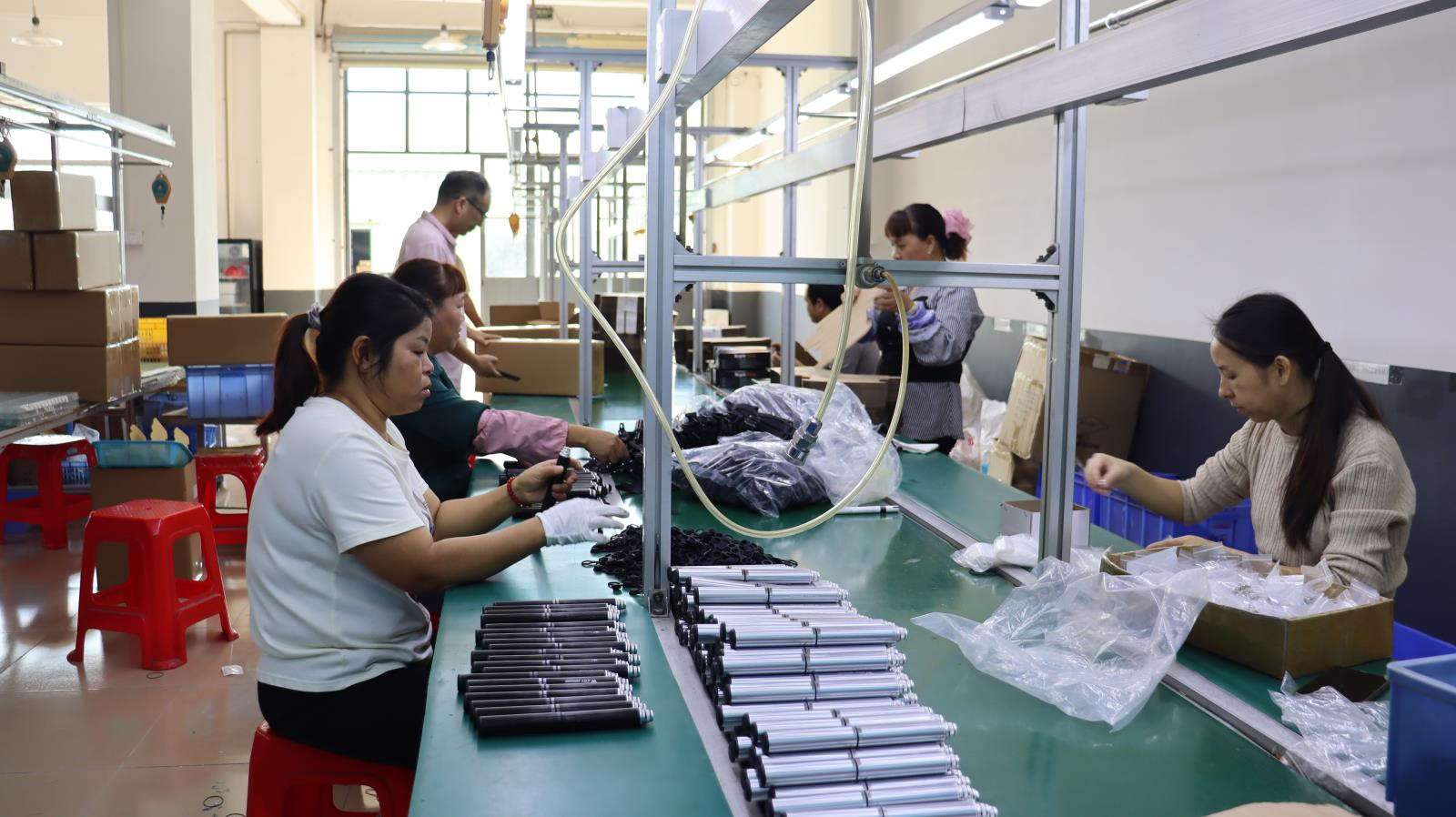 Assembly Line
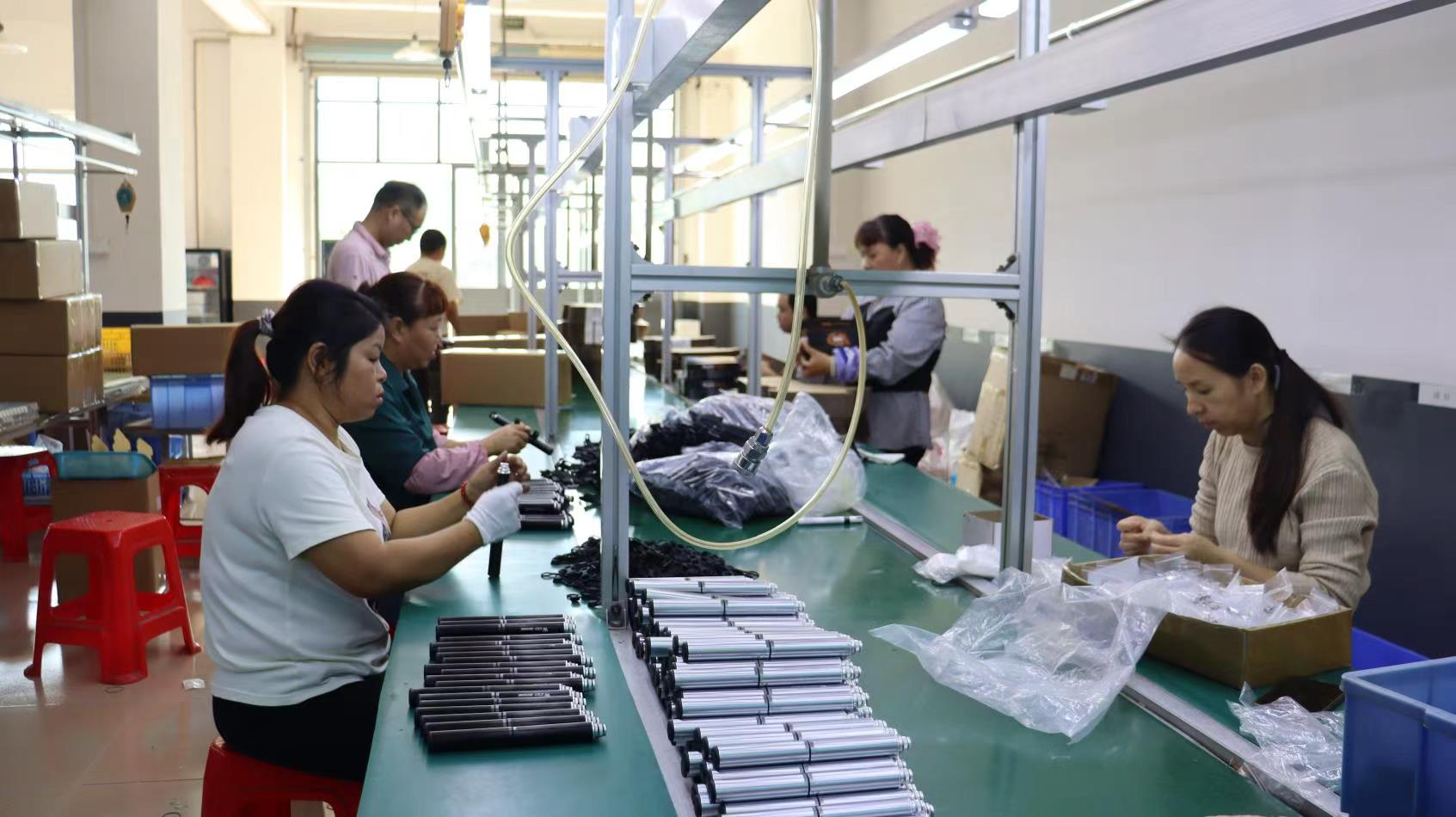 Assembly
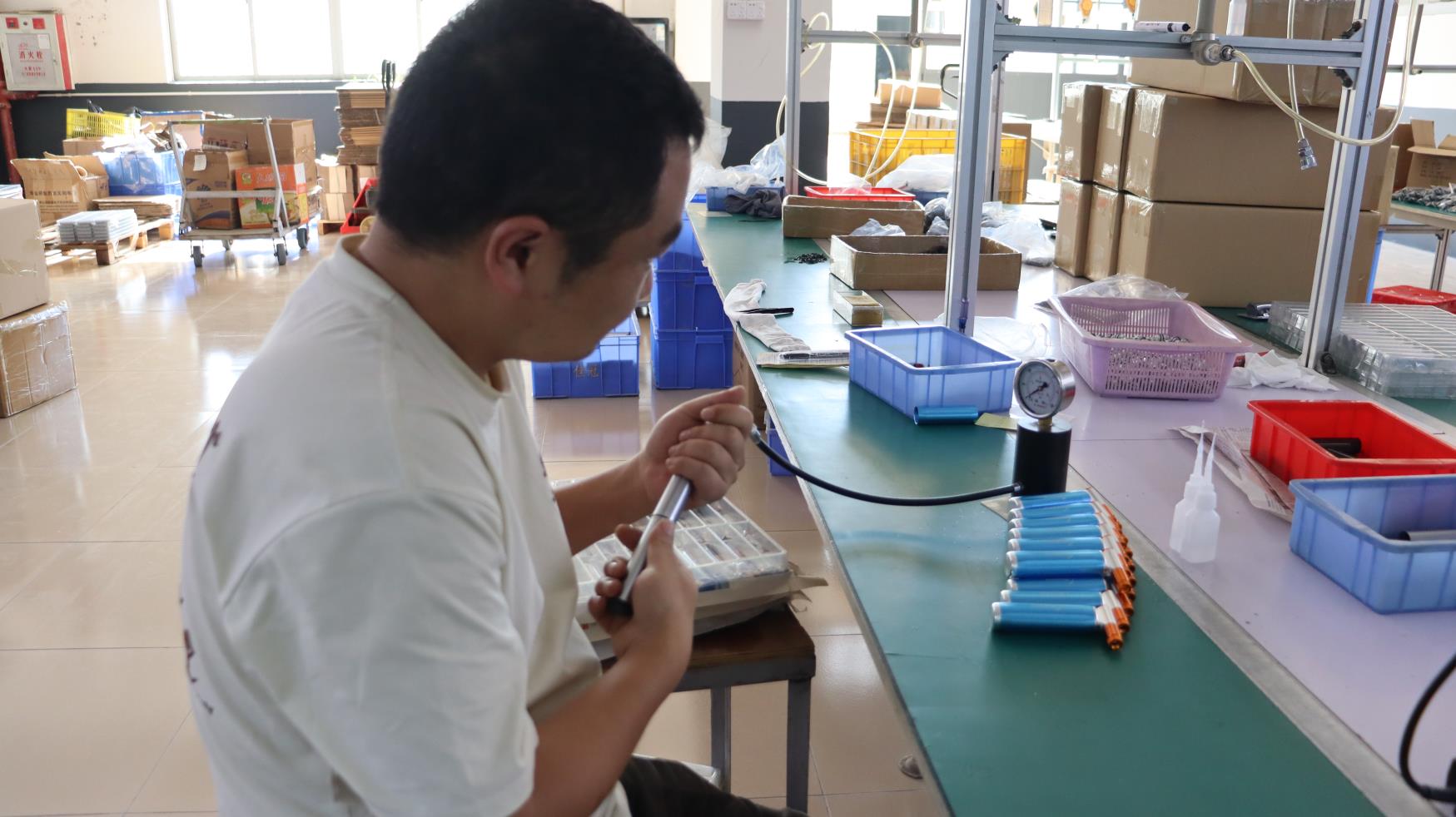 QC Inspection
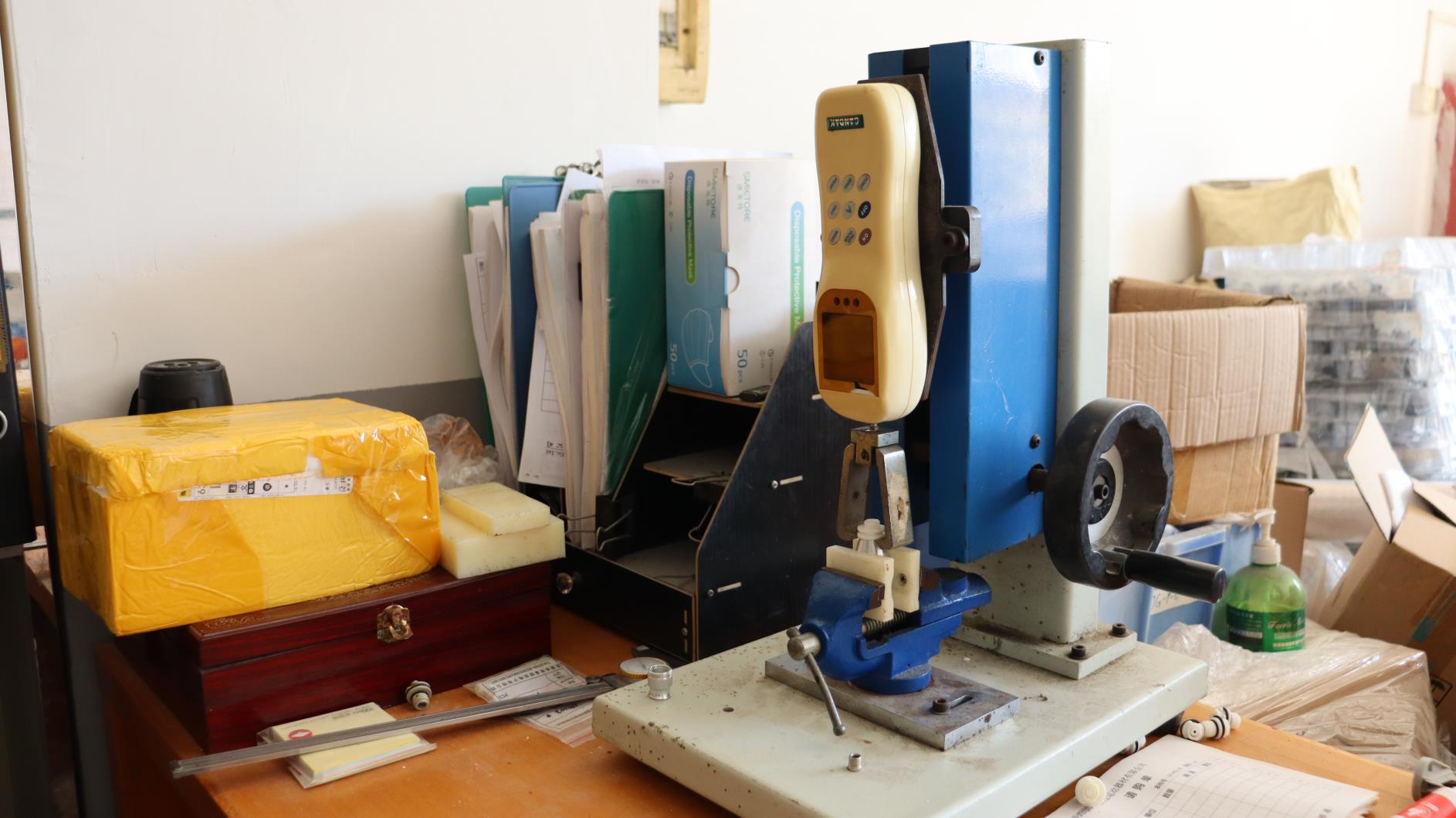 Tensile Machine
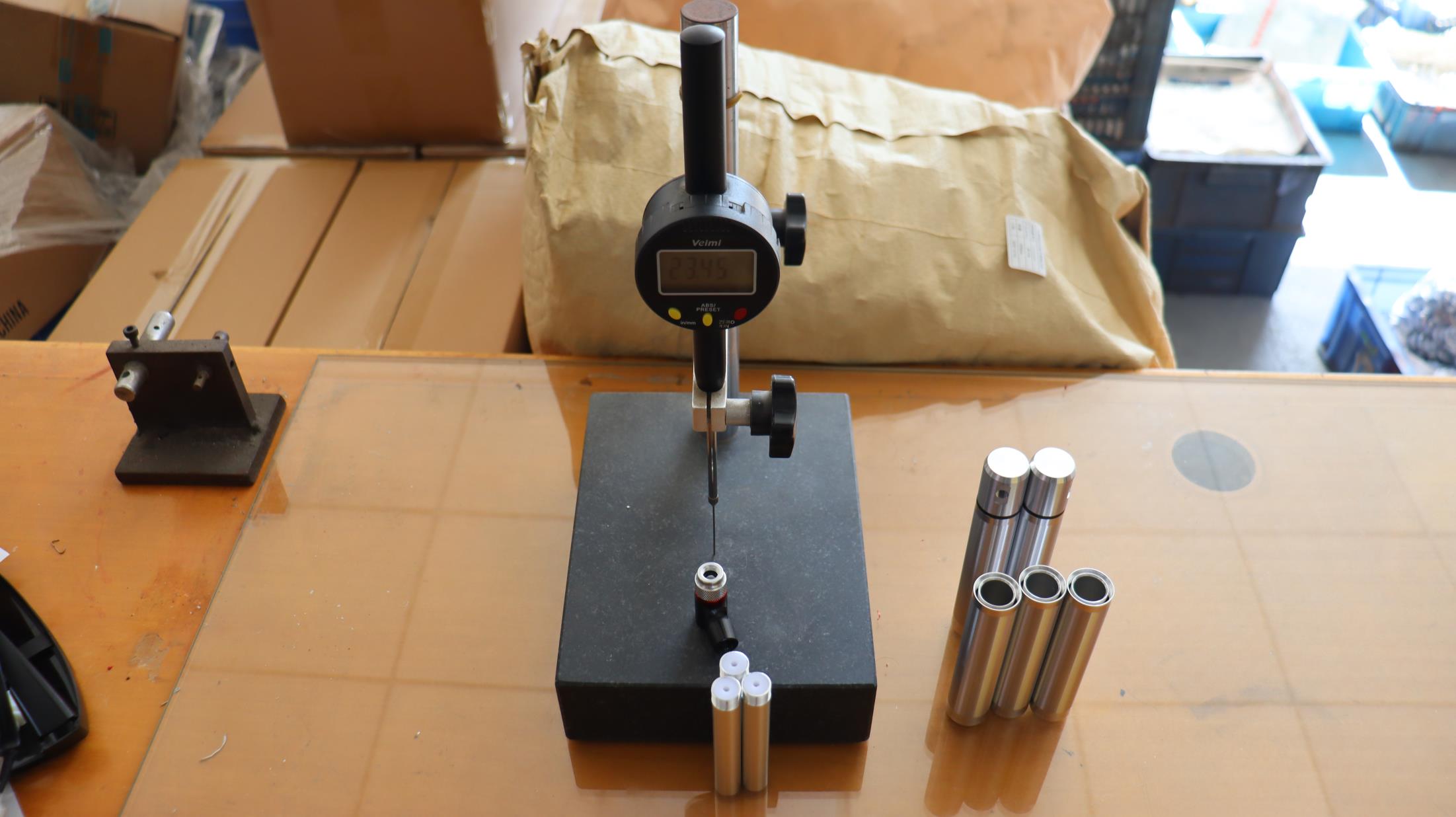 Height Gauge
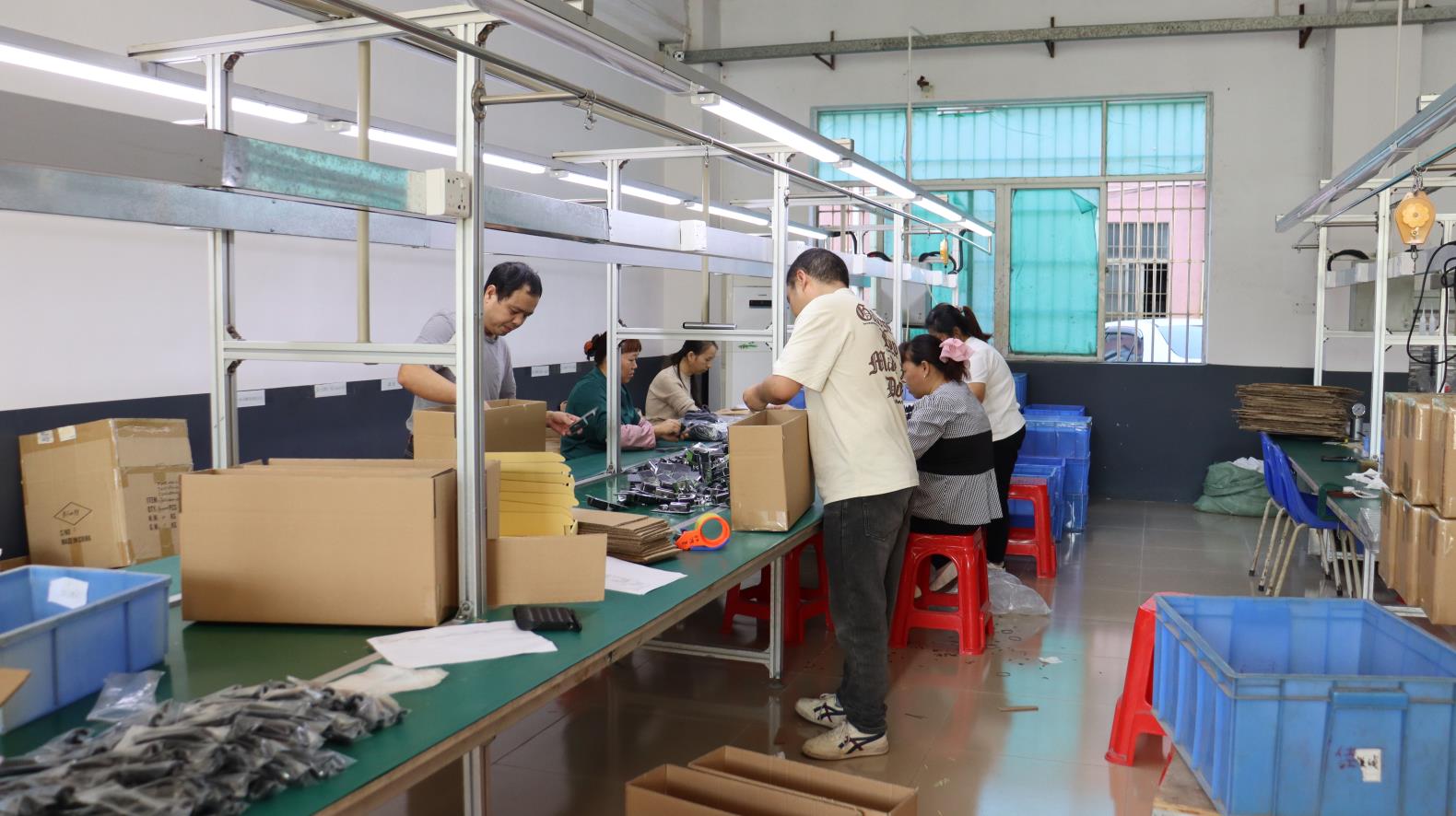 Packaging
Our quality control framework spans the full production spectrum:
Critical technical, commercial, and logistical clarifications for global distributors, municipal procurement officers, and e-commerce brand managers. Have a custom project specification? Connect directly with our team at [email protected].
Anchoring depends entirely on the substratum. For cured concrete pavements (minimum 28-day cured, 20 MPa / 3000 PSI compressive strength), we recommend surface-mounting with heavy-duty Grade 304 or 316 stainless steel wedge expansion anchors (M10 or M12) featuring anti-tamper shear nuts. In soft asphalt installations, surface expansion bolts pull free under high torque; procurement engineers must specify either sub-grade concrete footing pads or direct in-ground embedded core mounts extending at least 250mm to 400mm below finished grade.
Traditional "wheel-bender" slot racks place lateral pressure against wheels, causing severe rotor bending on modern disc brake bikes. Yiwu PAVI Technology Co., Ltd. engineers racks with dual-tier staggered heights, widened tire entry cradles (supporting tires up to 2.8 inches standard, or custom 5.0 inches for fat-tire variants), and offset uprights. The bicycle is stabilized either through the tire carcass or by direct frame contact, keeping hydraulic calipers, disc rotors, and full-wrap fenders completely free of metal-on-metal compression.
For our standard catalog models and modular floor stands, trial sample batches start from as few as 2 to 5 units, allowing contractors and brand owners to confirm structural fit. For full OEM production runs—including custom laser-cut brand logos, bespoke center-to-center slot spacing, specific architectural powder-coat color matching, and custom retail flat-packs—the MOQ typically starts at 50 to 100 sets. Sample prototyping is completed in 7 to 12 days, with mass container production completed in 25 to 35 days depending on total tonnage.
Our production lines employ both semi-automatic MIG welding stations and manual TIG processes for aluminum alloys. We follow an established quality control matrix: incoming steel tubes are checked for tensile strength, finished assemblies are subjected to static shear and cantilever pull tests on our in-house tensile testing machine, and weld penetration is audited via macro-etch inspections. Critical vertical clearances, mounting plate squareness, and bolt holes are systematically audited with calibrated height gauges and digital jigs to guarantee drop-in site alignment.
We accommodate FOB Ningbo/Shanghai, CIF, EXW, CIP, DDP, and DDU air or sea delivery. Our export operations desk manages customs clearance documents, Certificates of Origin (CO, Form E, Form A), Fumigation Certificates for timber pallets, and structural raw material compliance certificates. For buyers operating in the US, Canada, Australia, and the EU, we offer turn-key DDP maritime solutions with customs and local chassis delivery handled smoothly to your regional distribution centers.
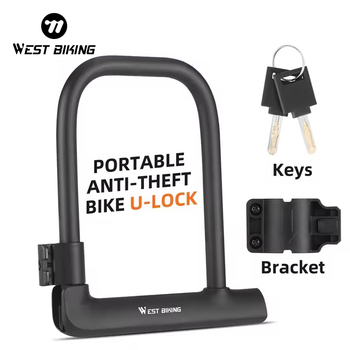
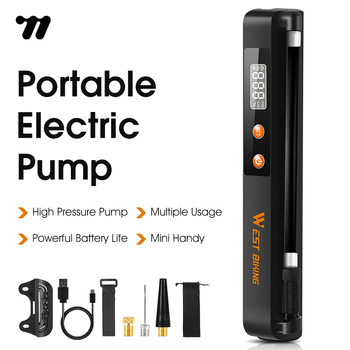
Yes. This is one of the core competitive advantages of partnering with Yiwu PAVI Technology Co., Ltd. As an onsite-verified, multi-category cycling supplier, we allow procurement teams to consolidate heavy bicycle parking racks together with portable electric air pumps, safety tail lights, hardened folding locks, pedals, saddles, and rider apparel in a single commercial invoice and shipping container. This eliminates the overhead of managing 8 to 10 distinct factory accounts and drastically optimizes cubic container fill efficiency.
Obtain detailed engineering drawings, customized quotation schedules, and full technical specifications within 24 hours.