Fleet Spec
Matches on this page are highlighted. No match? You will be taken to the full product catalog.
Engineered for high-throughput Canadian transit hubs, residential parkades, and harsh coastal weather cycles. Featuring modular aluminum profiles and anti-shear locking ergonomics.
From the strict bylaws of the City of Vancouver to the rainy marine terminals of Tsawwassen and Horseshoe Bay, infrastructure must be resilient, secure, and space-optimized.
The City of Vancouver Parking By-law No. 6059 mandates that multi-family residential developments allocate designated, high-security Class I bicycle spaces. Our high-density two-tier gas-assisted lift racks and vertical wall-mounted slide racks maximize capacity within underground concrete parkades across Yaletown, Mount Pleasant, and Burnaby Brentwood towers. Built-in heavy gauge locking loops allow residents to lock both the frame and wheels with standard U-locks while accommodating wide tires and e-bike weights up to 35 kg per stall.
Short-term exterior installations at TransLink SkyTrain stations (Commercial-Broadway, Marine Drive, Metrotown) and Granville Island commercial precincts require maximum anti-theft resilience and intuitive drive-in locking. We supply heavy-duty heavy-gauge inverted "U" and post-and-ring bollards engineered to prevent pipe-cutter theft and sledgehammer deformation. Hot-dip galvanized prior to outdoor marine powder coating, these structures easily endure street sweepers, de-icing salts, and coastal atmospheric moisture.
With thousands of commuter journeys crossing the Lions Gate Bridge, Ironworkers Memorial, and Burrard Street Bridge daily to destinations like UBC Point Grey, SFU Burnaby Mountain, and downtown corporate headquarters, End-of-Trip (EoT) facilities are vital. Our custom modular shelters, repair stands with tethered aircraft-grade steel tools, and integrated public air pumping stations support LEED Platinum building certification standards across southwestern British Columbia.
Sourcing bicycle parking infrastructure from overseas requires matching strict British Columbia structural engineering codes and coastal weather parameters.
Metro Vancouver’s unique marine temperate climate delivers sustained autumn and winter rainfall (averaging over 1,150 mm annually) alongside airborne salt spray along False Creek, English Bay, and the Port of Vancouver. Standard zinc electroplating rapidly exhibits red rust within 18 months in these conditions. Yiwu PAVI Technology implements a dual-layer protective process: structural carbon steel tubing undergoes complete hot-dip immersion galvanization complying with ASTM A123 / ISO 1461, followed by a chemical zinc-phosphate pretreatment and architectural-grade polyester powder coating with a minimum thickness of 80–120 microns. This ensures salt-spray resistance verified past 1,000 continuous hours in standardized lab tests.
| Requirement Metric | Vancouver Bylaw 6059 / Class I | PAVI OEM Standard Spec | Transit / Corporate Grade Option |
|---|---|---|---|
| Stall Width Clearance | Min. 600 mm (0.6 m) | 600 mm to 650 mm adjustable | 700 mm (Specially for cargo & panniers) |
| Corrosion Resistance | Outdoor Weatherproof | Hot-Dip Galvanized + Powdercoat (80μm) | 316 Marine Grade Stainless Steel (Pickled/Passivated) |
| E-Bike Weight Rating | Not explicitly capped | 30 kg per tray (Gas-Assist Strut) | 45 kg Heavy Lift Capacity (Hydraulic Damper) |
| Locking Points | Two-point contact (Frame + Wheel) | Welded continuous tamper-proof loop | Integrated 16mm hardened steel locking eyelet |
Furthermore, the explosive growth of e-bikes across the Lower Mainland has necessitated integrated electrical conduits for battery charging inside Class I bike cages. Our custom factory configurations include pre-punched flame-retardant internal wiring channels, enabling developers to run certified CSA-compliant electrical power connections directly to charging docks without on-site cutting or welding.
Direct answers regarding ocean logistics, customs classification, minimum order constraints, and municipal specification matching.
Ocean freight containers dispatched from our central production hub in Zhejiang, China are routed through Ningbo-Zhoushan or Shanghai Port directly to the Port of Vancouver (Centerm, Vanterm, or Deltaport). Typical maritime transit times range between 14 and 18 days on trans-Pacific lanes, with total door-to-door transit averaging 26 to 32 days inclusive of export clearance and destination drayage across Richmond, Delta, and Burnaby distribution warehouses. We handle full FOB, CIF, and DDP terms with all Canada Border Services Agency (CBSA) customs duties pre-calculated.
Our Class I and Class II racks are designed to strictly mirror Section 6 of By-law 6059. This includes the required minimum 1.8-meter stall length, 0.6-meter lateral spacing, and vertical overhead clearances. Racks feature continuous steel tubular bodies that support the bicycle frame at two separate points horizontally, preventing wheel deformation while allowing the cyclist to secure both the bicycle frame and wheel simultaneously using a standard commercial D-lock or U-lock.
Yes. As an onsite-verified supplier by Alibaba and TÜV Rheinland, we recognize that Canadian architecture firms and real estate developers require a physical sample mock-up for engineering sign-off. We support sample production runs from 1 to 5 pieces or complete mixed-product containers. CAD dimensional drawings, 3D STEP files, and finish swatches (RAL colors) can be dispatched within 48 to 72 hours of project initiation.
For installations within 5 kilometers of the shoreline (such as English Bay, Richmond dykes, and the North Shore coastline), we advise against standard electroplating. We recommend either continuous hot-dip galvanization conforming to ASTM A123 with a thermoset architectural powder coat or Grade 316 marine-grade stainless steel with an electro-polished bead-blasted satin finish to eliminate crevice corrosion and pitting from saline ocean fog.
Commercial bicycle parking racks typically classify under HS Code 7326.90 (Other articles of iron or steel) or HS Code 7616.99 (Articles of aluminum), while associated bike accessories and tools classify under chapters 82 and 87. We prepare comprehensive Commercial Invoices, Packing Lists with cubic metric optimization, Bills of Lading, and Certificates of Origin to ensure seamless clearance with your Canadian customs broker.
Combining industrial metallurgy, automated CNC tube bending, and rigorous quality inspection protocols under one roof since 2015.
Our production facilities have successfully passed comprehensive on-site inspections conducted by TÜV Rheinland. We operate rigorous incoming raw material inspections, testing aluminum alloys and structural carbon steels for composition, tensile strength, and metallurgical integrity prior to fabrication.
From CAD mock-ups and finite element stress analysis to custom laser plate cutting, robotized MIG/TIG welding, and customized powder-coat color matching (standard RAL color palette), we enable Canadian project developers to realize distinctive site furnishings tailored to strict brand guidelines.
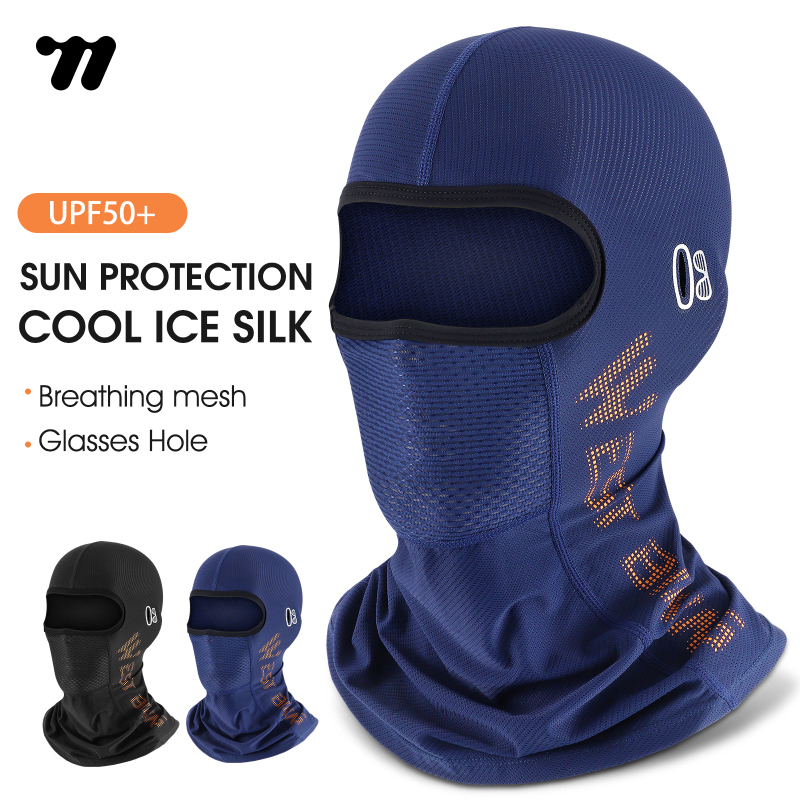
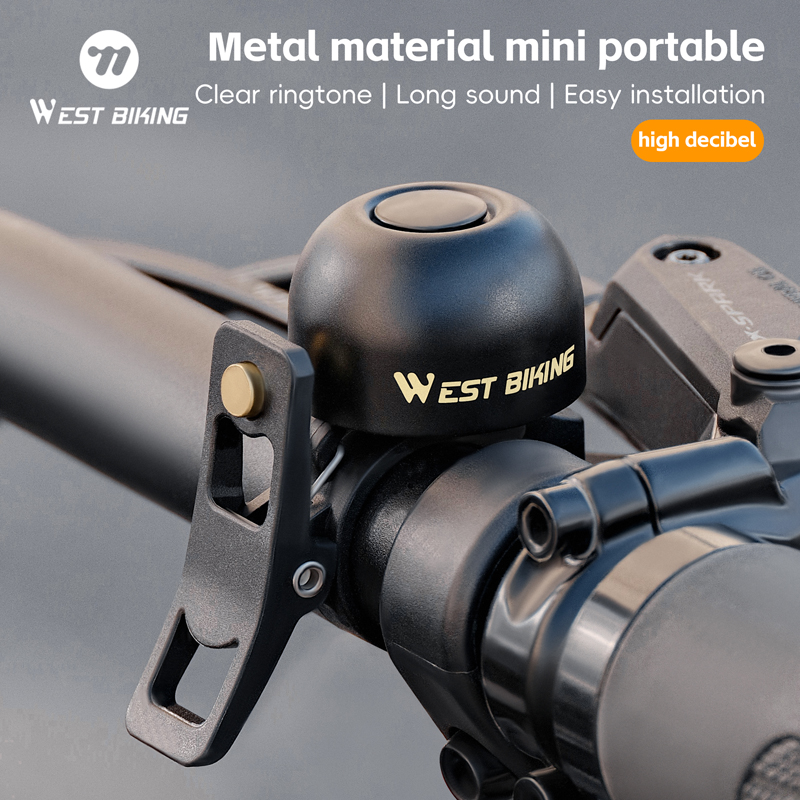
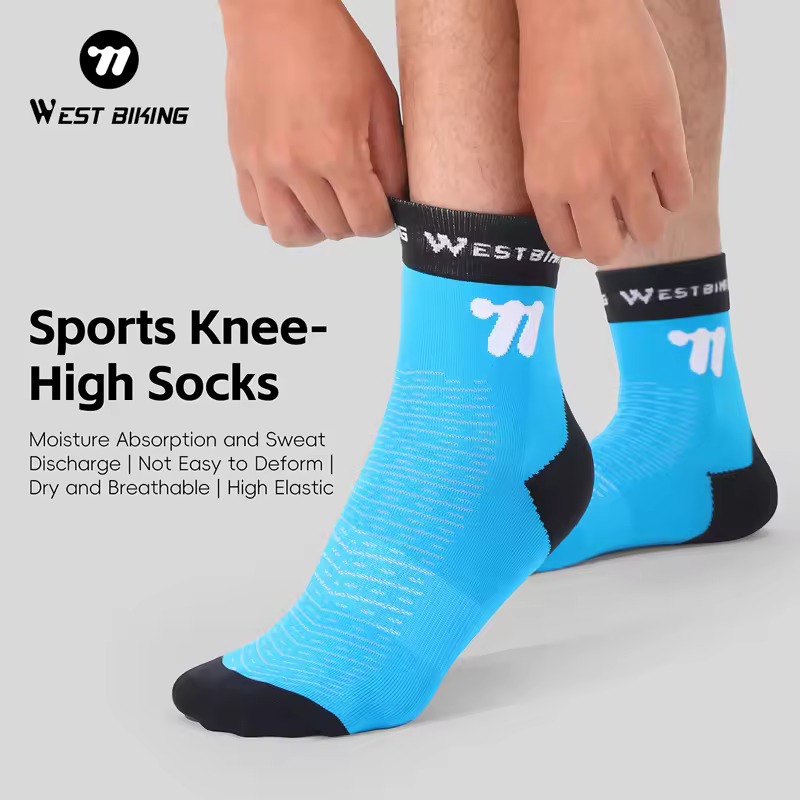
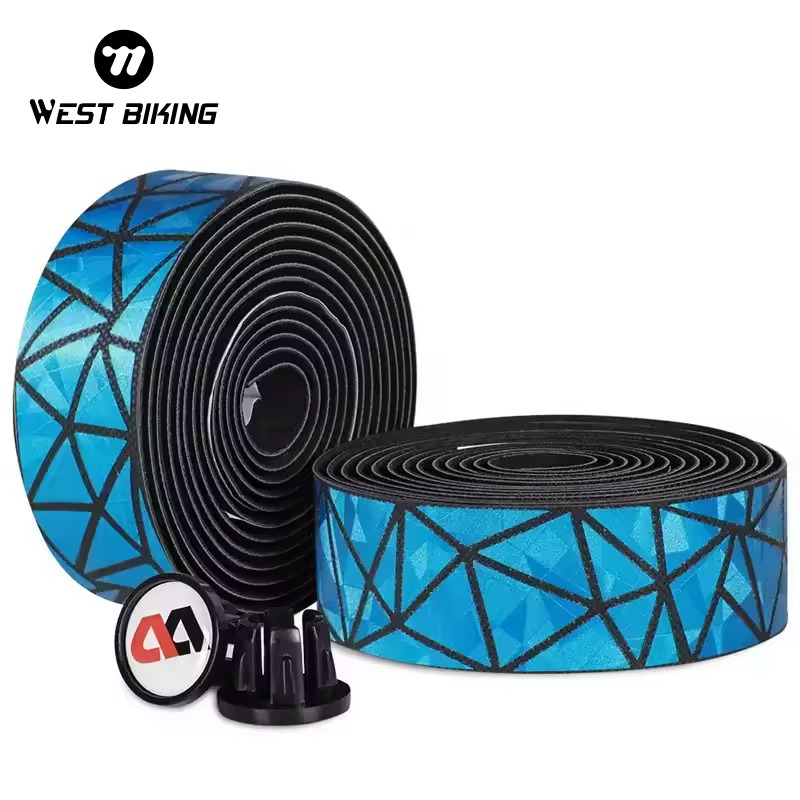
Beyond commercial bike racks, we manufacture and consolidate commercial pumps, precision bike repair stations, IPX6 weatherproof tail lighting, locks, and rider apparel within a unified shipment, optimizing container cubic meters and drastically reducing overhead administrative clearance costs.
Consult with our engineering desk for structural shop drawings, Canadian tender compliance quotes, and factory-direct volume pricing. Connect immediately with our B2B commercial export team.