Featured Cycling Gear & Ergonomic Saddle Solutions
Tested under rigorous dynamic bench simulations and engineered to withstand Western France's humid oceanic terrain.
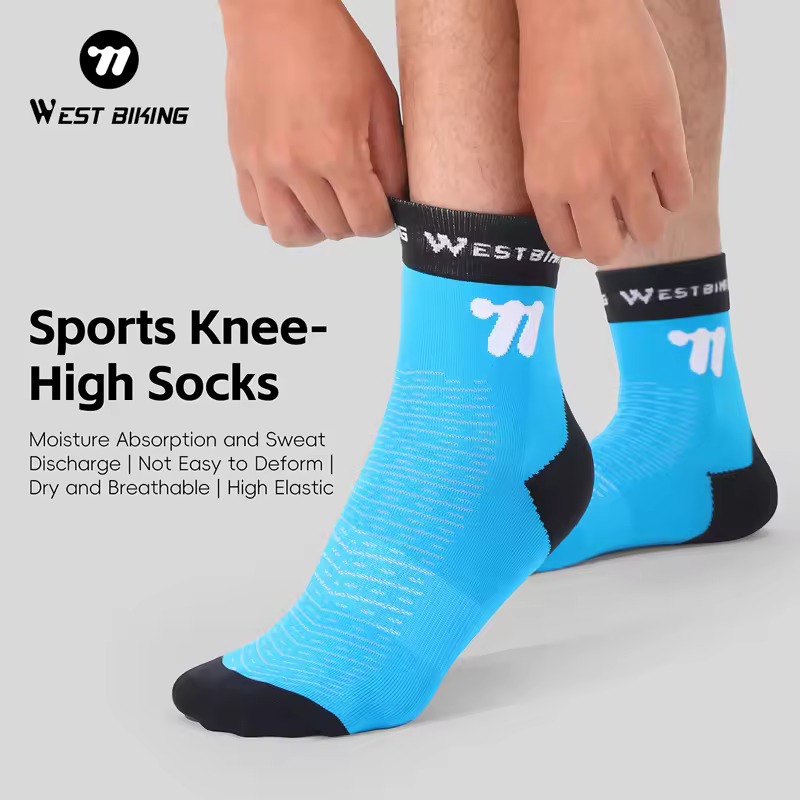
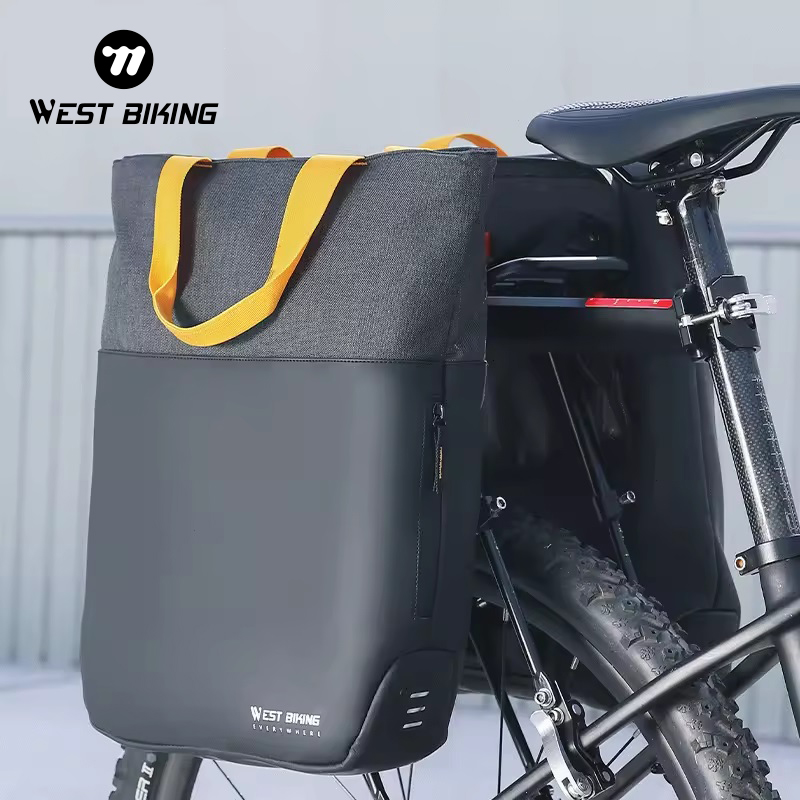
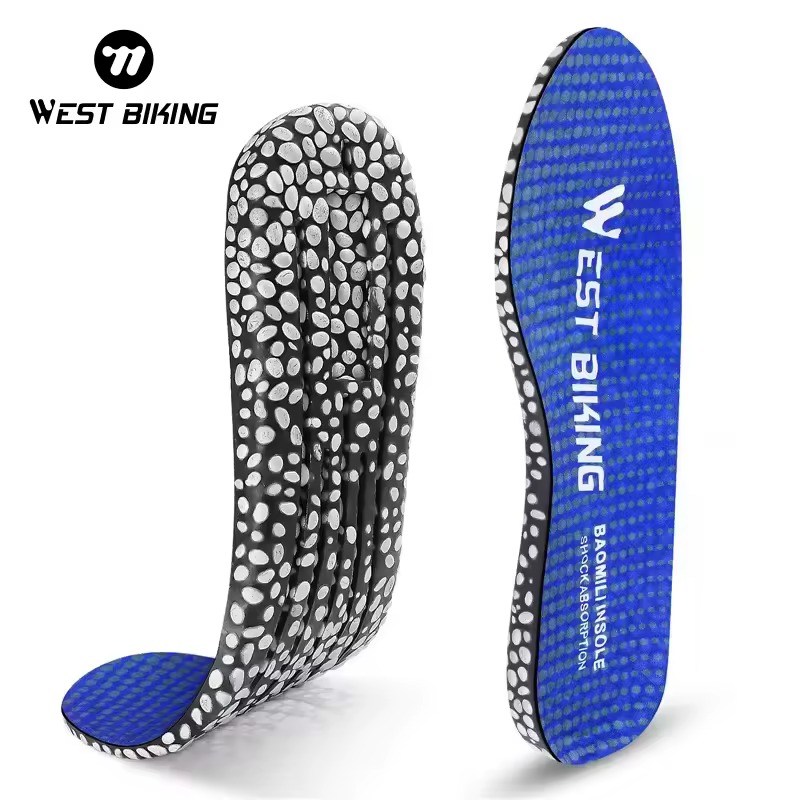
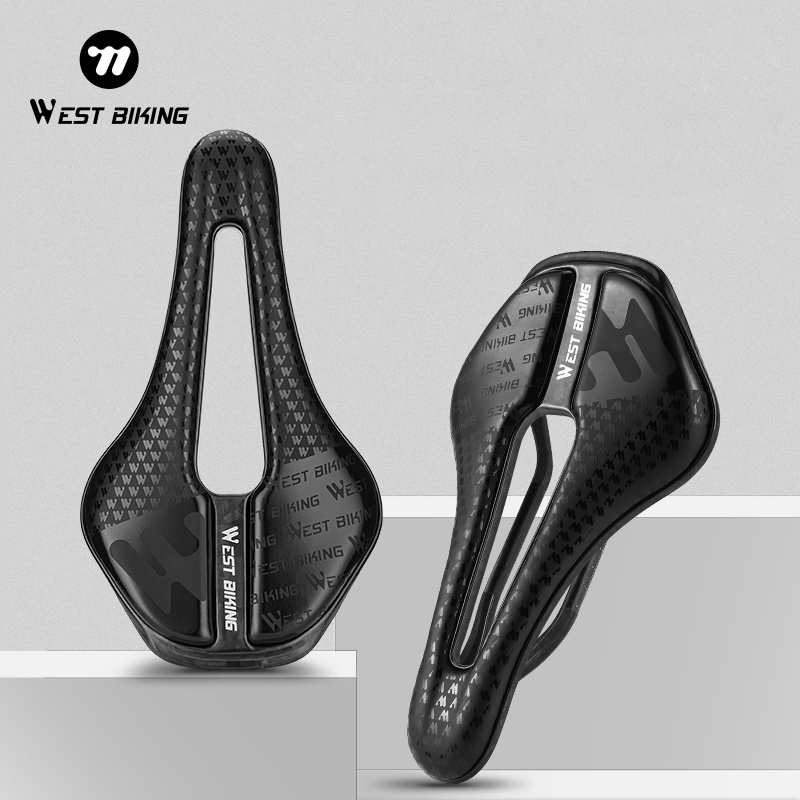
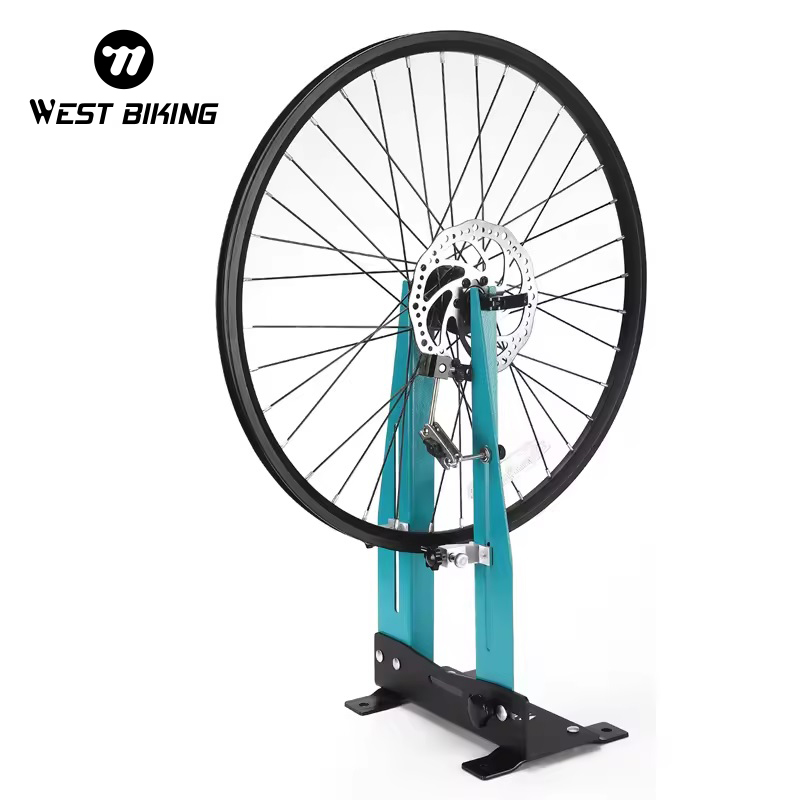
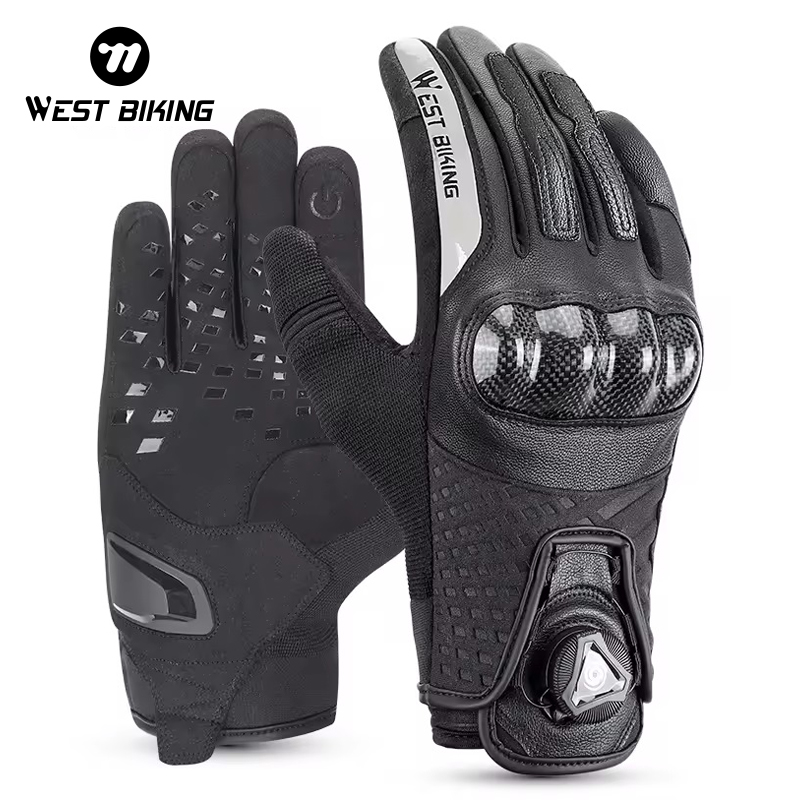
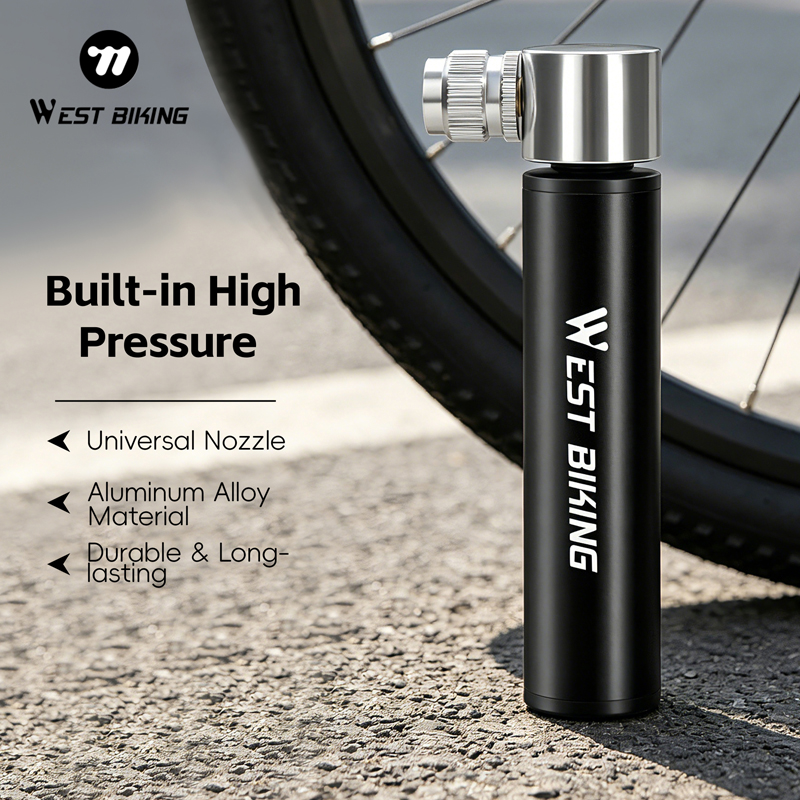
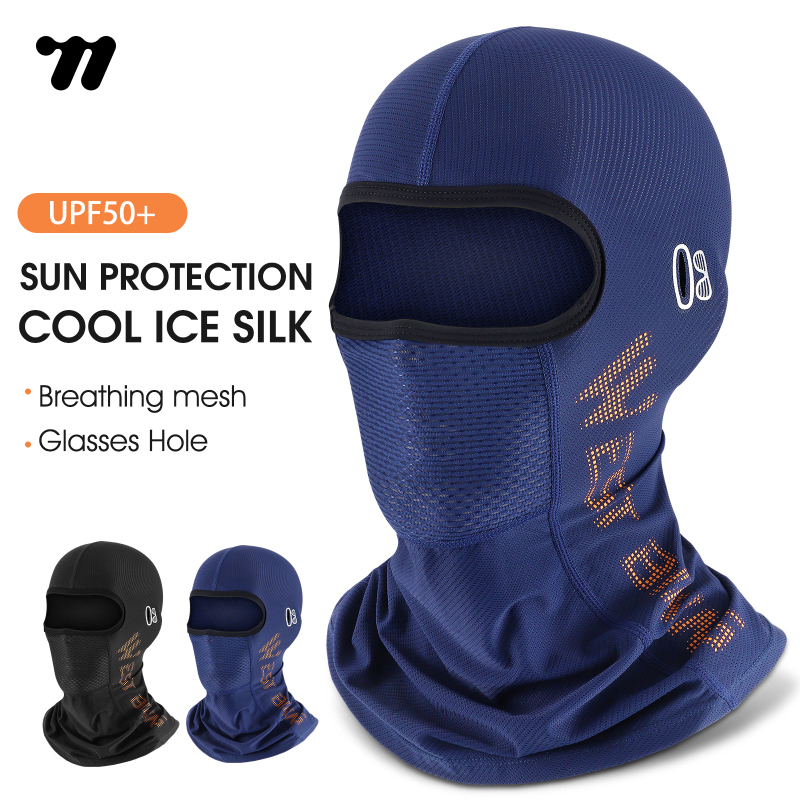
Executive Industry Overview: The Nantes Cycling Paradigm
The city of Nantes, nestled along the confluence of the Loire, the Erdre, and the Sèvre Nantaise rivers, represents one of France's fastest-growing metropolitan hubs for dedicated cycling mobility and off-road exploration. Under the aggressive urban transit mandates of Nantes Métropole—anchored by the substantial investment in the Plan Vélo Métropolitain—cycling participation has surged across both urban transit corridors and recreational trail networks. However, mountain biking (VTT - Vélo Tout Terrain) throughout the Loire-Atlantique department poses exceptional biomechanical and environmental challenges that radically alter product procurement criteria.
Unlike arid mountainous zones, the topography surrounding Nantes—such as the technical singletracks of the Sillon de Bretagne, the muddy undergrowth of the Goulaine marshes, and the undulating riverside terrain of the Sèvre—imposes relentless dampness, clay saturation, and persistent ground grit onto bicycle cockpits and seating systems. Riders operating in this oceanic maritime climate alternate rapidly between aggressive seated climbs on slippery gradients and technical out-of-the-saddle descents. Consequently, bicycle saddle manufacturers exporting into this regional node must produce equipment that resists water penetration, mitigates mud abrasion against rider bib shorts, and provides zoned perineal pressure alleviation over extended multi-hour outings.
For French retail procurement directors, independent bike shop (IBS) collectives in Saint-Herblain or Rezé, and private-label e-commerce brands across the Pays de la Loire, sourcing mountain bike saddles requires strict adherence to European Union chemical restrictions (REACH Regulation EC 1907/2006, POPs, and PFAS surface treatment bans) as well as the mechanical fatigue benchmarks laid down in EN ISO 4210-9. Sourcing decisions cannot rely solely on aesthetics; they require empirical verification of rail clamping fatigue resistance, shell deflection properties, and water-repellent thermoplastic skin integrity.
Regional Microclimate and Topographical Applications in Loire-Atlantique
Oceanic Saturation Resistance
Nantes averages over 160 rainy days annually. Traditional stitched seams allow rainwater to wick into internal polyurethane foams, degrading cell elasticity. Welded or vacuum-sealed thermoplastic polyurethane (TPU) covers are critical to prevent moisture retention and bacterial degradation.
Sillon de Bretagne Singletrack Flex
The rocky, root-strewn schist ridges of northwestern Nantes demand tuned vertical compliance. Saddles configured with high-modulus carbon rails (such as Toray T700) or micro-alloyed CR-MO rails absorb high-frequency trail chatter before it transmits to the lumbar spine.
Loire à Vélo & Gravel Hybridization
Local cyclists frequently transition from the asphalt paths of the Loire à Vélo directly onto coarse gravel and forest fire roads. Hybrid short-nose profiles with central relief cutouts support variable pelvic rotations without compressing the sensitive pudendal neurovascular bundle.
Saddle Engineering Benchmark: Structural Architectures
When evaluating suppliers for the Nantes commercial ecosystem, commercial buyers must distinguish between basic recreational seating and competition-grade mountain bike platforms. Modern MTB saddles engineered for technical trails integrate multi-density elastomers, composite structural shells, and scientifically calibrated load-bearing rails.
| Structural Subsystem | Material Specification | Performance Contribution | Nantes Regional Suitability |
|---|---|---|---|
| Load-Bearing Rails | Toray T700 Carbon / 7x9mm Oval, or Hollow Chromoly (Cr-Mo 4130) | High tensile strength, vibration damping, structural weight reduction down to 135g. | Optimal Resists corrosion from salt-laden Atlantic westerly winds. |
| Chassis / Baseplate | Carbon-Reinforced Nylon (Polyamide 12 with 20–30% chopped carbon fibers) | Calibrated lateral wing deflection; prevents chassis sagging under repeated pedaling cadence. | Optimal Maintains flexural modulus across cold winter trail rides. |
| Damping Core | 3D-Printed Liquid Resin Lattice (DLS) or Multi-Density Slow-Rebound EVA | Zoned pressure distribution; progressive deceleration of sit bones under heavy g-outs. | Optimal Lattice drains mud and water instantly without absorption. |
| Outer Skin | Vacuum-Bonded Hydrophobic Microfiber or Textured PU with Anti-Slip Ridges | High abrasion resistance against muddy cycling shorts; seamless perimeter edge protection. | Optimal Eliminates thread failure common in saturated winter conditions. |
The mechanical stress profile of an MTB saddle in the Loire basin involves continuous micro-vibrations punctuated by sudden high-magnitude impacts when landing drops or clearing technical rock gardens. Under European standard EN ISO 4210-9 (Section 4.3), saddles must pass 200,000 cycles of dynamic fatigue loading at forces exceeding 1,000 N applied alternately to the front and rear portions of the shell. Manufacturers capable of demonstrating in-house servo-hydraulic cyclic testing provide substantial safety assurance against sudden rail shear or chassis snapping.
Top 10 Mountain Bike Saddle Manufacturers & Exporters
A rigorous comparative analysis based on manufacturing infrastructure, OEM flexibility, compliance certifications, and freight accessibility into Western France.
Yiwu PAVI Technology Co., Ltd.
Specialized OEM/ODM & Rapid Wholesale Supply ChainEstablished in 2015 and operating out of Zhejiang, China, PAVI Technology (representing the globally recognized West Biking manufacturing ecosystem) has established itself as an agile leader for distributors serving European ports. Verified onsite by Alibaba.com and independently assessed by TÜV Rheinland, PAVI bridges the gap between high-capacity automated production and accessible low-MOQ sourcing (1–5 pieces for catalog items). Their product lines incorporate vacuum-molded high-density memory foams, ultralight T700 carbon fiber rails, and hollow anatomic air-channel architecture.
With more than 690 catalog products fully documented via high-resolution video and dedicated testing labs (featuring automated tensile testing rigs and precise digital height gauges), PAVI allows Nantes-based distributors to inspect structural tolerances remotely. The company manages DDP and CIF shipments directly into France through the Atlantic gateway of Montoir-de-Bretagne/Nantes-Saint-Nazaire and Le Havre, offering private-label laser marking, custom pantone colorways, and retail eco-packaging.
Selle Italia S.r.l.
Heritage Italian Performance BrandHeadquartered in Asolo, Italy, Selle Italia remains an industry benchmark for competition-tier seating systems. Renowned for its proprietary idmatch scientific fitment matrix, the firm manufactures flagship off-road models like the SLR Boost and Flite series. Their high-end production utilizes bio-compatible carbon shells and 3D-printed polyurethane structures.
While Selle Italia commands unmatched brand equity among elite French XC racers and enthusiast clubs across Loire-Atlantique, its direct OEM integration requires high lead times and structured annual purchasing commitments through traditional regional distributor intermediaries.
Selle Royal Group (Fizik / SR)
Global Comfort & Performance ConglomerateSelle Royal Group operates massive industrial hubs in Italy, China, and South America, owning distinct market segments via brands like Fizik and Selle Royal. Their patented Royalgel matrix reduces pressure peaks across sit bones by up to 40%, while Fizik’s Adaptive series showcases production-grade carbon-DLS 3D printing for gravel and trail applications.
Their products maintain widespread distribution across French sporting goods chains such as Decathlon and Intersport. Sourcing through their direct OEM divisions requires significant annual volume allocations, making them less accessible for small-to-midsize custom boutique brands.
Velo Enterprise Co., Ltd.
Tier-1 Global Contract ManufacturerEstablished in 1974 in Taiwan with massive production complexes across Taiwan and mainland China, Velo is recognized as one of the largest bicycle saddle manufacturers in the world. Producing millions of saddles annually, Velo supplies private-label manufacturing to many of the cycling industry’s marquee brands.
Velo delivers automated manufacturing, comprehensive in-house tooling, and advanced patents like the Arctech rail suspension system. However, for indie bike builders or emerging Nantes retail collectives, high initial tool setup costs and minimum production runs of 1,000+ units can represent a barrier to entry.
Ergon International GmbH
Biomechanical & Medical ErgonomicsBased in Koblenz, Germany, Ergon conducts deep biomechanical research alongside orthopedic specialists and world-champion downhill athletes. Their SM (Saddle Mountain) series is designed around gender-specific pelvic anatomy, incorporating friction-reducing side flanks to prevent chafing during aggressive maneuvers.
Ergon products are in high demand across the technical trail communities of Brittany and the Loire basin. Sourcing models operate strictly via established European distribution wholesalers, which ensures consistent shelf pricing but restricts margin negotiation for independent retailers.
Prologo (Touchdown Group)
Vibration Damping & Active Grip TechnologiesPrologo specializes in competition-focused cockpits, integrating innovative polymer technologies such as CPC (Connect Power Control)—a nano-structure of hollow 3D cones that maximizes grip, dampens high-frequency trail vibrations, and improves airflow.
Their mountain and e-MTB specific saddles, like the Proxim line, feature high-strength TiroX light-alloy rails and integrated rear grip handles for maneuvering heavy assist bikes. Their export network reaches French specialty shops through dedicated French distribution agencies.
DDK Saddle Group
Volume-Oriented Value & Mid-Tier OEMOperating modern factories in Vietnam and Taiwan, DDK produces cost-effective seating solutions across recreational mountain biking, commuting, and urban e-mobility. They offer competitive contract pricing for high-volume assemblies, catering to European assembly lines.
DDK products utilize synthetic leather outer materials, vacuum-formed PU foam, and standard steel or chromoly rails. Their European logistics are well established, though customization of foam densities and custom rail compounds requires extended lead times.
Cionlli Industrial Co., Ltd.
Reinforced Chassis & Heavy-Duty Trail ComponentsWith production centers in Taiwan and mainland China, Cionlli has spent decades refining heavy-duty saddle structures. As the e-MTB market expanded across the Loire Valley, Cionlli developed reinforced polymer baseplates designed to handle the amplified seated torque experienced on steep electric climbs.
Their vacuum-forming processes produce durable, waterproof shells that withstand rough trail use. While offering solid reliability, their aesthetic silhouettes tend toward traditional geometries rather than modern ultralight or short-nose trends.
SDG Components (Action Sports Group)
Gravity, Enduro & All-Mountain IconHailing from Southern California with contract manufacturing in Asia, SDG is a historic leader in gravity and enduro racing. Famous for pioneering the I-Beam rail system and the Bel-Air saddle silhouette, SDG models integrate Kevlar side bumpers to survive high-impact crashes on technical rocky descents.
For Nantes downhill riders heading south to the Pyrenees or east to the Alps, SDG represents tough trail equipment. For French retailers, stock is primarily acquired through pan-European action-sports distribution houses with fixed wholesale pricing structures.
SQlab GmbH
Step-Saddle Ergonomics & Active Lateral TiltGerman innovator SQlab approaches bicycle contact points from a clinical perspective. Renowned for inventing the tiered "step-saddle" profile, SQlab places the rider's sit bones on an elevated rear tier, dropping the saddle nose to reduce perineal pressure by up to 80%.
Their Active technology features elastomer dampers that allow the saddle to follow the pelvis's natural pedaling motion, easing strain on intervertebral discs. Their premium positioning appeals to technical buyers and physiotherapists in Nantes, though it commands high retail prices.
B2B Procurement Matrix: Lead Times, MOQs & Compliance
To assist procurement managers across Loire-Atlantique in matching their business model—whether regional wholesale distribution, OEM assembly, or dropshipping—the matrix below summarizes operational capabilities across critical supply chain parameters.
| Manufacturer | Primary Production | Wholesale MOQ | Custom OEM Capability | Nantes Transit Time | Key Regulatory Certifications |
|---|---|---|---|---|---|
| Yiwu PAVI (West Biking) | Zhejiang, China | 1–5 pcs | Full OEM/ODM (Laser, Molds, Packing) | Air: 5–8 days / Sea: 28–34 days | TÜV Rheinland, ISO 4210, REACH, POPs |
| Selle Italia | Veneto, Italy | Tiered Box | Limited to Major Global Brands | Road: 3–4 days | ISO 9001, UCI Compliance, CE |
| Selle Royal / Fizik | Italy / China | Container Scale | High Volume Contract Division | Road: 2–3 days (EU Stock) | ISO 14001, REACH, EN ISO 4210 |
| Velo Enterprise | Taiwan / China | 500+ pcs | World-Class Tooling & Mold Creation | Sea: 30–35 days to Le Havre | ISO 9001, ISO 14001, BSCI |
| Ergon | Germany / Taiwan | Dealer Box | Proprietary Designs Only | Road: 2–3 days | TÜV Certified Ergonomics |
| DDK Saddle Group | Vietnam / Taiwan | 300 pcs | Standard Catalog Modification | Sea: 32–36 days | ISO 9001, REACH Test Reports |
| Cionlli | Taiwan / China | 500 pcs | Heavy-Duty Base & Chassis Molds | Sea: 30–35 days | REACH, EN 4210 Laboratory Checks |
Enterprise Sourcing Advantages: The PAVI Technology Edge
For European importers seeking to bypass lengthy distribution layers and build customized, high-margin product ranges, Yiwu PAVI Technology Co., Ltd. delivers a competitive supply model. Since 2015, PAVI has structured its manufacturing and export operations around the practical needs of global B2B buyers: low barriers to entry, documented verification, and multi-category consolidation.
TÜV Assessed Facilities
PAVI’s operational facilities and business status have undergone onsite supplier verification by Alibaba.com and detailed third-party technical assessments by TÜV Rheinland, confirming legitimate export licensing and equipment capacity.
Four-Stage Quality Control
Every saddle order undergoes: 1) Incoming raw polymer inspection, 2) In-line assembly monitoring, 3) Laboratory tensile testing and height-gauge precision checks, and 4) Final drop-testing and packaging validation.
690+ Catalog Videos
To eliminate uncertainty for overseas buyers unable to visit China in person, over 690 catalog SKUs are documented on video. Nantes buyers can inspect material textures, rail flex, and seam construction before ordering samples.
Multi-Category Consolidation
In addition to saddles, buyers can combine electric inflators, CNC aluminum pedals, waterproof panniers, lights, and apparel into a single consolidated purchase order (PO), optimizing container utilization and customs fees.
Furthermore, PAVI supports flexible logistics solutions for the French market, including FOB Shanghai/Ningbo, CIF Le Havre, and complete DDP (Delivered Duty Paid) door-to-door options directly into commercial warehouses in Nantes, Saint-Nazaire, or Angers. Under DDP terms, French customs clearance, import VAT handling, and European road freight are managed end-to-end, freeing local distributors to focus on their retail networks.
Nantes Buyer's Engineering & Regulatory Playbook
Importing cycling products into the European Single Market requires strict adherence to legal compliance frameworks. French market surveillance authorities (such as the DGCCRF - Direction Générale de la Concurrence, de la Consommation et de la Répression des Fraudes) actively monitor imported sports equipment. Nantes-based procurement officers should implement the following checklist:
REACH Chemical Screening
Ensure outer skins (PU, vinyl, or microfiber) are certified free of restricted phthalates (DEHP, DBP, BBP, DIBP under Annex XVII) and Polycyclic Aromatic Hydrocarbons (PAHs). PAVI provides batch testing documentation to satisfy customs audits.
EN ISO 4210-9 Dynamic Safety
Mandate that suppliers provide dynamic fatigue test reports proving the saddle rails and shell endure 200,000 cycles without structural fractures or permanent deformation exceeding 10mm.
French AGEC Law & Triman Logo
In accordance with France’s circular economy laws, all retail packaging must display the unified Triman sorting logo and be registered under an accredited Producer Responsibility Organization (e.g., Citeo) for household packaging waste.
Frequently Asked Questions by Nantes Importers
Direct answers to common commercial, technical, and regulatory questions from French buyers.
How does the Loire Valley oceanic climate affect mountain bike saddle material selection?
+
What are the standard freight transit times and routing options from China to Nantes?
+
Can French distributors order mixed trial orders containing saddles, bags, and tools?
+
What dynamic fatigue certifications are required for French commercial customs entry?
+
How are custom logos, branding, and OEM packaging handled for French private-label projects?
+
What payment and delivery terms (Incoterms) are available for European accounts?
+
Scale Your Cycling Catalog for the Loire Valley Market
Partner with a TÜV-assessed, export-ready manufacturer. Whether you are developing a custom ergonomic saddle line, testing low-MOQ retail batches, or seeking reliable direct-to-Nantes DDP logistics, our technical team is ready to assist.
Get a Quote