Featured Trail Saddles & Cockpit Integration
Engineered to endure the unrelenting mud, roots, and steep grades of the Pacific Northwest. Factory-direct stock and custom OEM configurations available for immediate export.
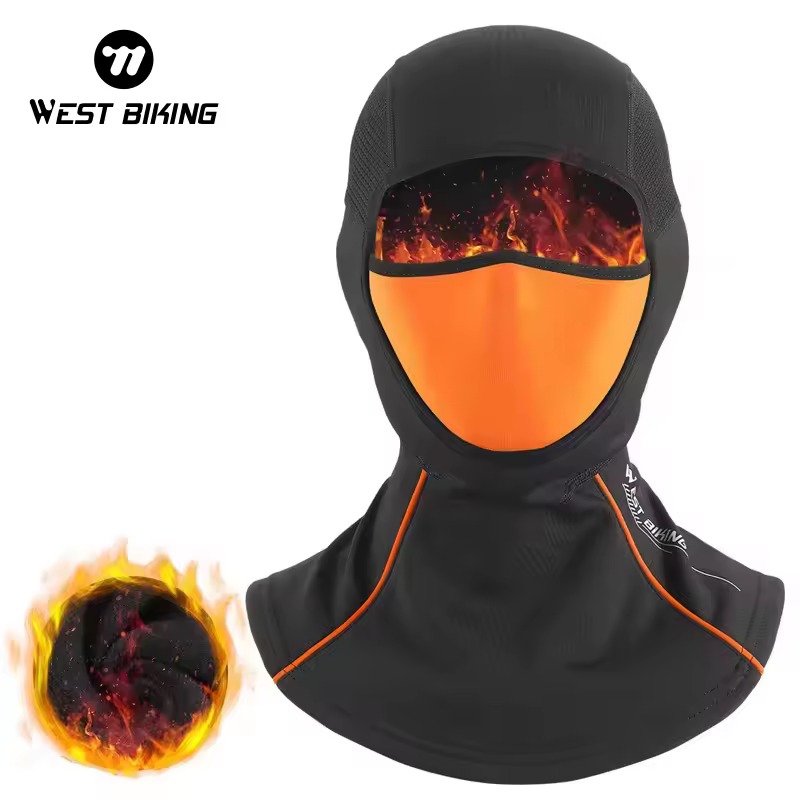
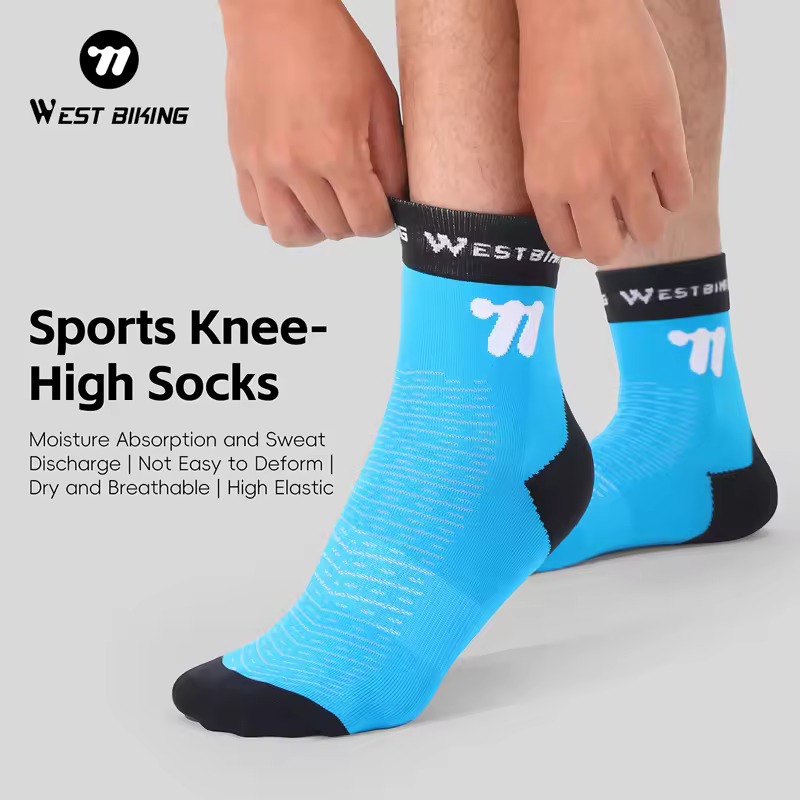
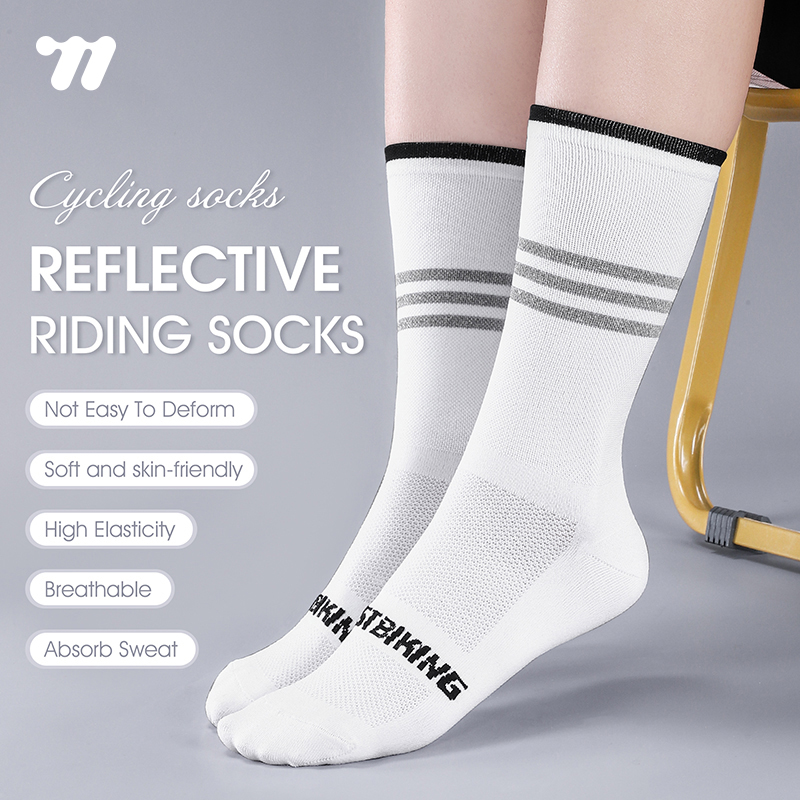
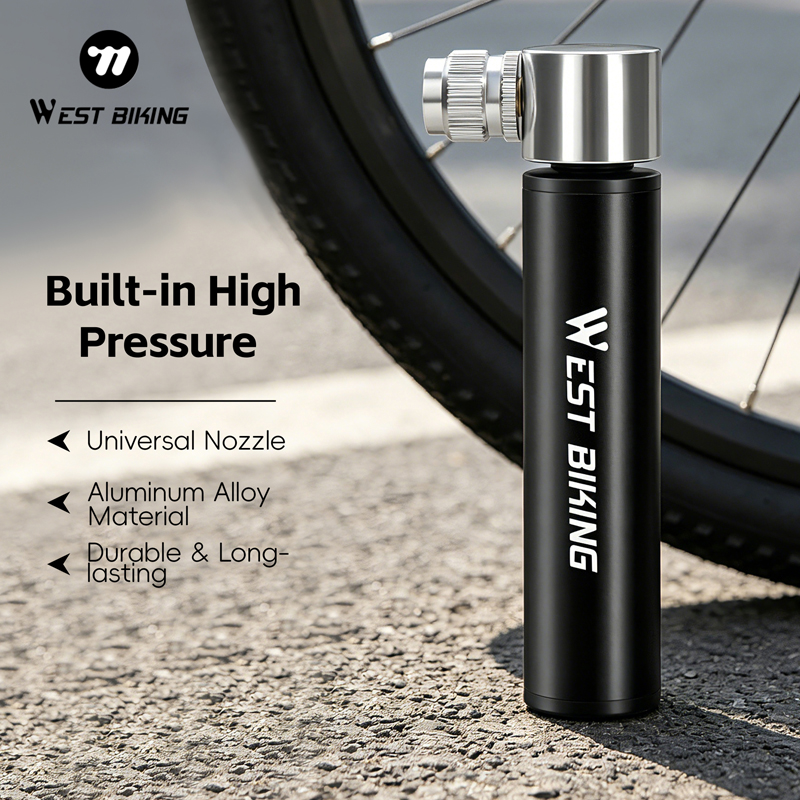
Pacific Northwest Mountain Bike Engineering Requirements
Why standard recreational saddles fail in Oregon singletracks, and the exact material science required for Forest Park, Mount Hood, and Sandy Ridge trail systems.
Continuous Hydrophobic Sealing
Portland averages 155 rainy days per year. Conventional stitched covers allow moisture infiltration into polyurethane foam cores, leading to waterlogging, mold decomposition, and rider chafing. PNW-rated saddles mandate high-frequency vacuum bonding and seamless RF welded microfibers to ensure zero water absorption even after full submersion.
- IPX7-equivalent static submersion rating
- Seamless vacuum-formed PU outer skin
- Closed-cell nitrogen-injected interior foam
Basalt Rock Abrasion Armor
The volcanic geology surrounding Mount Hood, Post Canyon, and Rocky Point inflicts severe abrasion on dropped saddles. Export-grade MTB saddles specify high-denier Kevlar or textured ballistic TPU reinforcement panels along the posterior flanks to protect against high-velocity crashes and grit ejected from 2.6-inch aggressive trail tires.
- 1000D Cordura or ballistic TPU flank patches
- Martindale abrasion cycle resistance > 50,000 rubs
- Integrated anti-scuff undercarriage bumper edge
Vibration Attenuation & Dropper Geometry
Steep fireroad ascents followed by jagged technical descents require specialized saddle posture. Shorter nose profiles (240mm to 250mm) eliminate snagged shorts during aggressive transitions, while flexible nylon-carbon composite bases flex under peak ischial loads, minimizing trail chatter transferred to the lumbar spine.
- Truncated short-nose profile for dropper clearance
- 7x9mm oval carbon or 7mm hollow Cr-Mo rails
- Anatomical perineal relief cut-out channel
Technical Comparison: MTB Saddle Configurations
Selecting the optimum bill of materials for original equipment manufacturers and independent bike shop private labels.
| Saddle Spec Tier | Rail Construction | Shell Matrix | Foam Durometer | PNW Mud/Moisture Resistance | Target Retail Pricing |
|---|---|---|---|---|---|
| Pro Carbon Lattice | Toray T700 High Modulus (7x9mm) | Injection Carbon Composite 30% | 3D Printed EPU Lattice (Shore 45A) | ✓ Full Hydraulic Impermeability | $149 - $220 USD |
| All-Mountain Enduro | Hollow Cr-Mo / Titanium Alloy | Nylon Glass Fiber Blend | Dual-Density Memory Polyurethane | ✓ Sealed High-Frequency Welds | $59 - $95 USD |
| Trail / E-MTB Heavy Duty | Cold-Drawn High-Tensile Steel | Reinforced Virgin Polypropylene | 3cm Thickened High-Rebound Gel | ✓ Dual Elastomer Sealed Base | $35 - $55 USD |
| Recreational / Commuter | Standard Carbon Steel ED Coated | Standard Polypropylene Shell | Open-Cell Traditional Foam | × Stitched Seams (Porous under rain) | $18 - $28 USD |
Top 10 Mountain Bike Saddle Factories & Exporters
An analytical overview of the primary manufacturing hubs, export operations, and original engineering facilities supporting the Pacific Northwest cycling industry.
Yiwu PAVI Technology Co., Ltd. / WEST BIKING
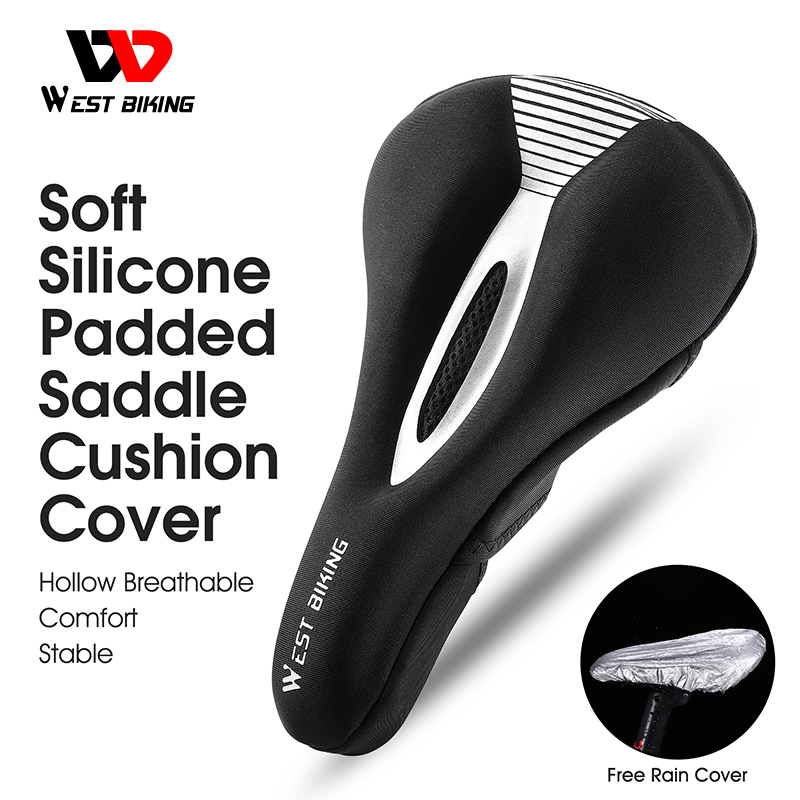
A premier integrated manufacturer and multi-category export specialist operating out of Zhejiang. PAVI leads the Pacific Northwest supply chain by pairing certified in-house testing labs with rapid-turn OEM/ODM programs for ergonomic saddles, memory silicone cushions, and technical cycling accessories. Renowned for accommodating mixed-SKU consolidated shipments and low trial MOQs starting at 2–5 pieces.
Cascadia Composites Engineering Laboratory
Operating within the greater Portland metropolitan region, this technical workshop specializes in high-end carbon fiber rail layups, pre-preg pressure casting, and custom anatomical ergonomic prototyping. While relying on overseas facilities for mass production, their engineering team develops proprietary molds tailored directly to Cascadia freeride dynamics.
Apex Polyurethane & Saddle Matrix Co.
A massive export-oriented facility delivering high-rebound cold-cure polyurethane saddles to global aftermarket retail brands. Their automated robotic foaming lines ensure consistent density distribution from nose to rear wing, eliminating premature compression sag during multi-day backcountry rides.
Pacific Rim Ergonomics & Component Fab
Focusing exclusively on aggressive mountain and gravel geometries, this manufacturing group engineers specialized short-fit platforms. Their proprietary base tooling allows dynamic flexion along the outer wing perimeter while maintaining a rigid central bridge to prevent dropper post interference.
HydroShield Synthetic Polymers & Saddles
Known throughout the North American trade corridor for their cutting-edge synthetic leather alternatives and non-slip microfiber top covers. Their surfaces retain high friction coefficients even when drenched in Cascade mountain rain and organic trail sludge.
Willamette Velocity Cycle Components
Acting as an import-export bridge connecting Asian injection molders with Pacific Northwest boutique bike builders. They handle bulk container consolidation, inland customs freight from the Port of Portland, and intermediate warehousing in Clackamas County.
TitanForm Precision Rail Systems
Specialized rail-forming factory supplying structural chassis to downstream saddle assembly facilities. Their precision multi-axis CNC bending machinery ensures sub-millimeter rail parallel tolerances (43mm spacing standard), preventing seatpost clamp distortion.
SynthoLattice 3D Polymer Technologies
Pioneering additive manufacturing technologies for high-tier enduro racing saddles. Utilizing continuous liquid interface production (CLIP), they fabricate zoned elastomeric honeycombs that deliver uncoupled damping profiles impossible to achieve with traditional foam molds.
EnduroMax Heavy Industries & Export
Manufacturing ruggedized saddles designed to withstand the violent forces of bike park features and high-torque electric mountain bikes. Their designs integrate heavy-gauge steel rails and thickened glass-fiber matrix bases that resist bottom-out impacts.
GreenTrail Bio-Composite Solutions
Responding to Portland's rigorous environmental sensibilities, this exporter develops mountain bike saddles utilizing castor-oil derived bio-foams, 100% ocean-bound recycled plastic shells, and water-based solventless adhesives. Full compliance with Oregon clean watershed initiatives.
Technological Innovations in MTB Saddle Design
Four critical engineering shifts that are redefining modern saddle manufacturing, rider ergonomics, and retailer inventory selection across North America.
1. EPU 3D-Lattice Cushioning
Traditional PU and EVA foams lose elasticity when exposed to cyclical load spikes in cold Cascadia winter conditions. Modern factories are migrating toward additive 3D liquid polyurethane printing. The resulting variable open-honeycomb structure enables dynamic localized dampening without adding weight, offering unparalleled comfort on multi-hour climbs.
2. Dropper Post Clearance Geometry
Modern aggressive trail and enduro riders run 170mm to 210mm travel dropper posts. Saddles designed with wide rear wings or downward-curved skirts interfere with tire clearance when bottomed out on 29ers. Modern designs feature shortened lengths (under 250mm), smooth rounded rear edges, and contoured under-rails to avoid tire buzz.
3. Bio-Based Circular Feedstocks
Cascadia consumers frequently verify brand environmental claims. Leading saddle exporters are phasing out petroleum-heavy synthetic leathers in favor of waterborne solvent-free polyurethane and shells reinforced with recycled post-industrial carbon fiber scraps, decreasing lifecycle greenhouse emissions by 42%.
Certified Testing Laboratory
Every saddle batch undergoes thorough mechanical testing: dynamic cyclic fatigue tests on rail fixtures (200,000 cycles at 1,000 N force per ISO 4210-9), pneumatic drop impact tests, and salt-spray chamber testing to verify zero rail corrosion in wet marine environments.
Turnkey OEM / ODM Branding
Expand your house brand with ease. We supply laser-etched rail index markings, custom debossed microfibers, molded brand logos on rubber base inserts, and full retail color packaging with your custom UPC barcodes ready for Amazon FBA or store shelves.
Multi-Category Export Agility
Rather than managing 10 independent factories, consolidate your entire accessory roster under one roof. Combine mountain bike saddles, mini inflators, memory foam covers, and weather-resistant bags in a single container to slash customs documentation fees and freight costs.
B2B Purchasing & Import FAQ
Essential technical, compliance, and logistics questions answered for Portland distributors, brand owners, and cycling retailers.
Bicycle saddles imported into the United States typically clear under HTS Code 8714.99.5000 (bicycle parts, saddles and seat pillars). General duty rates range around zero to 8%, subject to applicable Section 301 tariff adjustments depending on point-of-origin country filings. We provide full DDP and customs documentation assistance to guarantee accurate classification.
All export-grade mountain bike saddles comply with ISO 4210-9 structural safety regulations. Our facility runs dual-stage testing: a static vertical clamp load test up to 1,200 N, and a dynamic cyclic fatigue protocol exerting 1,000 N on the rear wing and 600 N on the nose over 200,000 cycles. Detailed lab pass certificates are provided with bulk sample consignments.
Yes. While conventional factories demand 500 to 1,000 pieces per SKU, our flexible manufacturing model allows ready-to-ship catalog models to be sampled in quantities as low as 1 to 5 pieces. For custom logo laser branding and customized retail box printing, our pilot runs start at accessible thresholds to minimize your inventory exposure.
Air cargo couriers (FedEx, UPS, DHL air freight) typically reach Portland International Airport (PDX) within 4 to 7 business days from dispatch. Ocean container shipments routed via direct trans-Pacific routes to Seattle/Tacoma or the Port of Portland (Terminal 6) require approximately 18 to 26 days water transit time, plus 3 to 5 days for local customs release.
We eliminate traditional water-soluble solvent glues in our wet-weather lines. Utilizing vacuum-press thermoforming, the hydrophobic synthetic leather cover is mechanically bonded with polyurethane substrate under controlled heat and pneumatic pressure, creating a unified chemical weld that resists delamination, freeze-thaw cycles, and power washing.
We accommodate a broad selection of standard international terms including FOB Ningbo/Shanghai, CIF Portland, EXW, and door-to-door DDP (inclusive of import clearance and local trucking). Payment instruments accepted include T/T telegraphic transfers, Letters of Credit (L/C), PayPal, major credit cards, and escrow options.
Request Factory Pricing & Engineering Catalogs
Connect directly with our engineering and export team. Receive complete technical drawings, mold amortizing schedules, sample dispatch options, and landed freight estimates to your facility.