Commercial Product Recommendations for Ireland Fleets
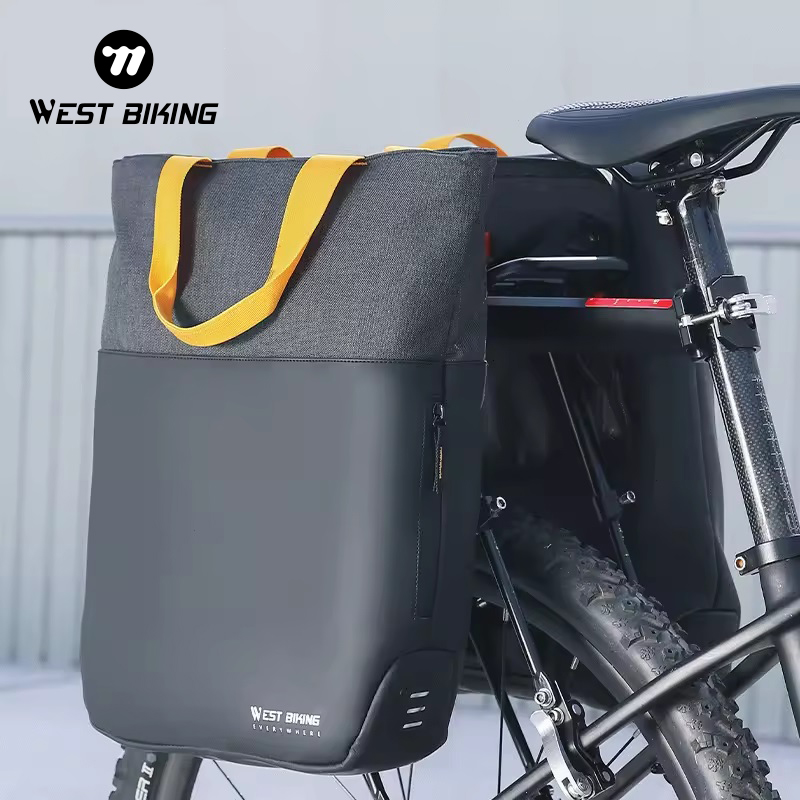
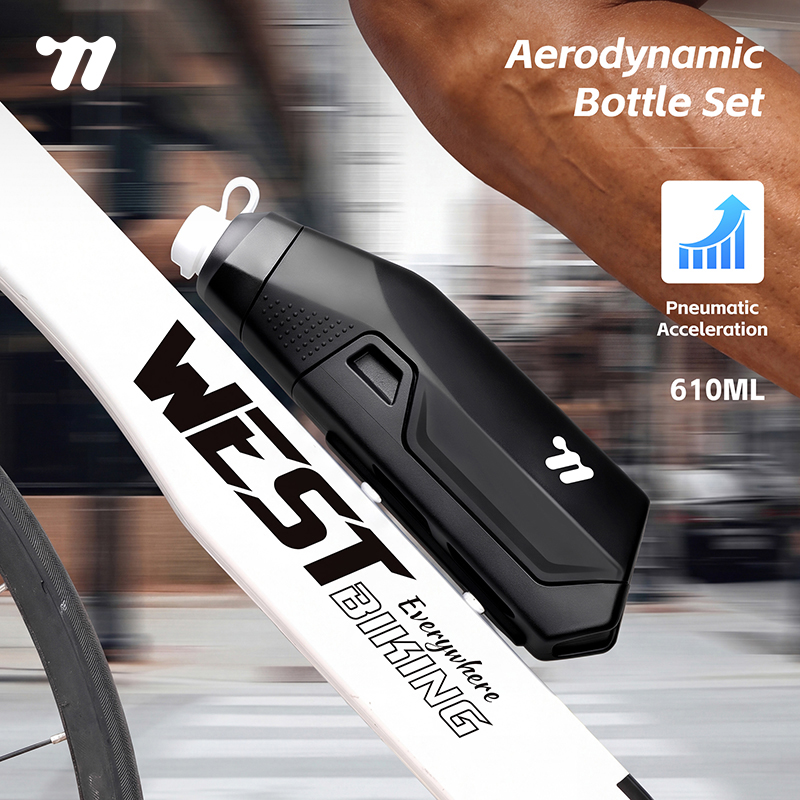
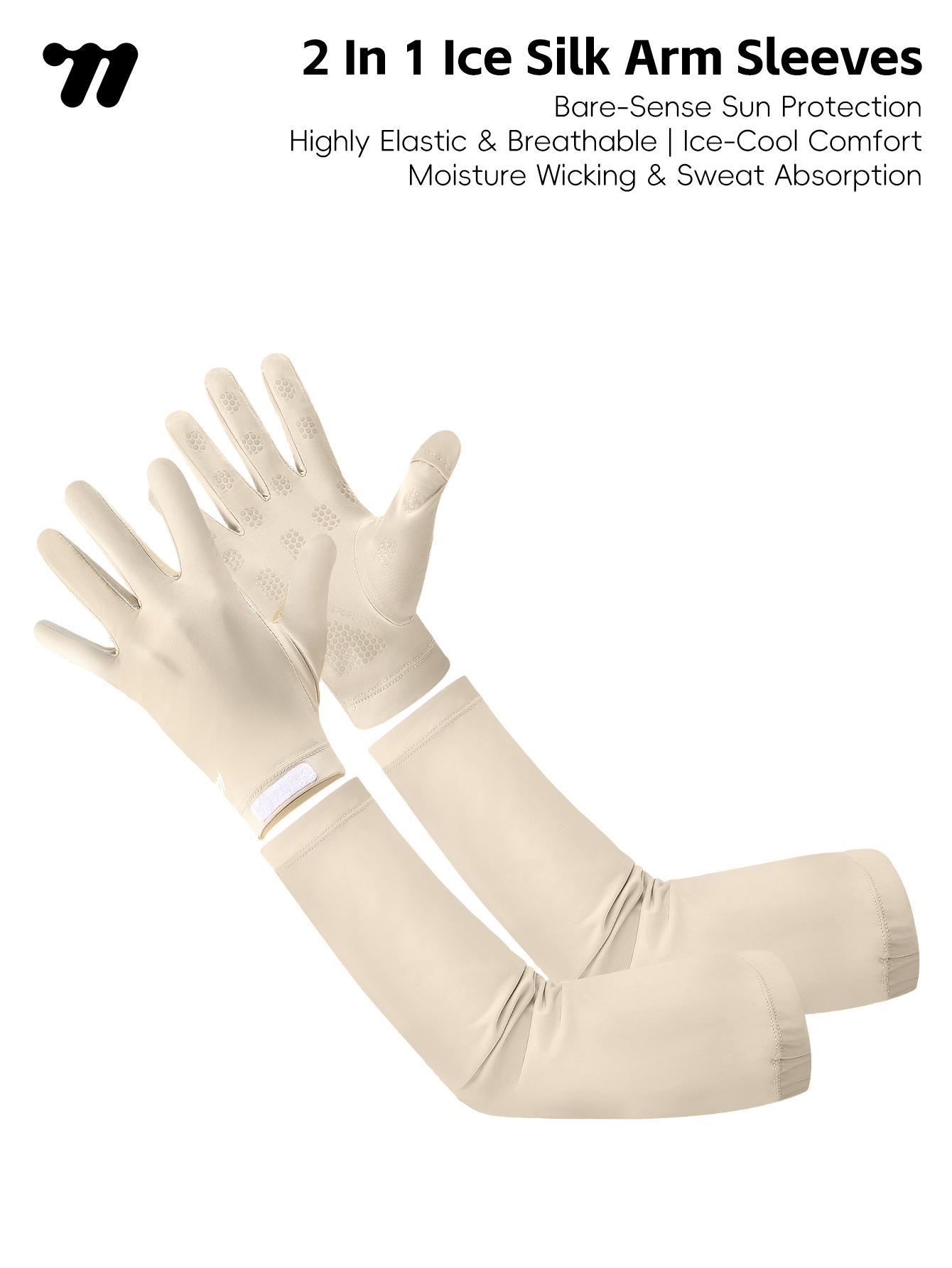
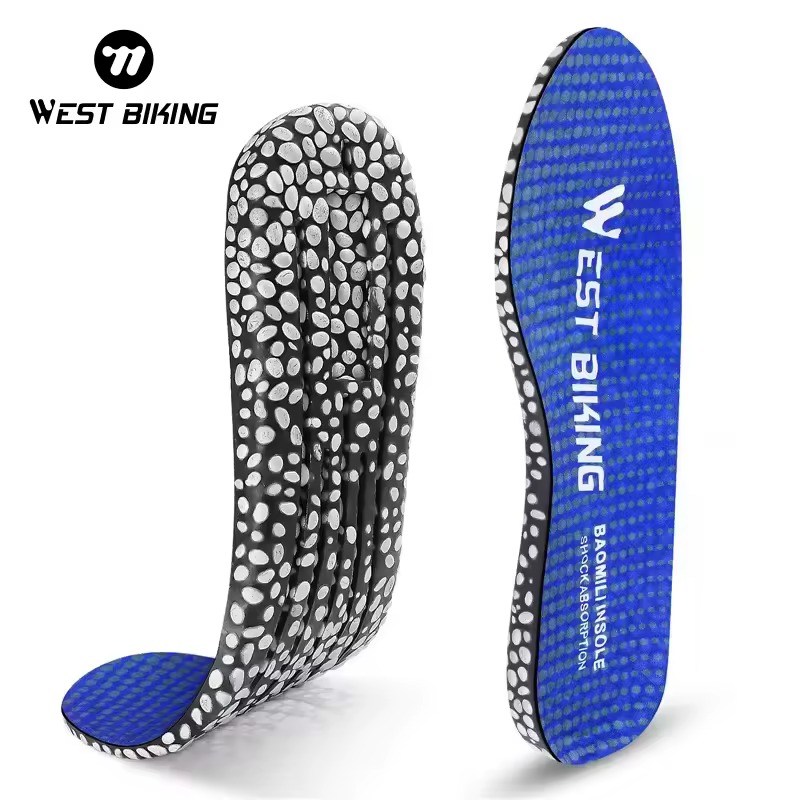
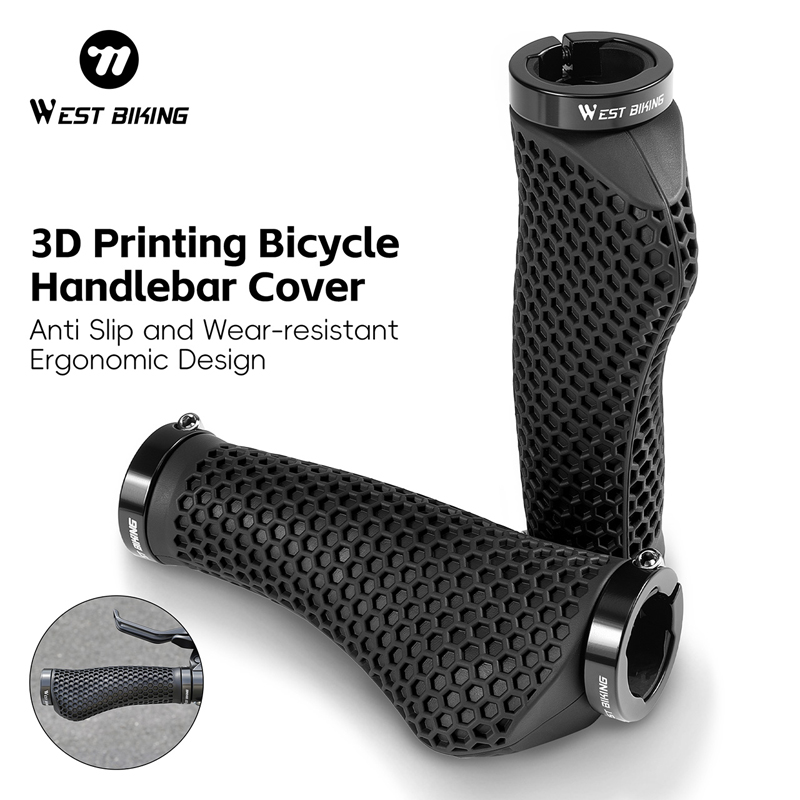
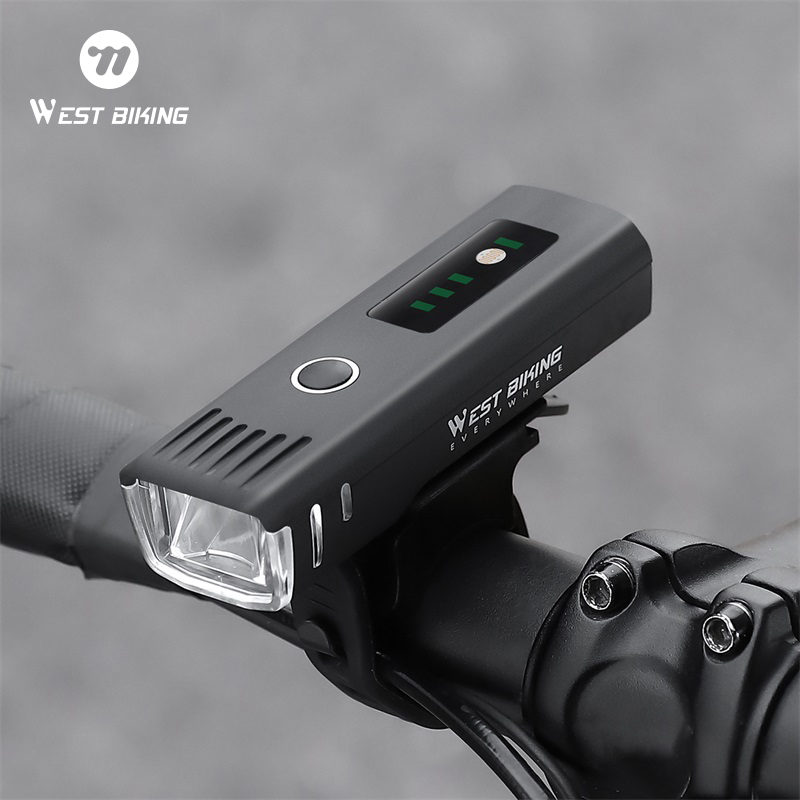
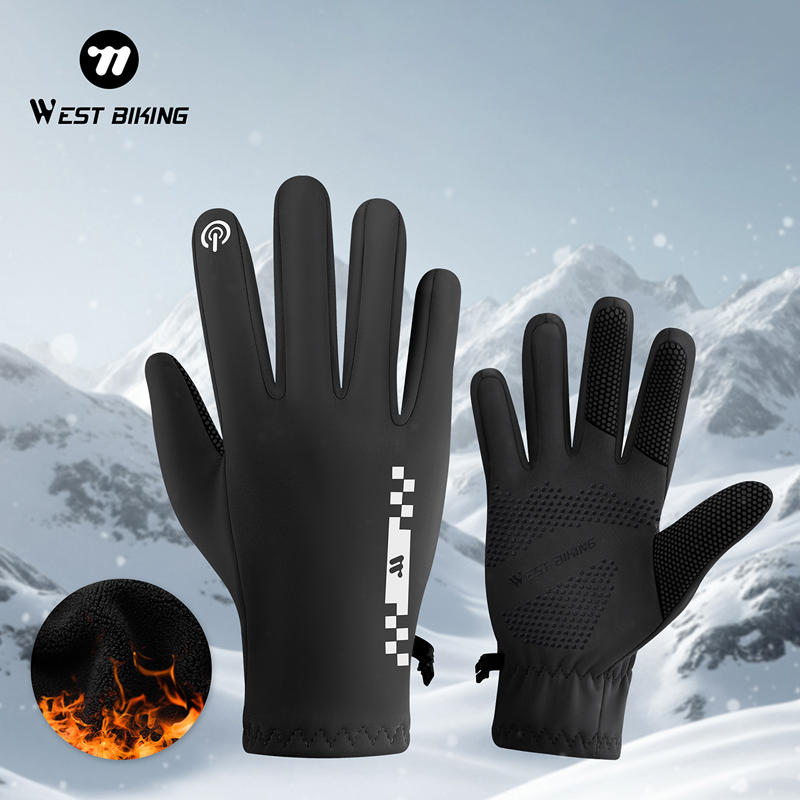
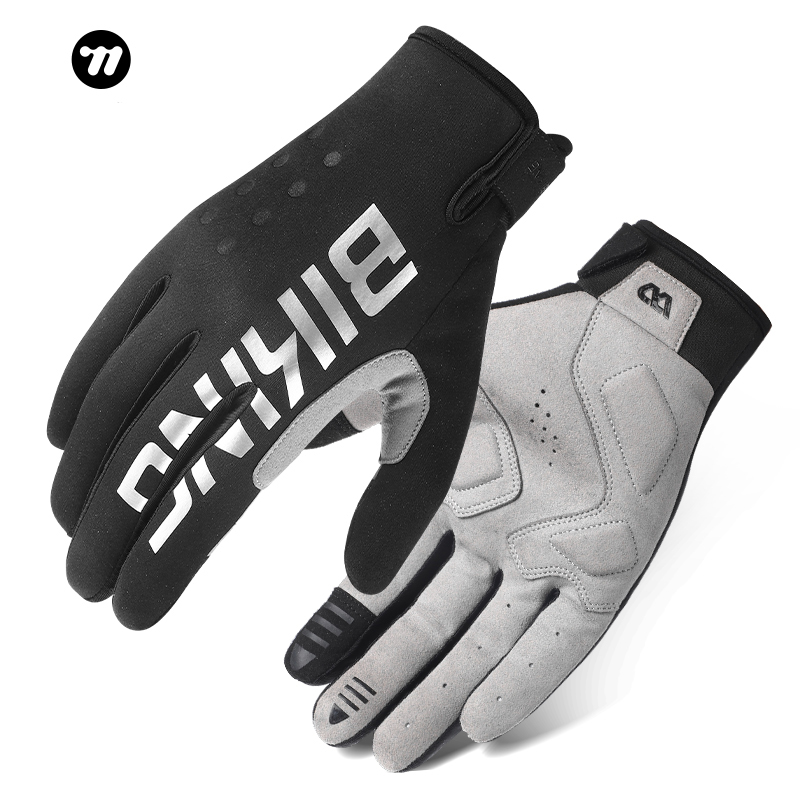
Alongside high-grade resin disc brake compounds, our facility supplies high-turnover accessories engineered to withstand maritime North Atlantic weathering and high-mileage cycling environments.
Resin Matrix Chemistry: Kinetic Energy Absorption in Coastal Ireland
Understanding friction formulation, thermal conductivity dissipation, and low-decibel acoustic resonance for bicycle fleets and professional workshops.
In modern bicycle braking mechanics, disc brake pads serve as the sacrificial friction element in a critical energy transformation system. Kinetic energy is transformed into thermal energy through boundary friction between the brake rotor surface and the brake pad composite. In geographic zones such as Waterford, Ireland, where ambient relative humidity frequently exceeds 80% and road surfaces carry abrasive limestone grit and ocean aerosols from the Celtic Sea, the physical composition of brake pads determines both stopping distance reliability and maintenance lifecycles.
Resin disc brake pads, also widely classified across European workshops as organic or composite pads, are engineered from high-density thermosetting phenolic or epoxy resins blended with organic binding fibers (such as synthetic aramids and Kevlar), finely divided lubricating graphite, mineral fillers, and non-ferrous soft metallic brass or bronze micro-particles. Unlike sintered metallic pads, which depend on fused copper-iron matrices that require high thermal thresholds to achieve peak friction coefficients ($\mu$), our advanced resin formulations deliver instant, linear bite starting from cold ambient temperatures ($10^\circ\text{C}$ to $20^\circ\text{C}$). This acoustic attenuation and immediate kinetic bite ensure that riders along the Waterford Greenway, urban commuters through Waterford City Centre, and cross-country tourers traversing the Comeragh Mountains experience noise-free, predictable modulation.
Aramid Fiber Reinforcement
Continuous synthetic poly-aramid strands interlock the organic resin matrix, enhancing shear strength under sustained downhill braking and preventing micro-fracturing under high hydraulic clamping pressures exceeding 1.2 MPa.
Thermal Anti-Fade Threshold
Compounded with specialized thermal dissipators, our resin mixture retains structural cohesion and high boundary friction ($\mu = 0.38 - 0.44$) up to $280^\circ\text{C}$, resisting the glaze and lever fade typical of entry-level consumer pads.
Acoustic Resonance Dampening
The viscoelastic modulus of the organic resin absorbs high-frequency vibrations before they transfer into the rotor disc, eliminating the notorious high-pitch squeal prevalent during damp Irish morning rides and wet commutes.
| Performance Parameter | PAVI High-Density Resin Formulation | Standard Low-Cost Organic Pads | Sintered Semi-Metallic Compounds |
|---|---|---|---|
| Initial Cold Bite (15°C - 50°C) | Instantaneous (μ = 0.42) | Moderate (μ = 0.33) | Delayed / Requires Pre-heat |
| Rotor Surface Wear Index | Ultra-Low (< 0.008 mm / 1000 km) | Low (0.012 mm / 1000 km) | Severe (0.035+ mm / 1000 km) |
| Braking Noise in Wet Climates | Extremely Quiet (< 58 dB) | Intermittent Squeak (68 dB) | High Pitch Vibration (85+ dB) |
| Backplate Tensile Adhesion | > 5.2 MPa (Thermoset Bond) | 3.1 MPa (Mechanical Rivet/Base) | 4.8 MPa (Direct Sintered Fusion) |
| EU Environmental Status | RoHS / REACH Compliant (Copper-Free) | Variable / Heavy Mineral Dust | Contains High Copper/Heavy Metals |
Tailored Application Demands Across the Waterford Ecosystem
How the unique topography, maritime climate, and burgeoning cycling tourism of Southeastern Ireland dictate wholesale brake pad selection.
The cycling market in County Waterford presents a diverse spectrum of friction requirements that standard off-the-shelf components often fail to satisfy. Stretching 46 kilometers along a decommissioned railway corridor from Waterford City to Dungarvan, the Waterford Greenway represents one of Ireland’s most heavily utilized cycling routes. Hundreds of commercial rental hybrid bicycles and step-through electric touring bikes operate continuously along this corridor from March to October.
Rental operators in Dungarvan, Kilmacthomas, and along The Quay in Waterford require braking consumables that minimize maintenance downtime. In a rental fleet, frequent rotor replacement eats away operating profit. Because resin pads exert gentle mechanical shearing forces upon stainless steel rotors (such as Shimano SM-RT10, RT26, or Tektro standard discs), rotors remain within the legal 1.5mm thickness safety threshold across multiple operational seasons.
Moving inland towards the Comeragh Mountains and the steep gradients of Mahon Falls, gravel enthusiasts and cross-country riders demand fine-tuned lever modulation. Unlike sintered metal, which can lock up wheels on loose glacial gravel tracks, our resin compound offers a gradual, predictable lever ramp-up that keeps riders in control under unpredictable weather fronts sweeping in from the Atlantic.
Workshop Profitability Fact
Independent bike workshops across Tramore and Waterford City report that replacing damaged brake rotors costs the end-customer up to 45% more in parts and labor compared to standard pad service intervals. Recommending high-density resin pads delivers optimal customer satisfaction through smooth, quiet braking and significantly extended rotor longevity.
Emerging Trends Reshaping Brake Component Procurement in Ireland
Key regulatory shifts, e-mobility transformations, and supply chain pressures observed by Irish bicycle distributors and maintenance enterprises.
1. E-Bike Fleet Proliferation
With commuter incentives under Ireland's Cycle to Work scheme expanding to cover high-value pedelecs and cargo bikes, pad wear rates have doubled due to heavier bike curb weights (22–28kg). The Waterford market is actively transitioning toward reinforced backplate resin pads with high compressive modulus to prevent backing plate warping.
2. Direct-to-Workshop Sourcing
Traditional multi-tier European distribution channels have introduced bloated margin layers and delivery backlogs. Independent bike retailers (IBDs) and mobile mechanics across Munster and Leinster are bypassing intermediaries, establishing direct factory connections with audited Asian manufacturers to secure predictable DDP bulk consignments.
3. Strict EU Heavy-Metal Phaseout
Anticipating stringent environmental regulations prohibiting copper particulates in watershed runoffs (critical along the River Suir and coastal Waterford bays), purchasing managers are auditing suppliers for certified low-copper and copper-free organic friction formulations that comply ahead of legal deadlines.
Factory Direct Precision: Why Global Brands Partner with PAVI
Combining world-class production tooling, comprehensive physical lab testing, and agile export infrastructure since 2015.
Yiwu PAVI Technology Co., Ltd. (founded in 2015 in Zhejiang, China) serves as an industry-verified manufacturing and international trade partner for high-demand bicycle components and accessories. Assessed onsite by TÜV Rheinland and verified through stringent Alibaba commercial audits, PAVI bridges the gap between high-volume technical manufacturing and flexible, low-MOQ sourcing requirements demanded by growing distributors in Ireland and across Europe.
Our disc brake pad manufacturing line operates within tight tolerance standards ($\pm 0.05\text{ mm}$ backplate flatness). This level of precision eliminates pad drag, piston misalignment, and uneven taper wear inside hydraulic calipers from Shimano, SRAM, Magura, Tektro, and Zoom. Every production run undergoes automated batch pressing, temperature-controlled curing ovens, surface grinding, and laser batch coding.
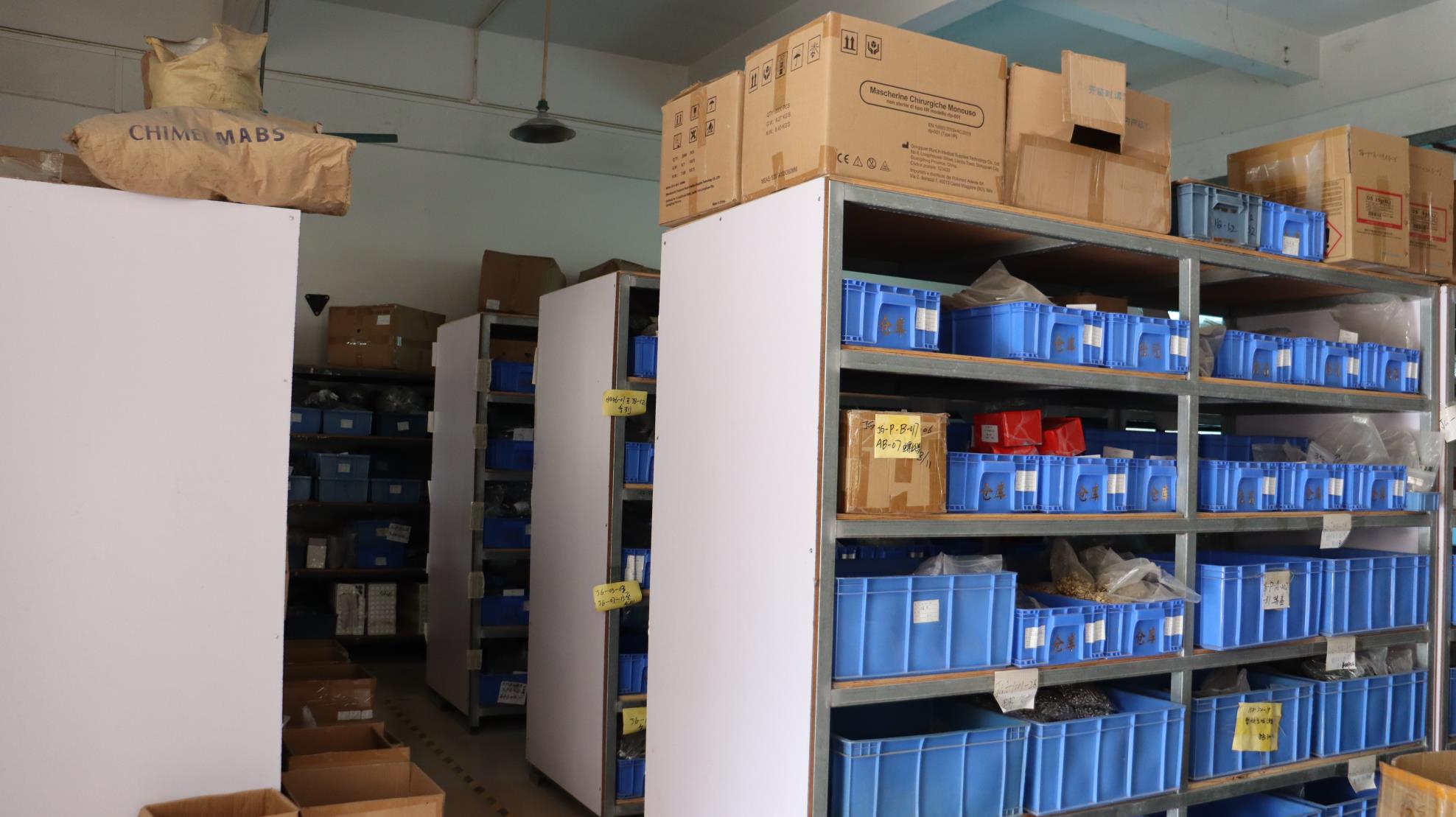
Raw Material & Powder Metallurgy Verification
High-purity phenolic resins, brass filings, and aramid compounds are precisely weighed and blended under sealed, humidity-regulated conditions to ensure batch-to-batch friction uniformity.
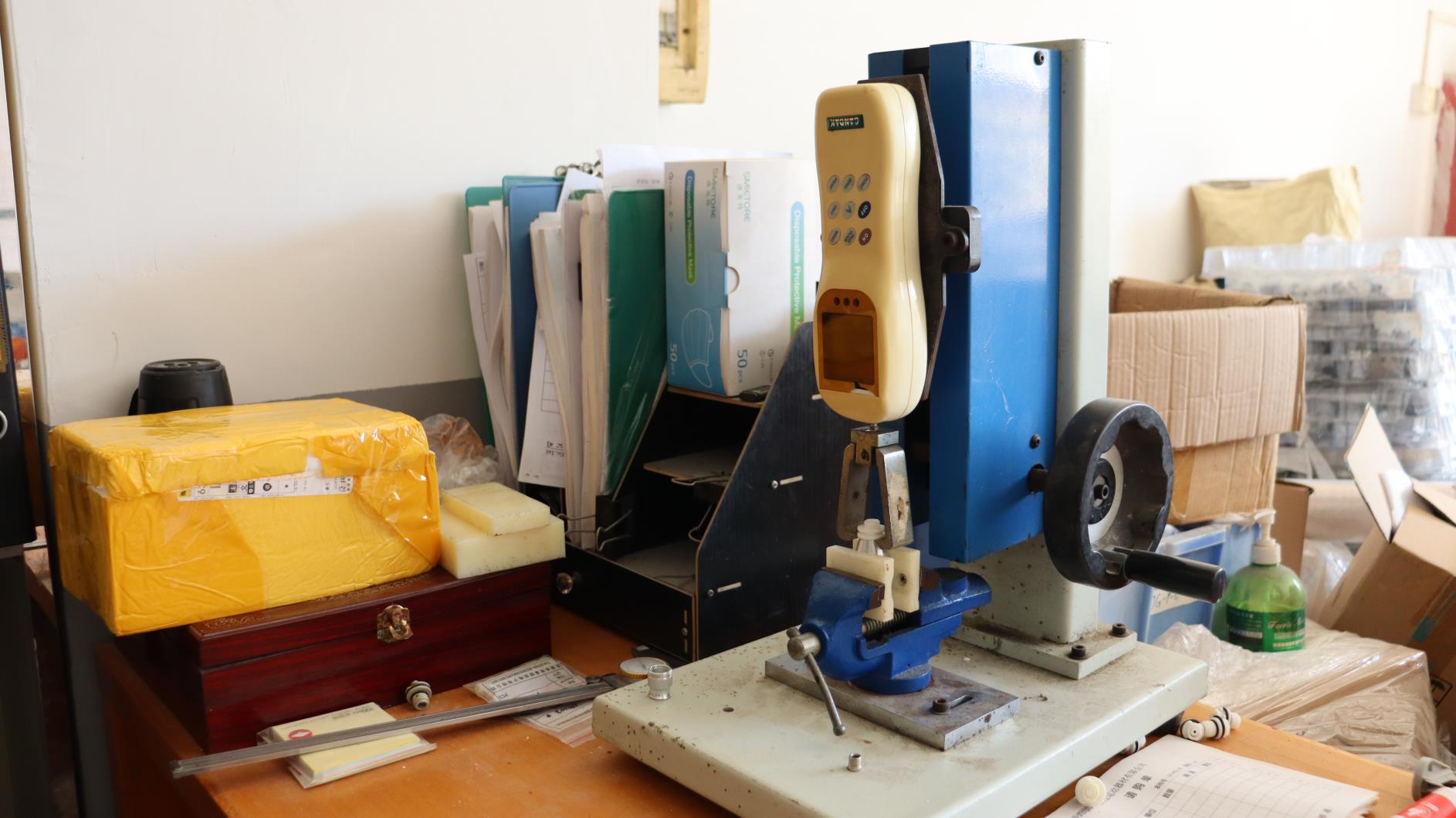
Hydraulic Shear & Tensile Stress Testing
Destructive shear force testing verifies that the chemical adhesion between the friction material block and cold-rolled steel backplate significantly exceeds ISO 4210 and DIN 79100 safety minimums.
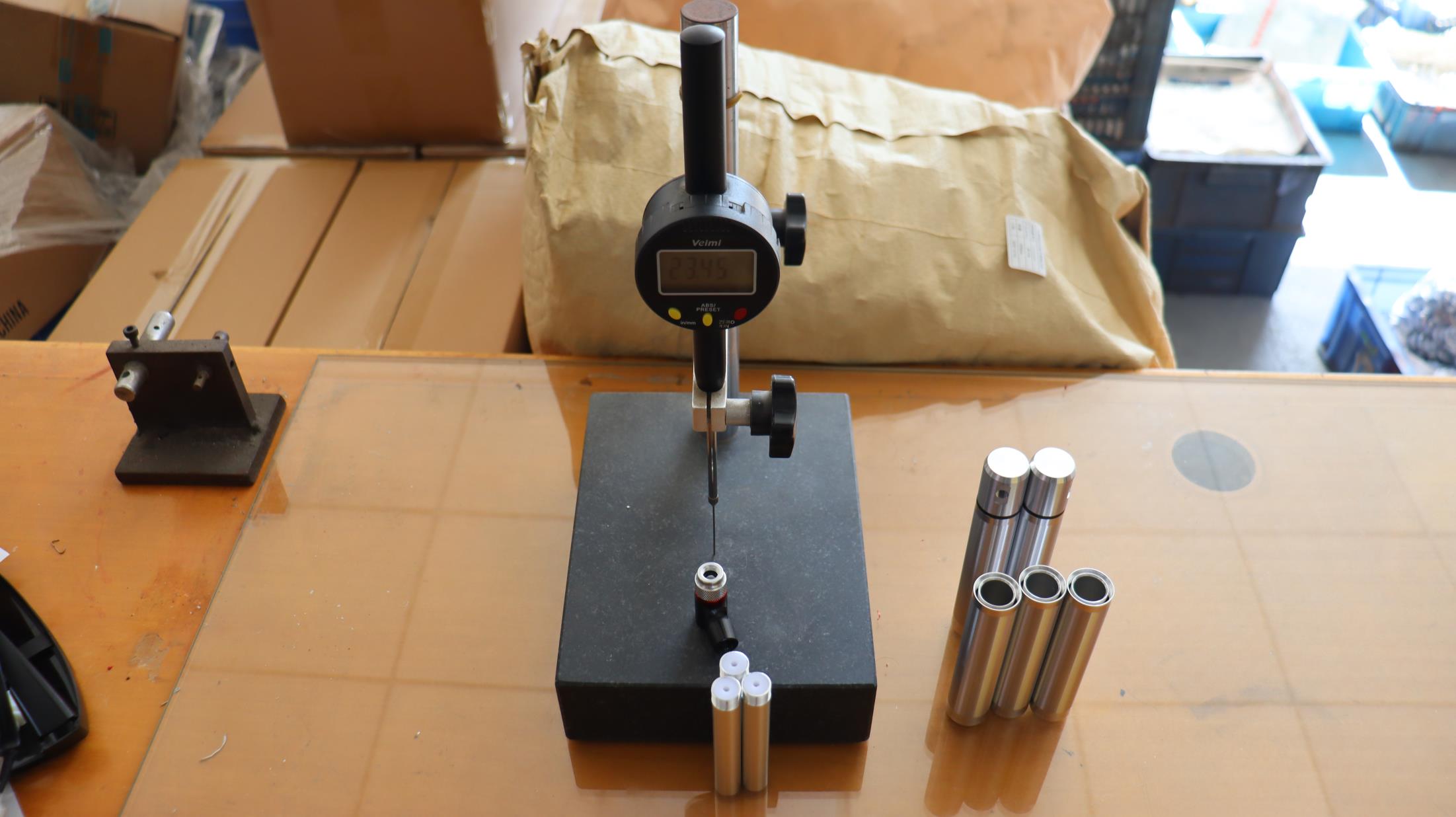
Micrometric Dimensional Verification
Every pad profile undergoes digital caliper and height gauge inspection to guarantee direct drop-in caliper compatibility across B01S, B05S, D-Type, and K-Type caliper standards.
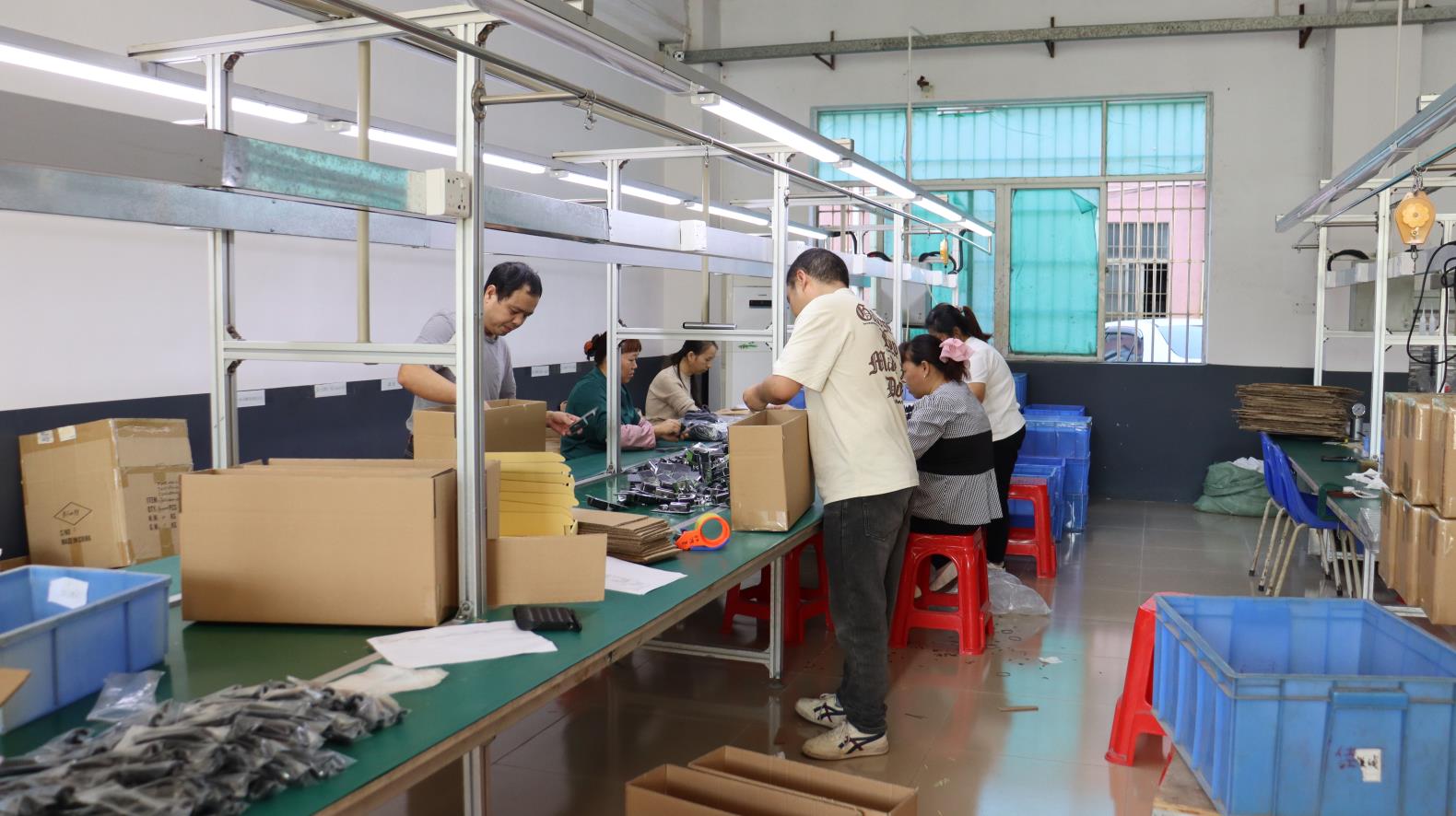
Custom OEM / Private Label Barcode Packaging
Retail blister card packaging, multi-pair workshop bulk bins, custom laser-etched backing plates, and complete EAN-13 barcodes configured to your shop's inventory management specifications.

Frequently Asked Questions by Waterford & Irish Trade Buyers
Real-world technical, logistical, and commercial inquiries answered by our senior engineering and export management teams.
Which caliper models are most requested for Waterford Greenway fleets?
The predominant caliper profile is the Shimano B-Series footprint (specifically compatible with B01S, B03S, and B05S calipers including BR-MT200, BR-M375, and TX805 mechanical units), which powers over 70% of Irish commercial rental bikes. We also maintain large rolling stocks of Shimano L05A/K05S road flat-mount resin pads, Tektro IO/Aquila patterns, and Magura MT-series 4-piston configurations.
How does resin perform against sintered metal in typical Irish wet weather?
While sintered metallic pads offer longer pure lifespans in thick gritty mud, resin pads offer vastly superior cold-bite responsiveness and remain practically silent in wet conditions. For urban commuters, recreational Greenway riders, and gravel touring across Waterford, resin pads provide immediate stopping bite without the prolonged warm-up delay or high-frequency acoustic squeal associated with metallic compounds.
What is the Minimum Order Quantity (MOQ) for Irish workshops and shops?
Our ready-to-ship catalog models require an MOQ starting at just 3 to 5 pairs per SKU. This ultra-flexible threshold empowers independent bike shops in Waterford, Kilkenny, and Wexford to order mixed-model assortments without tying up working capital in thousands of slow-moving units.
What shipping methods and delivery lead times apply to Ireland?
We offer express air freight (5–8 business days via DHL/FedEx) for urgent seasonal re-stocking, along with consolidated air-DDP and sea-freight container options (30–35 days to Dublin or Cork Port) for seasonal wholesale bulk purchases. Under DDP terms, all EU import customs clearance, documentation, and Irish VAT duties are handled seamlessly to your doorstep.
Can you provide custom laser branding and private label blister cards?
Yes. We specialize in OEM/ODM branding programs. We can laser-etch your workshop or brand logo, batch tracking numbers, and wear indicator lines directly onto the steel or alloy backplates. Furthermore, we design and produce custom euro-slot retail blister packaging for store display racks at low custom production quantities.
What is the recommended bedding-in protocol for new pads?
To establish a uniform microscopic transfer layer of resin material onto the steel rotor track, mechanics should perform 20 to 30 controlled decelerations from 25 km/h down to walking pace (without completely locking the wheels). This process cures the pad surface evenly, maximizing braking power and preventing premature glazing during damp Atlantic rides.
Connect Directly with Our Engineering & Export Team
Request instant caliper compatibility matrices, volume quote tiers, material safety data sheets (MSDS), or sample evaluation kits delivered directly to your workshop in Waterford or anywhere in Ireland.