Winter Warmth
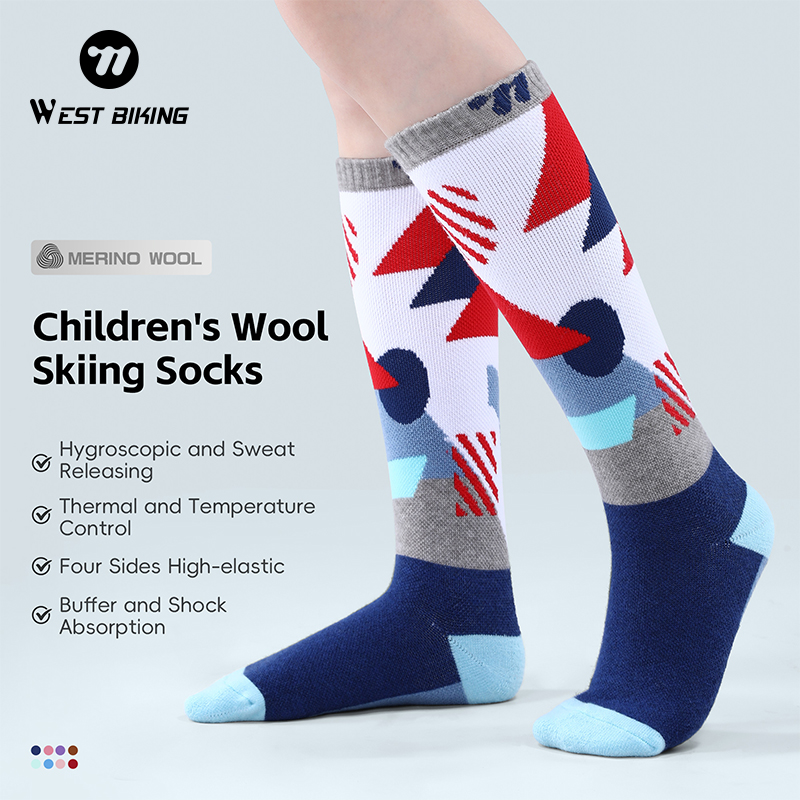
WEST BIKING Winter Warm Merino Wool Skiing & Cycling Socks
- Thermal retention merino blend
- Anti-blister reinforced sole cushioning
Matches on this page are highlighted. No match? You will be taken to the full product catalog.
Selected high-turnover inventory engineered for demanding urban commutes, Swiss alpine cross-country routes, and high-standard European retail channels.
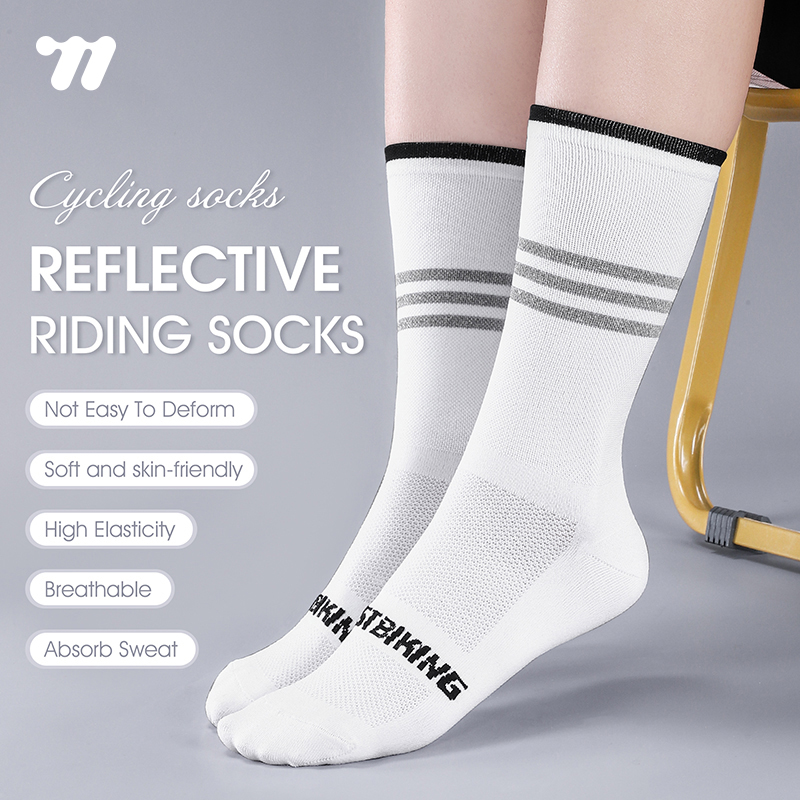
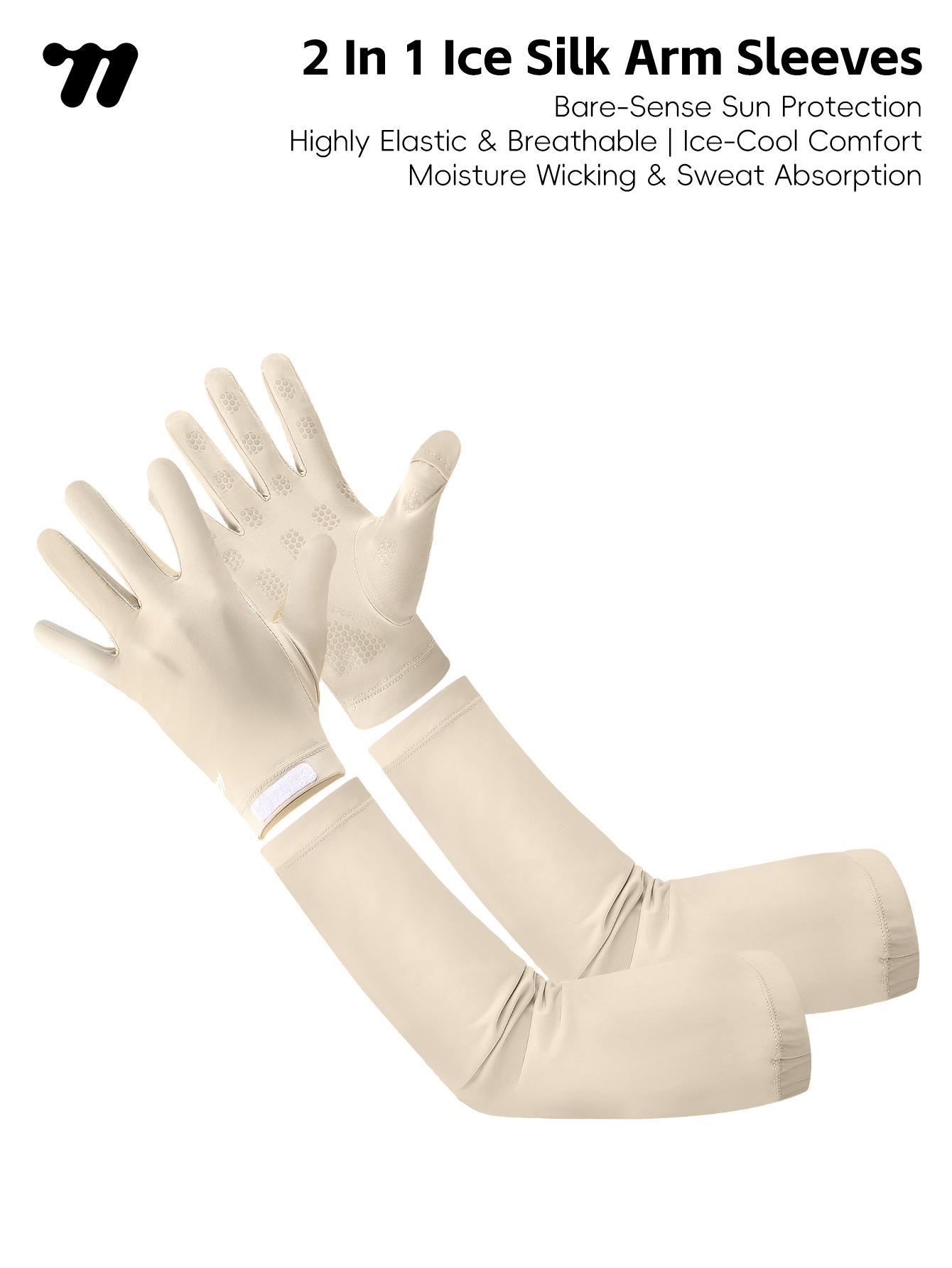
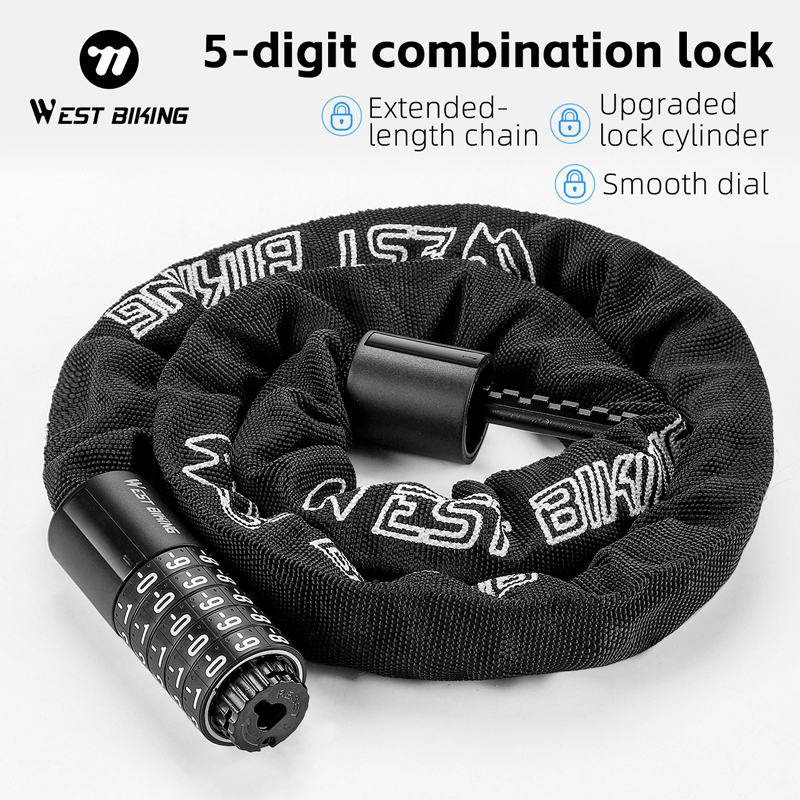
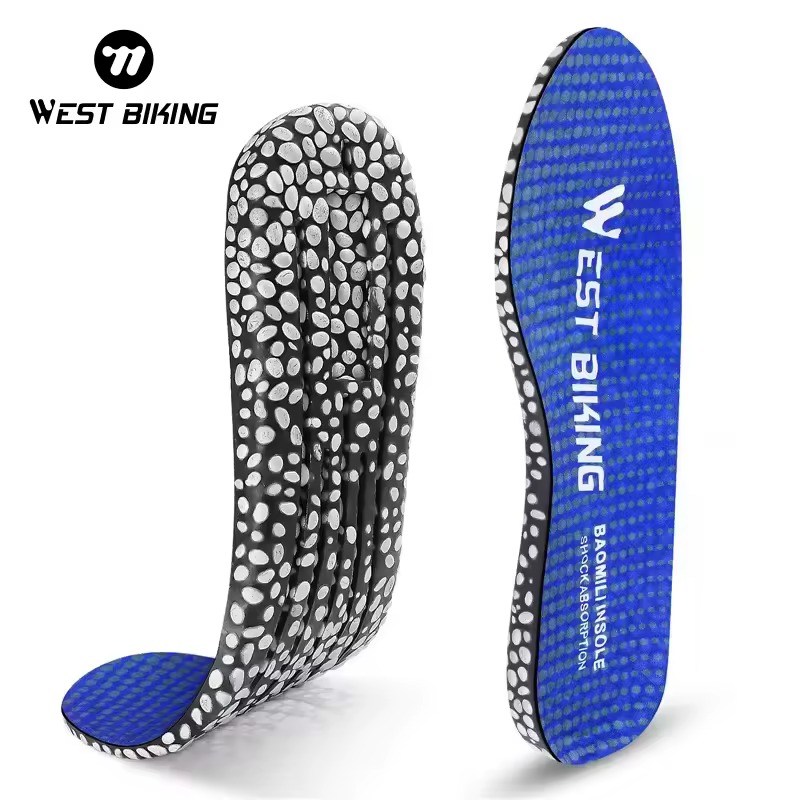
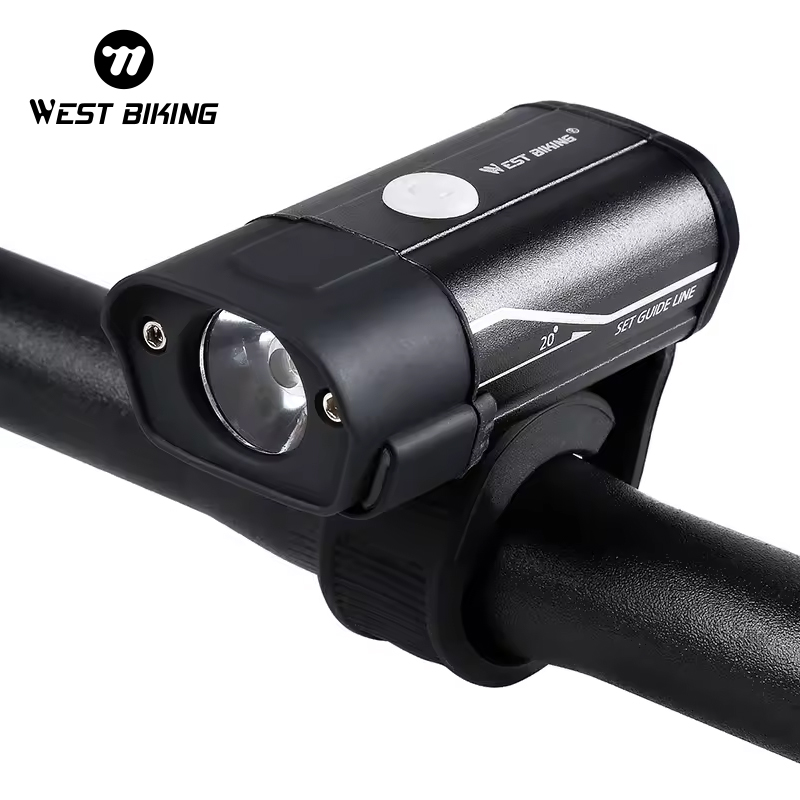
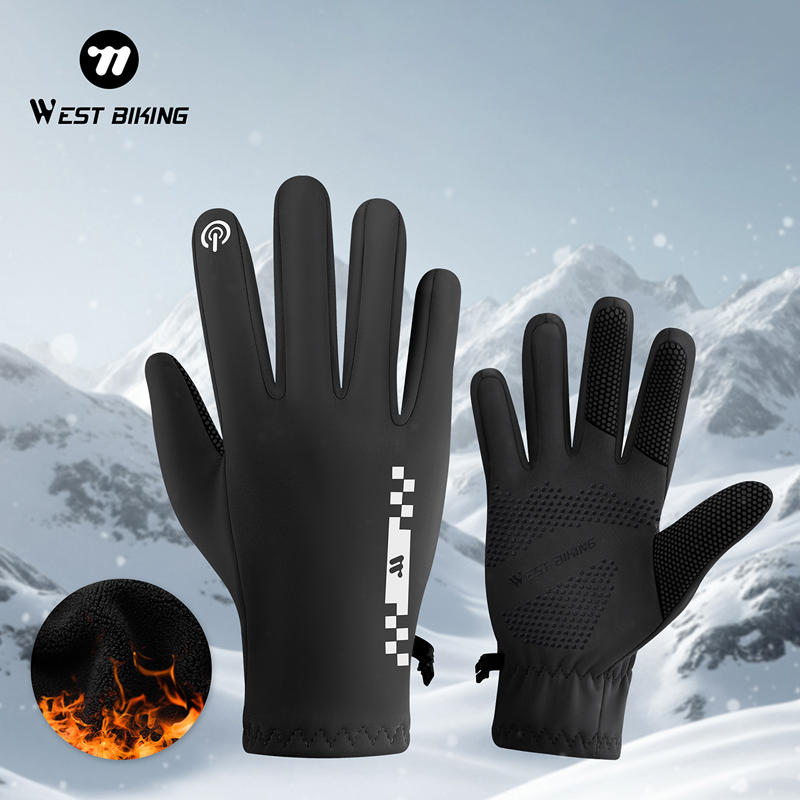
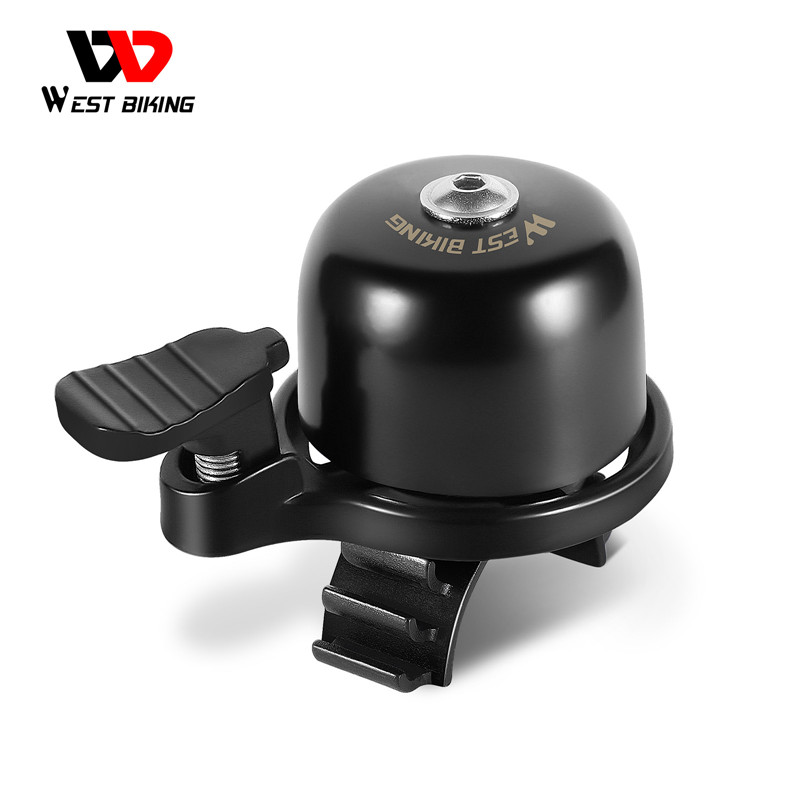
Optical distribution dynamics, sub-zero battery retention, and regulatory compliance under Swiss Federal Ordinances (VTS Art. 213–218).
The urban agglomeration of Greater Zurich, spanning the Limmat Valley, Lake Zurich perimeter, and peri-urban gradients toward Uetliberg and the Zurich Oberland, presents an intricate operational matrix for active illumination systems. As the Canton accelerates its multimodal decarbonization agenda under the framework of the Veloweg-Gesetz (Cycling Paths Act) and Zurich's Municipal Mobility Strategy 2030, bicycle and fast e-bike (S-Pedelec) usage has shifted from seasonal recreation to year-round, mission-critical transportation. In response, rechargeable bike lights must transition from consumer gadgets to rugged, optoelectronically sophisticated safety devices capable of functioning under punishing environmental stressors and stringent Swiss federal road transport legislation.
A primary friction point in European illumination procurement—particularly across the DACH economic region (Germany, Austria, Switzerland)—is beam geometry. Standard symmetric conical beams emitted by uncalibrated high-power flashlights flood oncoming motorists, transit operators on the Zurich VBZ tram corridors, and oncoming cyclists with disorienting glare (lux scatter above the horizontal plane). Under the Swiss Road Traffic Act (SVG) and the technical requirements outlined in the Verordnung über die technischen Anforderungen an Strassenfahrzeuge (VTS, SR 741.41, specifically Articles 213 to 218), illuminated vehicles must project a steady, non-dazzling beam during nocturnal conditions or when visibility is reduced by weather.
At Yiwu PAVI Technology Co., Ltd. (operating through our dedicated engineering lines and WEST BIKING development divisions), our optical engineers utilize customized poly-methyl methacrylate (PMMA) Total Internal Reflection (TIR) free-form lenses coupled with physical internal baffles. This architecture creates a precise horizontal cut-off line analogous to automotive low beams: luminous flux is concentrated onto the asphalt surface between 5 meters and 25 meters ahead of the bicycle, achieving up to 80–120 Lux ground-level illuminance while maintaining less than 1.5 Lux at eye-level for oncoming traffic. This architectural design ensures compliant deployment across Zurich's dense mixed-use cycling routes, such as the Langstrasse underpass and the riverside paths along the Sihl.
The microclimate of the Zurich basin between November and March is characterized by frequent temperature inversions, cold humidity off Lake Zurich, and sustained freezing periods with ambient temperatures dropping below -5°C to -10°C. Standard commercial lithium-ion cobalt oxide (LiCoO2) battery packs suffer catastrophic electrolyte viscosity increases in these thermal conditions, resulting in severe internal impedance spikes, voltage drops, and up to a 60% loss in rated capacity within 30 minutes of sub-zero exposure.
To guarantee operational reliability for Zurich distributors and daily bike commuters, PAVI’s rechargeable front lights and smart tail lights integrate premium cylindrical and pouch cells utilizing Nickel-Manganese-Cobalt (NMC) chemistries combined with low-temperature electrolyte additives. Furthermore, our proprietary Battery Management System (BMS) integrates Negative Temperature Coefficient (NTC) thermistors that execute dynamic thermal throttling. When the system detects extreme sub-zero operation, current draw is modulated to generate controlled internal self-heating across the battery core without compromising cycle life. Overcharging, deep-discharge, and short-circuit protections are embedded directly into the solid-state controller, complying fully with UN38.3 transport safety benchmarks and CE/IEC 62133 battery directives.
| Engineering Parameter | Standard Consumer Lights | PAVI OEM Zurich-Specification Grade | Operational Advantage in Canton Zurich |
|---|---|---|---|
| Optical Horizon | Circular spotlight, 360° symmetric scatter | Asymmetrical free-form TIR lens with sharp horizontal cutoff | Zero glare to oncoming drivers on Bahnhofstrasse; avoids police citations. |
| Discharge at -10°C | 35% – 45% remaining effective capacity | > 78% remaining effective capacity via low-temp chemistry | Prevents sudden headlight failure during mid-winter suburban commutes. |
| Thermal Housing | Molded ABS / Polycarbonate plastic | Aviation-grade 6061-T6 CNC extruded aluminum alloy | High thermal dissipation prevents LED junction degradation during stops. |
| Recharging Protocol | Legacy Micro-USB (slow current rate) | Universal USB Type-C with Power Delivery (PD) handshake | Aligned with European single-charger mandates; charges rapidly in offices. |
| Tail Light Deceleration Sensing | Simple vibration switch (false positives) | 3-Axis MEMS accelerometer with digital filtering algorithms | Accurate brake illumination during rapid descents down the Zurichberg. |
Developing viable cycling gear for Zurich requires deep familiarity with the canton's geography, infrastructure, and urban sociology. Products engineered by PAVI address explicit local operational challenges:
Zurich's historical central districts (Altstadt, Niederdorf, Enge) feature extensive tram rail networks (VBZ) and wet cobblestone surfaces. Bike lights require vibration-resistant silicone strap assemblies and precision CNC aluminum brackets that absorb high-frequency road vibrations without shifting the focal angle downward or dislodging from the handlebar.
Mountain bikers descending from Uetliberg or the trails around Adliswil encounter dense, unlit forest canopy. Here, riders demand dual-mode systems: an anti-glare low-beam mode for paved ascents and a high-burst 1600+ lumen high-beam flood mode to detect tree roots, wet limestone, and sudden gradient shifts during night descents.
Under revised Swiss traffic mandates enacted in April 2022, all electric bicycles (both 25 km/h E-Bikes and 45 km/h S-Pedelecs) must operate with permanent daytime running lights. PAVI’s smart sensor lighting integrates ambient photodiode sensors that toggle low-draw daytime pulse modes, maximizing rider visibility in traffic without depleting batteries.
"In Switzerland, cycling safety is no longer defined merely by how many raw lumens an LED emitter can produce in a laboratory setting. Sourcing managers and bike shop owners in Zurich prioritize thermal balance, glare containment, and mechanical survivability against continuous moisture and salt spray. PAVI bridges the gap between cost-effective manufacturing scale and Swiss technical expectations."
PAVI Quality Assurance & Engineering Division — Technical White Paper SeriesUnderstanding procurement trends allows commercial buyers to capture higher gross margins and minimize unsold inventory. Our multi-year export intelligence for the Swiss and broader Western European markets reveals three pivotal structural trends:
A. Accelerated Fast E-Bike Adoption & Integrated Micro-Mobility: Zurich boasts one of Europe's highest concentrations of premium S-Pedelecs (commuter e-bikes reaching 45 km/h used for inter-city travel between Winterthur, Baden, and Zurich City). Users on these platforms travel at vehicular velocities, requiring lights with longer beam throw (reaching 50–70 meters forward) and integrated deceleration sensing in rear units. PAVI’s smart brake tail lights utilize advanced 3-axis micro-electro-mechanical (MEMS) accelerometers that ignore road bumps while reacting within 0.2 seconds to mechanical braking, instantly firing an ultra-bright steady brake warning.
B. USB-C Harmonization & Universal Interoperability: Conforming to European Union and Swiss circular economy guidelines, Swiss consumers reject non-standard proprietary charging cables. In response, our entire rechargeable lineup has been re-architected with direct USB Type-C high-durability ports fitted with dual-lip silicone dust caps that maintain IPX6 ingress protection even when subjected to pressurized bike wash sprays.
C. Consolidation of Bike Accessory Supply Chains: Swiss importers face exceptionally high domestic warehousing and handling costs. Sourcing single SKUs from disjointed vendors creates unmanageable shipping overhead, administrative customs burdens, and inconsistent brand presentation. By leveraging PAVI's multi-category capabilities—spanning rechargeable lights, cold-weather apparel, titanium-axle pedals, hardened chain locks, and high-pressure electric air pumps—Zurich wholesalers can consolidate comprehensive seasonal catalogs onto a single commercial invoice with low MOQs and streamlined DDP (Delivered Duty Paid) clearance.
Operating since 2015 from Zhejiang's advanced light-industry corridor, Yiwu PAVI Technology Co., Ltd. provides verified end-to-end B2B manufacturing backing.
Our operations have undergone stringent on-premises verification by Alibaba.com and independent third-party assessment by TÜV Rheinland. Legal identity, export facilities, production capacities, and QC workflows are thoroughly audited and documented.
Every lighting SKU is subjected to rigorous testing: integrating sphere spectrophotometer checks for accurate lumen output, goniophotometer beam analysis, -20°C to 60°C thermal shock cycling, and automated 1.2-meter drop and ingress splash verification.
We eliminate inventory strain for distributors. Test new models with trial orders starting from 2 to 5 units. For customized branding, we provide laser engraving, bespoke anodized colorways, tailored packaging, and custom user manuals in German, French, and English.
Before placing purchase orders for rechargeable lighting inventory destined for Swiss distribution, commercial buyers should mandate verification of the following six technical checkpoints:
Essential guidance on minimum order quantities, Swiss customs, regulatory compliance, and OEM customization procedures.