Aero System
Matches on this page are highlighted. No match? You will be taken to the full product catalog.
Pre-inspected export inventory engineered for all-weather durability, high turn-rates, and multi-category consolidation into Tartu, Tallinn, and the greater Baltic region.

As the cultural heart of Estonia, European Capital of Culture 2024, and the pioneer of the nationally celebrated Tartu Smart Bike Share (Tartu Rattaringlus), Tartu has cultivated one of the most progressive urban cycling cultures in Northern Europe. Nevertheless, its geographical positioning in South Estonia creates an extreme operational envelope for commuter and performance cyclists alike.
Tartu experiences prolonged, humid-continental winters where temperatures routinely oscillate between -5°C and -22°C from November through April. Urban transit across arterial corridors—such as the bridges spanning the cold mist of the Emajõgi River (Kaarsild, Rahu sild, and Kroonuaia sild)—exposes commuters to biting head-winds, acute humidity, and wind-chill factors that induce facial numbness, bronchial spasms, and rapid eye wear fogging. Concurrently, historic residential zones including Karlova and Supilinn heavily utilize traditional wood-stove heating during cold snaps, creating concentrated localized pockets of fine particulate matter (PM2.5 and PM10 smoke particulates) trapped beneath cold atmospheric inversions.
Consequently, the Tartu market demands far more than basic cosmetic neck warmers. Commercial retailers, cycling boutiques, and outdoor equipment distributors in South Estonia require advanced technical cycling masks and balaclavas engineered specifically with dual-action properties: high-thermal micro-polar thermal protection combined with non-restrictive, condensate-expelling filtration architecture.
Targeted product matching engineered for specific micro-environments, commuting habits, and winter racing fixtures throughout the Tartu region.
Riverside paths feature hyper-saturated humid air and sharp headwinds. Daily commuters using Tartu Rattaringlus pedelecs require:
Dense residential neighborhoods in historic districts witness seasonal increases in solid-fuel wood smoke and particulate matter:
High-cadence gravel, MTB endurance, and winter training along the Tähtvere Sports Park and rolling South Estonian drumlins:
Standard cotton or untreated synthetic fabrics are hazardous in Baltic sub-zero cycling: they absorb moisture from exhaled breath, saturate quickly, and freeze into a solid icy crust that causes facial frostnip and severe hypothermia. PAVI Technology supplies advanced cold-climate face gear utilizing multi-tiered composite textile engineering:
| Fabric System | Structural Composition | Thermal / Permeability Rating | Optimal Tartu Riding Temperature | Primary Target SKU |
|---|---|---|---|---|
| Wind-Shield 3-Ply Softshell | 100D Polyester + TPU Breathable Membrane + Microfleece | Windproof 0 CFM, RET < 8 m²Pa/W | 0°C down to -20°C | Full-Face Arctic Thermal Balaclava |
| Aero-Breathe Lycra Spandex | 88% Polyester, 12% Elastane with Brushed Backing | High Elasticity (4-Way Stretch), Quick-Dry < 15 min | +5°C down to -5°C | Transitional Mid-Season Neck Gaiter |
| Melt-Blown Carbon Composite | 5-Layer Filtration (Spunbond + Melt-blown + Activated Carbon) | Particle Filtration Efficiency (PFE) ≥ 95% | Year-Round Urban Use | Valved Urban Commuter Filter Mask |
| Thermo-Vented Neoprene | 2.5mm Perforated SBR Rubber laminated with Nylon | Waterproof Outer, Impact & Severe Wind Barrier | -5°C down to -25°C | Heavy-Duty Winter Half-Face Mask |
Every model in our export lineup undergoes rigorous tensile, abrasion-resistance, and condensation-evacuation testing before dispatch. This ensures that sports retailers in Tartu, Voru, and Viljandi receive products engineered to withstand both mechanized washing cycles and punishing field conditions.
How municipal investments, shifting demographic habits, and European trade policies impact seasonal purchasing decisions for Baltic retail buyers.
Due to first-tier maintenance on Tartu's protected cycleway corridors and stud-tire adoption, winter cycling is no longer a fringe sport. It is a mass municipal commuter habit, quadrupling the year-round sell-through of balaclavas, lobster gloves, and smart brake lights.
With pedelecs maintaining a continuous cruising velocity of 25 km/h with lower muscular effort than acoustic bikes, riders produce less internal body heat while suffering higher apparent wind chill. This drives demand for specialized windproof thermal face gear.
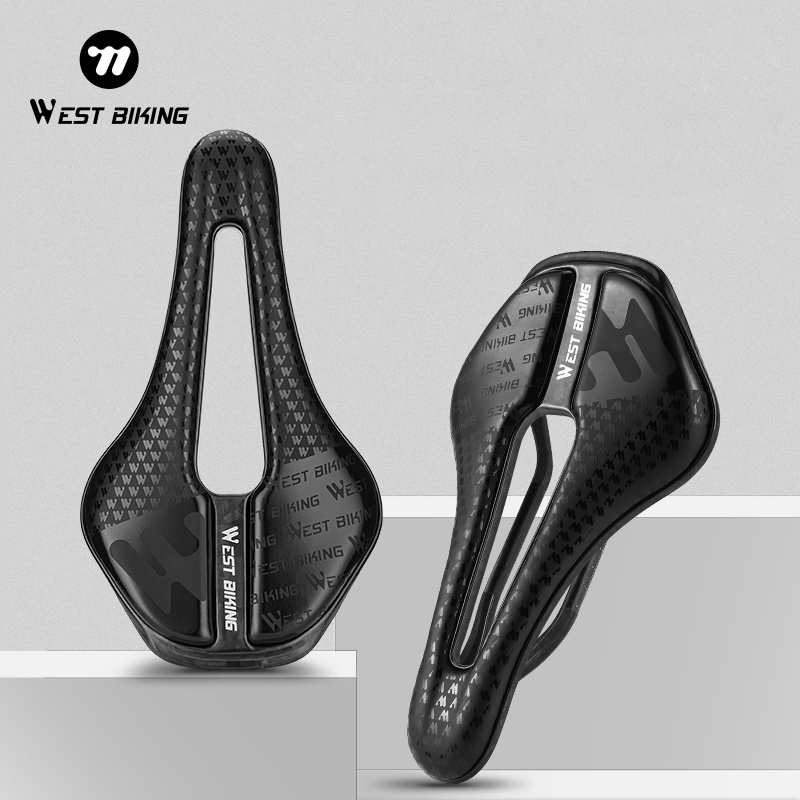
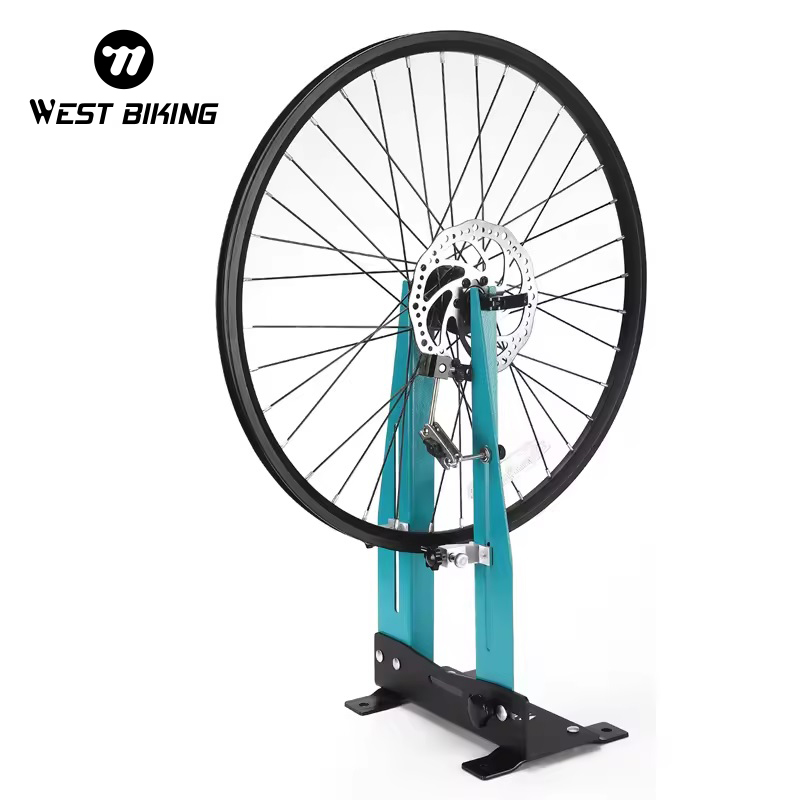
Estonian importers are moving away from single-factory silo sourcing. Instead, buyers consolidate masks, saddles, carbon wheelsets, repair stands, and locks into single shipments under unified DDP contracts to slash port-clearance overhead at Muuga or Paldiski.
Headquartered in the global manufacturing epicenter of Zhejiang, China, Yiwu PAVI Technology Co., Ltd. has functioned as an onsite-verified supplier and manufacturer since 2015. Combining direct manufacturing assets with vetted multi-category consolidation lines, we eliminate middlemen while guaranteeing European compliance standards.
Full operational legitimacy verified onsite. Our production facilities, testing capabilities, export records, and management structures are authenticated by independent third-party European assessors.
Most catalog SKUs, including thermal masks and cycling hardware, start at just 1 to 5 pieces. This allows Tartu bike shops and Baltic e-commerce startups to test novel colorways and fits without capital lockup.
Custom silk-screening, laser branding on hardware, customized retail blister packaging with Estonian/English EU-compliant labeling, and dedicated ODM product prototyping from CAD blueprints.
Essential trade details covering shipping, import duties, material safety, trial assortments, and private labeling for businesses operating in Estonia.