Featured Accessories & Outdoor Hydration Equipment
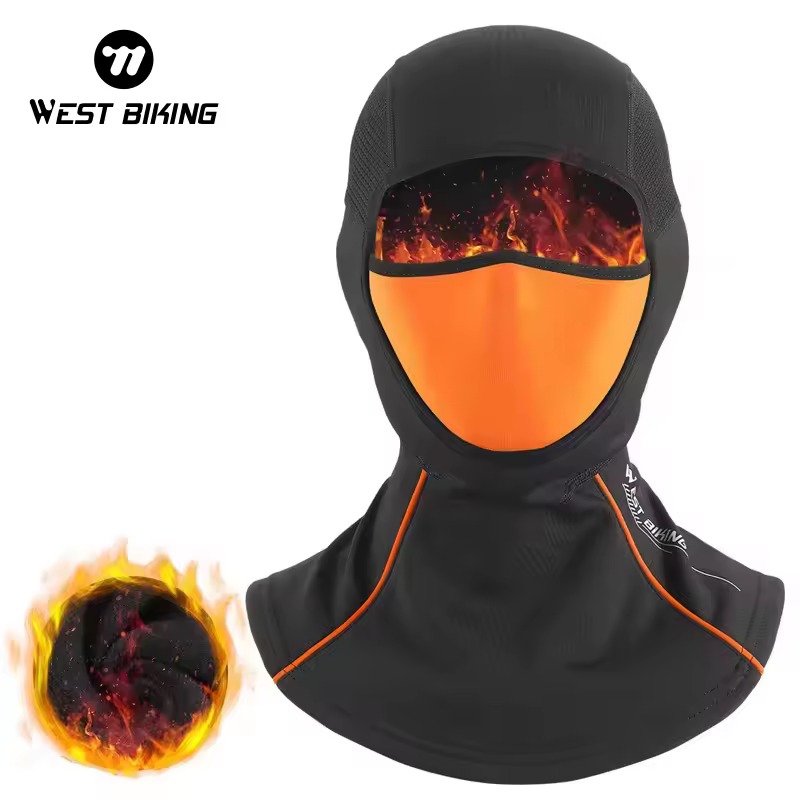
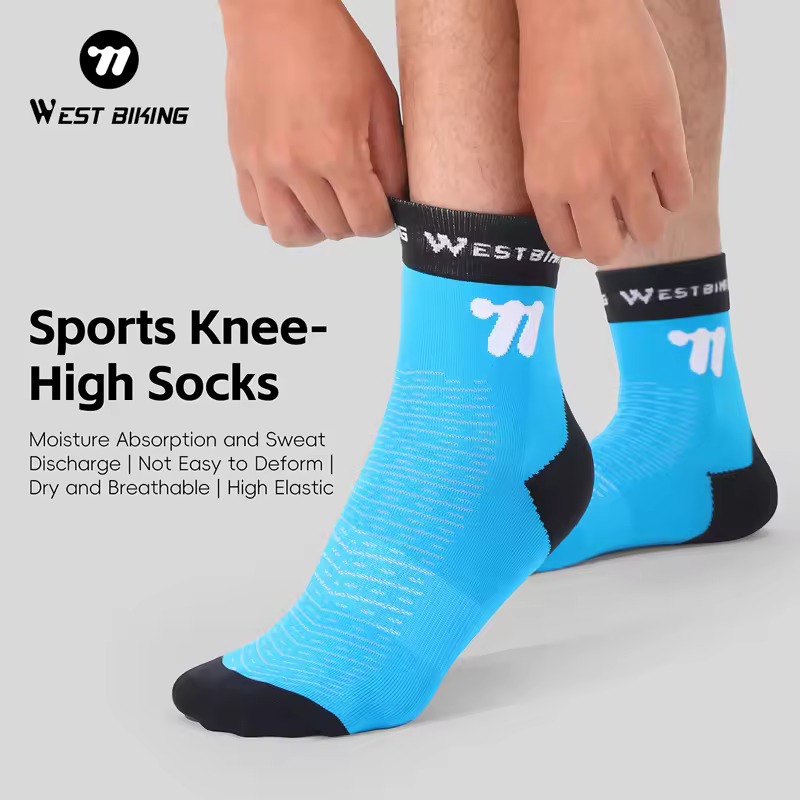
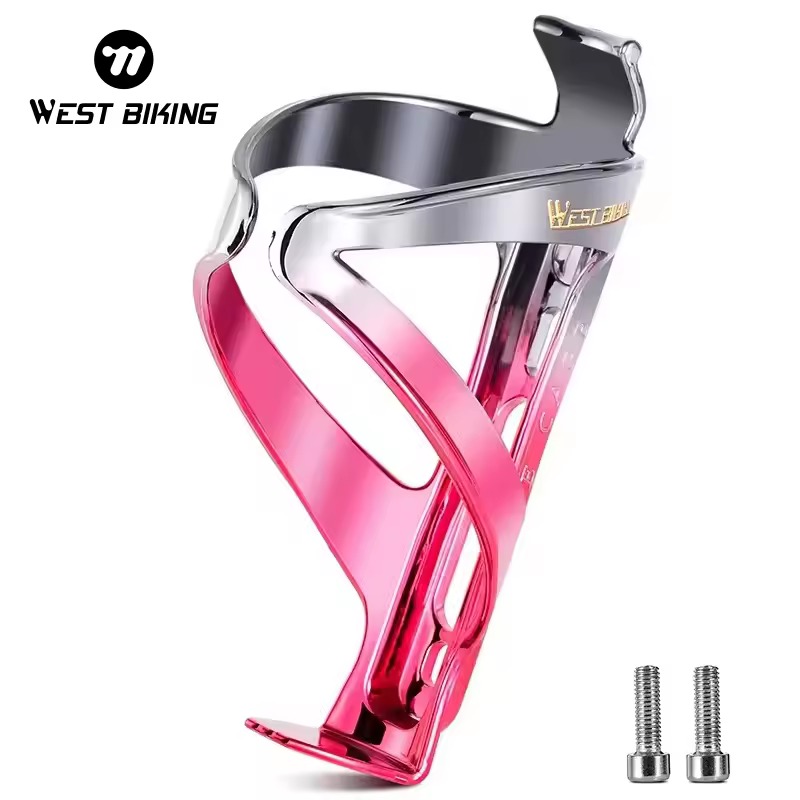
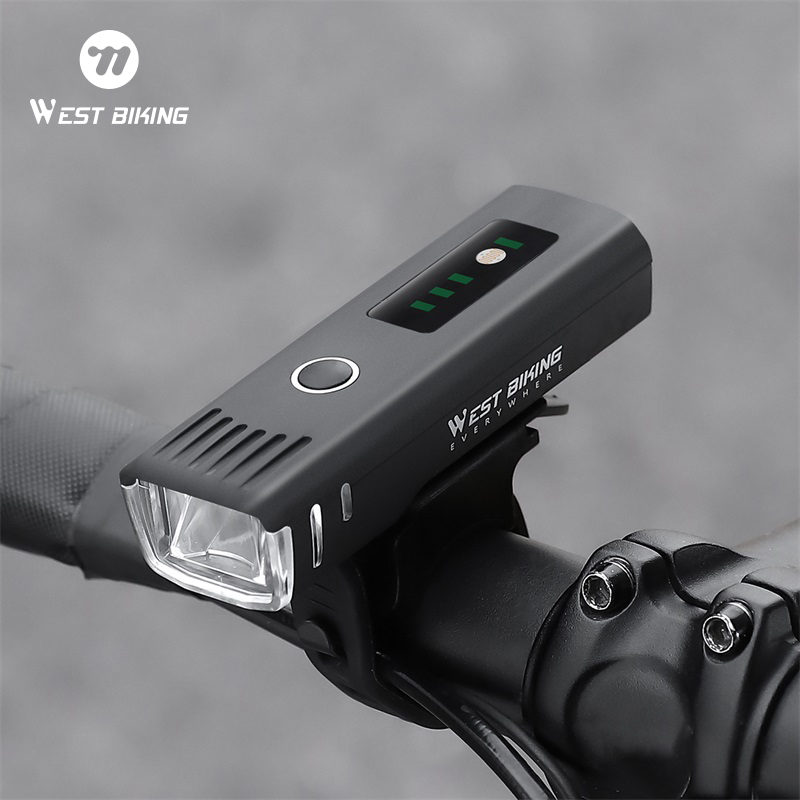
Synergistic outdoor sports components, bottle cages, and endurance apparel ready for mixed-container consolidated maritime freight to Basseterre.
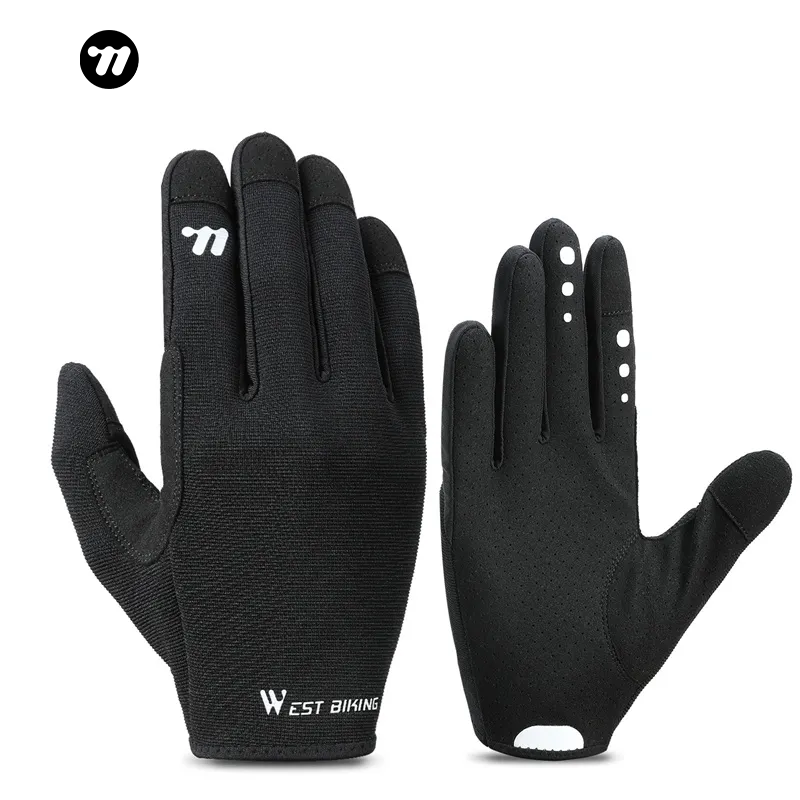
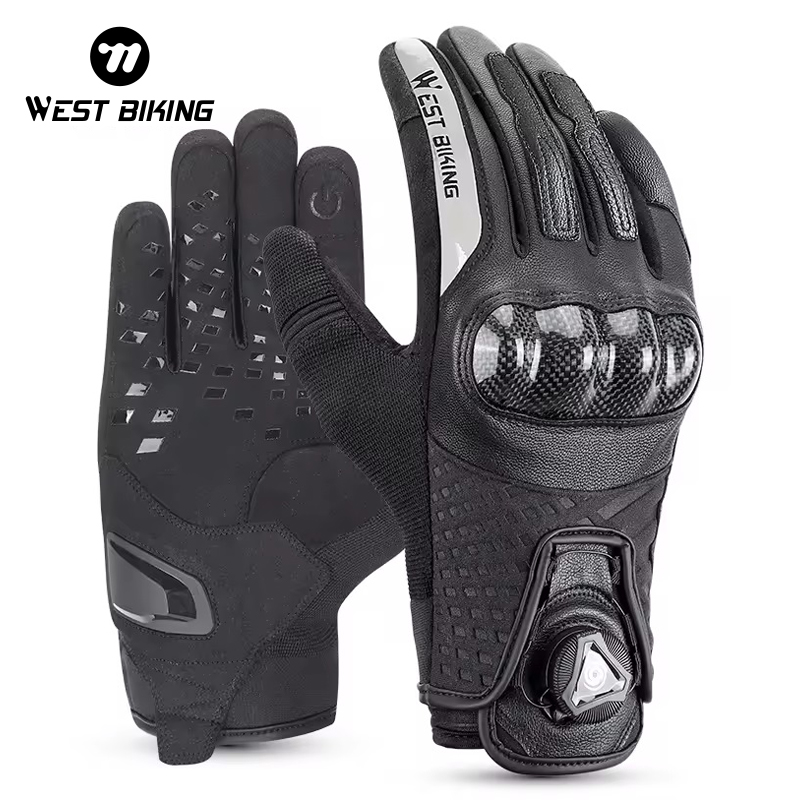
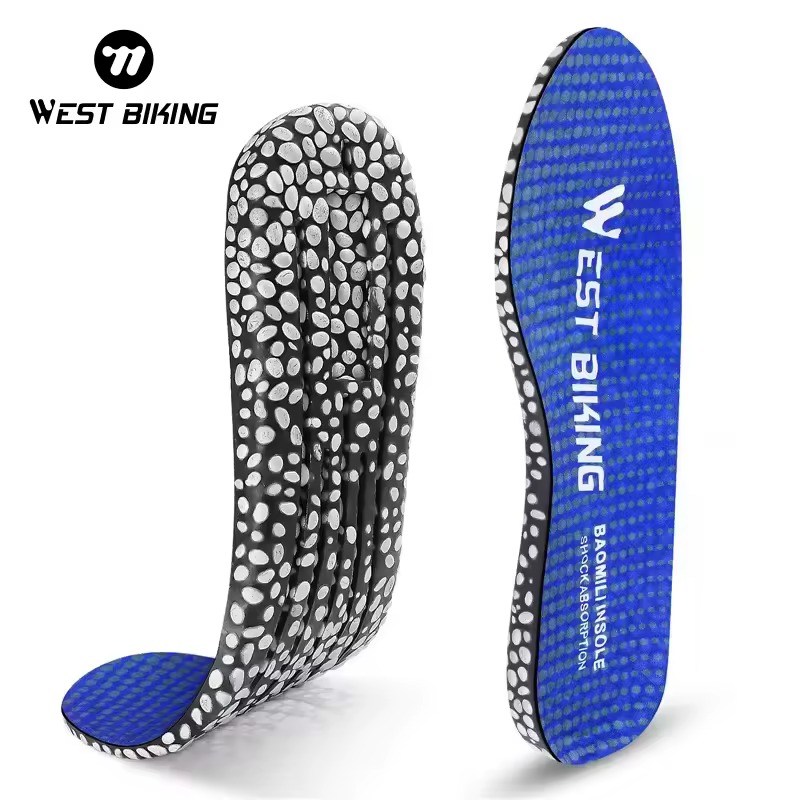
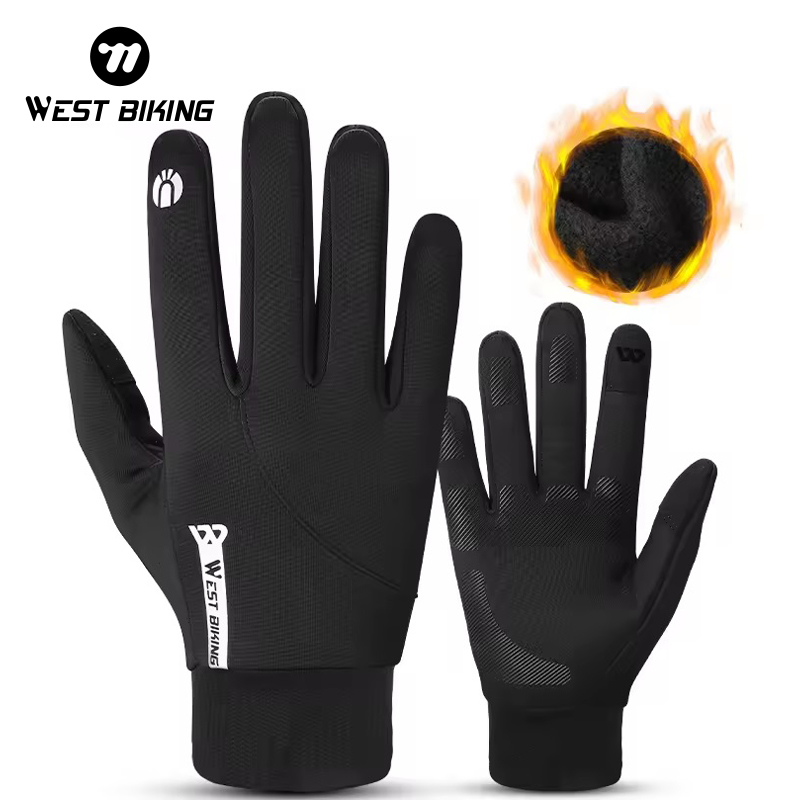
Engineering Collapsible TPU Hydration Flasks for Tropical Caribbean Climates
An industrial evaluation of Thermoplastic Polyurethane (TPU) molecular architectures, radio-frequency weld seams, and plastic-reduction mandates in the Federation of Saint Christopher and Nevis.
In high-performance endurance, marine tourism, and tropical overland adventures, the standard rigid polyethylene terephthalate (PET) or high-density polyethylene (HDPE) water container presents severe mechanical and environmental liabilities. For institutional importers, sporting retail chains, and cruise tour concessionaires operating in Basseterre, the transition to Thermoplastic Polyurethane (TPU) collapsible soft bottles is driven by both material superiority and changing regulatory frameworks. Unlike rigid bottles that consume identical shipping and packing volume whether full or empty, a collapsible TPU flask compresses by up to 82% when depleted, preventing internal liquid sloshing and eliminating dead transport cubic volume.
1. Molecular Performance & Material Property Comparison
Thermoplastic Polyurethanes bridge the gap between flexible rubber and rigid engineering thermoplastics. Below is the laboratory-verified comparison detailing why polyether-based soft flasks outperform rival elastomers in Caribbean supply chains:
| Physical / Chemical Property | Medical/Food-Grade Polyether TPU | Standard Polyester TPU | Liquid Silicone Rubber (LSR) | Rigid Polyethylene (HDPE/PET) |
|---|---|---|---|---|
| Hydrolytic Stability (85°C / 90% RH) | Exceptional (No Degradation) | Poor (Subject to Chain Cleavage) | High | High |
| Tensile Strength (MPa) | 45 – 55 MPa | 35 – 45 MPa | 8 – 12 MPa | 20 – 30 MPa |
| Volumetric Collapse Ratio | 82% - 88% Total Reduction | 80% - 85% Reduction | 50% - 65% (Bulky Walls) | 0% (Rigid Vessel Dead-Space) |
| Odor & Leaching (BPA/Phthalate) | 100% Zero Taste Leaching | Potential Oligomer Odor | Inert (Low Odor) | Antimony/Acetaldehyde Traces |
| Abrasion Resistance (DIN 53516) | < 25 mm³ Loss | < 35 mm³ Loss | > 120 mm³ Loss (Prone to Tear) | > 90 mm³ Loss |
| Radio-Frequency (RF) Weldability | Molecular-Level Fusion | Moderate Fusion | Cannot RF Weld (Adhesives) | Thermal Fusion Only |
2. Localized Application Scenarios Across Basseterre & Saint Kitts
Wholesale distribution of collapsible TPU flasks in Saint Kitts and Nevis does not merely satisfy general sporting utility; it directly integrates into three high-velocity economic hubs centered around the Basseterre terminal and outward eco-tourism circuits:
Port Zante Cruise & Excursion Retail
Over 1 million cruise visitors disembark at Basseterre’s deep-water berths annually. Cruise passengers undertaking walking tours through Independence Square or Brimstone Hill Fortress require ultralight, pocket-stowable hydration gear that fits in daypacks without excess bulk.
Mount Liamuiga Volcano & Rainforest Trekking
Technical rain forest ascents demand compact hydration bladders and flexible flasks resistant to puncturing from volcanic basalt and tropical flora. Polyether TPU's superior tear strength (>80 N/mm) prevents sudden punctures during steep backcountry treks.
Resort Wellness & Single-Use Plastic Elimination
In accordance with CARICOM environmental protocols and Saint Kitts’ sustainable island initiatives, luxury resorts along Frigate Bay and the Southeast Peninsula are phasing out single-use PET bottles in favor of custom-branded, reusable TPU soft flasks for guests.
3. Caribbean Regional Procurement & Sustainability Trends
The Caribbean Basin has entered an aggressive environmental transition. Island governments are actively legislating the curtailment of single-use disposable plastics to preserve coral reef ecosystems and reduce municipal landfill burden. For commercial suppliers and retail importers based in Basseterre, import tariffs and consumer sentiment increasingly disfavor single-use bottled water.
By transitioning to collapsible TPU water bottles, commercial distributors provide a sustainable solution that aligns with international eco-standards. Furthermore, the volumetric efficiency during ocean transit offers a dramatic reduction in landed logistics overhead: while a sea carton holding 100 rigid bottles is 80% empty air, the same carton volume packs up to 450 collapsible TPU flasks. This dramatically lowers the per-unit CIF freight cost at the Basseterre Deep Water Port.
Industrial Manufacturing & Testing Architecture
How Yiwu PAVI Technology Co., Ltd. ensures every batch meets extreme tropical durability standards before shipping.
Why Caribbean Wholesalers Partner with PAVI Technology
Founded in 2015 in Zhejiang, China, Yiwu PAVI Technology Co., Ltd. has established an integrated supply chain ecosystem verified on-site by international certification authorities, including TÜV Rheinland. With a versatile catalog that spans cycling gears, protective apparel, and high-performance hydration systems, our operational advantages are engineered to support long-distance overseas buyers:
1. Low-Risk Scalable MOQs: We eliminate the financial barrier of massive initial factory runs. Ready-to-ship catalog gear starts from as low as 1 to 5 pieces, while custom OEM logo printing on collapsible TPU bottles starts from low minimums, allowing Basseterre retailers to test market responsiveness without capital lockup.
2. Multimodal Export Logistics: Navigating maritime routes into the Leeward Islands requires meticulous export documentation. PAVI manages end-to-end documentation including Bills of Lading, Commercial Invoices, Certificates of Origin, and complete MSDS/UN laboratory reports for frictionless customs clearance at Port Zante and Caribbean transshipment hubs.
3. Comprehensive Catalog Consolidation: Consolidate your inventory under one roof. Mix collapsible TPU soft flasks with vacuum-plated bottle cages, high-pressure mini pumps, smart sensor LED lights, and moisture-wicking apparel within a single Bill of Lading (BL) to drastically reduce landing fees and import brokerage charges.
Basseterre B2B Procurement FAQ
Everything Caribbean buyers need to know regarding materials, logistics, branding, and long-term durability.
Why is polyether TPU preferred over cheaper PVC or silicone for Saint Kitts?
What is the standard shipping lead time to Basseterre Deep Water Port?
Can we print resort or corporate logos on the collapsible bottles?
How do TPU soft flasks withstand high mineral or chlorinated Caribbean municipal water?
Can we combine collapsible water bottles with cycling gear in a single shipment?
What quality assurance certifications are provided with the shipments?
Launch Your Custom TPU Hydration Line in Basseterre
Direct factory pricing, custom branding, low-MOQ trial orders, and consolidated sea/air freight for retailers, resorts, and distributors across Saint Kitts and Nevis.