Short Reach
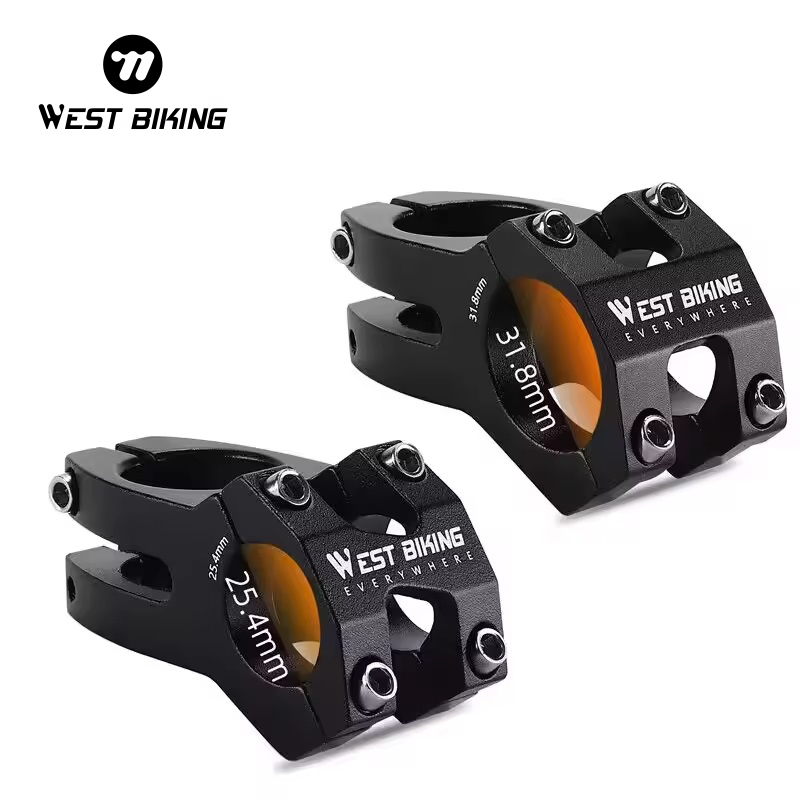
WEST BIKING Mountain Bike Aluminum Alloy Hollow Handle Stem
AL6061-T6 Hollow
31.8mm / 25.4mm
CNC Anodized
Matches on this page are highlighted. No match? You will be taken to the full product catalog.
Precision-tested cockpits, high-torque clamping stems, responsive telemetry mounts, and complementary accessories calibrated for demanding urban commuting, cargo mobility, and rugged Ardennes/Terres Rouges cycling paths.
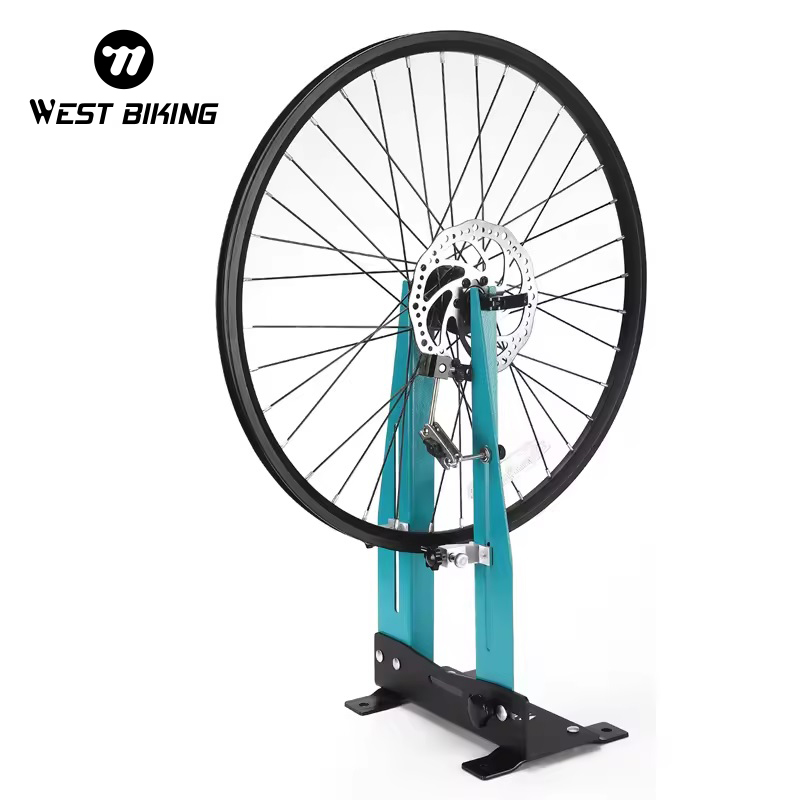
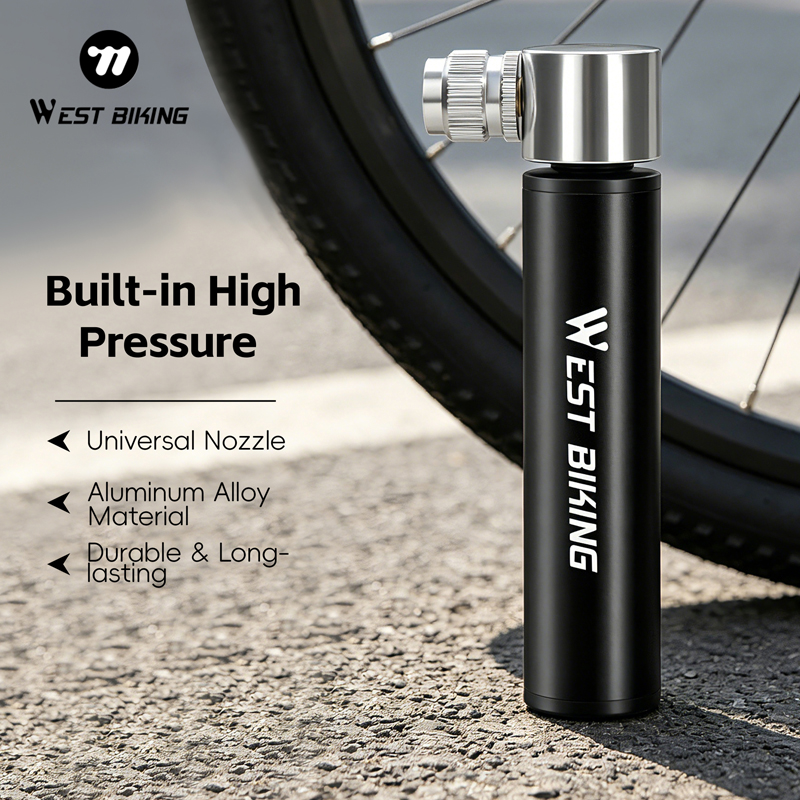
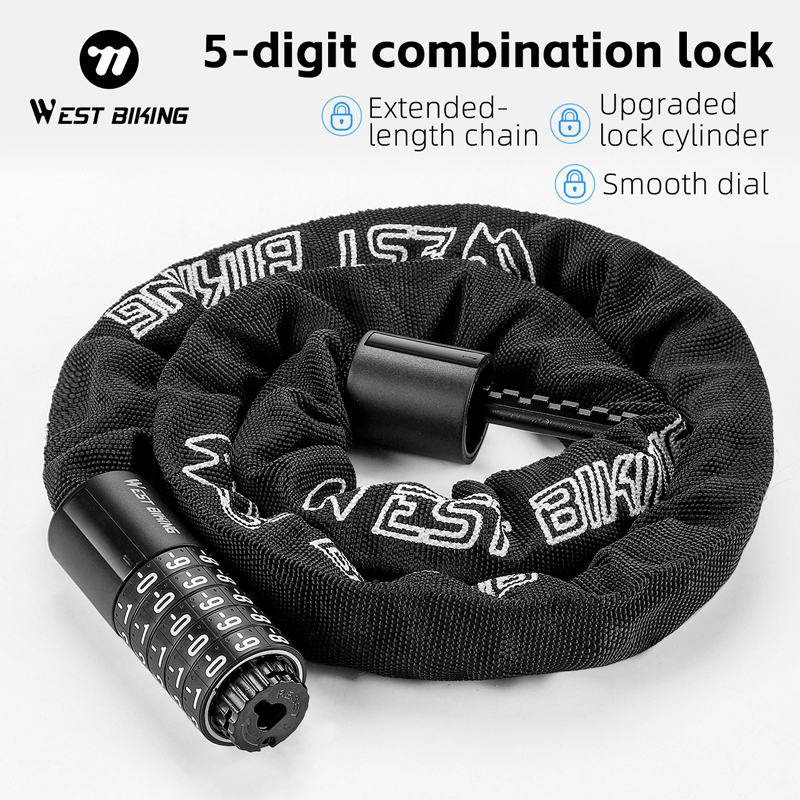
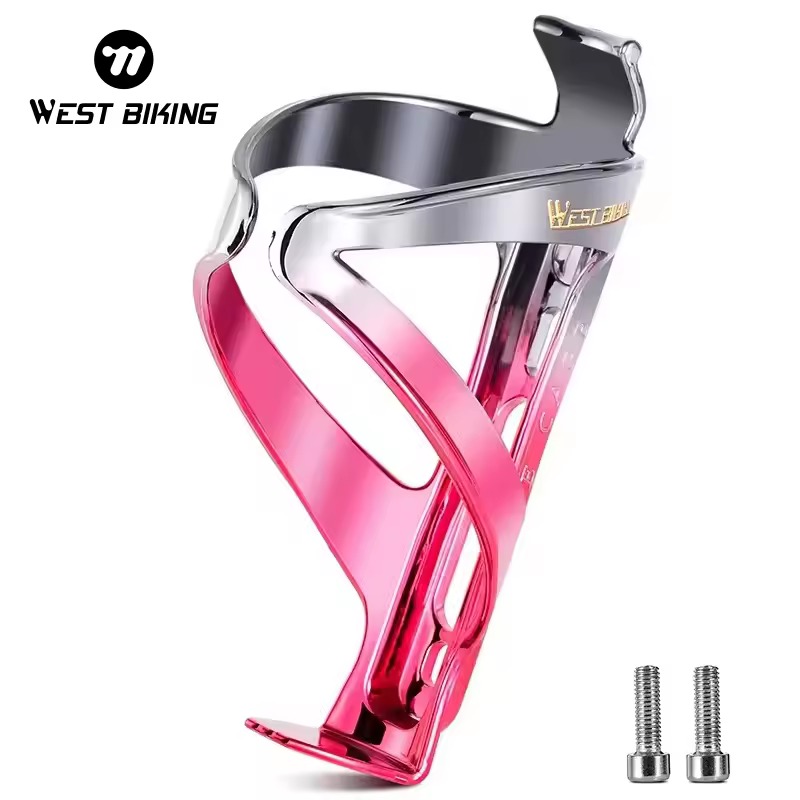
Direct manufacturer access, multi-SKU MOQ flexibility, and complete laboratory compliance reports for Dudelange and the Greater Region.
Dudelange, historically the steelmaking heartland of Luxembourg's Minette basin, is currently in the midst of one of Europe's most radical sustainable urban transformations. Driven by national climate directives (PNEC - Plan National Intégré en matière d'Énergie et de Climat) and large-scale regional real estate renewals—such as the landmark 'Neischmelz' eco-district—the municipality has elevated active micro-mobility from a leisurely pastime into an indispensable pillar of civic transportation. Dudelange's geographical role as a gateway connecting southern Luxembourg with cross-border commuter arteries toward Volmerange-les-Mines, Thionville, and Zoufftgen creates a dynamic cycling ecosystem characterized by heavy daily commuter flows, steep elevation transitions across the 'Haard' nature reserve, and a rapidly expanding fleet of high-torque Pedelecs (EPACs) and electric cargo bikes.
This structural change in transport places severe mechanical demands on steering and cockpit assemblies. Bicycles in Dudelange are no longer merely lightweight recreational sporting goods; they function as primary freight and passenger vehicles navigating industrial-grade paved corridors, historic cobbles, damp microclimates, and mixed-surface gravel trails. Consequently, local bike workshops, specialty retailers along Rue de la Libération, commercial distributors, and communal sharing fleets require high-spec, structurally verified bicycle handlebars and cockpit hardware. Importers sourcing China-manufactured steering assemblies can no longer rely on entry-level generic tubing; commercial success hinges on advanced hydroforming, strict metallurgy verification (e.g., Al-Mg-Si series alloys and T73/T6 precipitation heat treatment), and verified compliance with harmonized European safety frameworks.
Bicycle handlebars represent the primary safety-critical control component of any two-wheeled vehicle. They operate under a complex, alternating multiaxial fatigue regime involving cyclical bending moments, torsional forces exerted by standing pedaling efforts, and high-frequency vibrational loading transmitted from ground impacts. In the context of e-mobility, handlebar stress is compounded exponentially: modern hub and mid-drive motors add significant system mass, while broader tire profiles and heavy battery packs increase moment arm forces exerted during high-speed cornering and emergency braking maneuvers.
PAVI Cycling Gear integrates specialized manufacturing processes across its direct industrial lines to ensure handlebars, stems, and integrated cockpits withstand these operational stresses:
Utilizing proprietary mandrel drawing and cold extrusion, wall thicknesses vary precisely along the bar's profile. Reinforcements at the 31.8mm/35.0mm stem clamping bulge absorb peak cyclical bending moments, while tapered extensions taper down to 1.2mm to damp high-frequency road buzz without sacrificing yield strength.
Post-extrusion, handlebars undergo computerized ceramic and stainless steel ball shot-peening. This introduces uniform compressive residual stress layers across the external matrix, retarding microscopic micro-crack propagation and extending cyclical fatigue lifespan up to 300% under DIN EN ISO 4210 endurance benchmarks.
Designed for the next generation of e-bikes and urban commuters in Luxembourg, our cockpits feature smooth internal channels. Internal entry ports are reinforced with secondary forgings to eliminate notch stress concentrations, enabling seamless routing for hydraulic brake hoses and e-drive telemetry cables.
Handlebar design cannot follow a one-size-fits-all doctrine. Sourcing agents in Dudelange must categorize their inventory according to hyper-localized application contexts:
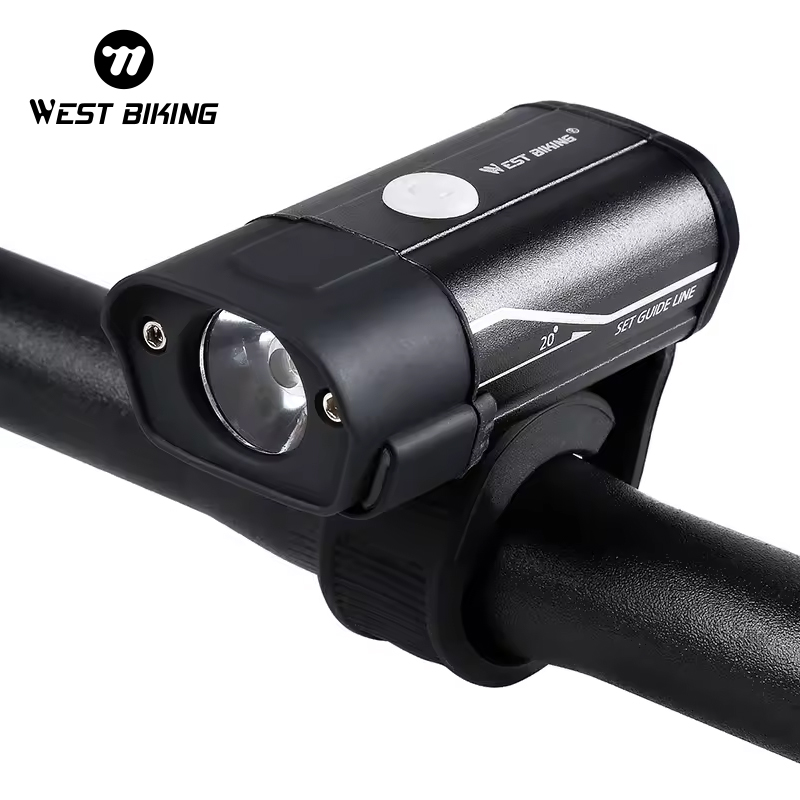
A. Commuter & Urban Transit (Rue de la Libération & Neischmelz): Urban riders prioritize ergonomics, spine-angle relief, and broad surface compatibility for accessories. Backsweep angles between 12° and 30° paired with moderate rise profiles (20mm to 50mm) minimize carpometacarpal joint compression and ulnar neuropathy. Furthermore, the cockpit must support heavy accessory integration—such as high-lumen, anti-glare front lights compliant with European beam standards, anti-theft security mountings, bell assemblies, and navigation consoles without compromising grip space or lever reach.
B. Cross-Border Commuting & Touring (PC6 Corridor toward France): Cyclists utilizing the Piste Cyclable des Trois Cantons (PC6) travel extended distances on paved and packed-gravel surfaces. For this cohort, swept gravel drop bars featuring flared drops (16° to 24° flare) provide maximum forearm clearance, multiple alternating hand positions to reduce spinal muscle exhaustion, and compatibility with heavy front roll luggage harnesses for overnight or long-distance touring.
C. All-Terrain & Gravity Enduro (Haard Nature Reserve Trails): The red-earth terrain surrounding Dudelange's former open-cast mining sites presents technical descents strewn with root carpets, slick clay, and loose sandstone. These riding conditions demand wide (760mm to 820mm) AL7075-T6 or multi-axial Toray T800 carbon fiber riser bars engineered with high torsional stiffness. These bars ensure pin-point steering precision and shock deflection when navigating rugged rock gardens at high descent velocities.
When clearing customs within the Grand Duchy of Luxembourg and distributing throughout the Benelux trade zone, strict adherence to European product safety directives is legally mandated. Sub-standard imports lacking verified documentation risk immediate confiscation at ports of entry, hefty civil liabilities, and reputational ruin for local brand holders. Handlebars exported from our manufacturing facilities undergo documented quality testing regimes corresponding directly with:
EN ISO 4210-5:2023: Specifically governing steering assembly testing. Our handlebars undergo three mandatory physical tests prior to bulk sign-off: (1) Out-of-phase cyclical dynamic durability testing at a minimum force threshold of 450N applied alternately across the bar ends for 200,000 cycles; (2) In-phase dynamic loading tests simulating two-handed landing shocks; and (3) Static yield and breaking tests verifying that in catastrophic overload scenarios, the component yields plastically without brittle fragmentation.
EN 15194:2017+A1:2023 (Electrically Power Assisted Cycles - EPAC): Handlebars destined for high-speed e-bikes and urban cargo transporters must withstand significantly higher fatigue limits due to the increased gross vehicle weight (GVW) ratings common in municipal delivery fleets (often rated up to 250 kg). Our e-bike cockpits undergo extended cyclical testing up to 500,000 cycles with amplified moment loading.
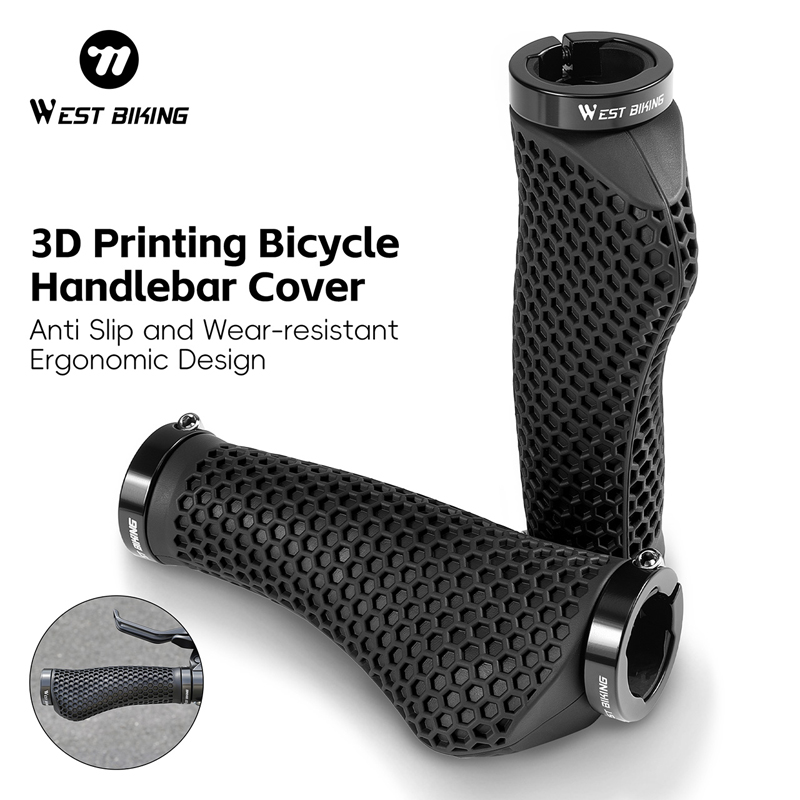
REACH & RoHS Environmental Certifications: Beyond mechanical resilience, all surface treatments, including anodizing baths, powder coatings, laser pigments, and companion elastomer/silicone cockpit grips, are completely free from restricted hazardous substances, including short-chain chlorinated paraffins (SCCPs), polycyclic aromatic hydrocarbons (PAHs), lead, and hexavalent chromium.
Operating a specialized retail shop or managing an aftermarket parts brand in Dudelange presents unique inventory challenges. Luxembourg’s domestic market size rarely justifies chartering dedicated 40-foot full container loads (FCL) of a single handlebar SKU. Ordering isolated items across ten disconnected sub-suppliers creates administrative chaos, inflated LCL customs clearance fees, fragmented sea-freight bills of lading, and unpredictable lead times.
Yiwu PAVI Technology Co., Ltd. (operating from Zhejiang, China’s industrial epicentre) solves this friction through our verified B2B Multi-Category Consolidation Model:
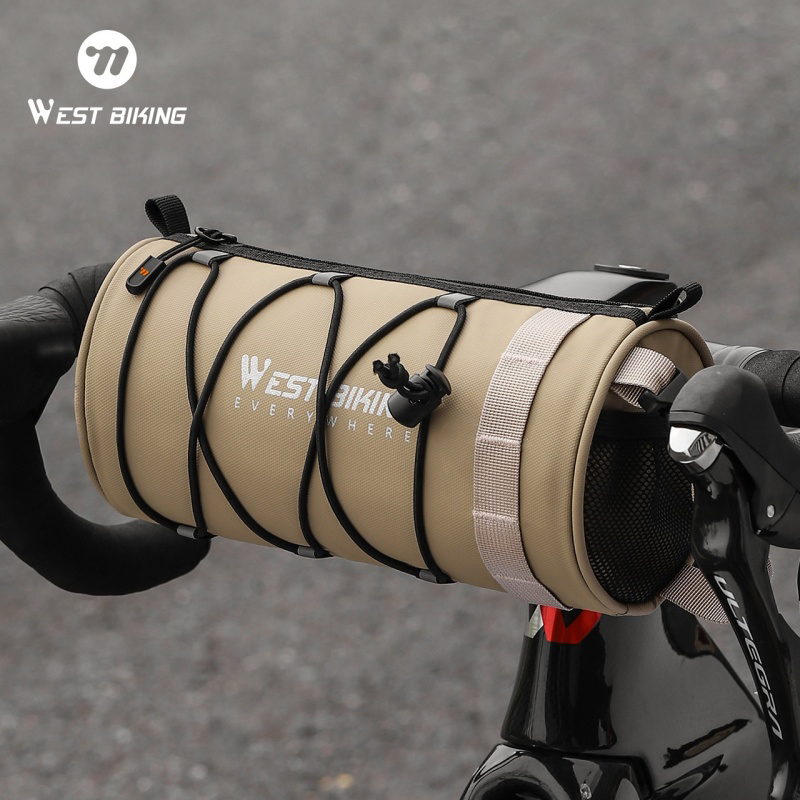
Combine high-grade alloy handlebars, short-reach stems, waterproof handlebar bags, anti-glare luminaire lights, repair stands, and secure chain locks within a single consolidated purchase order and unified packing list, drastically slashing customs brokerage fees.
Our production premises, testing facilities, and export operations are verified onsite by TÜV Rheinland and Alibaba. Buyers receive verifiable audit documentation, raw material test certificates (MTRs), and batch QA reports before sea or rail dispatch.
We eliminate crippling minimums. Sample testing starts from 1–5 units, while custom-branded OEM laser-etched logos, anodized colorways, and retail box packaging become accessible at friendly volume thresholds, empowering independent Luxembourgish distributors to scale securely.
Practical guidance addresssing freight routes, import tariffs, regulatory clearances, and technical specifications for sourcing agents and cycling business owners across the Canton of Esch-sur-Alzette.
Inquire today to review detailed CAD drawings, raw material certificates, complete catalog pricelists, and minimum trial order quantities.