Top Wholesale Products for German Distribution
Precision-manufactured cycling essentials vetted for high-torque commutes, rugged terrain, and all-weather touring across southwestern Germany.
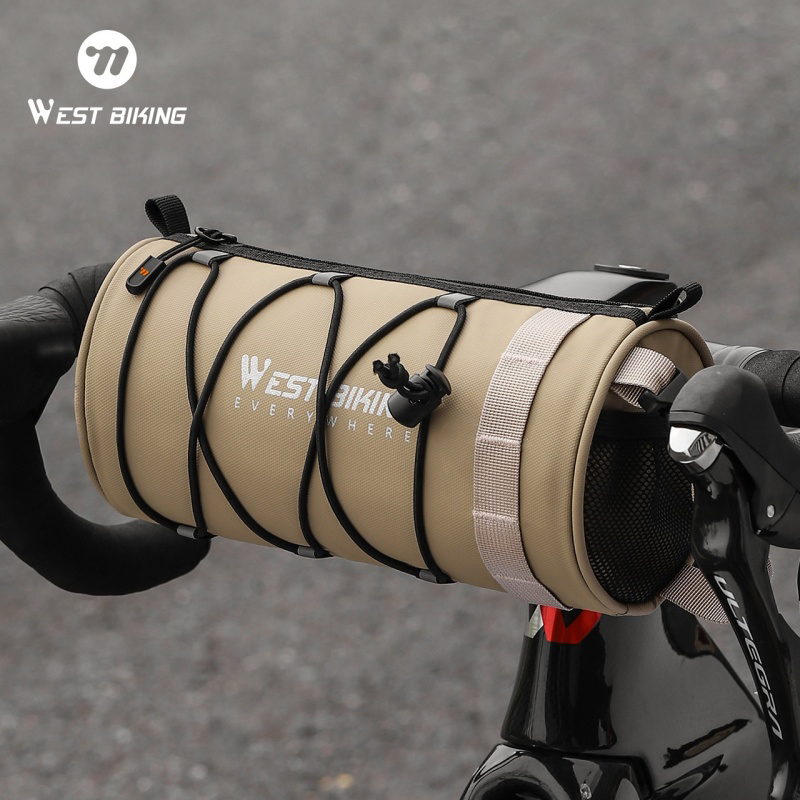
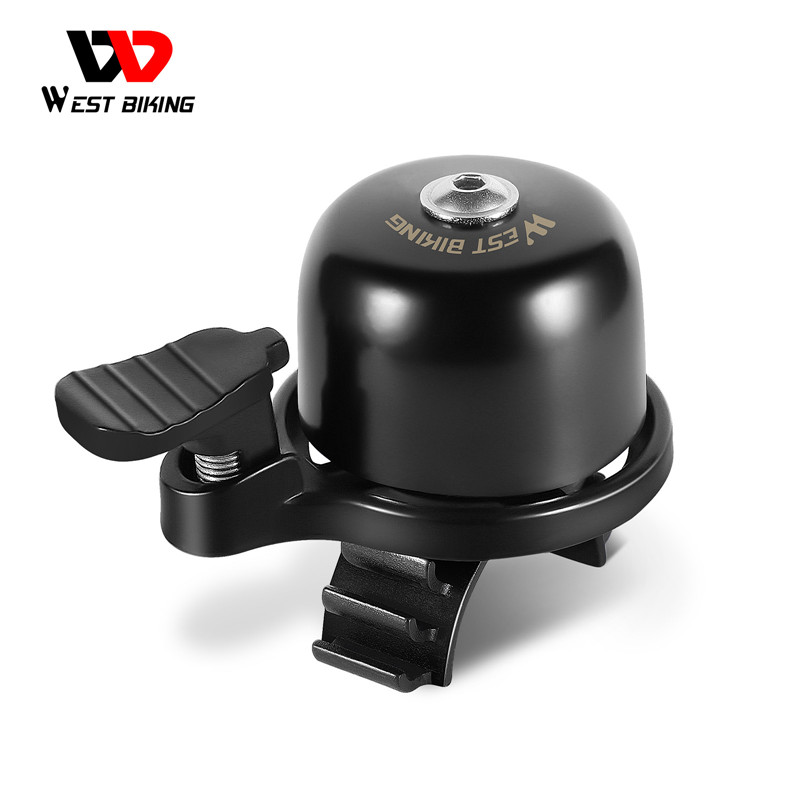
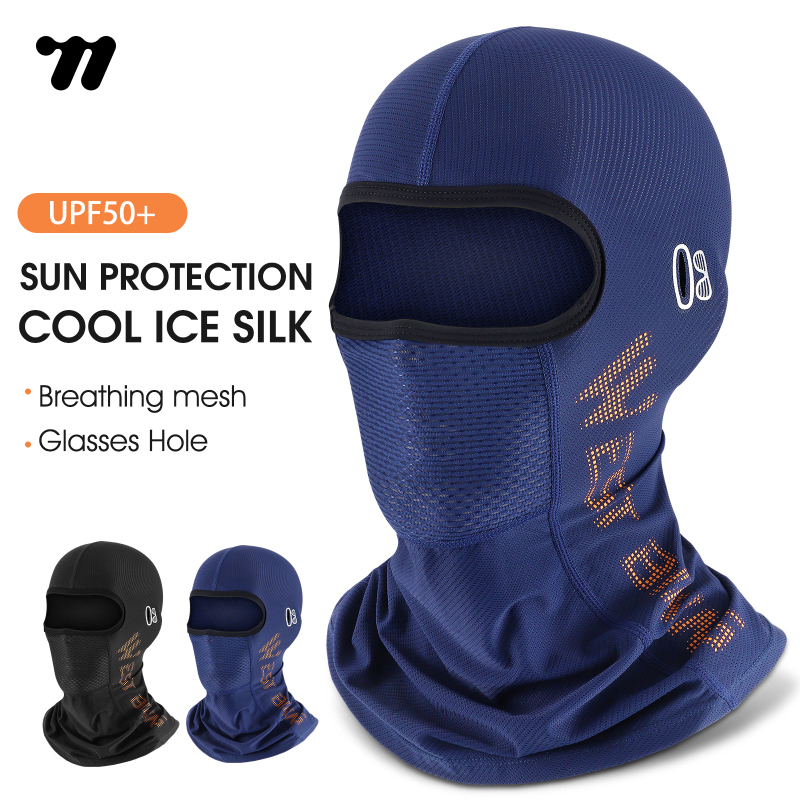
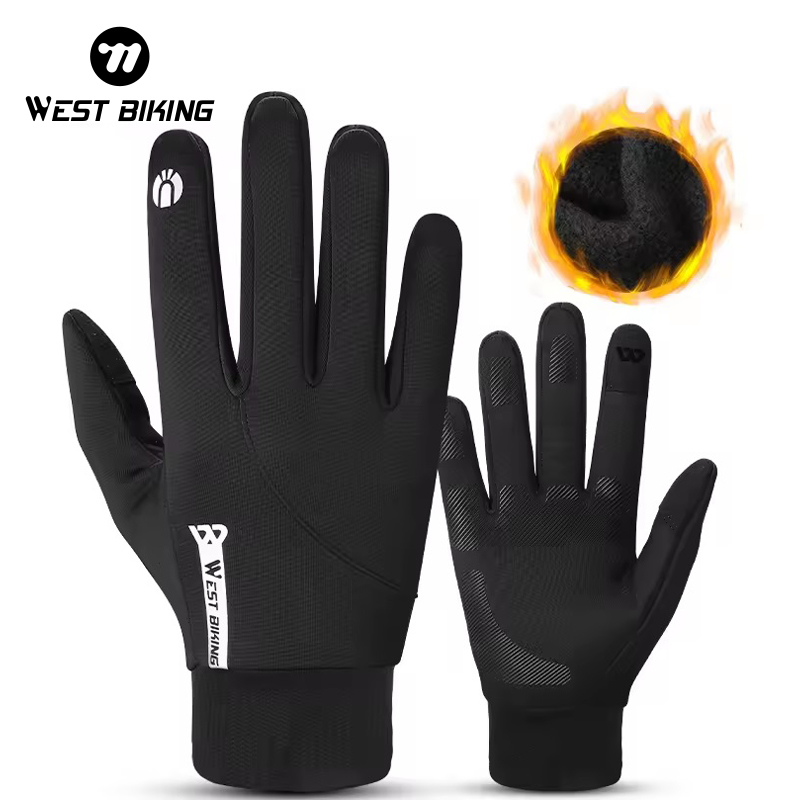
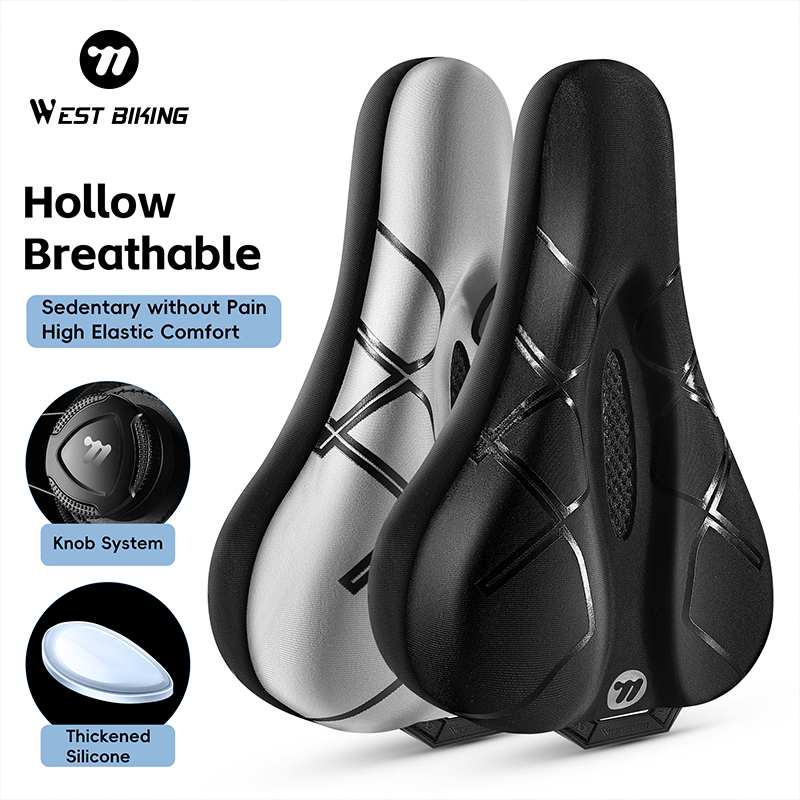
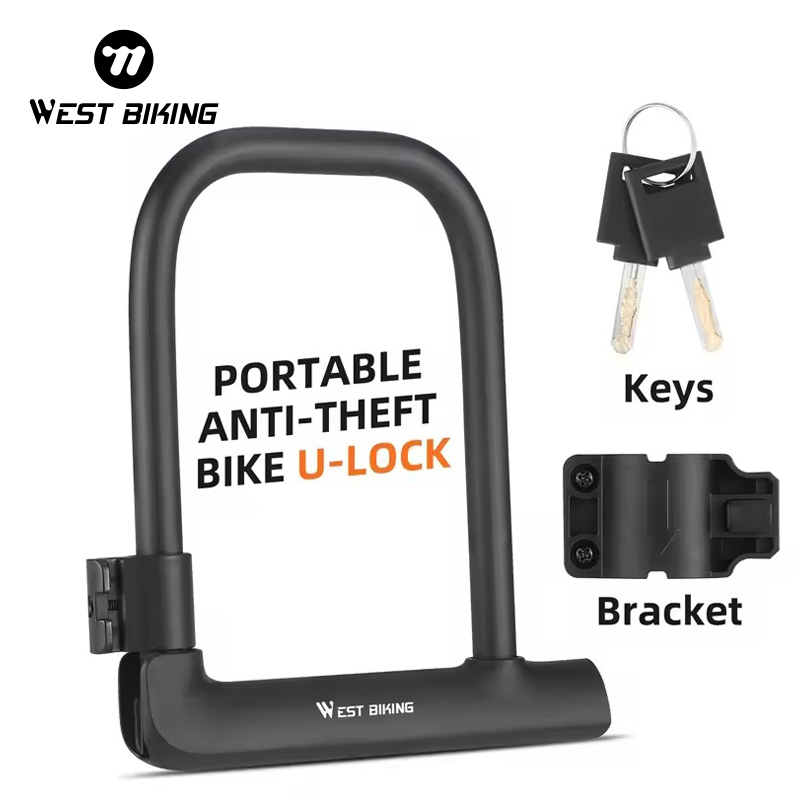
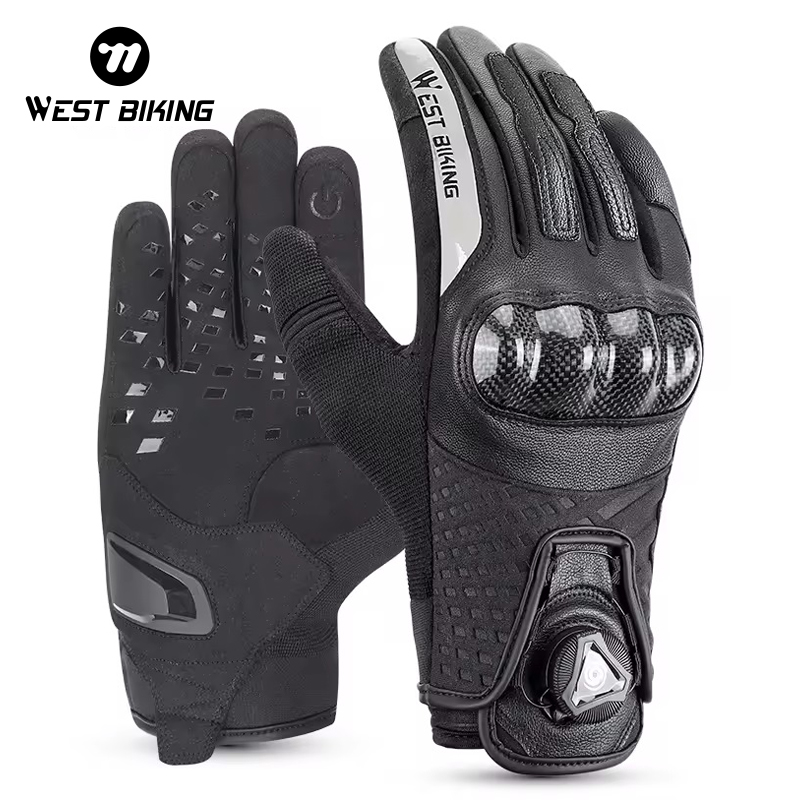
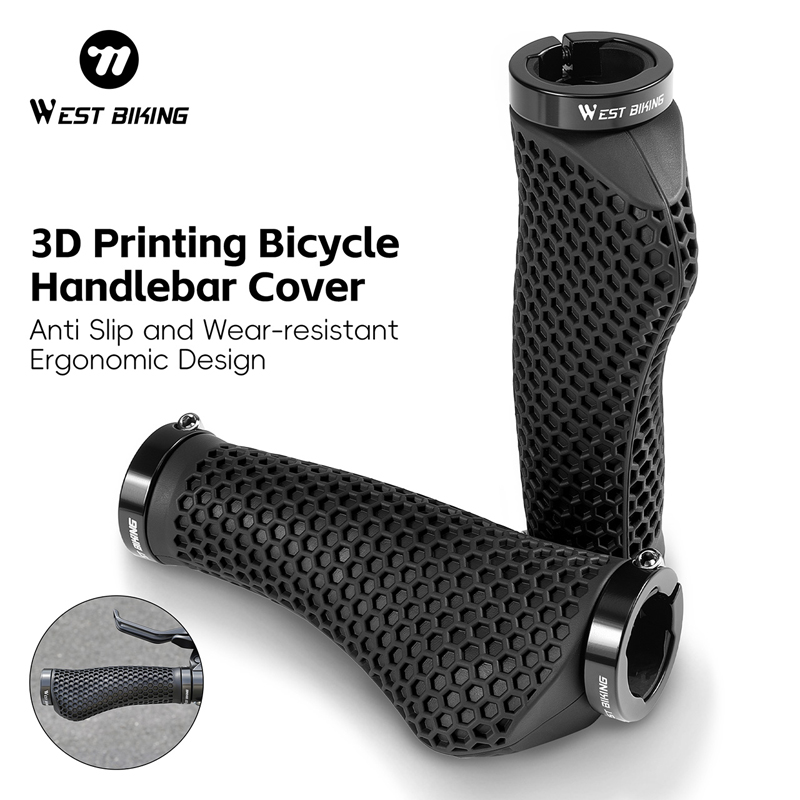
Whitepaper: Engineering Bicycle Saddle Bags & Accessories for the Greater Stuttgart Cycling Market
The urban and peri-urban landscape of Stuttgart, the industrial nucleus of Baden-Württemberg, presents one of Western Europe's most demanding proving grounds for cycling accessories. Known geographically for its notorious Kessellage (a deep valley basin surrounded by steep hillside elevations such as Hasenbergsteige and Neue Weinsteige), Stuttgart demands rigorous engineering for bicycle luggage and gear. Cyclists frequently transition between high-torque urban commuting, all-weather suburban corridors along the Neckar River, and extreme-grade gravel trails threading into the nearby Swabian Jura (Schwäbische Alb) and the Black Forest.
As German micromobility legislation accelerates through programs like the Baden-Württemberg Radschnellverbindungen (express cycleways like RS1 from Stuttgart to Böblingen/Sindelfingen) and corporate tax-incentivized lease schemes such as JobRad, bicycle saddle bags have evolved from leisure accessories into critical structural commuter equipment. For professional importers, regional wholesale distributors, and cycling brands catering to Stuttgart’s discerning riders, equipment must meet strict European CE standards, German road safety norms (StVZO), and rigorous material resilience protocols.
1. Regulatory Compliance: CE Directives, DIN EN ISO, and German StVZO
Supplying the German consumer market necessitates strict adherence to European Union health, safety, and environmental protection directives. Although simple non-electronic bags fall under General Product Safety Regulations (GPSD - EU 2023/988), modern saddle bags with integrated LED signaling units, quick-release mechanical latching systems, or smart brake-sensing illuminators are legally categorized as dual mechanical-electronic assemblies requiring strict CE marking.
Our export saddle bags and integrated accessory lines are designed and tested to satisfy comprehensive European benchmarks:
- DIN EN ISO 4210-2 Mechanical Fatigue Testing: Structural saddle brackets and seatpost clamp mounts undergo high-frequency vibration testing simulating 100,000 stress cycles over cobbled surfaces, ensuring zero latch failure or structural fatigue when carrying payloads up to 8.5 kg.
- CE & EMC Directive (2014/30/EU): Integrated rechargeable rear lighting modules in our smart saddle systems are shielded against electromagnetic interference and emit no harmful emissions that disrupt nearby wireless cycle computers or medical implants.
- RoHS (2011/65/EU) & REACH (EC 1907/2006): All synthetic textiles, TPU membranes, PVC-free polyurethanes, and zipper pulls are tested free from restricted phthalates (DEHP, BBP, DBP, DIBP), Polycyclic Aromatic Hydrocarbons (PAHs), and heavy metals, passing German chemical audit compliance.
- StVZO §67 German Road Traffic Licensing Regulations: Saddle bags feature dedicated mounting tabs engineered to keep clip-on safety lights precisely perpendicular to the roadbed, accompanied by 3M Scotchlite retroreflective micro-prismatic piping that complies with reflective visibility guidelines for low-light winter riding.
| Engineering Parameter | Standard Commodity Bag | PAVI Stuttgart-Spec Export Saddle Bag | B2B Distributor Advantage |
|---|---|---|---|
| Outer Material | 600D Polyester with PVC backing | 840D High-Tenacity TPU-Laminated Ripstop Nylon | Abrasion resistance > 25,000 Martindale cycles; zero cracking in sub-zero frost. |
| Waterproof Ingress | Stitched seams with internal tape (IPX3) | High-Frequency Ultrasonic Seamless Welded (IPX7) | Hermetic roll-top closure protects electronics during intense downpours. |
| Seatpost Clamp Mechanism | Flimsy Hook-and-Loop Velcro strap | Dual Anti-Sway Rail Brackets + BOA-Style Knob Tensioners | Completely eliminates saddle bag sway during 18% out-of-saddle hill climbs. |
| Dropper Post Compatibility | Incompatible / scuffs stanchion | Contoured Lower Gusset with Rubberized Valved Cleat | Directly compatible with modern E-MTB and gravel dropper seatposts. |
| Environmental Safety | Contains trace plasticizers | 100% REACH Annex XVII & RoHS Compliant; PFC-Free DWR | Guaranteed frictionless clearance at German customs (Zollamt Stuttgart). |
2. Material Science: Ultrasonic Welding vs. Traditional Stitching
The frequent thermal inversions and sudden precipitation spikes characteristic of the Baden-Württemberg river valleys necessitate uncompromising waterproofing. Traditional sewn saddle bags, even when protected with Polyurethane (PU) seam tape, degrade rapidly under repeated flex fatigue and dynamic road-grit abrasion. Water capillary action inevitably penetrates micro-punctures created by sewing needles.
PAVI’s CE-certified saddle bags for the European market deploy high-frequency electromagnetic welding (RF welding). Under radio-frequency energy, opposing molecules in the TPU-coated nylon textile melt and fuse into an uninterrupted, molecularly bonded seam. This delivers a complete hydrostatic resistance column exceeding 15,000 mm H₂O, ensuring that sensitive tools, mobile devices, and replacement battery packs remain bone-dry through relentless autumn storms along the Neckar river trail.
Localized Stuttgart Application Scenarios
Engineered around the distinctive topographies, infrastructure, and habits of riders across southwestern Germany.
The "Stuttgarter Kessel" Hill Commute
Tackling climbs from Stuttgart-Mitte up to Degerloch or Vaihingen requires zero weight penalty and rigid stabilization. Our saddle bags feature aerodynamic taper geometries and internal anti-sway ribs that prevent pendulum motion while riders deliver high torque out of the saddle on gradients exceeding 15%.
High-Speed Radschnellweg RS1
Connecting the automotive technology clusters of Stuttgart, Böblingen, and Sindelfingen, the RS1 cycleway is ridden at steady speeds of 25–45 km/h on pedelecs. Our saddle bags incorporate low-drag teardrop profiling and flush-mounted rail clips that cut aerodynamic resistance while enduring prolonged high-speed road vibration.
Swabian Jura All-Weather Touring
Weekend gravel adventures traversing the rocky limestone singletracks of the Schwäbische Alb demand heavy-duty abrasion shields. Reinforced hypalon under-panels protect against sharp flint spray, while wide roll-top mouths allow rapid retrieval of rain shells, repair multitools, and spare inner tubes.
JobRad Fleet Integration
Corporate leasing providers in Baden-Württemberg demand long-lifecycle durability and modular private-label branding. Our saddle luggage supports custom laser-etched badges, corporate colorway matching, and universal tool-free latching that mounts onto diverse city, trekking, and gravel e-bike frames.
Emerging Procurement & Manufacturing Trends in Baden-Württemberg (2025–2030)
As Germany continues its national shift toward climate-neutral municipal mobility, the bicycle market across Stuttgart and the wider Rhine-Neckar region is experiencing structural shifts in product demand. Wholesale importers and OEM brand managers should prioritize three core development trends in their forward inventory strategies:
A. The Pedelec and S-Pedelec Standard Shift
Baden-Württemberg boasts one of the highest e-bike adoption rates in Europe. Unlike traditional lightweight road racing where sub-100-gram micro-bags dominated, e-commuters require heavy-duty saddle packs designed to withstand continuous 25 km/h vibrations over road expansion joints. Our new generation of saddle accessories includes vibration-damped rail attachments with composite elastomer inserts that absorb high-frequency road chatter, protecting delicate internal electronics and maintaining structural integrity across tens of thousands of kilometers.
B. Circularity, Recycled Polymers, and PFC-Free Water Repellents
German consumer sentiment and upcoming EU ecodesign mandates (ESPR) place significant emphasis on supply chain transparency and circular lifecycle economics. Importers are proactively divesting from standard per- and polyfluoroalkyl substances (PFAS/PFC) for water repellency. PAVI has pioneered the integration of 100% GRS-certified post-consumer recycled PET outer textiles treated with plant-derived, fluorine-free DWR finishes. These coatings achieve contact angles exceeding 110 degrees, shedding mud, road salt, and stormwater while allowing German brands to showcase authentic sustainability credentials.
C. Modular Multitask Cockpit and Saddle Integration
Bikepacking and daily commuting have converged. Modern German riders reject single-purpose luggage. They demand modular systems: a streamlined 1.5-liter saddle pod for daily tools that can instantly dock onto a 10-liter dry-bag harness for long-distance weekend touring along the Black Forest Panoramic Route. By standardizing mounting interfaces across handlebar bags, top tube pods, and seat packs, our OEM systems give wholesalers maximum SKU versatility from minimal tooling investments.
Why Stuttgart Importers Partner with PAVI Technology
Combining verified manufacturing excellence, low-friction trial flexibility, and audited European supply chain reliability.
TÜV Rheinland Audited Facility
Operational premises, production workflows, and social responsibility standards have undergone onsite evaluation and verification by TÜV Rheinland. We provide authentic inspection reports and documentation to streamline your corporate vendor onboarding.
Low-Risk Mixed SKU Ordering
Mitigate inventory risk with flexible minimum order quantities starting from 2 to 5 pieces on ready-to-ship catalog items. Consolidate saddle bags, handlebar packs, gloves, locks, and mini-pumps into a single consolidated ocean or rail freight container.
In-House Physical Testing Lab
Our Zhejiang quality assurance lab conducts incoming material spectrography, stitch pull-tests, zipper cycle endurance runs, salt-spray corrosion chamber testing on aluminum components, and automated drop testing before cartons are sealed for shipping.
Custom OEM / Private Label
Support your brand identity with precision laser-etching, high-frequency embossed branding, custom Pantone colorways, localized German EAN/UPC barcode packaging, and fully translated German-language instruction booklets (Bedienungsanleitungen).
690+ Visual Product Audits
Evaluate exact tactile finishes, seam lines, internal compartments, and bracket engagement before committing capital. Our multi-angle HD product video catalog provides comprehensive transparency for your category merchandising team.
DDP Stuttgart Logistics
We provide full-service freight forwarding support, including DDP (Delivered Duty Paid) directly to your central warehouse in Baden-Württemberg. We handle German customs clearance (Atlas declaration), import VAT, and commercial transport docs seamlessly.
Frequently Asked Questions by German Importers
Direct answers addressing technical compliance, customs clearance, logistics, and sample verification for Stuttgart buyers.
How do you guarantee that saddle bags and hardware comply with EU REACH and RoHS regulations? +
We operate strict incoming raw material verification. Every batch of thermoplastic polyurethane (TPU), coated nylon, POM acetal buckles, and zipper pulls is procured against batch test certifications verifying the absence of restricted phthalates (Annex XVII of REACH), Polycyclic Aromatic Hydrocarbons (PAHs), and toxic AZO colorants. For private-label OEM contracts, we provide third-party laboratory test reports (from laboratories such as SGS or TÜV) explicitly recognized by German trading standards authorities.
Are your saddle bags compatible with modern dropper seatposts and carbon saddle rails? +
Yes. Recognizing that the Stuttgart market has heavy adoption rates of performance gravel bikes and full-suspension e-mountain bikes (equipped with RockShox Reverb, Fox Transfer, etc.), our advanced saddle bags feature an ergonomic low-profile nose. The mounting harness clamps strictly to the saddle rails rather than requiring heavy seatpost friction straps, preventing scratches or scoring on telescopic stanchions. For carbon rails (7x9 mm oval), our brackets feature rounded radiuses and elastomer protective sleeves to prevent stress concentration and carbon fiber crushing.
What are the standard shipping transit times and terms for deliveries to Stuttgart? +
We support multiple Incoterms including EXW, FOB Ningbo/Shanghai, CIF Hamburg/Rotterdam, and DDP Stuttgart. For urgent replenishment, air freight via Frankfurt Airport (FRA) or Stuttgart Airport (STR) delivers in 5 to 8 working days. For bulk wholesale containers, sea freight via Rotterdam or Hamburg with subsequent rail shuttle connection directly to the Stuttgart container terminal (Hafen Stuttgart) averages 28 to 35 calendar days. Door-to-door DDP services encompass all import customs duty and German Einfuhrumsatzsteuer (EUSt).
Can we obtain physical product samples prior to placing a bulk production order? +
Certainly. We consider physical sample evaluation essential for verifying seam craftsmanship, fabric density, zipper glide resistance, and installation fit on your reference bicycle models. Standard catalog samples are prepared and dispatched within 48 to 72 hours via DHL Express or FedEx, arriving at your office in Baden-Württemberg within 3 to 5 business days. Custom branded mock-up samples with your laser logo or custom packaging take approximately 7 to 10 days for tooling and sampling.
How does your production line manage product stability during out-of-saddle pedaling? +
Saddle bag waggle (pendulum sway) is the most common complaint among performance cyclists on hilly gradients like Stuttgart's Kessellage. We combat this through rigid composite internal sub-frames and secondary tri-point strap webbing. The bag retains a pre-shaped, semi-rigid skeletal form regardless of payload volume. When cinched, the bag forms a continuous structural triangle with the seat rails, guaranteeing zero mechanical oscillation even during out-of-the-saddle sprint efforts on 18% inclines.
What documentation is included to support German VerpackG (LUCID) and EPR requirements? +
We support our German B2B partners in satisfying the German Packaging Act (VerpackG). We supply precise unit packaging weight breakdowns (divided into corrugated cardboard, polyethylene film, and paper tags) on every packing list. All retail boxes and polybags are printed with official recycling codes (e.g., PAP 20, LDPE 04) and Triman logos where applicable, ensuring hassle-free registration with your German dual system compliance partner (such as Der Grüne Punkt or Interseroh).
Scale Your Bicycle Accessory Line in Stuttgart
Connect directly with our engineering and export team. Receive immediate trade pricing, complete European compliance dossiers, and evaluate production-ready samples for your territory.