Matches on this page are highlighted. No match? You will be taken to the full product catalog.
Engineered for high resilience against coastal humidity, road salinity, and fluctuating temperatures. Each product configuration is certified to satisfy European safety benchmarks.
Situated on Latvia's southwestern Baltic coastline between the Baltic Sea and Lake Liepāja, the city of Liepāja experiences distinctive marine microclimate conditions characterized by persistent coastal wind shear, high relative humidity (frequently exceeding 80% year-round), and atmospheric sea salt aerosol concentrations. For bicycle parts, accessories, and rider safety equipment, these conditions present elevated chemical corrosion and accelerated material degradation challenges. Standard anodized coatings, untreated carbon-steel fixings, and poorly sealed electrical housings deteriorate rapidly under continuous salt-fog exposure.
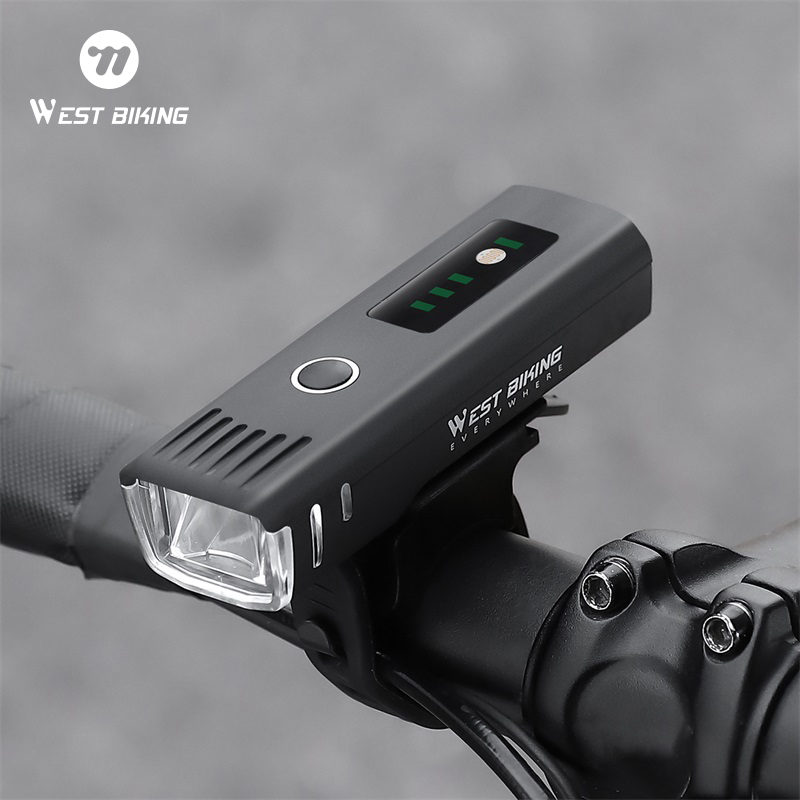
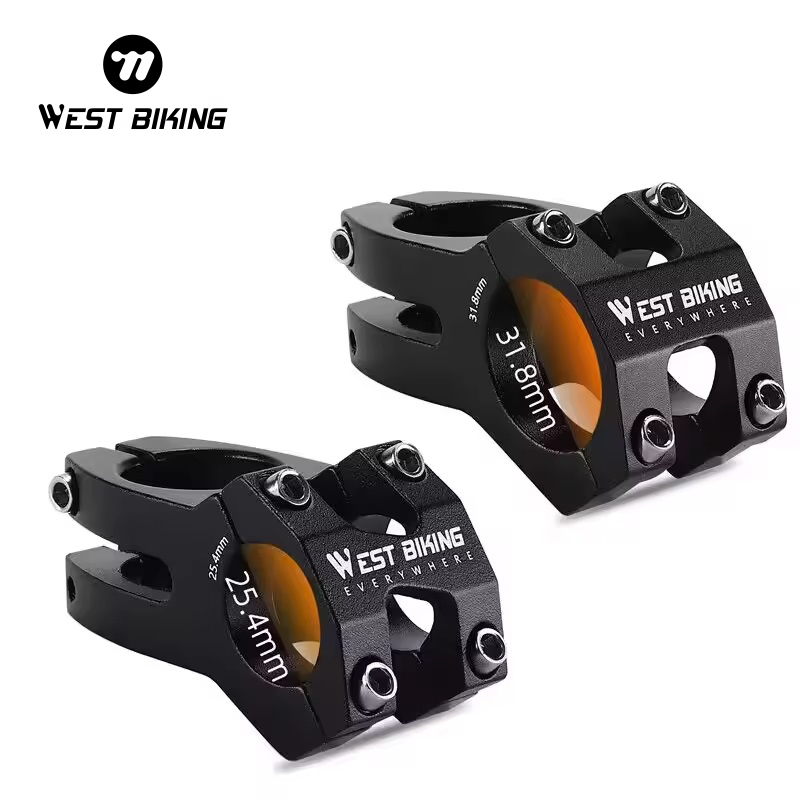
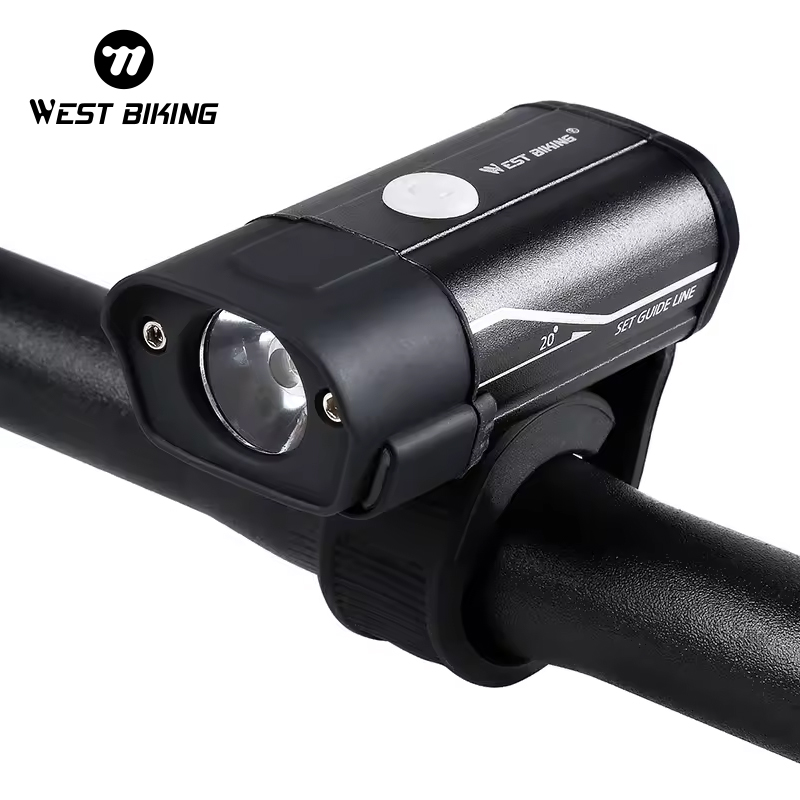
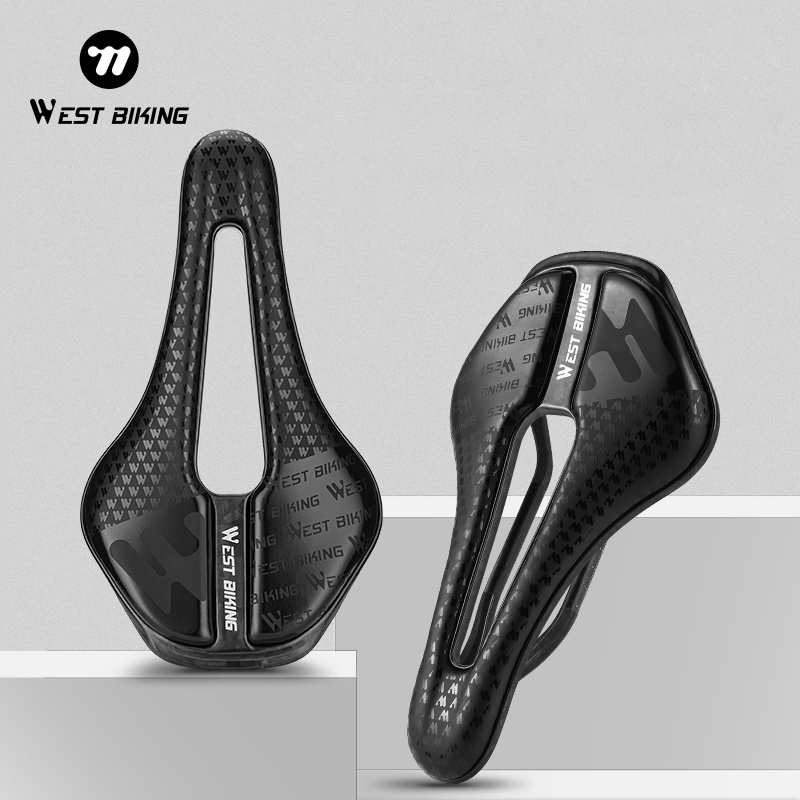
As an established European Union manufacturing and export partner, Yiwu PAVI Technology Co., Ltd. engineers hardware specifically to withstand these environmental demands. Structural mechanical accessories—such as our CNC 6061-T6 aluminum stems and carbon-fiber composite saddles—feature passivation treatments and sealed stainless steel (SUS304/SUS316) fastener assemblies. In addition, front and rear lighting modules are constructed with high-grade silicone perimeter gaskets ensuring IPX4 to IPX6 ingress ratings, fully preventing moisture intrusion caused by sudden coastal storm fronts sweeping across Kurzeme province.
Liepāja is actively executing a sustainable micromobility master plan, interconnecting the historical downtown core, the industrial Port of Liepāja, Karosta heritage precinct, and the coastal resort belt through dedicated asphalt bike paths. The operational profile of cycling hardware in Liepāja divides into distinct logistical and commuter use cases:
Daily commuters traversing from Karosta across the Kalpaka Bridge face aggressive headwinds and salt mist. Sealed-bearing pedals, waterproof top-tube bags, and high-intensity IPX6 front illumination mitigate low dawn and dusk visibility along coastal corridors.
Workforce personnel operating within the Liepāja Special Economic Zone (SEZ) require high-durability transit gear. Anti-theft 10mm hardened carbon steel chain locks, vibration-damping EVA bar tape, and puncture-recovery high-pressure mini pumps reduce downtime.
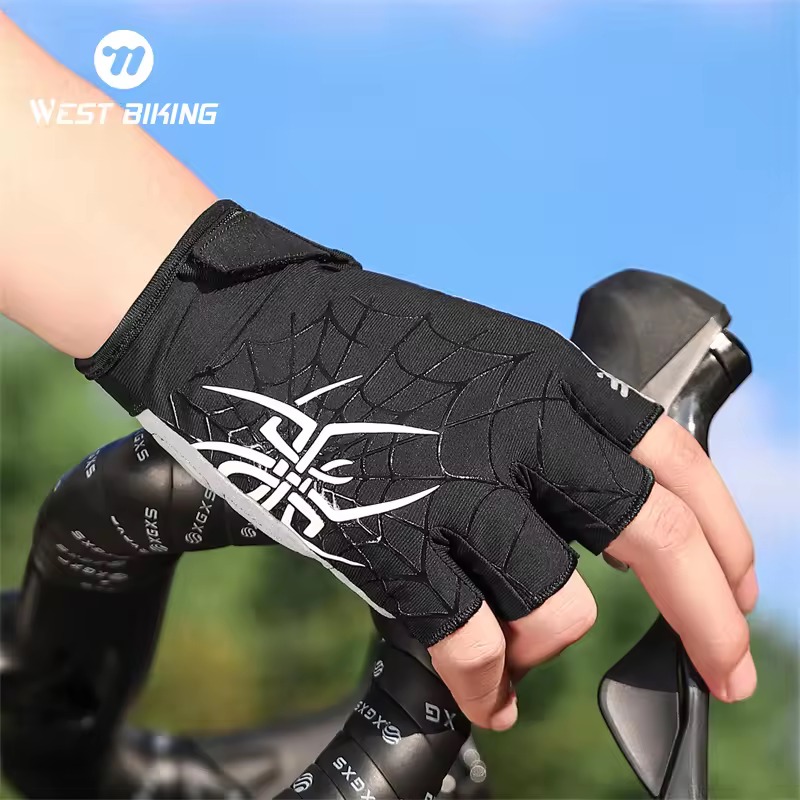
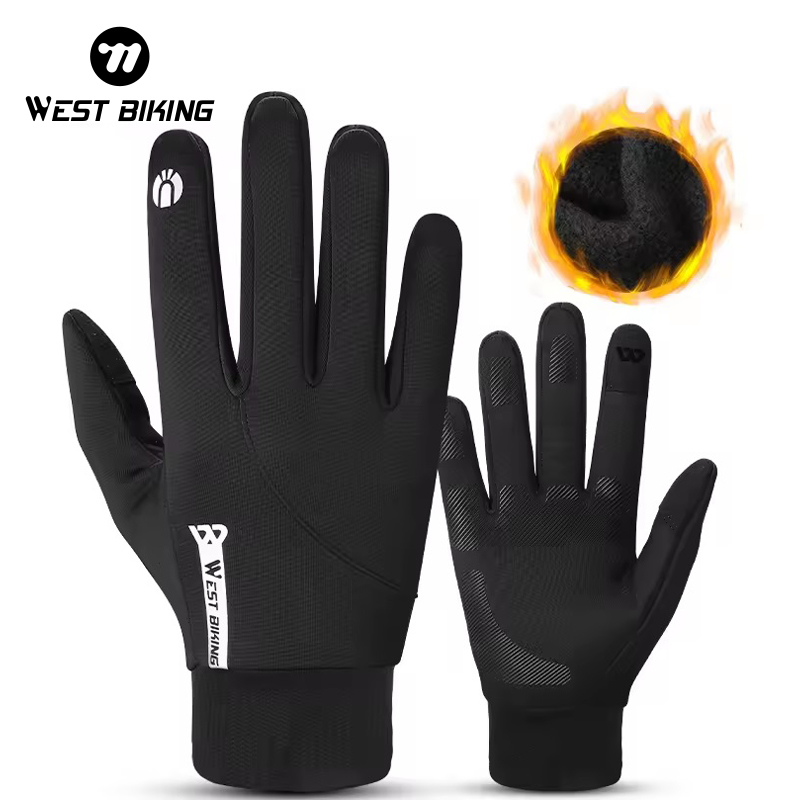
The gravel routes bordering Lake Liepāja and the Baltic Coastal Hiking Trail demand shock-mitigating carbon fiber saddles, gel-padded downhill gloves, and thermal windproof outerwear engineered to handle sudden Northern European temperature drops.
Latvia's cycling accessory procurement landscape is governed by rigid EU internal market directives. Direct importers, retail chains, and repair networks in Liepāja must verify that components conform strictly to European safety standards before customs clearance at Riga or Ventspils ports:
CE & EN Compliance Directives: Active electronics (such as smart brake-sensing LED taillights and lithium-ion portable electric air pumps) must comply with the Electromagnetic Compatibility (EMC) Directive 2014/30/EU and the RoHS Directive 2011/65/EU. Furthermore, battery safety documentation—including verified UN38.3 test summaries, IEC 62133 certifications, and Material Safety Data Sheets (MSDS)—is prerequisite for rapid commercial customs validation.
Mechanical Integrity Protocols (EN ISO 4210 & EN 15194): High-stress components including handlebars, stems, seatposts, and disc brake systems must withstand cyclic dynamic fatigue stress tests. As e-bike adoption surges across Liepāja for micro-deliveries and urban transit, demand has decisively shifted toward components validated under EN 15194 to accommodate higher operating speeds and vehicular weights.
Consolidated Small-Batch Procurements: Rather than holding high capital reserves in single-category container volumes, modern Baltic sporting goods distributors optimize stock velocity through consolidated mixed-SKU pallets. PAVI provides low-MOQ ordering (starting from 2–5 units per SKU) backed by standardized OEM laser marking and multi-lingual EAN/barcoded packaging ready for point-of-sale deployment across Latvian retail chains.
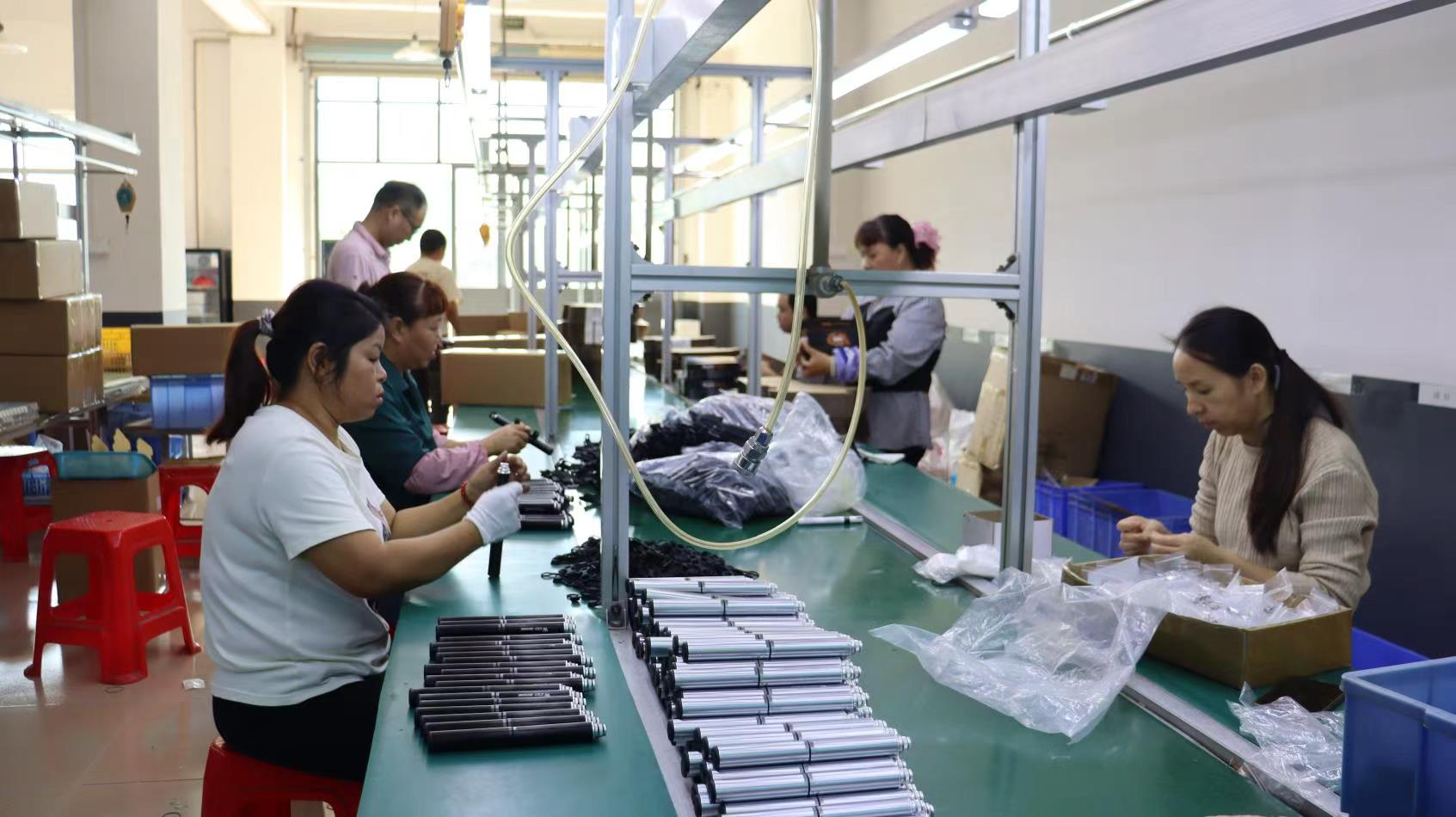
Spectrometric alloy analysis and polymer density testing prior to CNC production lines.
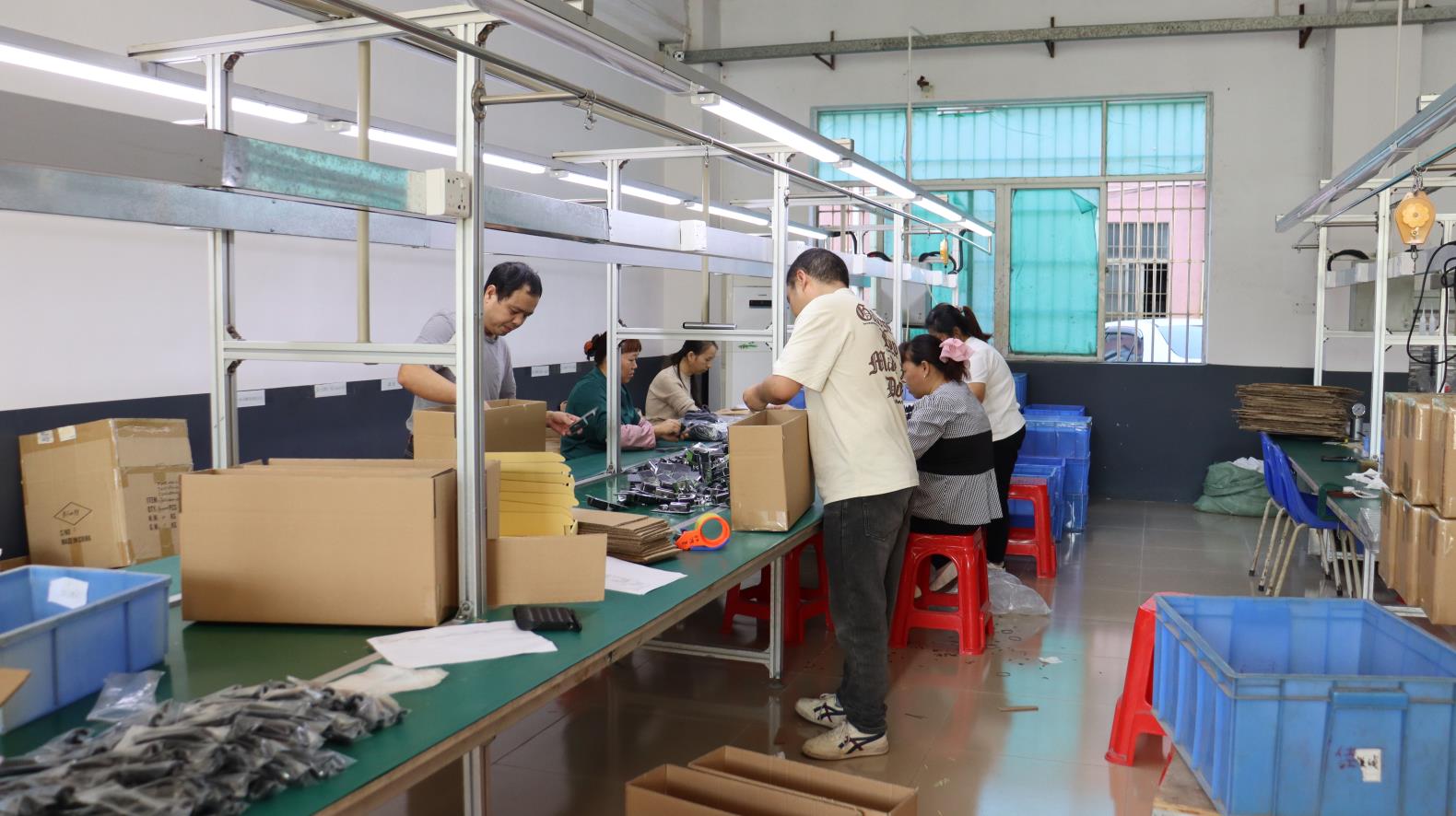
Standardized assembly bench systems for electronic lights, locks, and composite saddle bonding.
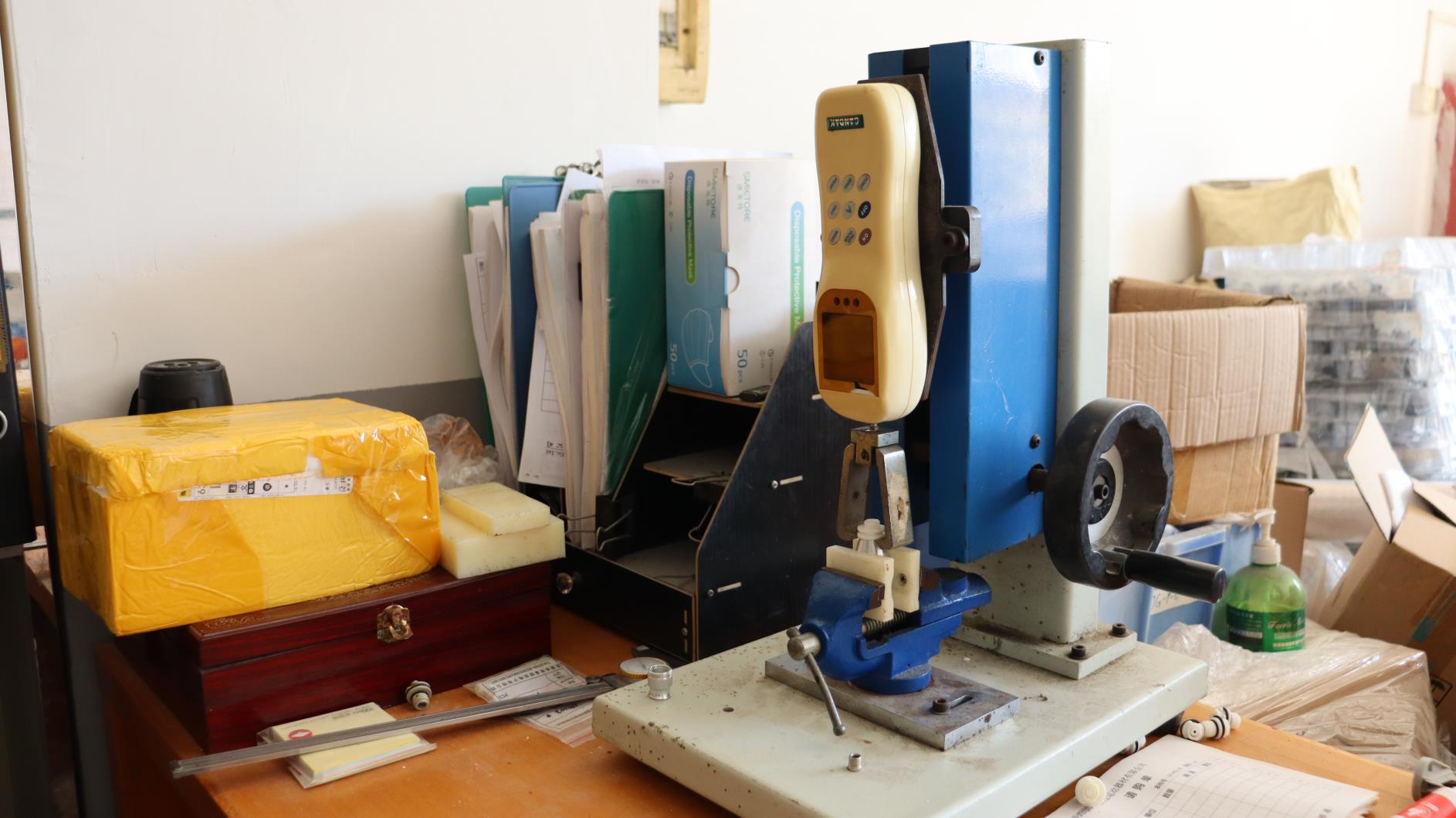
Mechanical destructive load testing verifying structural fatigue limits up to certified safety margins.
Individual retail boxing with multi-language compliance labeling, CE marks, and drop-tested cartons.
Essential contractual, logistical, and compliance insights for procurement managers and regional wholesalers.
We accommodate flexible Incoterms including FOB Ningbo/Shanghai, CIF Riga/Liepāja, and DDP (Delivered Duty Paid) door-to-door. Air freight transit times for sample batches and high-value rush items average 7–10 business days. Consolidated ocean container shipments to the Port of Riga or direct feeder vessel to Liepāja typically take 32–38 days including standard customs processing.
Every electronics order includes authentic CE, RoHS, and EMC test certificates issued by internationally accredited testing bodies. All lithium-powered gear ships accompanied by UN38.3 documentation. For retail distribution, we configure master and retail unit labeling to include correct EAN barcodes, CE physical embossment, and required materials classification.
Yes. Our multi-category consolidation model allows Baltic importers to combine helmets, smart lights, carbon components, locks, and performance cycling apparel under one commercial invoice. With ready-to-ship catalog items requiring as low as 1 to 5 pieces/pairs, distributors can test local consumer demand across dozens of SKUs without excessive inventory capital risk.
We offer fiber-laser marking on alloy components, silicone micro-injection badging for gloves and bags, silk-screen and pad printing on lighting housings, and fully customized full-color retail box designs. Tooling and prototyping for bespoke ODM parts are executed directly from your CAD/STEP files with physical verification samples delivered prior to mass production.
Components destined for Baltic regions undergo salt-spray chamber testing (ASTM B117 standards) to verify anti-oxidation thresholds on alloy finishes and fasteners. For cold-weather items like our downhill windproof gloves and under-helmet thermal wear, multi-layer laminated windproof membranes and hydrophobic fleece linings are utilized to guarantee thermal retention at sub-zero operating environments.
To accommodate standard European treasury procedures, we accept payments in EUR, USD, and other major currencies via T/T wire transfer, irrevocable L/C at sight, and secure Escrow services. Credit card and PayPal transactions are supported for rapid sample dispatch and initial micro-trial orders.
Connect with our technical export engineers to request sample evaluations, pricing matrices, and CE conformity reports.