Engineering Deep Dive
High-Precision Retroreflective Optical Architecture: Physics & EU Mandates
In the technical domain of bicycle safety equipment, retroreflection differs fundamentally from standard diffuse reflection or specular mirror reflection. A compliant bicycle reflector engineered for automotive roadway co-existence must return incident luminous flux directly toward the originating vehicle light source, regardless of the angle at which the illumination strikes the bicycle. For municipal cycling fleets, sporting distributors, and retailers operating in and around Serravalle, San Marino, optical performance is not merely a styling parameter—it is a life-critical compliance imperative governed by strict European standards including ISO 6742-2 (Cycles — Lighting and retro-reflective devices), ECE Regulation 3 (Class IA / IB retro-reflectors), and the German StVZO (Straßenverkehrs-Zulassungs-Ordnung) TA 18 directives.
Key Engineering Metric: The efficiency of an optical bicycle reflector is quantified by its Coefficient of Luminous Intensity (CIL), expressed in millicandelas per lux (mcd/lx). Under acute entrance angles (β = ±20°) and minimal observation angles (α = 0.2°), premium micro-cube corner retroreflectors must sustain luminous intensity exceeding 400 to 800 mcd/lx to ensure motorists traveling at speeds over 70 km/h achieve a 150-meter visual recognition threshold along winding secondary corridors.
Microcube Corner-Cube Prismatic Microstructures
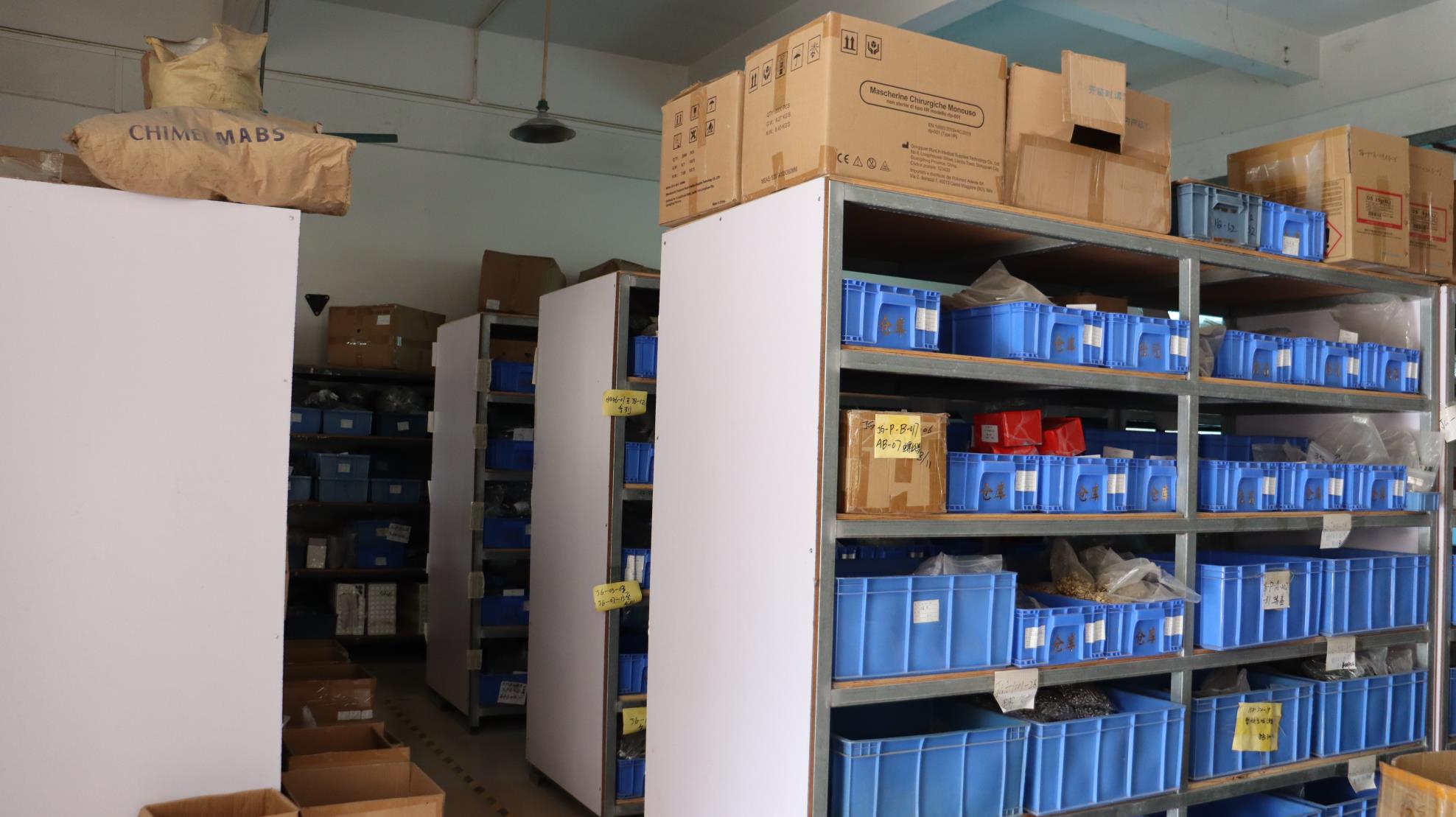
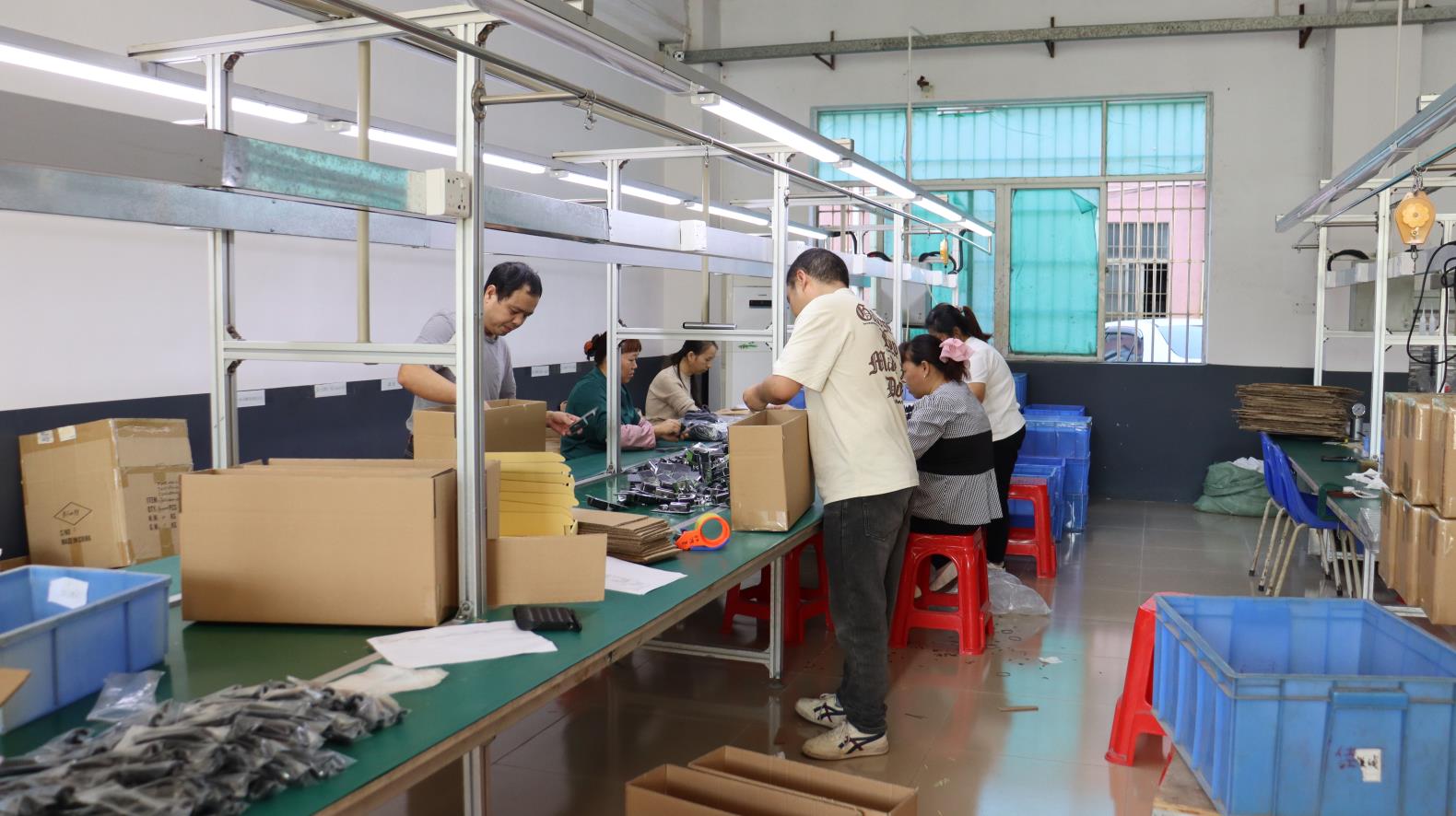
At Yiwu PAVI Technology Co., Ltd., our tooling and injection molding processes utilize precision electroformed micro-cube corner arrays. Unlike traditional spherical glass bead retroreflectors that suffer from high internal scattering loss, three-dimensional prismatic retroreflectors exploit Total Internal Reflection (TIR). Each microscopic prism unit consists of three mutually perpendicular planar faces. When an incoming photon emitted by a vehicle headlamp enters the front optical face of PMMA (Polymethyl Methacrylate), it bounces sequentially off all three perpendicular faces and exits parallel to the incidence vector.
Achieving stable photometric compliance across extensive thermal ranges (-20°C to +55°C) requires precise material rheology. Our production lines prioritize virgin optical-grade acrylic polymers characterized by a refractive index of \(n = 1.491\) and superior spectral transmittance exceeding 92%. The back microprisms are hermetically ultrasonically welded to an opaque backing plate (ABS or high-impact polystyrene) to create micro-sealed air cavities. Without this hermetic ultrasonic fusion barrier, road grime, atmospheric moisture, and seasonal salt aerosols experienced along Adriatic highway networks would penetrate the prism recesses, destroying the critical refractive index differential between polymer and air, and causing catastrophic loss of retroreflective power.
Photometric Goniometer Testing & Colorimetric Chromaticity
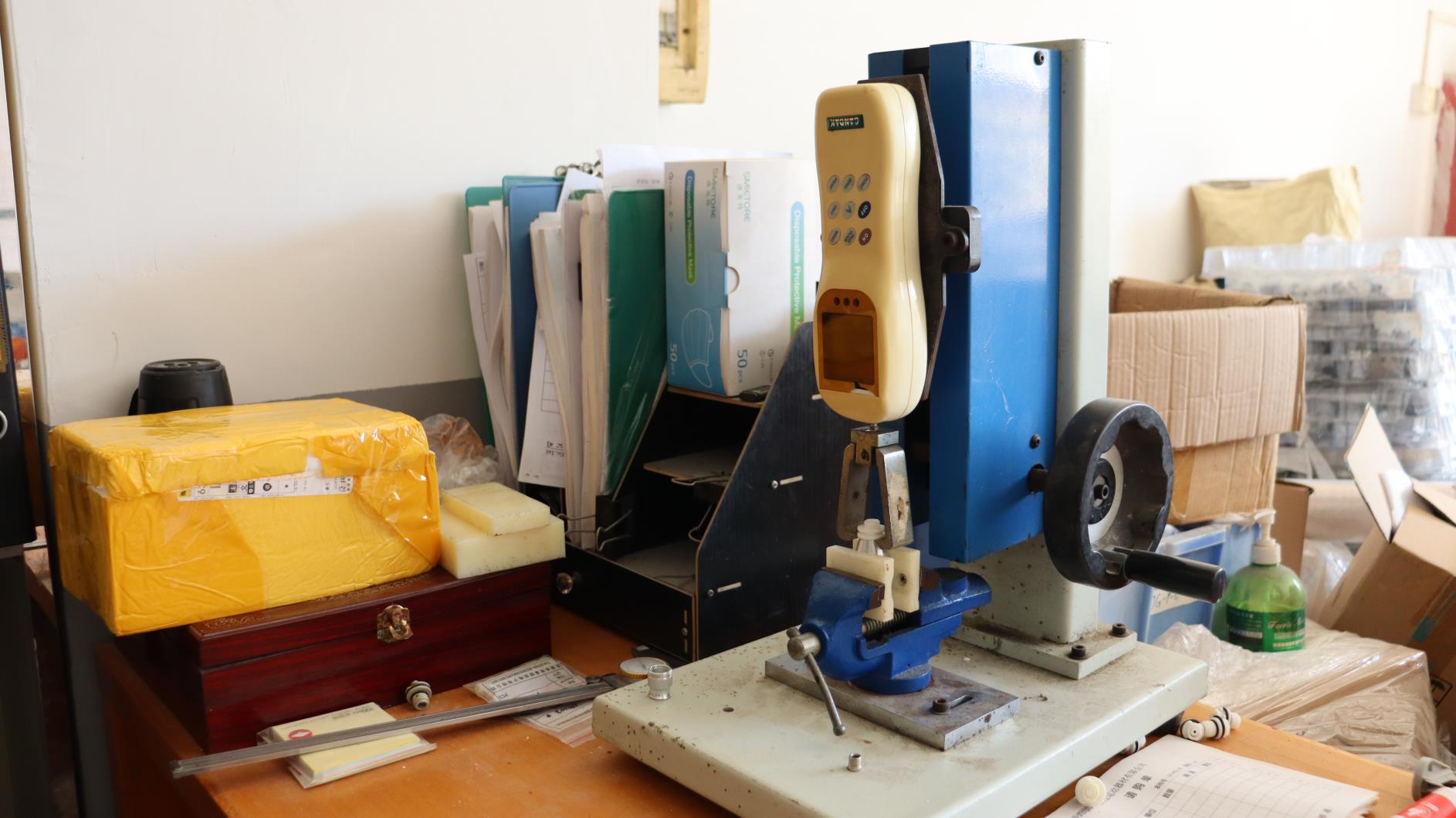
Every batch of front clear/white, rear red, and lateral amber wheel reflectors manufactured for the Serravalle regional trading corridor undergoes stringent goniophotometer benchmarking. Color coordinates must fall strictly within the CIE 1931 Chromaticity Diagram boundaries established under European transport mandates:
- Class I Red (Rear Safety Reflector): Optical wavelength cutoff engineered via optical-grade organic dyes within the PMMA resin, ensuring high luminance factor without color degradation after 500 hours of continuous UV-A/UV-B accelerated xenon weathering.
- Class IA Amber / Yellow (Spoke & Pedal Reflectors): Precision engineered to provide 360-degree dynamic rotational visibility, addressing transverse intersection collisions where vehicle cross-traffic approaches perpendicular to the cyclist.
- Class IA Clear / White (Front Facing Marker): Delivers front-facing passive recognition for pedestrian trails, unlit farm tracks, and mixed cycleways.
B2B Optical Performance Benchmark: Reflector Engineering Specifications
| Component / Parameter |
Standard Commercial Grade |
PAVI Industrial Whitepaper Grade (Serravalle Benchmark) |
Regulatory Reference |
| Substrate Polymer |
Recycled PS / Low-purity Acrylic |
Virgin Optical Grade PMMA (Lucite/Mitsubishi) with UV-stabilizer |
ISO 6742-2 / REACH SVHC |
| Prism Micro-Architecture |
Coarse Prisms (3.5 mm pitch) |
Micro-Cube Corner Array (0.8 mm pitch) with high TIR efficiency |
ECE Reg 3 / StVZO TA 18 |
| CIL (Red, 0.2° Obs / 0° Ent) |
80 – 120 mcd/lx |
> 420 mcd/lx (Sustained over 5-year outdoor exposure) |
BS 6102-2 / CUNA Tab. IV |
| Hermetic Seal Standard |
Friction clamp or glue bond |
High-frequency Ultrasonic Vibration Molecular Welding (IPX7) |
IEC 60529 Water Ingress |
| Operating Thermal Span |
-5°C to +40°C (Prone to cracking) |
-30°C to +65°C (No prism distortion or delamination) |
DIN EN ISO 1421 / SAE J594 |
| Bracket Rigidity & Retention |
Single PP clamp screw |
Reinforced PA66-GF30 (30% Glass Filled Nylon) anti-vibration mount |
EN 14764 Dynamic Fatigue |