Engineered Mudguards & Commuter Accessories Matrix
Precision-manufactured cycling protection and utility gear certified for extreme terrain endurance and multi-tier wholesale sourcing.
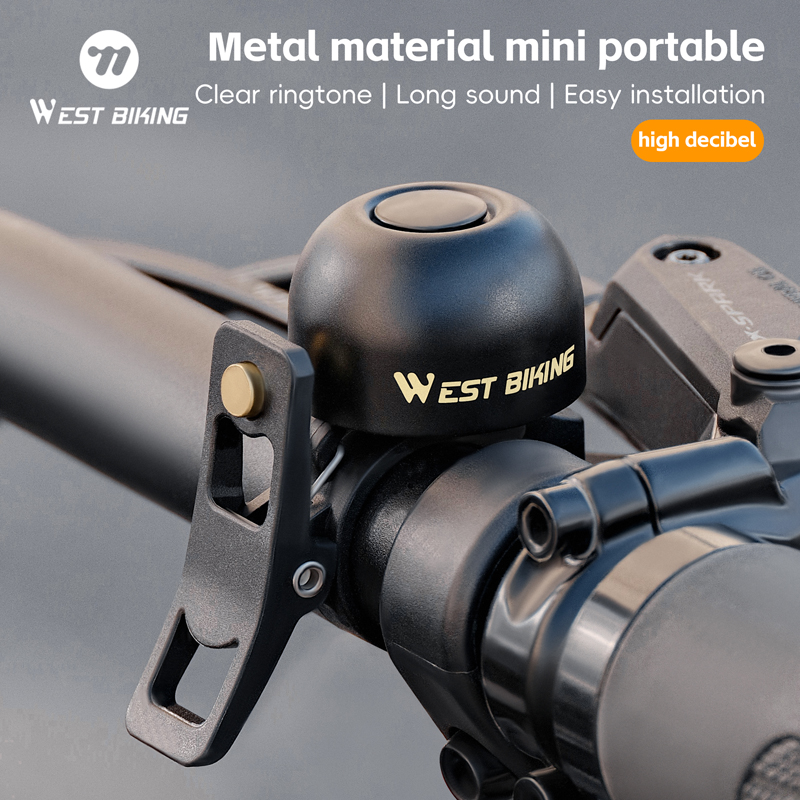
Vintage Copper Acoustic Bell
Ultra-dense copper alloy casting providing anti-corrosion resonance, specifically tuned to cut through coastal ambient wind noise on high-speed urban cycleways.
View Specifications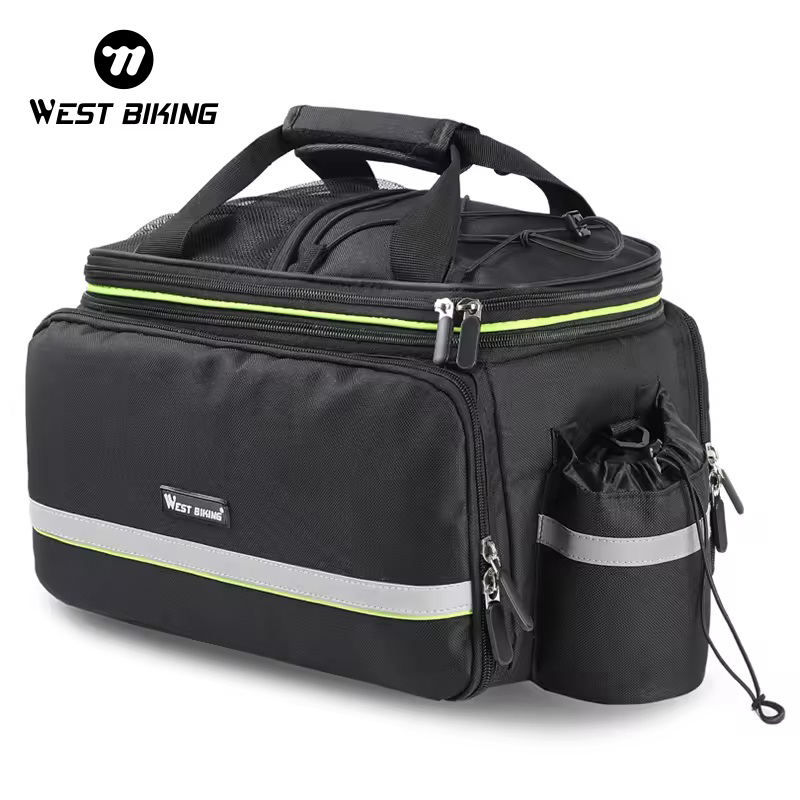
35L Waterproof Expander Pannier
Thermotransit 1000D TPU-coated ballistic polyester with hermetic seams designed to function seamlessly under rear mudguard splash pathways during multiday bike packing.
View Specifications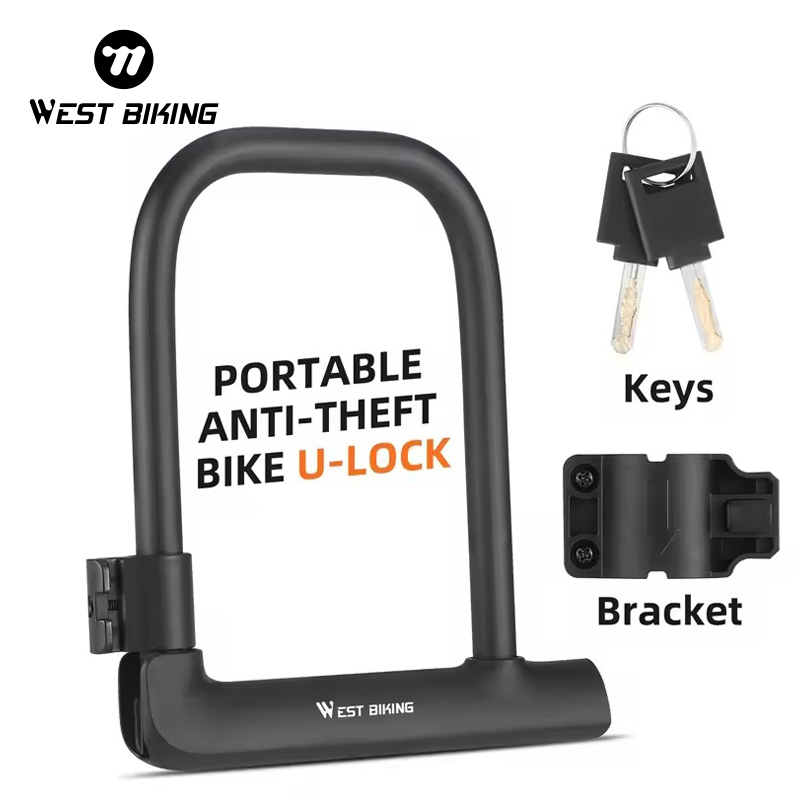
Anti-Shear Hardened Alloy U-Lock
Structural boron-manganese steel crossbars resisting hydraulic 14-ton shear cutters; weather-capped keyway insulated against high coastal humidity and fine grit.
View Specifications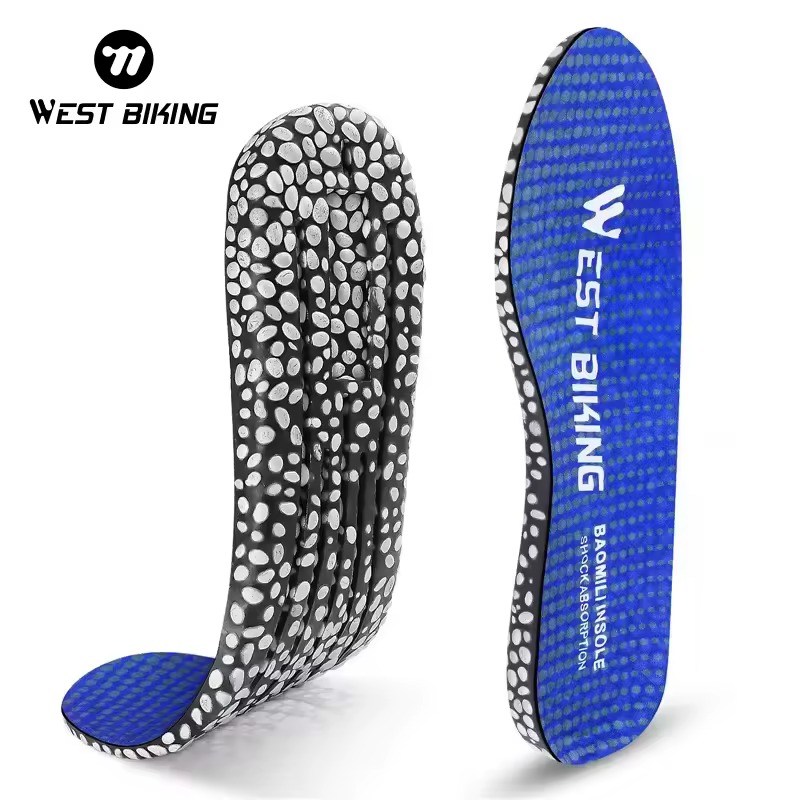
Ergonomic Trail Shock Insoles
Multi-density closed-cell EVA architecture delivering superior vibration damping along washboard gravel tracks and unpaved national trail networks.
View Specifications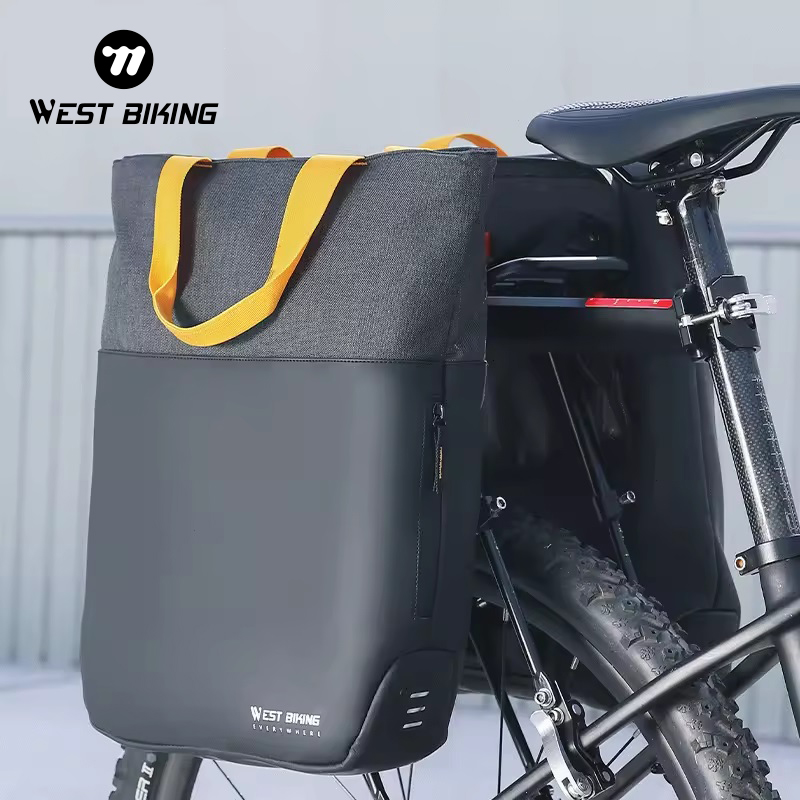
11L Rigid Saddle Fender Bag
Engineered with an abrasion-resistant underside that serves as an auxiliary splash deflector, anchoring securely via reinforced nylon buckle systems.
View Specifications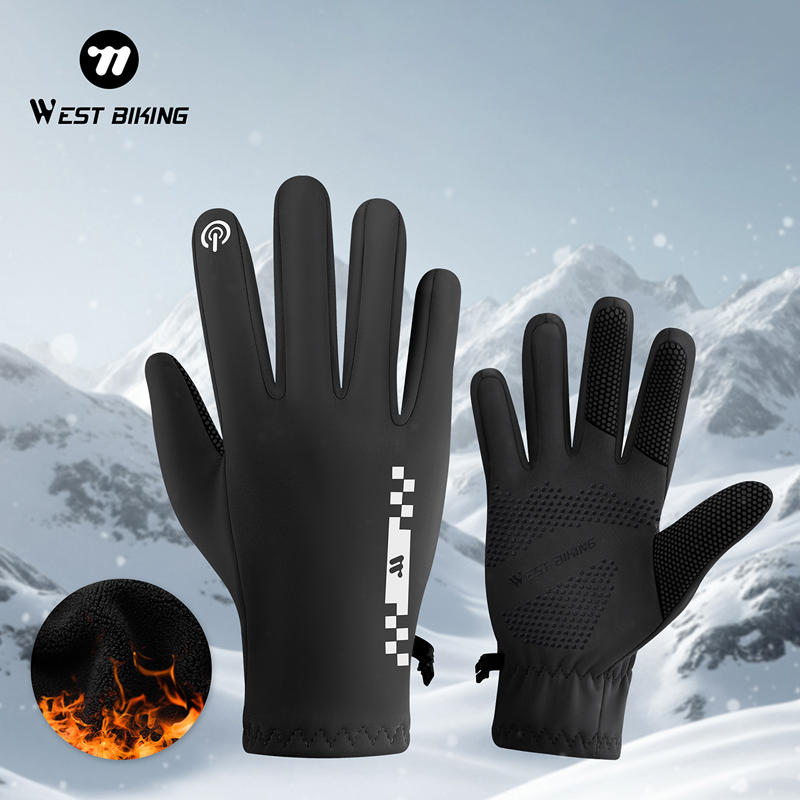
All-Weather Thermal Winter Gloves
Three-ply composite softshell featuring DWR-treated surfaces to withstand torrential maritime rain showers while keeping digital cockpit touchscreens fully responsive.
View Specifications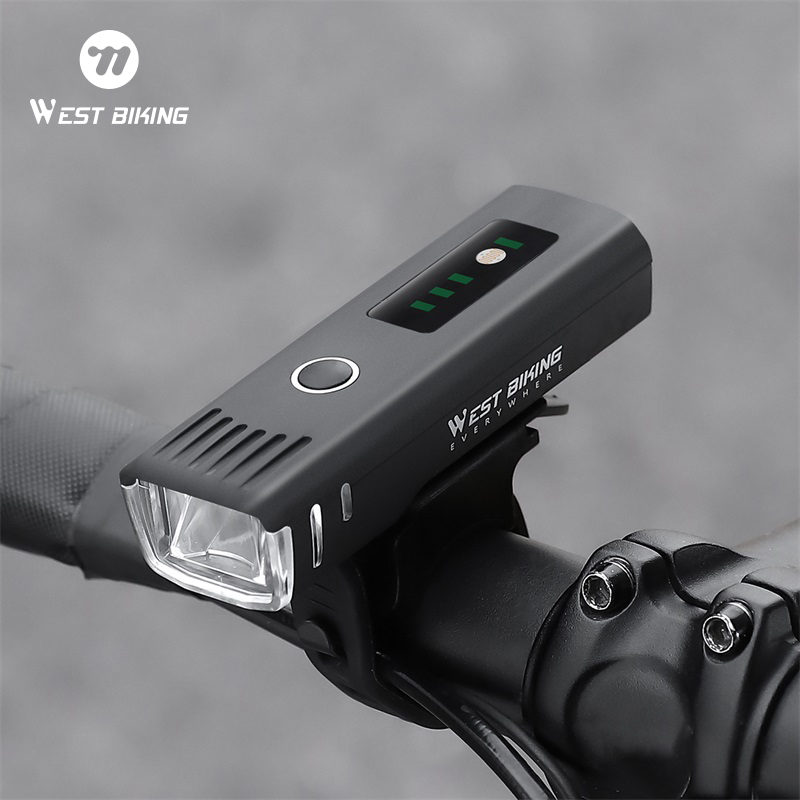
IPX4 Smart Sensor Mini Headlight
Wide-angle optic lens offering uniform forward throw with daylight-sensing auto regulation, enclosed in an impact-proof housing for damp, overcast gravel epics.
View Specifications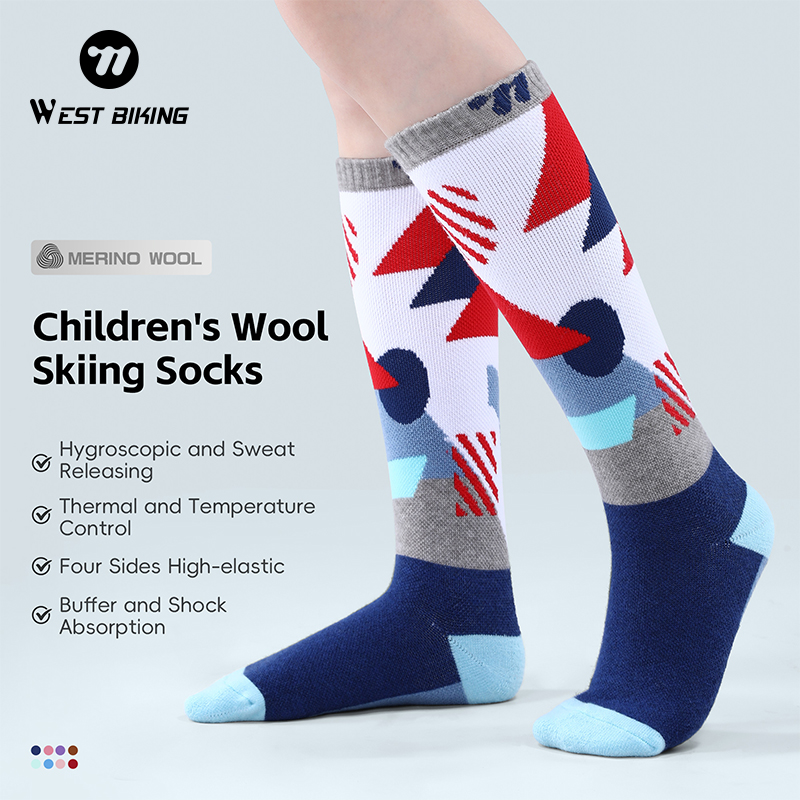
Thermoregulating Merino Trail Socks
Natural hollow-fiber insulation managing moisture during extreme thermal shifts, retaining core foot temperature even when inundated by trail runoff.
View SpecificationsComprehensive Technical Report: Bike Fender Engineering for New Zealand’s Geographic Extremes
Supplying bicycle mudguards to the New Zealand (NZ) market requires solving a specialized set of engineering challenges rarely encountered in standardized continental road environments. From the high-salinity air blowing across coastal Auckland commuter paths to the volcanic pumice grit of the Central Plateau and the glacial shale along the South Island’s Queenstown and Otago trails, mudguards must survive relentless abrasive blasting, elevated levels of Solar Ultraviolet Radiation (UVI index regularly exceeding 12), and sudden mechanical impacts.
As a vertically integrated original equipment manufacturer (OEM), our dedicated R&D team addresses these microclimatic factors via strict material formulation and mounting stability. Standard low-grade polyethylene fenders degrade, crack, and discolor within six months under Southern Hemisphere sunlight. To prevent this, our production processes combine UV-stabilized virgin Polypropylene (PP) and Impact-Modified Polycarbonate (PC-ABS) with advanced Hindered Amine Light Stabilizers (HALS). This prevents long-term photochemical degradation, ensuring that fenders maintain structural elasticity at near-freezing Alpine passes while resisting warpage during intense summer downpours.
Localized Application Scenarios Across Aotearoa
Targeted product designs aligned with distinct geographical riding conditions across both the North and South Islands.
Urban Coastal Commuting
Locations: Auckland Northwestern Cycleway, Wellington Waterfront, Christchurch CBD.
Technical Demand: Marine-grade corrosion immunity. Salt spray carried by coastal gale-force winds accelerates galvanic oxidation on standard hardware. Our systems utilize 304/316-grade stainless steel stays and zinc-nickel electrophoretic coating on quick-release hardware to guarantee zero rust along marine corridors.
Nga Haerenga Great Rides & Bikepacking
Locations: Timber Trail, Alps 2 Ocean (A2O), West Coast Wilderness.
Technical Demand: Wide-clearance gravel deflection. Remote touring requires full-wrap profiles capable of shedding dense, clay-heavy mud and sharp metamorphic shale without jamming tires (up to 700x50c or 29x2.4"). Integrated breakout safety clips release stays instantly if debris wedges between the tire and guard.
Alpine & Enduro Mountain Biking
Locations: Rotorua Whakarewarewa, Queenstown Bike Park, Craigieburn.
Technical Demand: High-impact shock absorption. Aggressive downward trajectories expose fork stanchions and rear shocks to volcanic pumice and loose gravel. We manufacture reinforced, flexible front moto-mini guards using high-memory polyurethane polymers that deform under rock impacts without shearing mounting tabs.
New Zealand Cycling Market Trends & Supply Chain Transition
The New Zealand bicycle accessories landscape is undergoing a structural shift driven by three primary catalysts:
- The E-Bike Fleet Surge: With high commuter adoption across undulating cities like Wellington and Auckland, commuter e-bikes are standardizing full-coverage fenders. Unlike traditional lightweight road bikes, e-bikes run higher sustained speeds (32–45 km/h on pedal-assist Class 3 categories), generating amplified water spray and severe harmonic vibrations. Fenders must incorporate structural stiffening ribs and wider profiles (55mm to 65mm) to accommodate e-specific balloon tires.
- Infrastructure Maturation: Massive national investments in dedicated, segregated cycle paths (such as Auckland’s Urban Cycleways Programme) have converted seasonal cyclists into 365-day utilitarian commuters. Commuters demand clean transit solutions—meaning clean work clothes, dry shoes, and clean pannier packs. Consequently, IBDs (Independent Bicycle Dealers) are ordering turnkey fender and rack packages directly from factories.
- Wholesaler Diversification away from Fragile Tier-1 Margins: Local distributors are facing compressed profit margins on imported premium European components. By collaborating directly with precision OEM/ODM manufacturers like PAVI, importers obtain direct factory pricing, proprietary logo customization, and consolidated shipping lines that match New Zealand Consumer Guarantees Act (CGA) performance benchmarks at half the landed procurement cost.
Factory Qualifications & Manufacturing Superiority
Operating verified manufacturing pipelines, stringent in-house laboratory testing, and fully transparent export operations.
Enterprise Rigor & Global Trade Footprint
Founded in 2015, Yiwu PAVI Technology Co., Ltd. has established an industry-leading reputation as an onsite-verified supplier assessed independently by TÜV Rheinland and Alibaba.com. With a dedicated export operation, comprehensive supply chain integration, and an average buyer satisfaction index of 4.7/5.0, we provide seamless procurement operations for top-tier distributors across Australasia, Europe, and North America.
Our core production ecosystem avoids the fragility of fragmented sub-contracting. From CNC injection molding, progressive die metal pressing, automated high-frequency welding to multi-angle functional checks, all operations occur under standardized ISO-aligned quality management systems.
Quality Control & Specialized Equipment
Every batch of bicycle fenders, structural accessories, and safety hardware undergoes four strict testing gates prior to export sign-off:
- Universal Tensile & Flexural Bench: Validating polymer yield strength, strap elongation resistance, and stay fatigue limits under simulated high-frequency trail jitter.
- Programmable Thermal & UV Aging Chambers: Simulating 5 years of intense Australasian ultraviolet exposure and temperature cycling without micro-cracking or polymer embrittlement.
- Continuous Salt Spray Cabinets (ASTM B117): 240+ hours continuous exposure verifying zinc coatings, anodized aluminum alloys, and stainless fasteners.
- Dynamic Rolling Mud-Clearance Simulator: Testing radial tracking, lateral rigidity, and safety release actuation on live tire rigs.
Frequently Asked Questions for New Zealand Importers
Direct technical answers addressing lead times, biosecurity compliance, OEM parameters, and warranty protocols.
Q: How do your fender materials comply with NZ UV radiation levels?
A: We inject our virgin polycarbonate and high-grade polypropylene compounds with an optimized dosage of carbon black matrix and specialized Hindered Amine Light Stabilizers (HALS). This formulation neutralizes Southern Hemisphere high-UV photochemical oxidization, completely eliminating polymer brittleness, fade, and chalking over years of outdoor exposure.
Q: Do your export packaging materials meet MPI (Ministry for Primary Industries) biosecurity standards?
A: Yes. All shipments targeting the Ports of Auckland, Tauranga, or Lyttelton are packaged strictly with non-timber polymer strapping, plastic/ISPM-15 heat-treated certified pallets, and moisture-controlled desiccant barriers. We guarantee clean phytosanitary and biosecurity paperwork to prevent customs biosecurity clearance holds.
Q: What is the typical Minimum Order Quantity (MOQ) for custom-branded fender production?
A: For ready-to-ship catalog models, our flexible MOQs start from as low as 1 to 5 units, allowing retail test orders. For private label programs featuring custom pad printing, laser-engraved logos, custom color-matched stays, and bespoke retail hanger card packaging, the production MOQ typically starts at 300 to 500 sets per SKU.
Q: Can your factory supply universal hardware compatible with both disc brakes and suspension forks?
A: Absolutely. Modern gravel, hybrid, and e-bikes feature varying fork eyelets and disc caliper placements. We provide modular stay systems, including curved caliper clearance bends, silicone-damped fork leg clamps, eyelet extenders, and front crown direct-mount expander plugs (19mm–35mm internal steerer diameter) to ensure universal compatibility across diverse frames.
Q: What are your standard sea and air freight lead times to New Zealand?
A: Once production is completed (typically 15–25 days for custom OEM runs), direct container shipping from Ningbo/Shanghai to Auckland or Tauranga ranges between 12 to 18 transit days. Urgent sample requests and expedited batch consignments via air freight arrive in New Zealand within 4 to 7 working days via DHL/FedEx.
Equip Your Brand with Market-Leading Bike Fenders
Direct factory partnership, tailored New Zealand specifications, low MOQ programs, and comprehensive OEM private labeling. Request our technical catalog and pricing sheet now.