High-Precision Cockpit Integration & Rider Essentials
A curated selection of certified performance accessories engineered for professional cycling teams, OEM brand builders, and specialized retail distributors worldwide.

WEST BIKING Winter Warm Merino Wool Anti-Slip Cushion Cycling Socks
- Merino Wool Blend
- Thermal Regulation
- Anti-Blister Arch
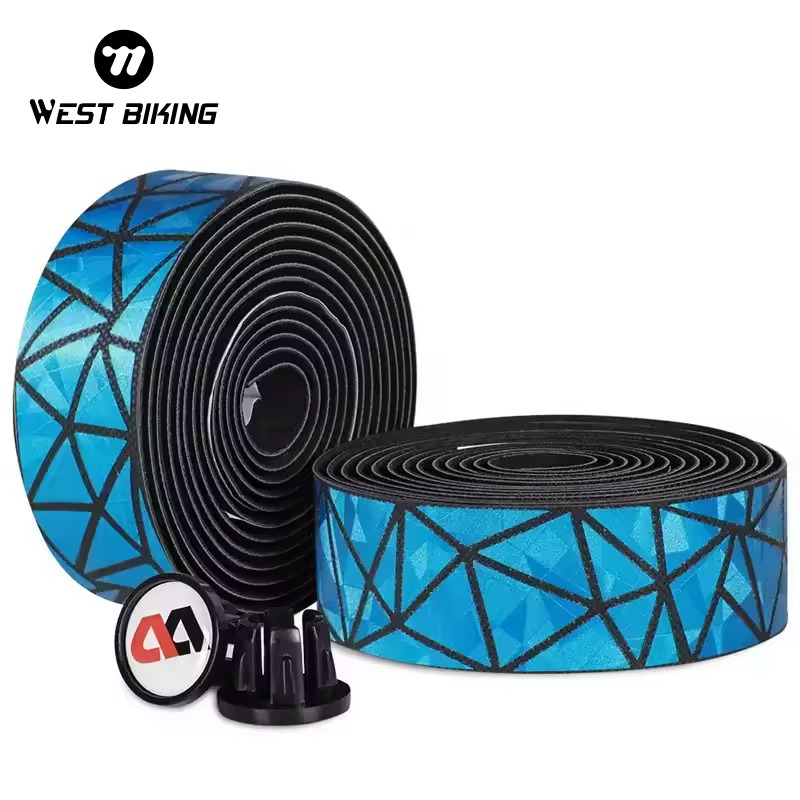
WEST BIKING Reflective Photochromic Anti-Slip Road Bike Handlebar Tape
- Photochromic Color
- High-Grip EVA
- Vibration Damping
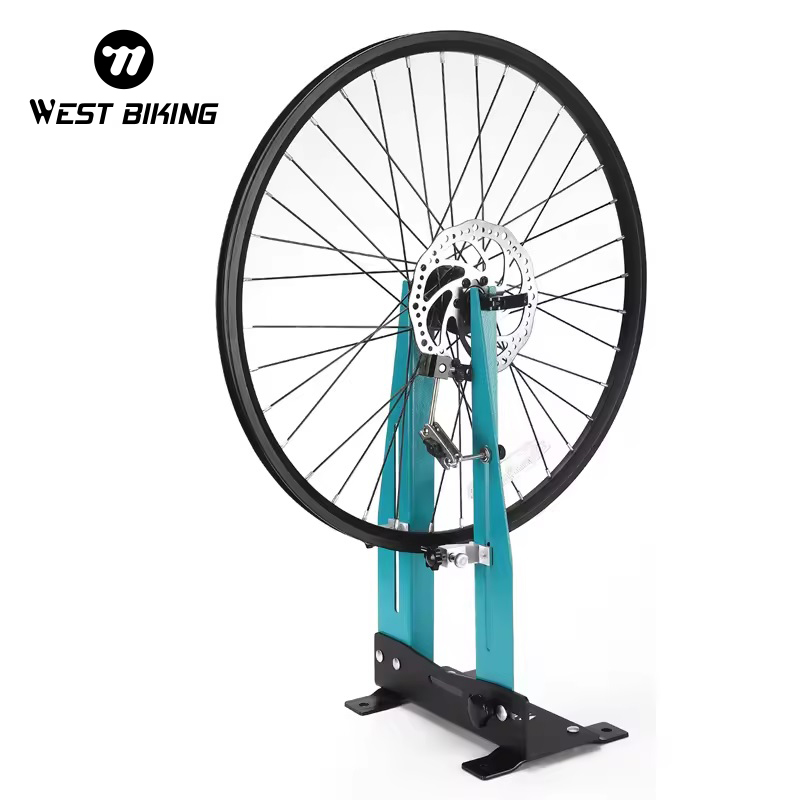
WEST BIKING Professional Bicycle Wheel Truing & Repair Stand
- CNC Machined
- Dial Gauge Ready
- Thru-Axle Fit
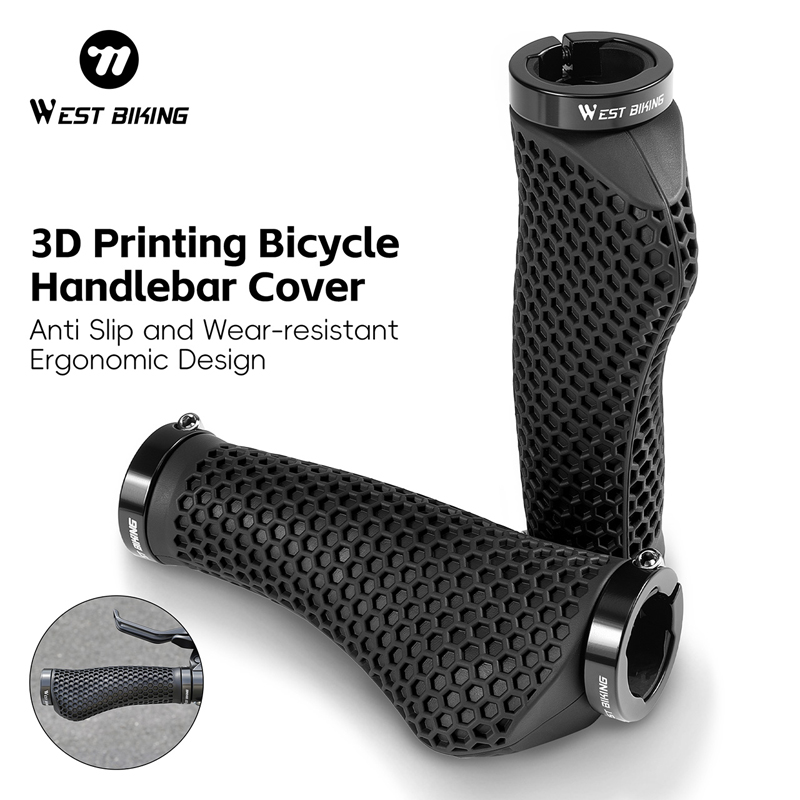
West Biking 3D Style Anti-Slip Shock-Absorbing MTB Road Cycling Gloves
- 3D Gel Palm
- Honeycomb Mesh
- Nerve Relief
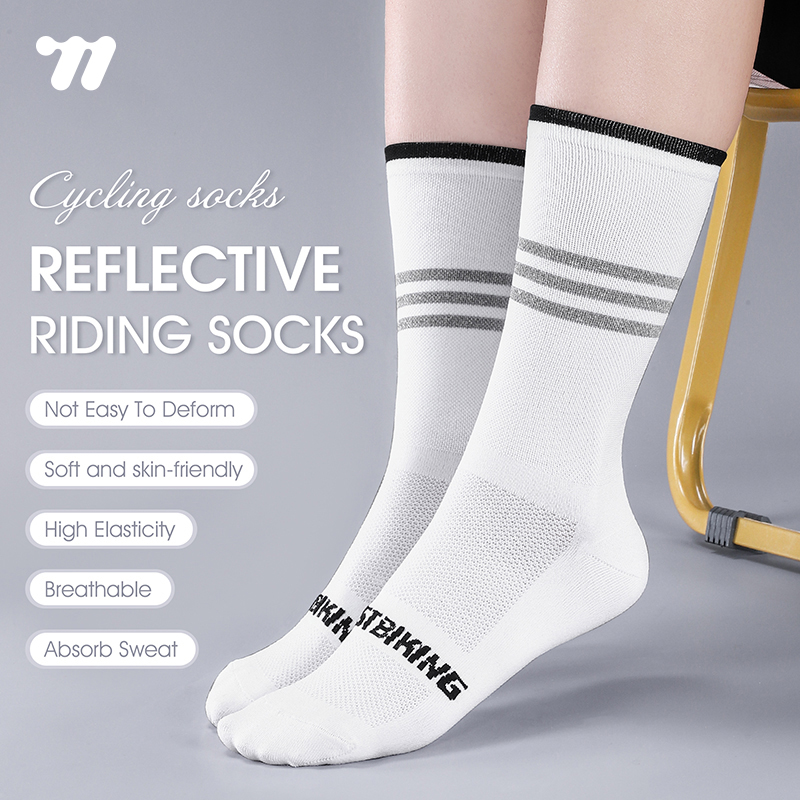
WEST BIKING Reflective Breathable Moisture-Wicking Cycling Socks
- High-Elastic Weave
- 360° Reflective Stripe
- Fast Dry Yarn
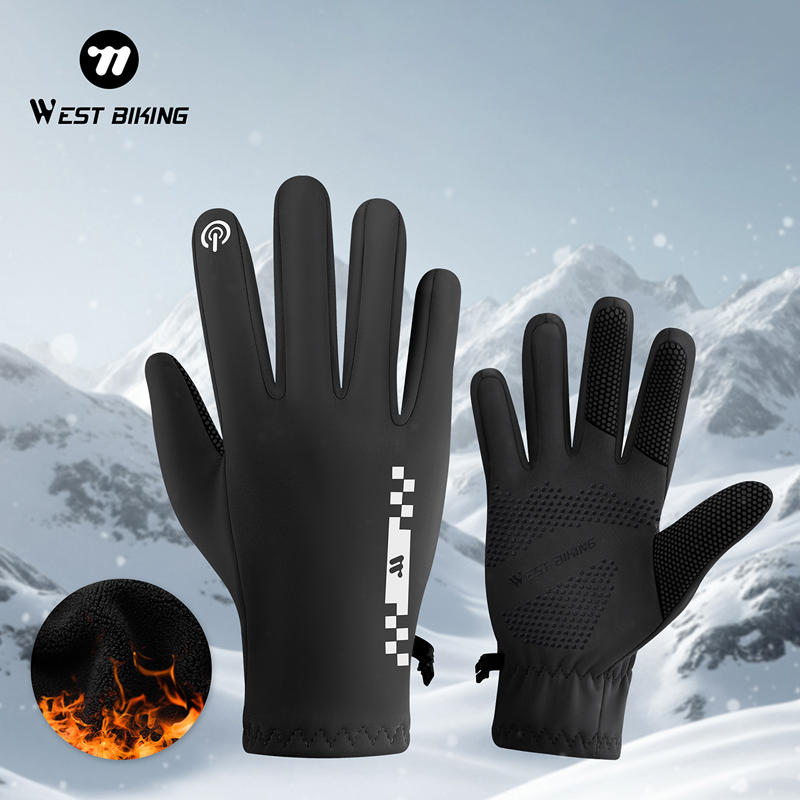
WEST BIKING Winter Fleece-Lined Thermal Touchscreen Water-Repellent Gloves
- Conductive Fingertips
- SBR Wind Shield
- Thermal Fleece
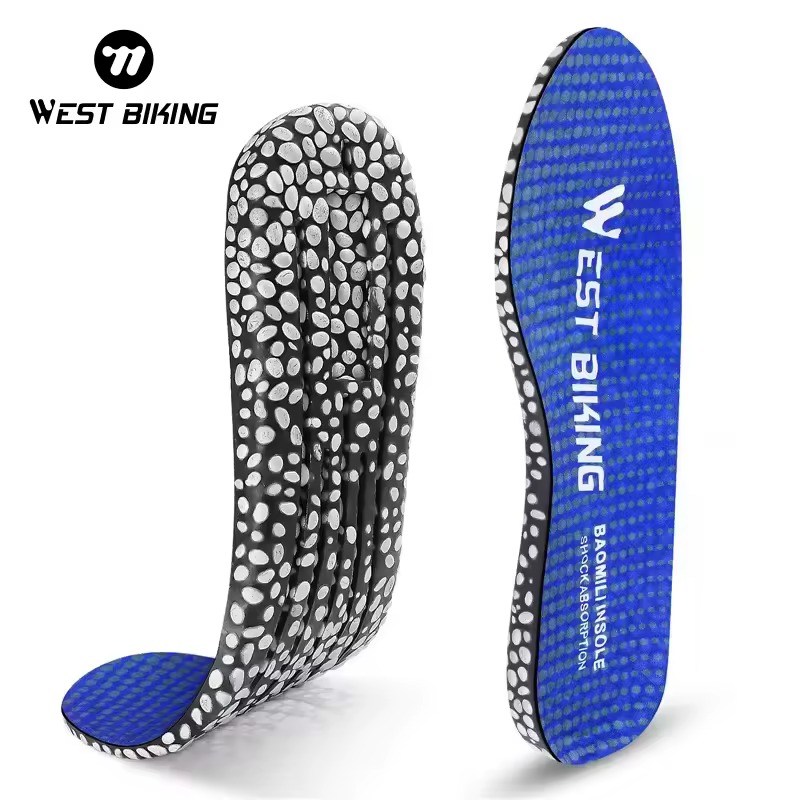
WEST BIKING Ergonomic Arch-Support Shock Absorption Cycling Insoles
- Medial Arch Support
- PORON Cushioning
- Heel Cup Lock
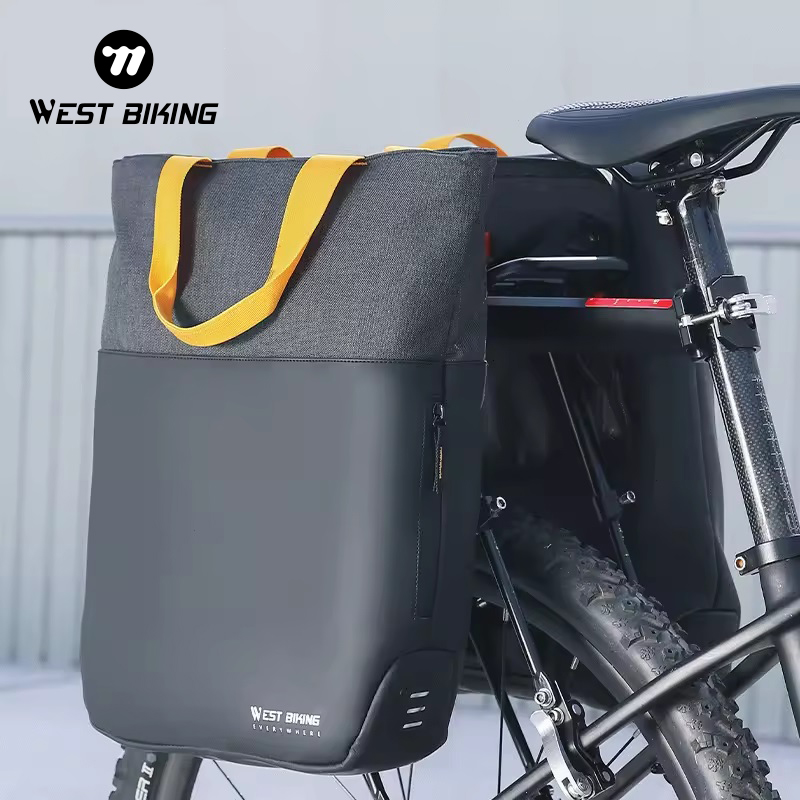
WEST BIKING 11L Capacity Waterproof Bikepacking Saddle Pannier Bag
- Roll-Top Waterproof
- Anti-Sway Harness
- Light Mount Loop
The Architecture of China’s GPS Bike Computer Manufacturing Ecosystem
How cutting-edge SMT micro-soldering, multi-constellation satellite chipsets, and vertically integrated supply chains establish China as the powerhouse for global cycling electronics.
Multi-GNSS Constellation Convergence
Modern Chinese manufacturing facilities do not rely solely on single-band GPS. The standard engineering benchmark for tier-one OEM head units incorporates concurrent tracking of five global satellite networks: GPS (USA), GLONASS (Russia), Galileo (European Union), BeiDou (China), and QZSS (Japan).
- Dual-frequency L1 + L5 GNSS chip integration
- Sub-meter positioning precision in dense urban & forest cover
- AGPS predictive ephemeris caching for under-5-second TTFF
Low-Power Sensor Telemetry Engines
The processing core demands ultra-low quiescent current consumption to deliver 35 to 70 hours of operational battery runtime. Production lines implement dual-core ARM Cortex-M architecture with hardware-accelerated floating-point units (FPU) dedicated to processing real-time telemetry inputs.
- Simultaneous Bluetooth Low Energy (BLE 5.3) & ANT+ FE-C
- Native power-meter torque, cadence, balance, and pedaling smoothness
- Bidirectional electronic shifting integration (Di2, eTap, EPS)
Optically Bonded Display & IPX7 Enclosures
Outdoor readability under blazing sunlight and complete ingress protection against torrential cloudbursts are non-negotiable. Tier-one Chinese manufacturers employ cleanroom liquid optical clear resin (LOCA) injection bonding between the protective tempered cover glass and the transflective display.
- Zero air-gap elimination of internal condensation and glare
- Memory-in-Pixel (MIP) or ultra-bright 1000-nit transreflective TFT
- Ultrasonic perimeter welding satisfying rigorous IPX7 immersion tests
Engineering Tiers: Entry-Level vs. Professional GPS Bike Computers
A granular side-by-side technical evaluation designed for procurement directors drafting requests for proposals (RFPs) and production orders.
| Architecture Feature | Entry-Level Commercial Tier | Mid-Tier Sport Performance | Flagship WorldTour / Enterprise Tier |
|---|---|---|---|
| GNSS Hardware Core | Single-Band GPS + BeiDou (L1 only) | Triple Constellation (GPS, GLONASS, Galileo) | Full Band Dual L1+L5 (All 5 Constellations) |
| Display Architecture | Segmented FSTN / Monochromatic LCD | 2.2" - 2.4" Transflective Color Screen | 2.8" - 3.5" Optically Bonded Touch Transflective MIP |
| Mapping & Navigation | Breadcrumb Vector Track (.GPX / .FIT) | Preloaded Basemaps with Turn Warning | Offline Dynamic Topo Maps, Instant Rerouting on Device |
| Wireless Protocol Stacks | BLE 4.2 Sync Only | Dual BLE 5.0 + ANT+ (Speed/Cadence/HR) | BLE 5.3 + ANT+ FE-C + Wi-Fi 2.4GHz + e-Bike LEV |
| Battery Cell & Power IC | 500 - 800 mAh Li-ion (18-25 Hrs) | 1000 - 1200 mAh (30-40 Hrs) | 1800 - 2400 mAh with Power Delivery Fast Charge (50-75 Hrs) |
| Environmental Rating | IPX6 Splashproof Gasket | IPX7 (1 Meter Submersion for 30 Mins) | IP68 Hermetic Ultrasonic Weld + Military Drop Spec |
| Firmware Customization | Pre-fixed Splash Screen & Logo Silk-Print | Custom Bootloader, Multi-Language UI (12+) | Full White-Label SDK, Custom App Cloud Sync & API Integration |
Future Technology Trends in Cycling Telematics
Anticipate where market demand is shifting. Incorporate these emerging capabilities into your next-generation product roadmap before competitors catch up.
1. Photovoltaic Solar Glass Integration
Next-generation smart head units are incorporating semi-transparent photovoltaic solar cells directly beneath the outer glass layer. By harvesting ambient solar radiation during daytime rides, battery longevity extends by an additional 20 to 30 minutes for every hour spent under direct sunlight, drastically minimizing charging cycles.
2. On-Device Edge AI & Real-Time Coaching
Riders are transitioning away from passive data displays to active intelligent insights. Microcontrollers embedded with neural network accelerators execute on-the-fly stamina prediction, metabolic burn estimates, and aerodynamic drag variance calculations without requiring an active cellular link or cloud dependency.
3. Native e-Bike Protocol Convergence (LEV / CAN)
With global electric bike adoption expanding exponentially, bike computers increasingly act as central human-machine interfaces (HMI). Hardware supports native ANT+ LEV and CAN-bus telemetry, displaying remaining motor assist capacity, motor operating temperature, battery state of health (SOH), and dynamic range overlays.
4. Millimeter-Wave Radar & Smart Vision Integration
Safety telemetry is becoming an indispensable purchase driver. Modern head units feature customized high-baud wireless channels capable of communicating with rearward 24GHz/77GHz millimeter-wave radar modules, displaying real-time target distance, relative approach velocity, and multi-vehicle threat vectors on screen.
5. Circular Design & Repairability Mandates
Anticipating EU Right-to-Repair regulations, top Chinese export factories are redesigning internal mechanical layouts. Glue-heavy assemblies are being replaced with modular, screw-fixed architectures featuring modular battery compartments, accessible USB-C port daughterboards, and recycled polycarbonate structural housings.
6. Open Platform Architecture & App Ecosystems
Closed, proprietary systems are declining in popularity among high-volume distributors. Contemporary OEM systems utilize open-source SDKs compatible with standard .FIT architectures, providing seamless synchronization with Strava, TrainingPeaks, Komoot, and proprietary enterprise fleet management platforms.
Future B2B Procurement Trends in China’s Supply Chain
How professional procurement managers, national brand distributors, and e-commerce leaders are re-engineering their supplier agreements to optimize margins and eliminate delivery volatility.
Agile Low-MOQ Tiered Tooling
Gone are the days when custom electronics required an upfront commitment of 10,000 units. Top Chinese manufacturers have developed flexible production schedules and modular tooling dies, allowing international brand owners to launch private-label GPS computers with initial pilot runs starting as low as 500 to 1,000 units.
Consolidated Ecosystem Sourcing
Rather than managing disparate factories for bike computers, handlebar mounts, heart rate chest straps, cadence sensors, and protective silicone skins, global buyers are consolidating orders under multi-specialty supply chain groups like PAVI Technology to maximize container cubing and lower logistics overhead.
DDP Landed Cost Hedging & Warehousing
Amid unpredictable ocean freight fluctuations and changing tariff landscapes, procurement teams are negotiating delivered-duty-paid (DDP) contracts backed by localized warehousing in bonded free-trade zones, stabilizing landed cost accounting and shortening re-stocking lead times to days instead of months.
Inside the Manufacturing Lines & Quality Control Systems
Yiwu PAVI Technology Co., Ltd. (Zhejiang, China) combines rigorous SMT micro-soldering, cleanroom assembly, and multi-stage automated optical inspection (AOI) to guarantee zero-defect international shipments.
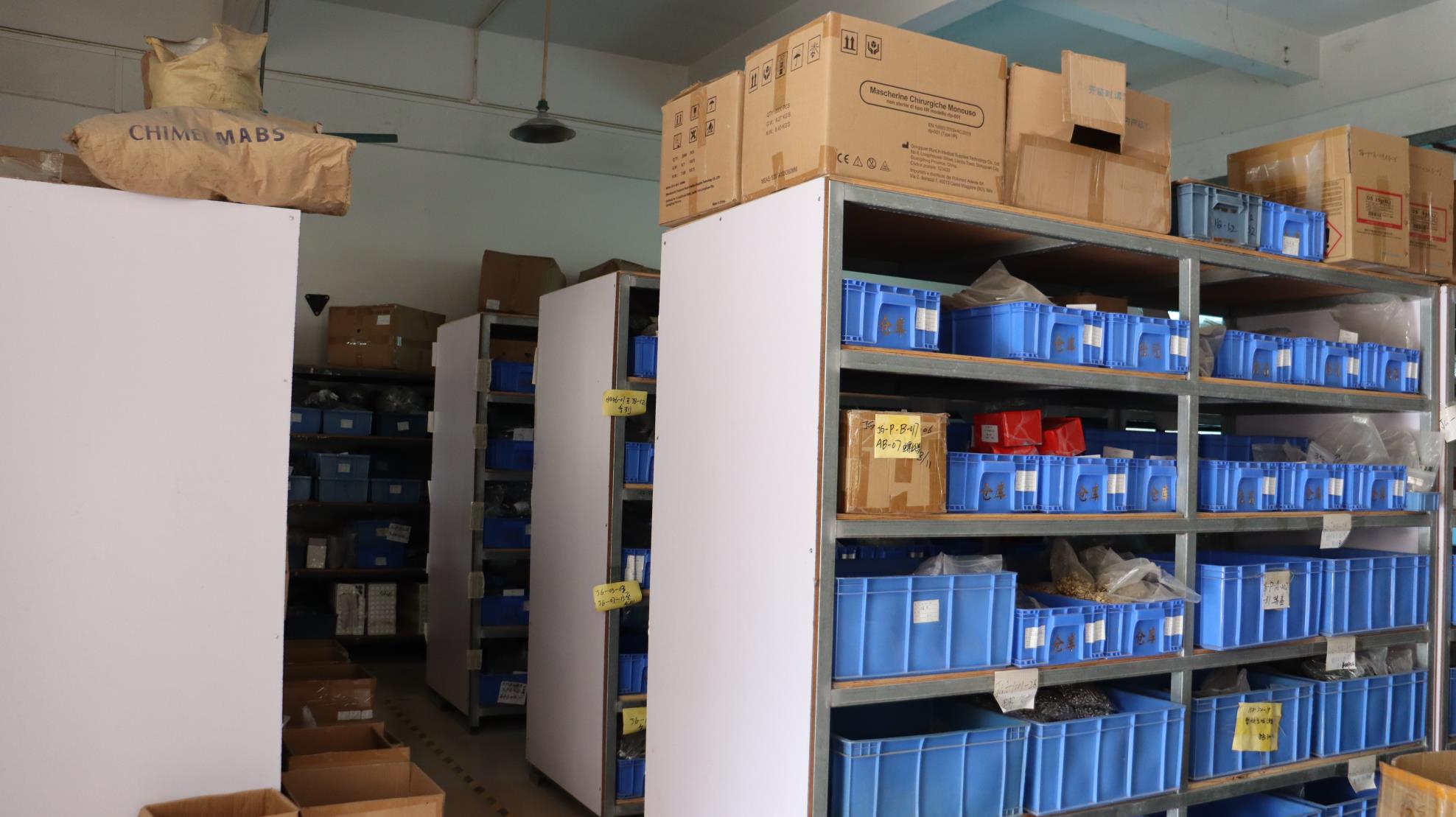
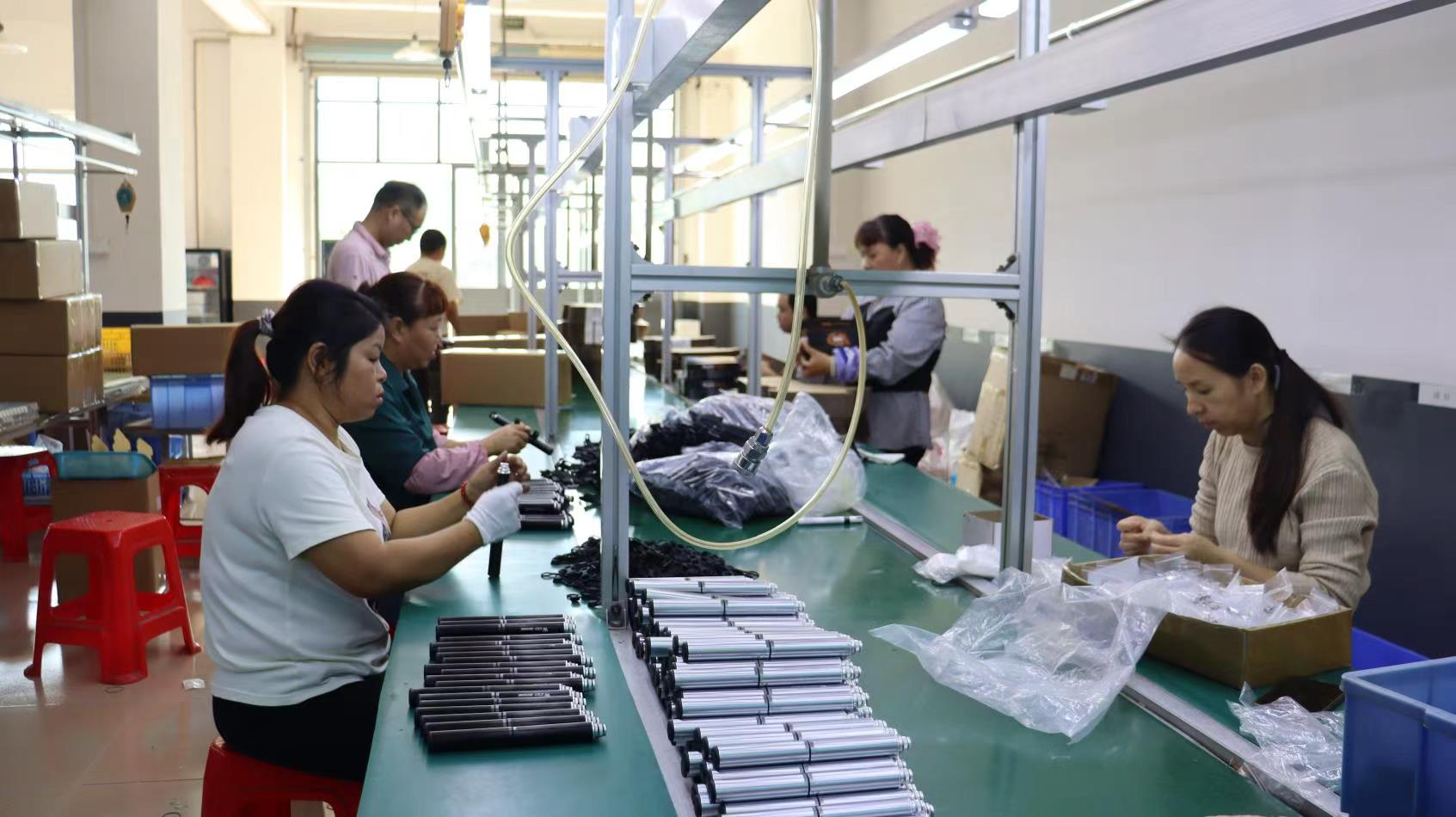
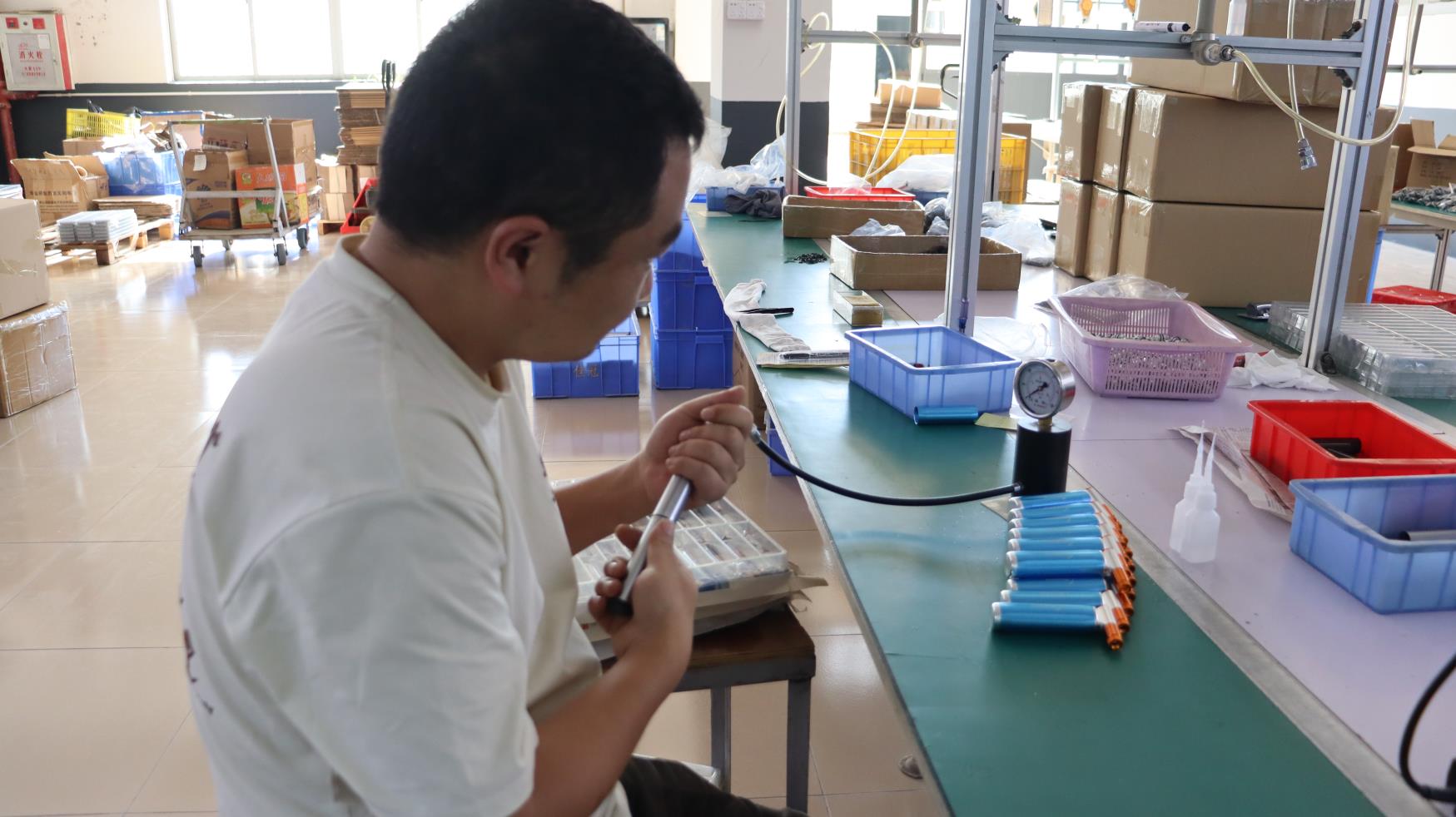
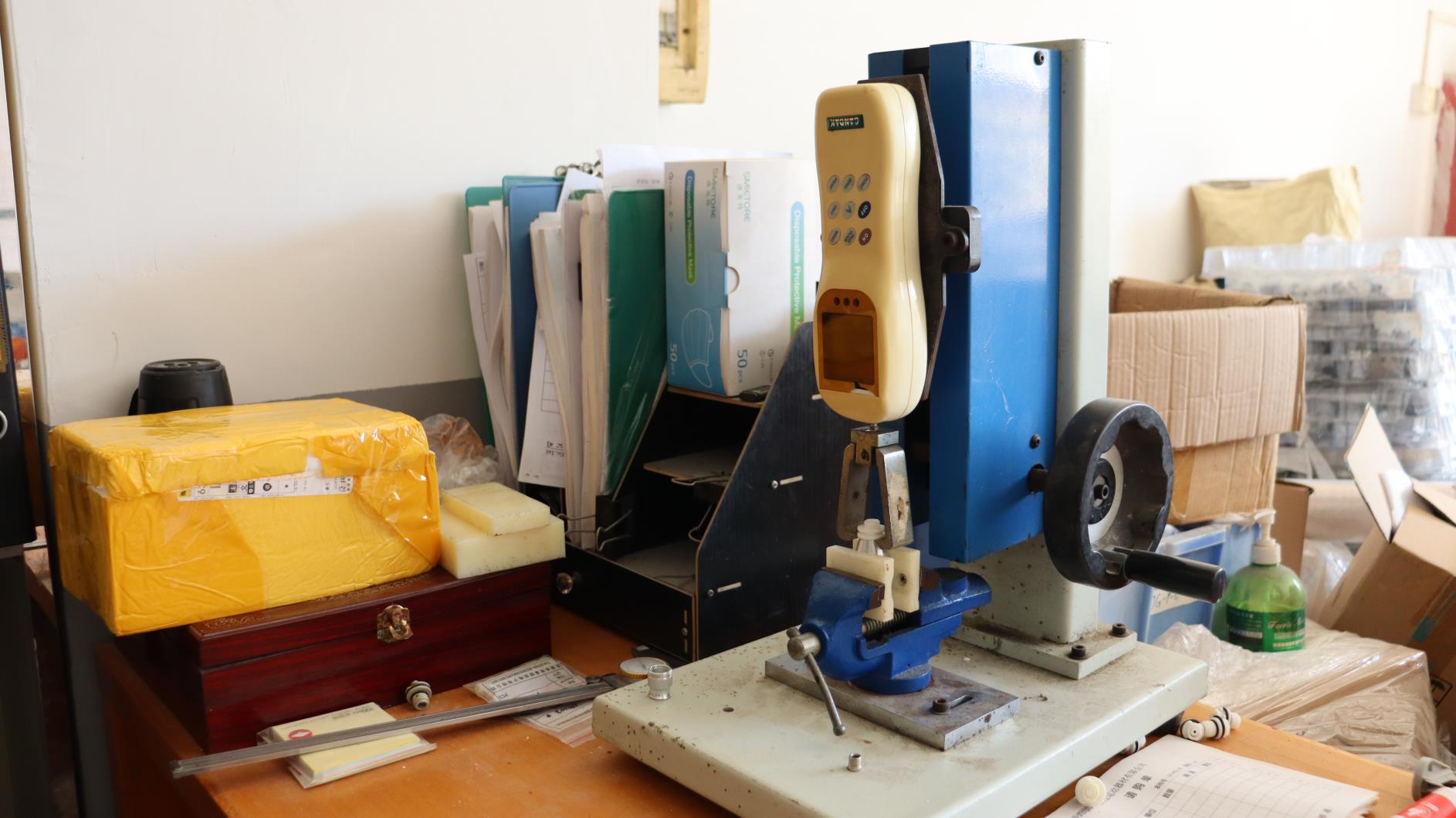

TÜV Rheinland Assessed & Onsite-Verified
Our facility, production capabilities, legal entity status, and quality management pipelines are independently audited and certified by TÜV Rheinland and verified onsite since 2015.
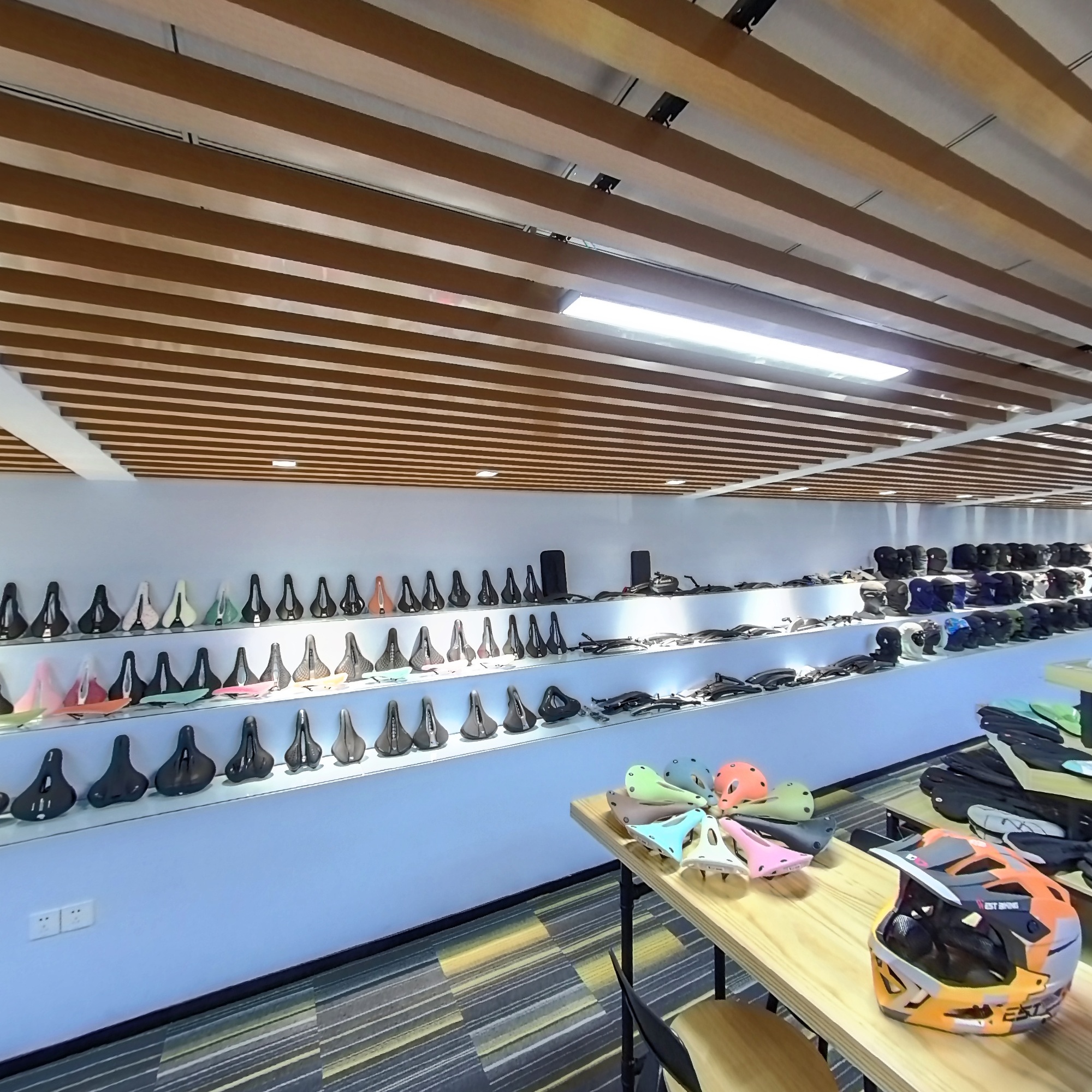
Turnkey OEM/ODM Engineering & Low MOQ
We empower independent cycling brands, importers, and retail chains with low-MOQ trial orders (from ready-to-ship stock to custom laser marking, retail packaging, and tailored firmware bootloaders).
Verified Since 2015
Over a decade of continuous export excellence serving North America, Western Europe, and Southeast Asia.
4.7 / 5.0 Buyer Rating
Verified transaction record with verified repeat purchase rates across global distributor networks.
690+ Product Videos
Full transparency with video verification for catalog items to accelerate sample qualification.
Multi-Currency & DDP
Flexible financial settlement supporting USD, EUR, JPY, GBP, and full multimodal DDP ocean/air options.
Frequently Asked Questions: Sourcing GPS Bike Computers
Direct answers to technical specifications, minimum order quantities, firmware white-labeling, testing protocols, and international compliance certification.
What is the realistic MOQ for private-label OEM GPS bike computers?
How do China factories validate GPS performance and GNSS accuracy before shipping?
What international compliance certifications are mandatory for importing to the US and Europe?
Can our engineering team access an SDK or API for mobile application integration?
How is IPX7 waterproof integrity tested during mass manufacturing?
What display technology provides the best visibility in direct sunlight without draining battery life?
What are the standard production lead times from initial deposit to port dispatch?
Can we consolidate bicycle computers with mounts, sensors, apparel, and bags in one container?
What payment terms, trade terms, and foreign exchange currencies are supported?
How are warranty claims, hardware defects, and field repairs managed?
Partner with an Onsite-Verified Export Leader
Access our comprehensive B2B telematics catalog, receive detailed unit quotations, evaluate physical production samples, and configure your custom OEM/ODM brand program today.