Industry Benchmark: China’s Strategic Dominance in Cycling Electronics
The global cycling computing ecosystem has transitioned decisively from rudimentary mechanical wheel-magnet sensors to multi-constellation satellite navigation terminals (GPS, BDS, GLONASS, Galileo) and ANT+/Bluetooth BLE 5.3 smart telemetry hubs. As international cycling brands, hypermarket chains, and cross-border e-commerce distributors evaluate precision manufacturing partners, China’s industrial belt in Zhejiang and Guangdong stands out as the supreme manufacturing cluster for bicycle speedometers and micro-electronic peripherals.
Operating at the epicenter of this supply network since 2015, Yiwu PAVI Technology Co., Ltd. (PAVI Cycling Gear) bridges tier-one micro-electronic surface-mount production lines with international procurement protocols. This comprehensive sourcing guide articulates engineering tolerances, firmware customization capabilities, factory compliance parameters, and future telemetry developments required for institutional volume procurement.
2015
Onsite Verified Since
+690
Videod Products Cataloged
4.7 / 5.0
TÜV Assessed Quality Rating
100%
Pre-Shipment QC Pass Ratio
OEM / ODM Fleet Inventory
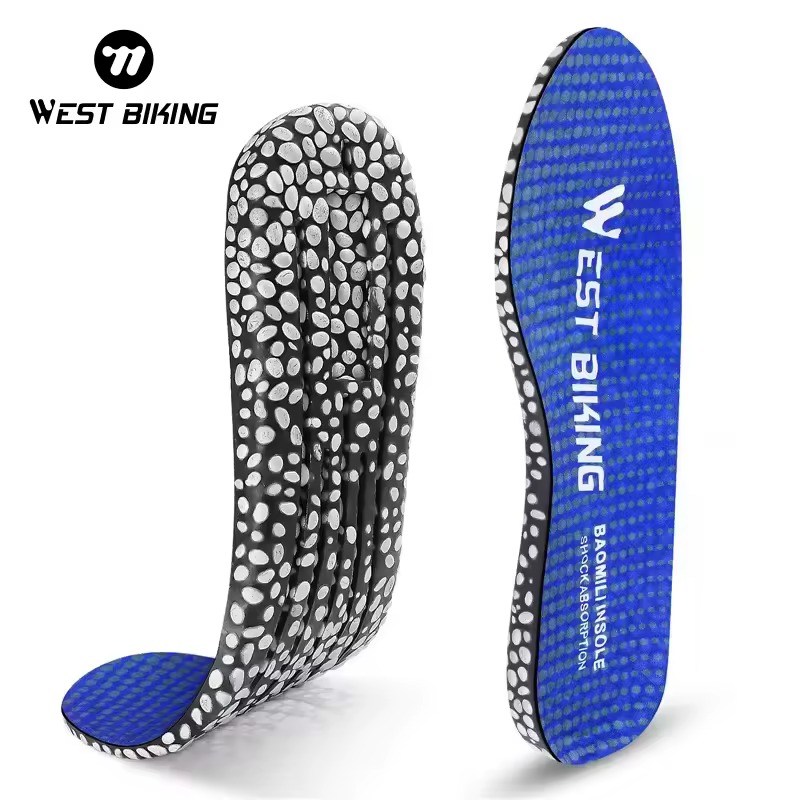
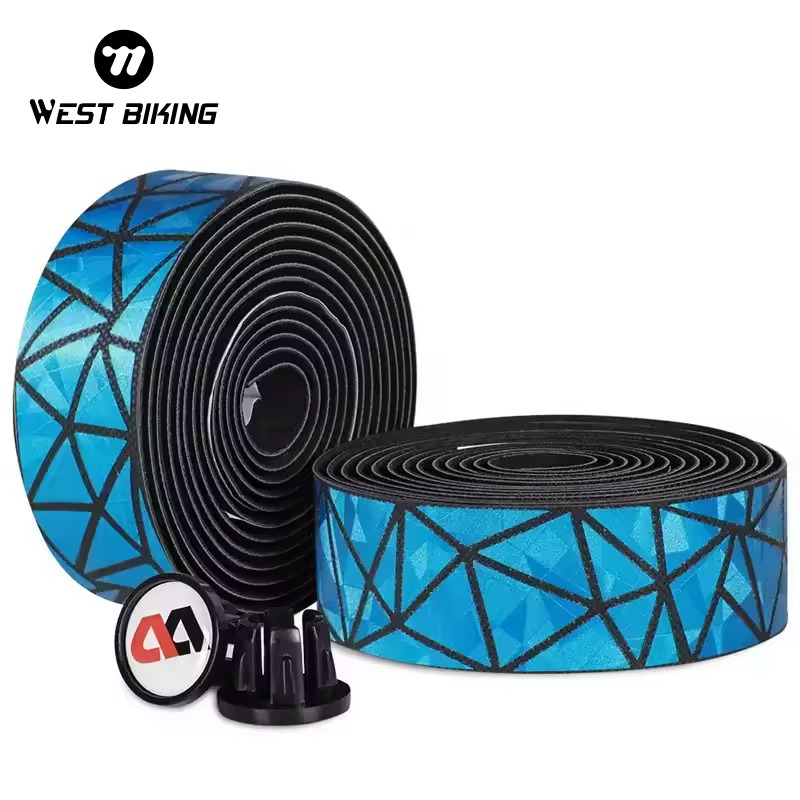
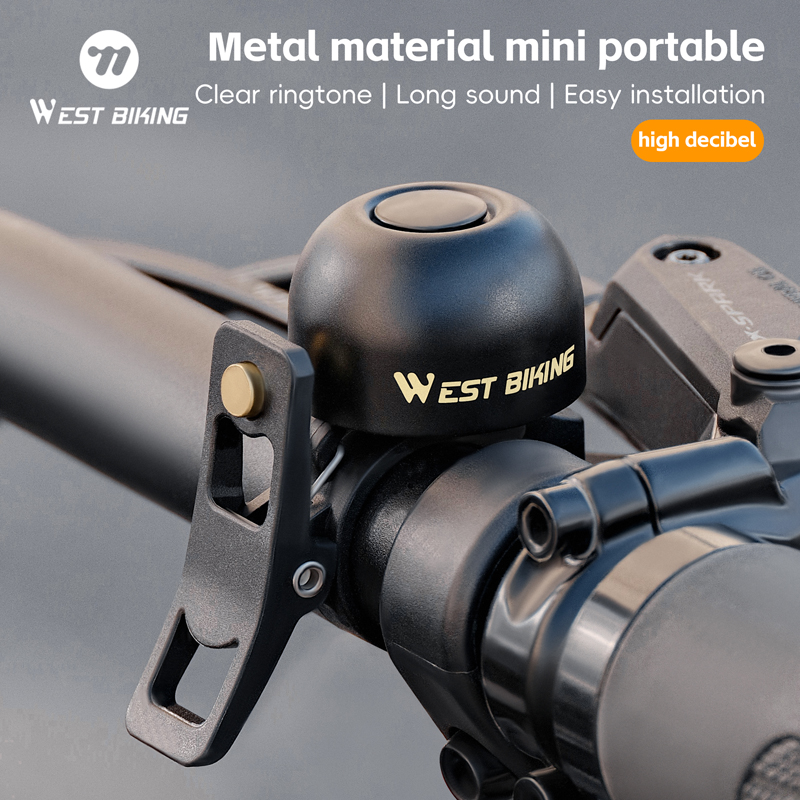
Recommended High-Velocity Cycling Hardware
Inspect our certified components engineered for rapid turnkey restocking, cross-category consolidation, and private-label distribution.
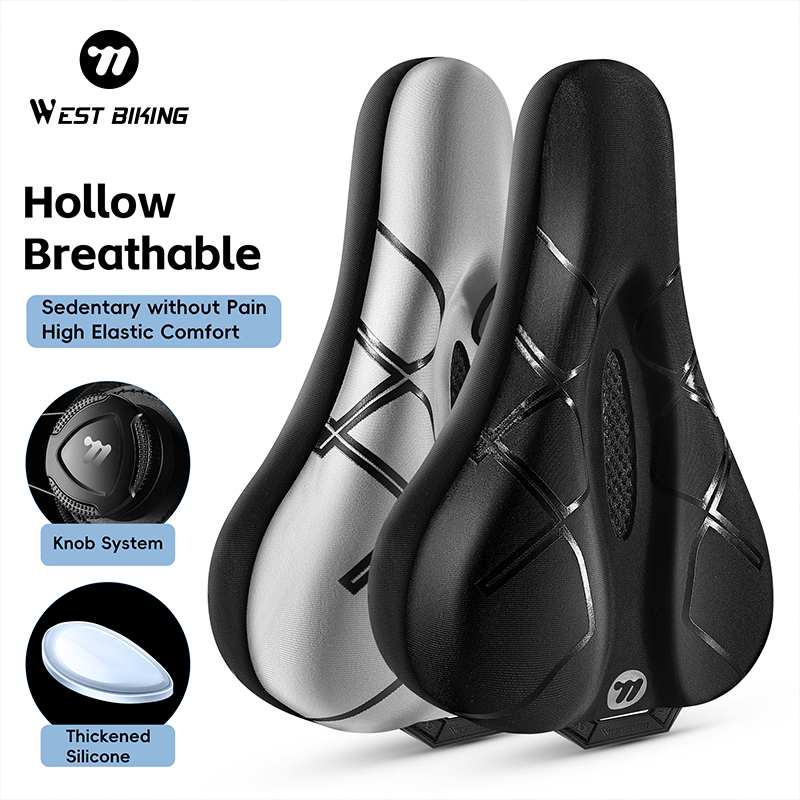
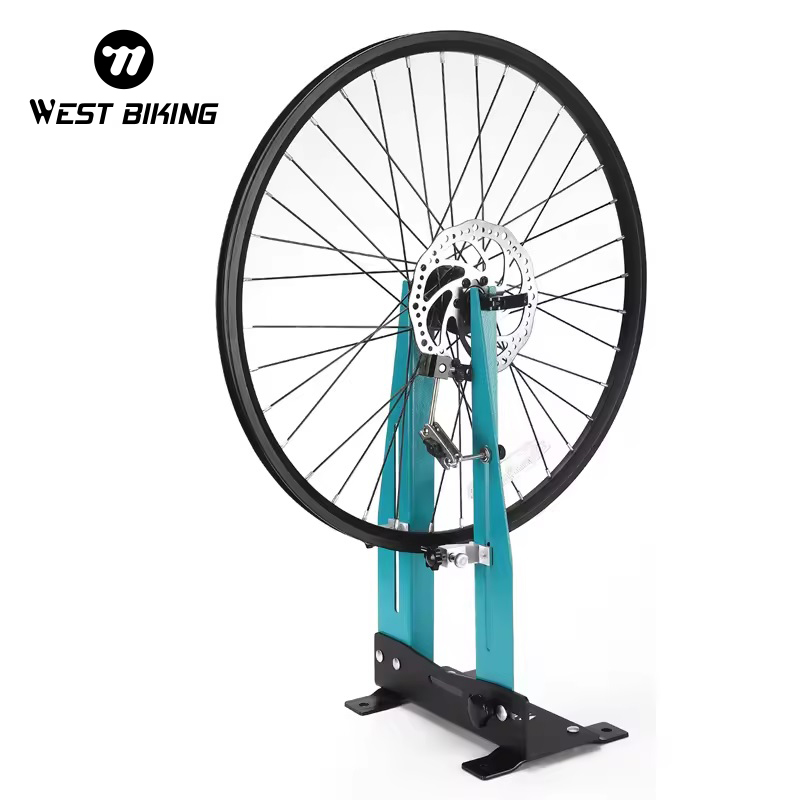

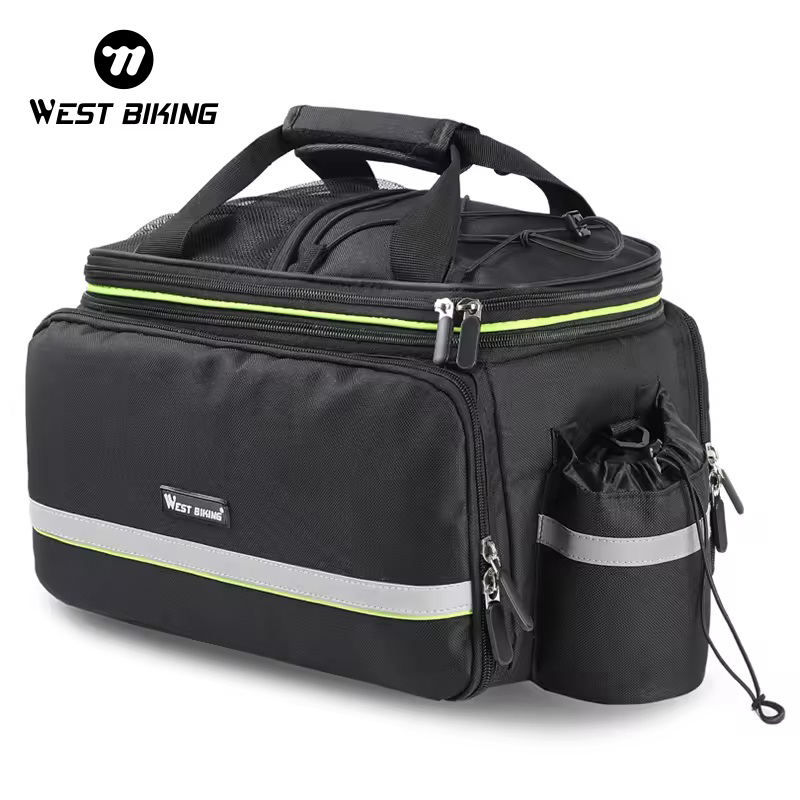
Technical Engineering Architecture
Anatomy of Modern Cycling Computers & Speedometers
Institutional procurement demands deep verification of processing chipsets, satellite positioning sensitivity, ingress sealing, and wireless protocol integrity.
GNSS Multi-System Engines
Contemporary cycling computers produced in China deploy hybridized positioning chipsets integrating GPS (US), BeiDou (BDS-3), GLONASS, and Galileo. High-end units utilize dual-frequency L1+L5 multi-band tracking, reducing multipath interference beneath dense forest canopies and concrete urban canyons from 15m to under 1.2m circular error probable (CEP).
Dual Protocol ANT+ & BLE 5.3
Speedometer architectures incorporate low-power system-on-chips (SoC) capable of concurrent dual-channel broadcasting. The master device seamlessly aggregates cadence, crank-based power meters, heart-rate straps, and radar safety tail lights over ANT+, while mirroring live telemetry to third-party iOS/Android applications via ultra-stable Bluetooth Low Energy channels.
IPX7 Ingress Protection & FSTN Optics
Hardware durability requires ultrasonically welded polycarbonate enclosures combined with nitrogen-filled cavity sealing to eliminate internal lens fogging. Advanced models utilize transflective FSTN or anti-glare color LCD panels with anti-fingerprint (AF) oleophobic coatings, securing readable 160-degree viewing angles under direct midday solar irradiation.
B2B Engineering Spec Matrix: Entry Wireless vs. High-Precision GNSS
| Telemetry Attribute | Analog/Digital Wireless (Entry) | Standard GNSS Speedometer (Mid) | Smart IoT Navigation Computer (Flagship) |
|---|---|---|---|
| Sensor Mechanism | Fork-Mounted Reed Magnet / Hall Effect | Multi-Constellation Satellite Fix | Dual-Band L1+L5 GNSS + 6-Axis Inertial Gyro |
| Data Storage / Transfer | Internal Eprom (Odo/Trip memory) | USB Mass Storage (Standard .FIT/.GPX) | Auto Cloud-Sync via Wi-Fi & Bluetooth BLE |
| Display Technology | Segmented TN Mono LCD (1.8" - 2.2") | High-Contrast FSTN Dot-Matrix Display | Full-Color Transflective Touchscreen (2.8" - 3.5") |
| Battery Lifecycle | CR2032 Coin Cell (6 - 12 Months) | 600 - 1000 mAh Li-Po (25 - 40 Hours) | 1500 - 2500 mAh Li-Po with USB-C Fast Charge |
| Target Application | Commuter, Fleet Bike-Sharing, Mass Retail | Enthusiast Road, Cross-Country MTB | Pro Pelotons, Audax Long-Distance Touring, Gravel |
Global Sourcing Trajectory
Future Sourcing & Procurement Trends in Cycling Electronics
Institutional procurement teams must prepare for structural market transformations occurring across 2025–2030.
1. E-Bike Protocol & CAN-Bus Convergence
As electric-assist bicycles dominate European and North American retail, cycling speedometers are discarding standalone power configurations. Future purchase contracts increasingly stipulate CAN-bus, UART, and LIN compatibility to draw battery power directly from the e-bike central power pack, simultaneous with motor assist, torque sensor feedback, and remaining watt-hour diagnostic visualization.
2. Solar-Harvesting & Ultra-Low Standby Silicon
Energy autonomy is the chief benchmark for transcontinental adventure and bike-packing categories. Next-generation speedometers combine gallium-arsenide micro solar rims integrated into the perimeter bezel with RISC-V ultra-low-leakage microcontrollers, achieving virtually indefinite operational autonomy under daytime daylight ambient luminance.
3. Active Safety Integration: Millimeter-Wave Radar
The cycling computer has transformed into the primary rider safety command console. Procurement tenders now explicitly mandate speedometer firmware integration with rearward 77GHz millimeter-wave proximity radar units, flashing audible and visual target-tracking warnings when motor vehicles approach from behind up to 140 meters away.
Chronological Paradigm Shift
Evolutionary Waves in Bike Speedometer Manufacturing
From magnetic pulse coils to artificial-intelligence driven telemetry modules.
Gen 1: Analog Pulse (1990s-2005)
Relied upon spoked neodymium magnets triggering physical dry-reed switches. Susceptible to electromagnetic interference, mechanical misalignment, and water intrusion through poor cable gaskets.
Gen 2: 2.4GHz Digital Coding (2006-2015)
Introduced encrypted point-to-point wireless transmission, eliminating crosstalk among group riders. Integrated basic heart rate chest straps and cadence telemetry.
Gen 3: GNSS + ANT+ Telemetry (2016-Present)
Eliminated wheel sensors by leveraging satellite ephemeris calculations. Full integration with Strava, TrainingPeaks, and dynamic turn-by-turn vector mapping.
Gen 4: AI Telemetry & Connected V2X (Emerging)
Machine-learning models predict fatigue curves, suggest cadence realignments, monitor cellular LTE-M fall-detection alerts, and interface directly with smart traffic signals.
Factory Audit & Trust Credentials
PAVI Technology: Your Trusted Manufacturing & Supply Chain Partner
Combining the agile production capabilities of Zhejiang’s light-industrial cluster with audited Western quality governance standards.

TÜV Rheinland Assessed & Alibaba Onsite Verified
Our operational facilities in Jinhua, Zhejiang undergo continuous scrutiny, establishing proven credibility across corporate solvency, legal integrity, and strict manufacturing oversight.
Low MOQ Flexibility & Mixed Container Consolidation
We eliminate inventory strain for distributors. Trial consignments start as low as 1 to 5 units per SKU, permitting comprehensive catalog restocks in a single consolidated ocean container or air-freight parcel.
End-to-End OEM/ODM Customization
From silk-screened housing logos and custom laser engraving to localized packaging artwork, user manual translation, and firmware splash screen programming, our engineering team manages your complete brand rollout.
Multi-National Export Documentation & DDP Terms
Seamless international logistics execution supporting FOB, CIF, EXW, CIP, DDU, and door-to-door DDP (Delivered Duty Paid) shipments across North America, the EU, Southeast Asia, and Eastern Europe.
Zero-Defect Protocol
Rigorous 4-Stage Quality Assurance Procedure
Every speedometer, electronics enclosure, and mechanical component complies with military-grade testing prior to sealing.
Phase 1: Component Screening
SMT pick-and-place precision verification, lithium polymer battery pouch cycle grading, and raw optical resin spectroscopic purity tests.
Phase 2: Ultrasonic Sealing
Precision hermetic casing sealing followed by positive/negative pneumatic pressure differential checks to guarantee full IPX7 waterproof rating.
Phase 3: Thermal & Vibration Stress
Continuous 48-hour thermal environmental cycling (-20°C to +60°C) and multi-axis harmonic vibration simulating brutal downhill cobblestone terrain.
Phase 4: Packaging & Drop Test
Drop testing to ISTA-1A standards, retail packaging aesthetic validation, accurate EAN/UPC barcoding, and UN38.3 battery transport paperwork clearance.
Procurement Knowledge Base
Frequently Asked Questions by Institutional Buyers
Direct technical and operational answers to accelerate your vendor qualification process.
What is the minimum order quantity (MOQ) for custom-branded bicycle speedometers?
For standard catalog products in stock, our MOQ is exceptionally low—typically between 1 and 5 units—enabling importers to conduct rapid physical evaluation and local market testing. For OEM private-label branding, laser-etched logos or custom pad-printing generally start at 100 to 300 units. Full ODM developments featuring bespoke chassis tooling, dedicated PCB layout, and tailored GUI firmware typically require a baseline production run of 1,000 to 2,000 units.
How do you resolve satellite signal acquisition latency (Cold Start TTFF) in urban environments?
Our GPS speedometers incorporate AGPS (Assisted Global Positioning System) technology. When paired with our companion mobile application, the device downloads current satellite orbital ephemeris data over cellular networks. This minimizes Time-To-First-Fix (TTFF) from 90 seconds down to under 8 seconds. Furthermore, multi-constellation support allows concurrent locking across GPS, GLONASS, Galileo, and BeiDou satellites, maintaining consistent connection even in mountainous valleys or dense high-rise avenues.
Which international safety and compliance certifications accompany your exported electronics?
All electronic accessories manufactured and exported through our facilities are fully certified for worldwide retail compliance. This includes CE (EMC/LVD), FCC Part 15B, and RoHS 2.0 hazardous substance directives. For air and sea freight logistics, all rechargeable lithium polymer batteries undergo UN38.3 vibration, shock, altitude simulation, and thermal testing, backed by active MSDS (Material Safety Data Sheets) and compliant drop-test shipping documentation.
Can your export team manage multi-category SKU consolidation within one purchase order?
Consolidated multi-category procurement represents our core competitive advantage. Instead of managing dozens of individual manufacturers across China, buyers can consolidate smart bicycle speedometers, high-output front lights, intelligent brake-sensing tail lights, heavy-duty folding locks, pedals, saddles, and cycling apparel into a unified bill of lading. This operational structure lowers total freight costs, slashes customs brokerage charges, and drastically streamlines warehouse intake.
What payment terms and delivery arrangements are available for international orders?
We support a versatile spectrum of transaction methods including T/T (Telegraphic Transfer), Irrevocable L/C at sight, PayPal for sample prototyping, Credit Card, Western Union, and secure Alibaba Escrow. We accommodate multiple global reserve currencies such as USD, EUR, JPY, CAD, HKD, and CNY. Shipping modalities range from express courier (DHL, FedEx, UPS) for sample consignments to comprehensive FOB, CIF, EXW, and door-to-door DDP arrangements with customs duties and local tariffs handled prior to arrival.
Kickstart Your Bicycle Speedometer Procurement Program
Consult with our dedicated B2B sales engineers today for comprehensive technical datasheets, wholesale FOB/DDP rate matrices, and sample dispatch protocols.
Inquire Now