Engineered Cycling Gear & Specialized Accessories
Direct from verified production lines: high-turnover SKUs optimized for international retail distribution, low-MOQ test orders, and turn-key private label programs.
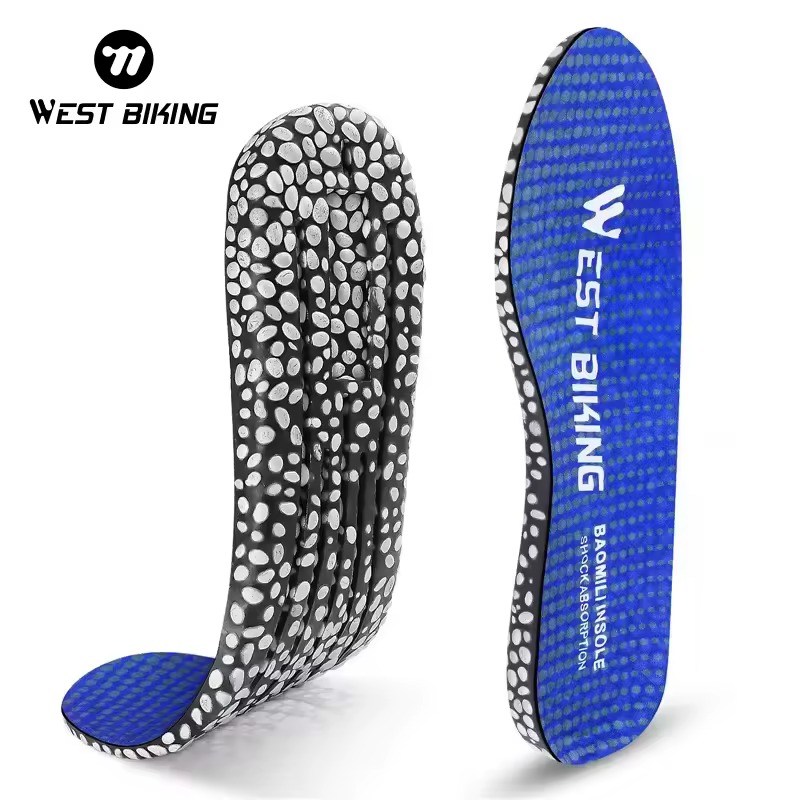
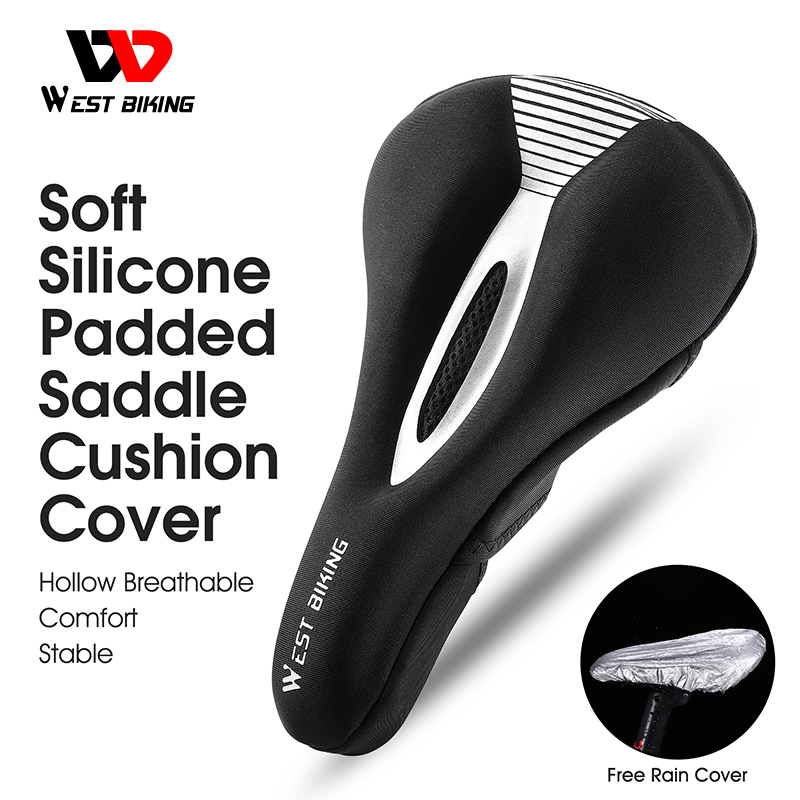
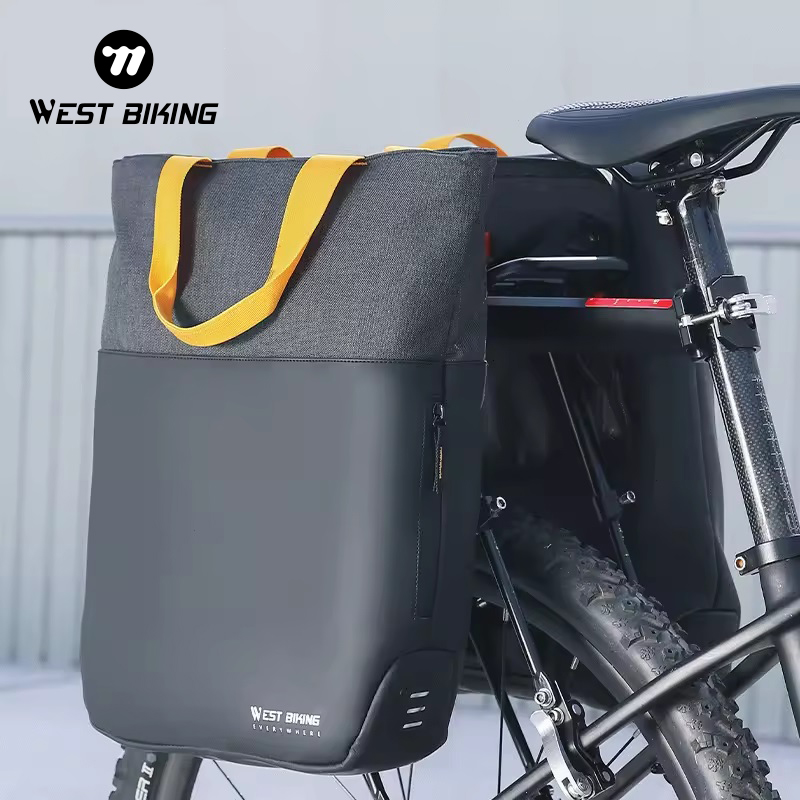
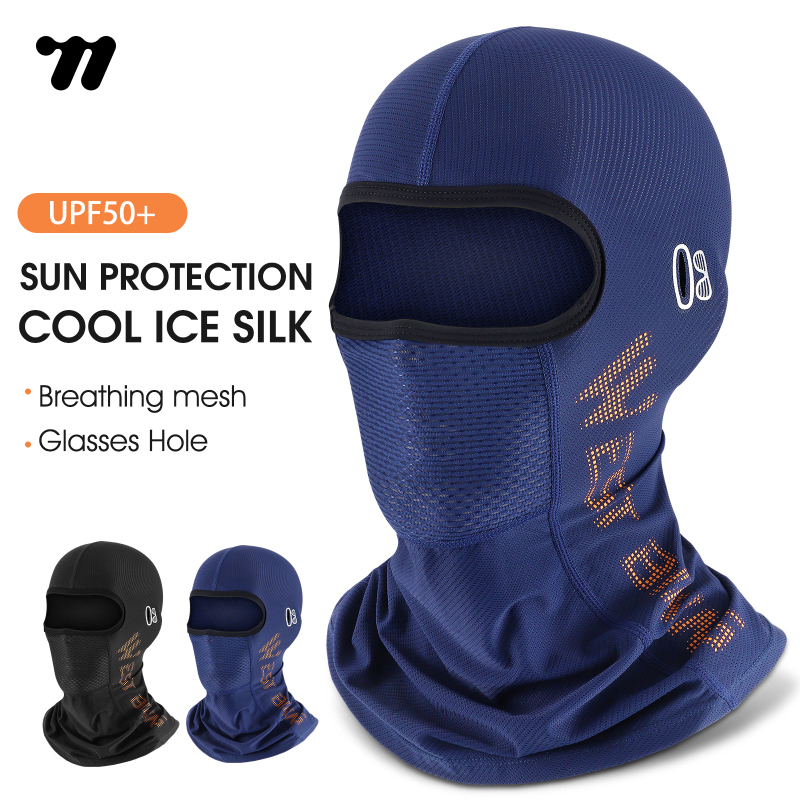
The Engineering Paradigm of OEM/ODM Bike Bag Manufacturing
The manufacturing landscape for performance bicycle bags, technical panniers, and bikepacking gear has shifted irrevocably from conventional cut-and-sewn textile fabrication to high-precision polymer thermo-welding and high-frequency (RF) sealing technologies. For global procurement specialists, outdoor brand directors, and mass-market sporting retailers, understanding the mechanical thresholds and substrate chemistry of bicycle luggage is crucial to mitigating field warranty claims, warranty loss ratios, and reputational decay.
In outdoor environments, cycling bags are subjected to multi-axial mechanical stress, sustained vibrational fatigue from gravel and cobblestone harmonics, extreme ultraviolet photodegradation, and severe hydrostatic pressure spikes caused by high-velocity roadway spray. To meet international ingress standards like IPX6 (high-pressure water jet resistance) and IPX7/IPX8 (continuous immersion capability), conventional needle stitching is rendered obsolete due to micro-perforations along the seam line. Modern high-tier OEM production lines employ Ultrasonic Welding and High-Frequency Radio Frequency (RF) Molecular Bonding, wherein electrical energy excites the polar molecules of Thermoplastic Polyurethane (TPU) coatings, fusing adjacent pattern layers at the atomic level into a seamless, hermetically sealed composite.
Material Substrates: Mechanical Properties & Lamination Analysis
Specifying the appropriate substrate determines not only the finished unit's tensile rigidity and tear resistance but also the overall weight profile and carbon footprint. The table below delineates the industry benchmarks across the four primary textile configurations engineered in our manufacturing facilities:
| Substrate Material | Tensile Strength (Warp/Weft) | Hydrostatic Head (mm H₂O) | Bonding Technology | Target B2B Application |
|---|---|---|---|---|
| 840D TPU-Laminated Double-Sided Nylon | > 2200 N / 1950 N | ≥ 15,000 mm | RF High-Frequency Molecular Fusion | Heavy-Duty Expedition Panniers, 11L+ Saddle Bags |
| 600D Polyurethane-Coated Oxford Fabric | > 1400 N / 1250 N | 3,000 mm – 5,000 mm | Stitched + Hot-Air Polyurethane Tape | Urban Commuter Front Roll Bags, Daily Trunk Cases |
| 420D Ripstop Diamond Grid Nylon + TPU | > 1800 N / 1600 N | ≥ 10,000 mm | Ultrasonic Continuous Heat Sealing | Ultralight Gravel Top-Tube Bags, Aerodynamic Packs |
| Post-Consumer Recycled rPET Composite | > 1300 N / 1100 N | ≥ 8,000 mm | Bio-Based TPU Hot-Melt Lamination | ESG-Compliant Brand Private-Label Collections |
In addition to primary shell fabrics, internal structural rigidity is achieved through engineered inner skeletons. Modern bikepacking saddle bags—such as our flagship 11L Capacity Mountain Bike Saddle Pannier—incorporate precision-stamped Polyethylene (PE) reinforcing stiffeners, EVA high-density foam thermomolding, and aluminum support brackets. This multi-layered composite matrix eliminates the lateral sway ("tail-wag") common in sub-standard roll-top bags under aggressive out-of-the-saddle climbing cadence.
Product Procurement Trends: Sourcing Directives for 2025–2030
Procurement leaders across North America, the European Union, and Asia-Pacific are navigating a rapidly transforming bicycle accessory supply chain. The post-pandemic inventory glut has given way to lean, data-driven just-in-time stocking models. B2B buyers no longer seek monolithic 10,000-piece production runs on a single SKU; instead, competitive advantage is won through agile supply networks capable of executing low-MOQ mixed SKU consolidation, swift localized branding, and seamless multi-channel distribution.
Agile MOQ & Inventory Hedging
Importers are increasingly utilizing our tiered MOQ framework (ready-to-ship catalog stock from 1 to 5 units, with customized private-label runs starting as low as 200–500 units). This hybrid inventory model minimizes working capital exposure, allowing brands to test consumer appetite on novel frame geometries and colorways before committing to full 40-foot HQ container allocations.
Full-Spectrum Consolidations
Rather than coordinating with disparate factories for bags, ergonomic saddles, high-lumen lighting, and CNC pedals, smart distributors are leveraging unified supply ecosystems. Yiwu PAVI Technology's platform consolidates over 690 audited cycling SKUs into single containerized purchase orders, significantly reducing import brokerage, port clearance, and inland drayage overheads.
Traceable ESG & Chemical Compliance
With the enforcement of the EU Corporate Sustainability Due Diligence Directive (CSDDD) and tightened California Prop 65 standards, OEM buyers must ensure complete traceability. Our manufacturing processes eliminate harmful PFAS/PFC surface finishes in favor of bio-based C0 durable water repellent (DWR) treatments, accompanied by full chemical compliance documentation for customs clearance.
Furthermore, currency and incoterm flexibility represents a critical axis of procurement optimization. As global currency volatility persists, our transaction infrastructure supports multivarious settlement options (USD, EUR, JPY, CAD, HKD, CNY, CHF) across structured delivery terms ranging from EXW and FOB to complete door-to-door Delivered Duty Paid (DDP) logistics, wherein our export desk absorbs customs handling, customs bonds, import tariffs, and harbor maintenance fees.
Technological & Design Evolution in Bicycle Luggage
The convergence of gravel cycling, ultra-distance unsupported racing, and the explosive proliferation of urban utility e-bikes has created distinct technical demands that legacy bicycle bag designs fail to satisfy. Forward-looking OEM/ODM contracts must incorporate the following evolutionary features into their product requirements:
E-Bike Integration & Thermal Baffling
Dedicated e-bike cargo panniers and trunk bags now require insulated internal battery sleeves. These protective pockets utilize fire-retardant EVA foam and thermal barrier liners to isolate spare lithium-ion batteries from physical impacts and temperature spikes during long-range transport.
Aero-Optimized Topography
Wind-tunnel modeling is transitioning from elite racing frames directly into luggage geometry. Contemporary top-tube and handlebar bags feature truncated aerodynamic teardrop cross-sections, lowering drag coefficients (CdA) while maintaining internal volumetric efficiency for nutrition, powerbanks, and tooling.
Magnetic Fidlock & Mechanical Quick-Release
Velcro strap degradation is rapidly being replaced by mechanical quick-release rail brackets (compatible with Klickfix and Ortlieb standards) and magnetic mechanical latches (Fidlock systems). These mechanisms allow one-handed engagement even when wearing thick winter cycling gloves.
Active Photometric Visibility
Passive 3M retro-reflective printing is being augmented by active illumination channels. Newer OEM saddle bag variants integrate fiber-optic light piping, high-transmittance TPU light channels, or dedicated mounts designed specifically for radar-sensing smart brake lights.
PAVI Technology / WEST BIKING: Verified Manufacturing Advantage
Founded in 2015 in Jinhua, Zhejiang—the nexus of China’s high-precision hardware and advanced textile supply clusters—Yiwu PAVI Technology Co., Ltd. has grown into an internationally verified manufacturing and trading enterprise. Backed by rigorous third-party auditing from TÜV Rheinland and Alibaba.com onsite physical assessments, we offer a level of accountability, intellectual property security, and quality assurance that fragmented boutique producers cannot match.
Certified In-House Metrology & Lab Testing
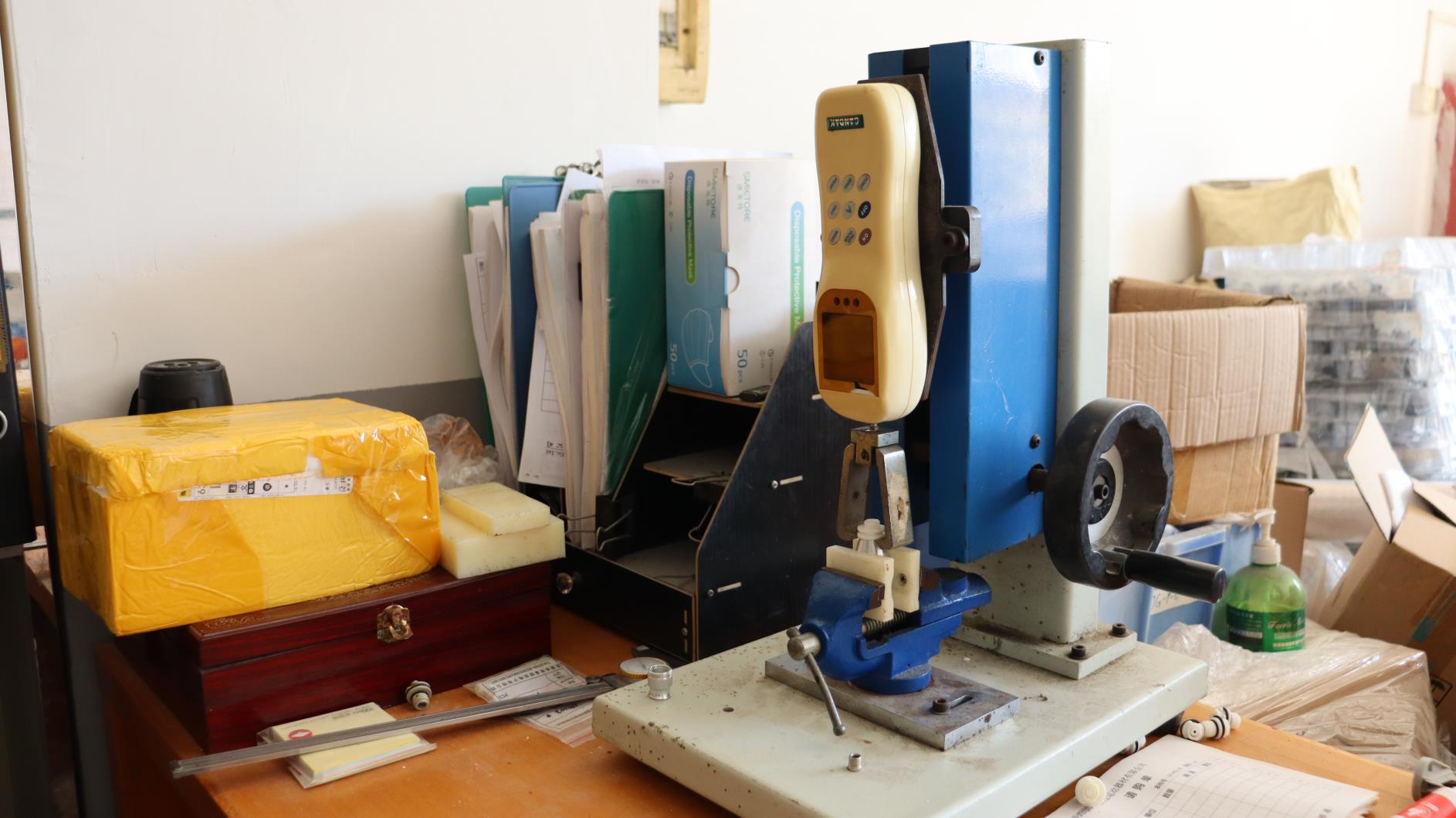
Every production batch undergoes destructive and non-destructive laboratory verification. Our quality control center is equipped with universal tensile strength test benches for webbing and stress seams, hydrostatic pressure heads capable of testing up to 20,000 mm H₂O, Martindale abrasion testers, and salt-spray environmental chambers for anti-corrosion hardware verification.
Custom Tooling, Laser & Die Engineering
Our dedicated technical engineering department supports comprehensive OEM/ODM pathways. From 3D CAD modeling, custom injection tooling for nylon brackets, and silicone puller casting to precision laser engraving and high-speed CNC textile cutting tables, we condense typical new-product development cycles from 6 months down to 45 business days.
Pre-Shipment AQL 1.5/4.0 Standards
Shipments comply with strict ISO-aligned Acceptance Quality Limit (AQL) 1.5 for critical defects and 4.0 for minor cosmetic tolerances. We welcome third-party pre-shipment inspection teams (SGS, Bureau Veritas, Intertek) and provide buyers with comprehensive high-definition video inspection logs prior to container seal application.
Production Line & Testing Facility Architecture
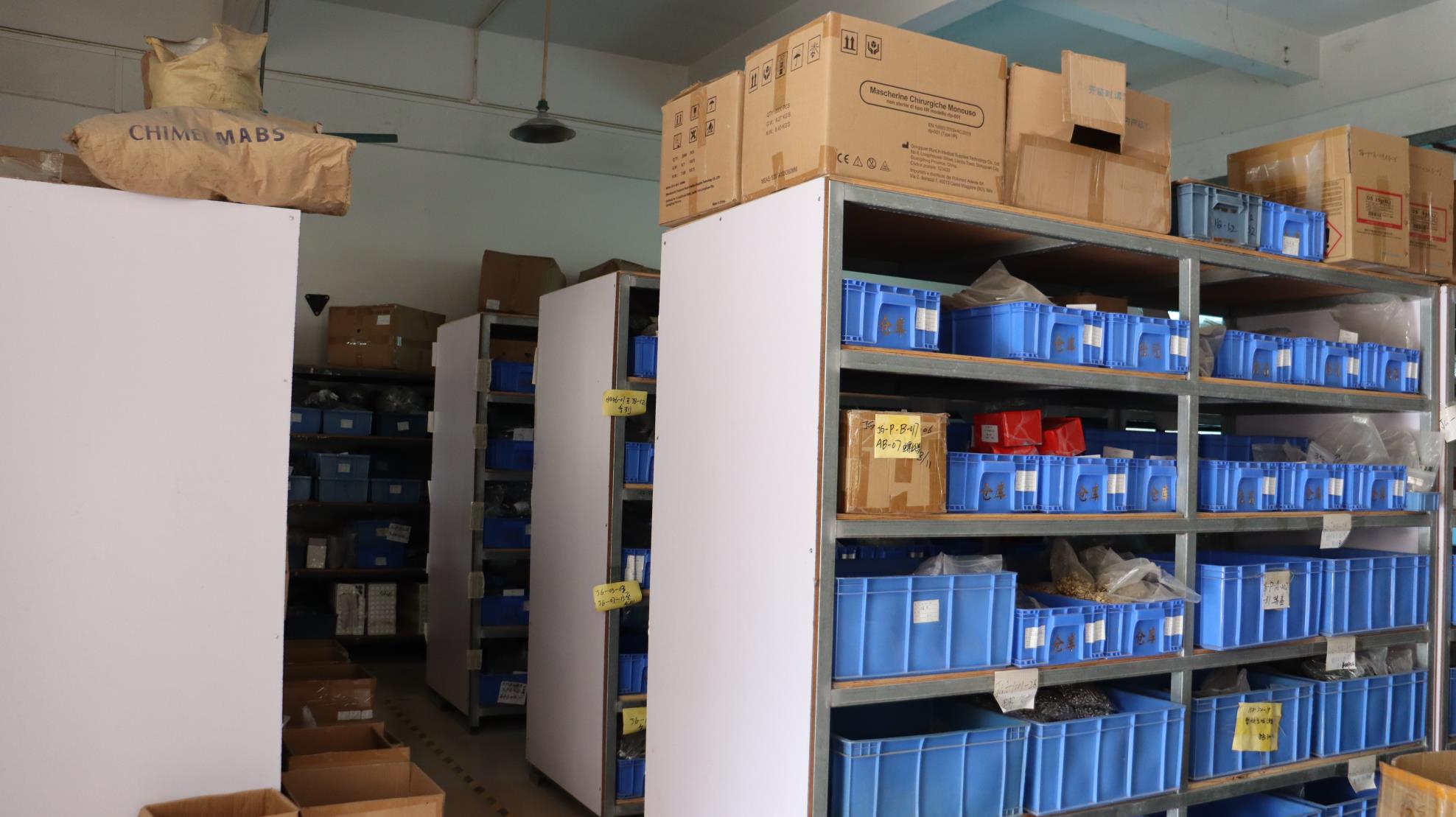
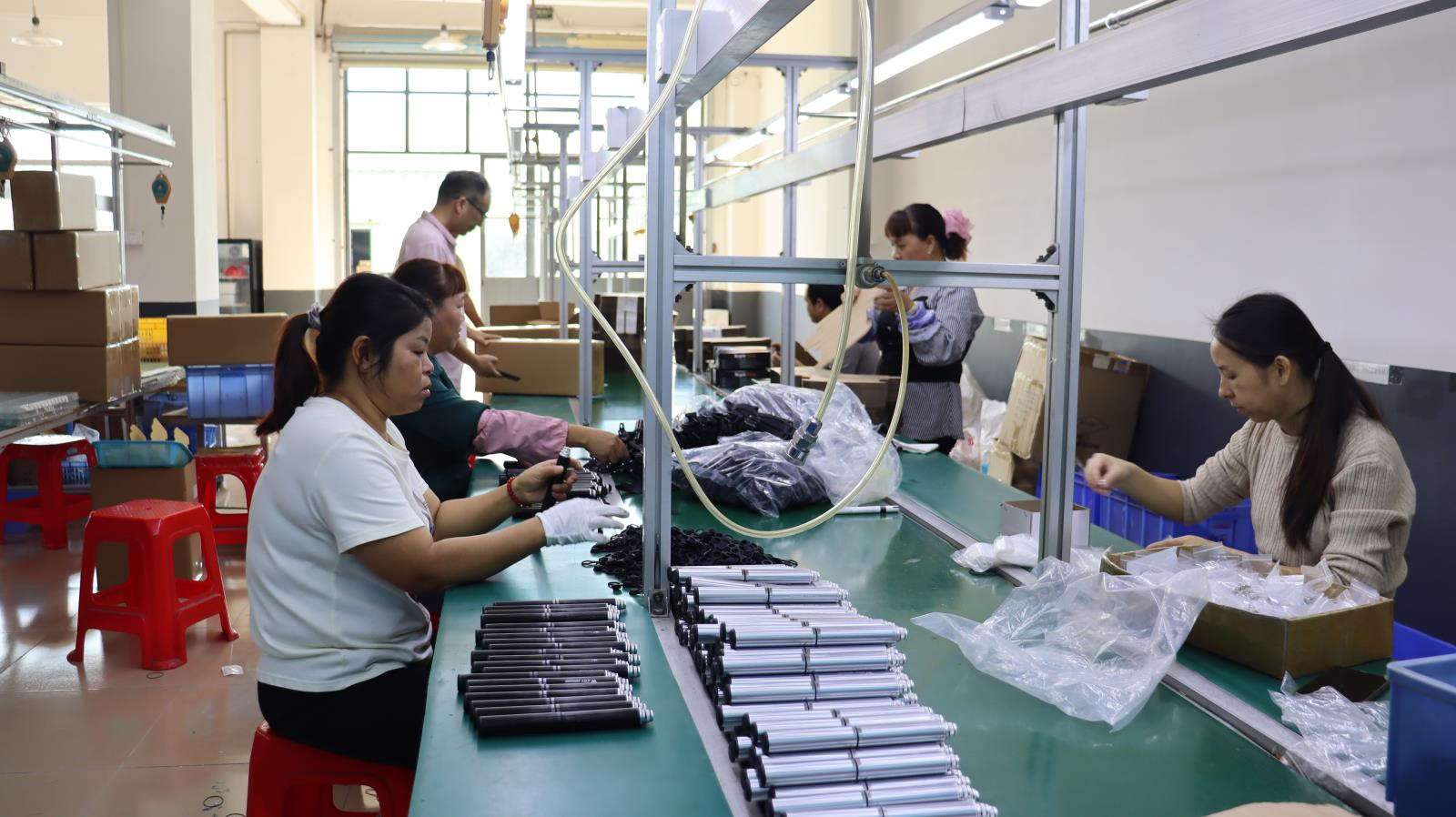
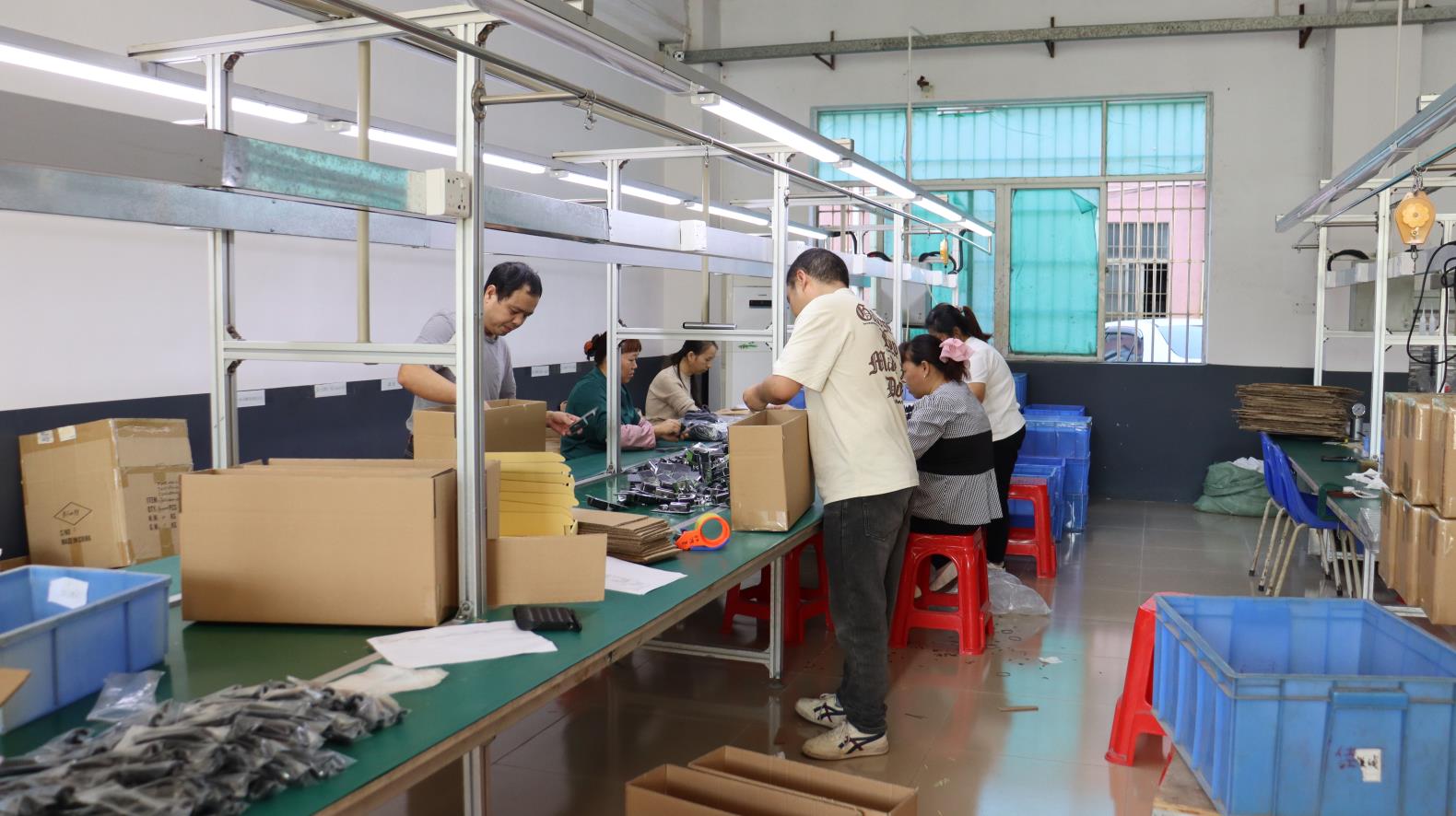
Our factory floor integrates automated precision hardware: multi-head industrial sewing stations, automated RF vulcanizing presses, manual and hydraulic stamping machines, and dust-free packaging bays designed for high-throughput global delivery:
Frequently Asked Questions: B2B Bike Bag Sourcing & Manufacturing
Critical technical, contractual, and logistics inquiries addressed by our senior export engineering team to streamline supplier onboarding and purchase contract negotiations:
What are the precise MOQ tiers for custom OEM branding vs. ready-to-ship catalog models?
What waterproofing methodologies are applied, and how do you guarantee IPX6 / IPX8 compliance?
How does Yiwu PAVI Technology handle multi-category consolidation for B2B importers?
What quality assurance checkpoints are conducted before bill of lading release?
What Incoterms and international banking arrangements are accepted?
Can you support regional distributor brand exclusivity and marketplace protection?
From Spec-Sheet to Container Loading: The OEM/ODM Production Cycle
Executing an OEM/ODM manufacturing contract requires systematic alignment between brand product managers and our engineering floor. Below is our standardized 8-step project delivery framework:
RFP & Spec Alignment
Initial submission of technical tech-packs, CAD vector artwork, dimensional specifications, and desired ingress (IPX) targets.
DFM Engineering Review
Design for Manufacturability review identifying RF tooling seam lines, fabric yield optimization, and stress point reinforcement.
Rapid Prototyping
Fabrication of physical golden samples within 7–10 working days, shipped via priority express for field testing and ergonomic sign-off.
Tooling & Mold Prep
Precision CNC cutting of welding copper dies, ultrasonic horn calibration, and injection mold preparation for proprietary hardware.
Batch Production
Automated cutting, high-frequency vulcanization, hardware riveting, and assembly line production under continuous IPQC inspection.
Laboratory Verification
Sample pull-testing from active batches, water-column hydrostatic resistance checks, and cycle-testing of zippers and buckles.
Retail Packaging
Placement into retail gift boxes, hang-tag insertion, silica gel desiccant packing, and export master carton palletization.
Export Customs & DDP
Export clearance processing, bill of lading (B/L) issuance, customs clearance paperwork, and seamless door-to-door delivery.