Optical Front
Matches on this page are highlighted. No match? You will be taken to the full product catalog.
Engineered for high-volume brand distribution, boutique retail repackaging, and multi-category consolidated procurement with rapid factory tooling verification.
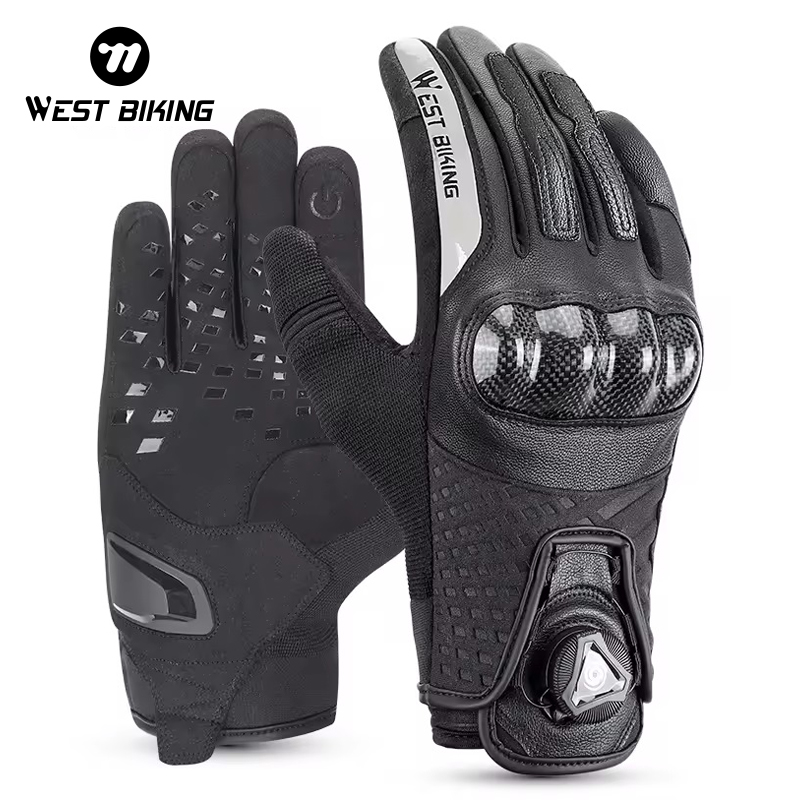
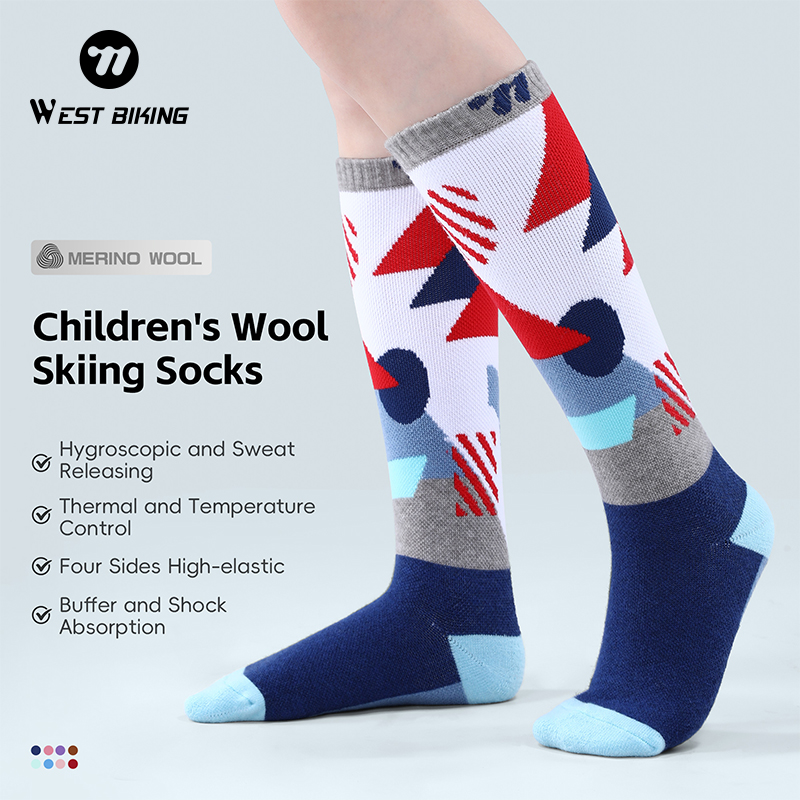
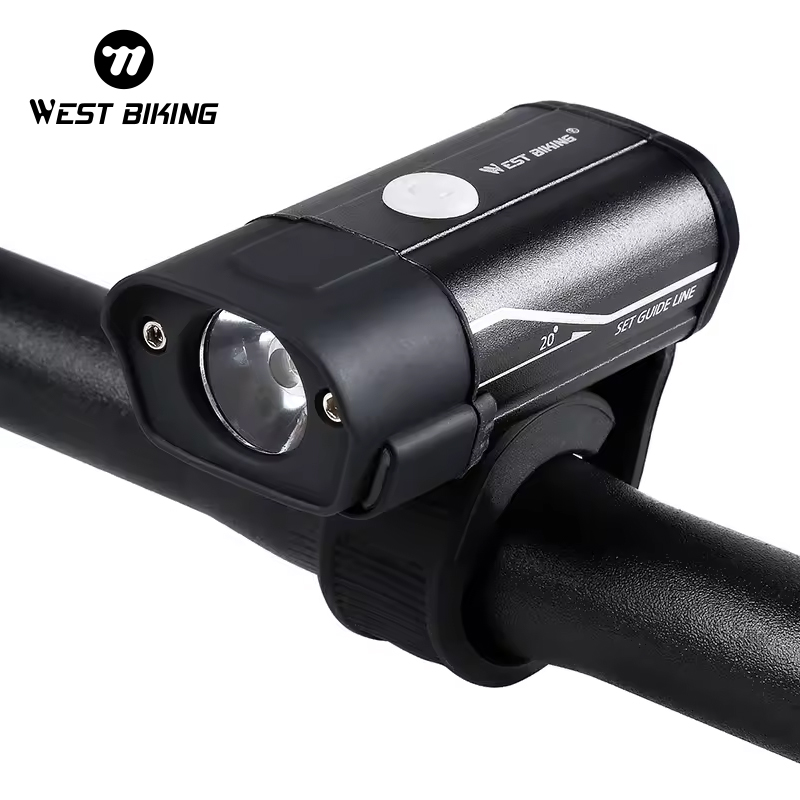
A rigorous examination of optical beam distribution, luminous efficacy, thermal heat dissipation, and electro-chemical safety standards for global commercial distributors.
In the competitive global landscape of micro-mobility and cycling accessories, the distinction between high-performance illumination devices and generic flashing lamps lies in photometric spatial distribution, die-level thermal equilibrium, and anti-glare optical collimation. Sourcing directors, distributors, and private-label OEMs can no longer rely purely on gross integrating sphere lumen figures. Instead, contemporary procurement requires comprehensive compliance with both consumer expectation and rigorous legislative frameworks, including Germany’s Straßenverkehrs-Zulassungs-Ordnung (StVZO TA 23), ANSI/NEMA FL-1 performance metrics, and ISO 6742-1 micro-mobility illumination criteria.
A critical engineering parameter in front headlight manufacturing is the transition from symmetrical circular reflector cones to asymmetrical Total Internal Reflection (TIR) optical lens arrays and free-form complex surface reflectors. Symmetrical beams project substantial raw luminous flux (lumens) directly into the eyes of approaching drivers and pedestrians, creating dangerous optical blinding effects. In contrast, StVZO-compliant tooling incorporates a definitive horizontal cut-off line (Hell-Dunkel-Grenze), projecting high-lux illumination onto the asphalt between 5 to 25 meters ahead of the bicycle while restricting light spill above the horizontal center axis to less than 2.0 Lux at a distance of 10 meters. As a premier original design and equipment manufacturer, our R&D engineering divisions employ gonio-photometric ray tracing in CAD simulation environments to balance wide peripheral field visualization with crisp forward penetration.
Thermal Dissipation & Junction Temperature Management: The operational lifespan and luminous stability of high-output surface mount diodes (such as Osram OSLON, Cree XP-L, or Luminus SST-40 emitters) are governed directly by junction temperature ($T_j$). Exceeding maximum rated thermal thresholds results in immediate phosphor degradation, chromatic shift toward blue wavelengths, and a sudden drop in output lumens. Our OEM industrial enclosures utilize CNC-machined aerospace-grade 6063 aluminum alloy or thermally conductive polycarbonates. These housings feature integrated structural convection fins and are coupled with double-sided aluminum Metal Core Printed Circuit Boards (MCPCB) utilizing high-grade thermal interface materials ($\ge 3.0 \text{ W/m}\cdot\text{K}$). This design maintains diode junction temperatures below 75°C even under continuous 1,200-lumen turbo operations.
| Evaluation Parameter | Generic Commodity Lights | Industrial OEM Standard (PAVI Tier 1) | Compliance Test Method |
|---|---|---|---|
| Optical Collimation | Circular Parabolic Reflector (High Glare) | Asymmetrical Cut-Off Free-Form TIR Lens | StVZO K-Mark / ISO 6742-1 Gonio-Analysis |
| Thermal Architecture | Standard FR4 Board / Plastic Shell | 2.0oz Copper MCPCB + CNC 6063 Aluminum | Infrared Thermal Imaging Under Steady Load |
| Ingress Protection | IPX4 (Splash Only, Silicone Gasket) | IPX6 – IPX7 (Ultrasonic Welded + O-Ring) | IEC 60529 High-Pressure Water Jet & Immersion |
| Cell Chemistry & BMS | Recycled Generic 18650 Cells | Tier-A EV-Grade 21700 / 18650 (LG/EVE/Samsung) | UN38.3, MSDS, IEC 62133 Cell Certification |
| Intelligent Telemetry | Simple On/Off/Blink IC | Tri-Axis G-Sensor Brake Sensing & Auto Ambient | MIL-STD-810G Vibration & Drop Impact Cycle |
A multi-year strategic roadmap anticipating regulatory shifts, smart sensor integration, E-Bike CAN-bus convergence, and eco-designed supply chains.
The next iteration of premium rear safety lighting transcends mere illumination by integrating 24GHz and 77GHz automotive-grade millimeter-wave radar modules. These units identify approaching motor vehicles from up to 140 meters away, dynamically accelerating taillight strobe frequencies to alert distracted drivers while concurrently feeding threat distance metrics to cycling computers via ANT+ and Bluetooth LE profiles.
With rapid global electrification, procurement is shifting heavily toward wide-voltage DC headlights (6V–60V) wired directly into central drive systems (Bosch, Shimano, Bafang). Advanced OEM units incorporate digital CAN-bus and LIN-bus transceivers, permitting automatic high/low beam switching through primary handlebar displays and electronic brake-lever light activation without auxiliary wiring.
Forthcoming EU battery regulations mandate modularity and serviceability. Forward-thinking procurement focuses on lights constructed with replaceable, screw-sealed 21700 cell chambers, recycled post-consumer ABS/polycarbonate alloys, and screw-fastened lenses rather than glued ultrasonic housings, allowing end consumers to replace batteries and minimizing electronic waste.
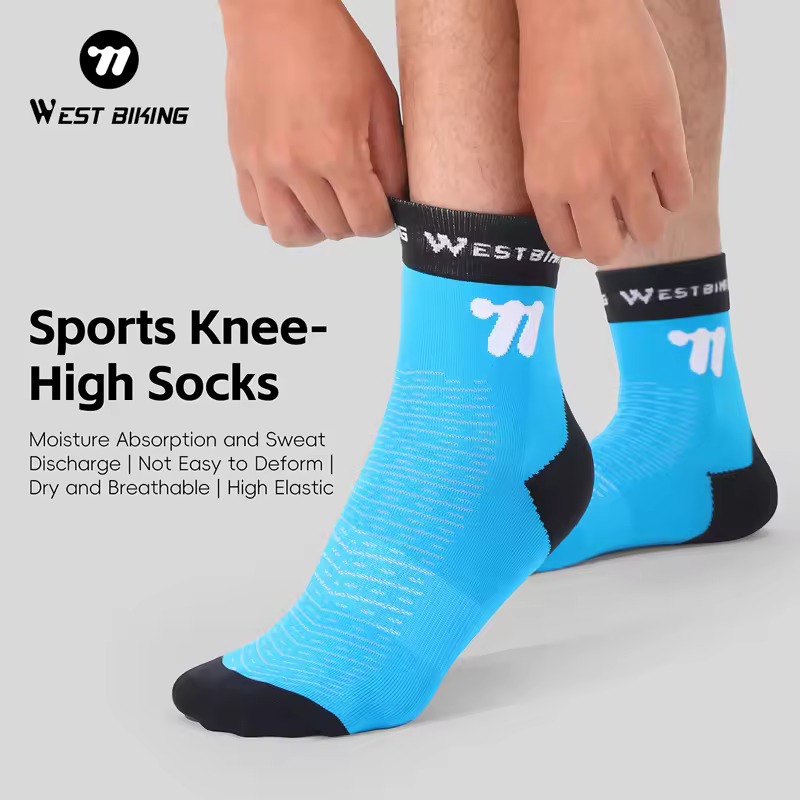
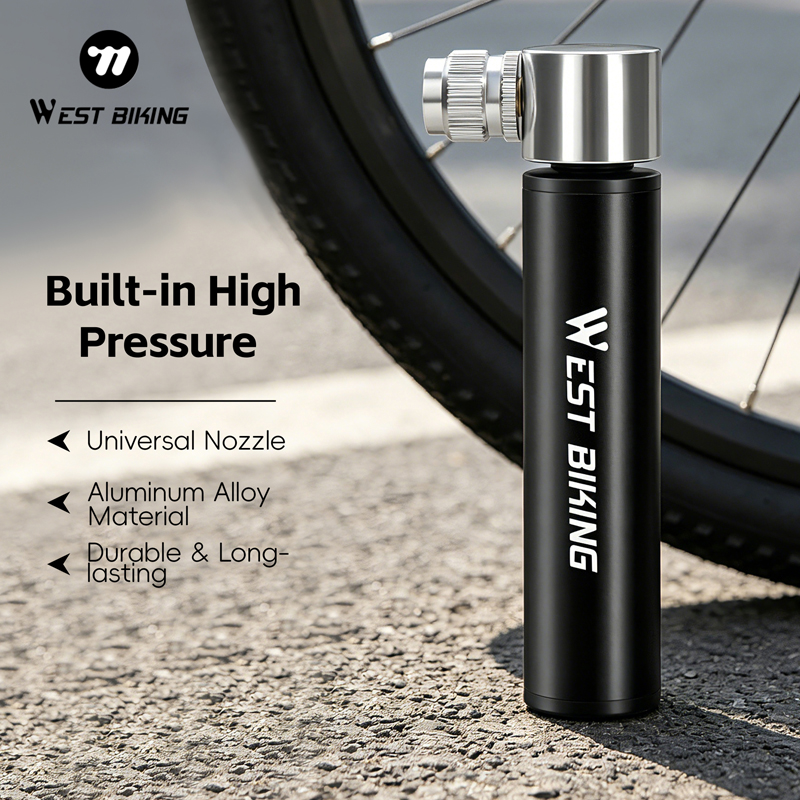
Predictive Procurement Vectors: Modern B2B cycling apparel and accessory buyers are de-risking their portfolios by consolidating SKUs across unified logistics partners. By ordering companion lines—such as high-lumen headlights alongside high-pressure portable micro-pumps, tactile goat-leather gloves, and thermal merino socks—importers achieve full container capacity (FCL), drastically compress landed unit freight charges, and benefit from unified brand presentation across physical retail displays and online marketplace catalogs.
Grounded in the robust light-industry ecosystem of Zhejiang since 2015, we provide verified production reliability, rigorous laboratory inspection, and frictionless low-MOQ brand customization.
Our operational premises, legal standing, assembly stations, and export documentation systems have been fully verified onsite by Alibaba.com and independently inspected by TÜV Rheinland.
We eliminate inventory risk for emerging brands and multi-store retailers by supporting mixed catalog orders, ready-to-ship stock batches, and small initial trials prior to high-volume tooling runs.
Complete procurement transparency: our storefront documents over 690 products on video, showing true finishing, beam patterns, and operational handling before sample dispatch.
From automated tensile test rigs and dimensional digital height gauges to multi-axis vibration tables and drop testers, every batch undergoes documented quality sign-off.
Turnkey OEM/ODM Capability Spectrum: Our full-scope manufacturing infrastructure accommodates every phase of the product lifecycle. Importers can select standard off-the-shelf catalog models for rapid laser-engraved branding and tailored cardboard packaging, or collaborate directly with our engineering personnel on clean-sheet ODM developments—including custom optical tooling, dedicated injection mold cutting, custom SMT circuit architecture, and specialized firmware programming for unique light pulse sequences.
Direct, actionable answers addressing compliance certification, custom tooling costs, sample validation, and international shipping terms.
For laser marking and silk-screen custom branding on our existing die-cast aluminum and polymer housings, MOQs start as low as 50 to 100 units. For full ODM projects requiring proprietary injection molds, dedicated TIR optical tooling, and bespoke PCB layouts, Non-Recurring Engineering (NRE) tooling programs typically start at 1,000 to 2,000 units, with partial or full tooling fee rebates upon meeting annual volume agreements.
Every rechargeable LED front and rear light is assembled exclusively with certified A-grade lithium-ion (18650/21700) or lithium-polymer cells incorporating dual-IC hardware protection circuits against overcharging, deep discharge, and short-circuit events. All battery assemblies carry full UN38.3 test summaries, 1.2m drop test documentation, and comprehensive Material Safety Data Sheets (MSDS) to guarantee compliant export clearances via ocean, air cargo, and courier channels.
Yes. Specific road-legal optical models in our catalog are designed specifically to meet the anti-glare horizontal cut-off requirements of German StVZO (TA 23) legislation. We supply third-party photometric reports indicating lux ratings at 10 meters and luminous field distributions, assisting distributors during regional importer registrations and market compliance filings.
We accommodate a wide array of global trade frameworks, offering standard FOB Ningbo/Shanghai, CIF, EXW, CIP, DDU, and turnkey DDP (Delivered Duty Paid) door-to-door delivery with customs cleared. Supported payment channels include Telegraphic Transfer (T/T), Letter of Credit (L/C), D/P, PayPal, Western Union, Credit Card, and Escrow across major trading currencies including USD, EUR, GBP, CAD, and JPY.
Waterproof verification involves a two-stage quality protocol. First, during enclosure mechanical engineering, high-elasticity silicone seals and precision ultrasonic sonic welds are applied. Second, production lots undergo random immersion tank testing (1-meter submersion for 30 minutes for IPX7 SKUs) alongside high-pressure oscillating water nozzle spray checks (IPX6) to guarantee no water intrusion into the driver PCB or battery compartment.
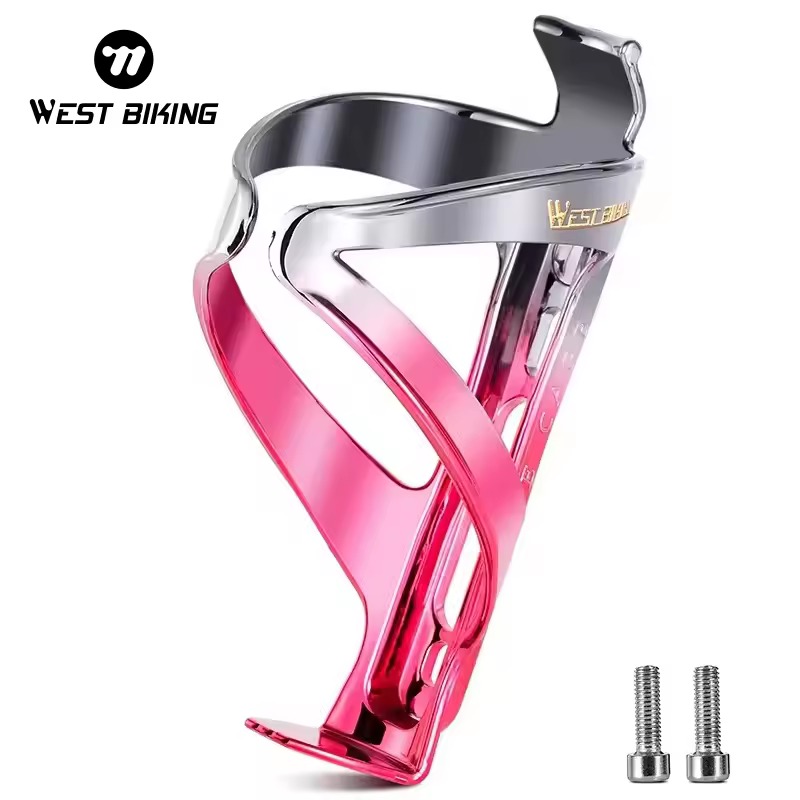
Absolutely. As an onsite-verified multi-specialty manufacturer and exporter, one of our greatest commercial advantages is supply chain consolidation. You can combine custom-branded bike lights, CNC pedals, water bottle cages, mini pumps, saddle bags, and high-performance cycling apparel into a single purchase order, single commercial invoice, and consolidated shipping container.