1. Technical Engineering of Custom OEM Cycling Sunglasses
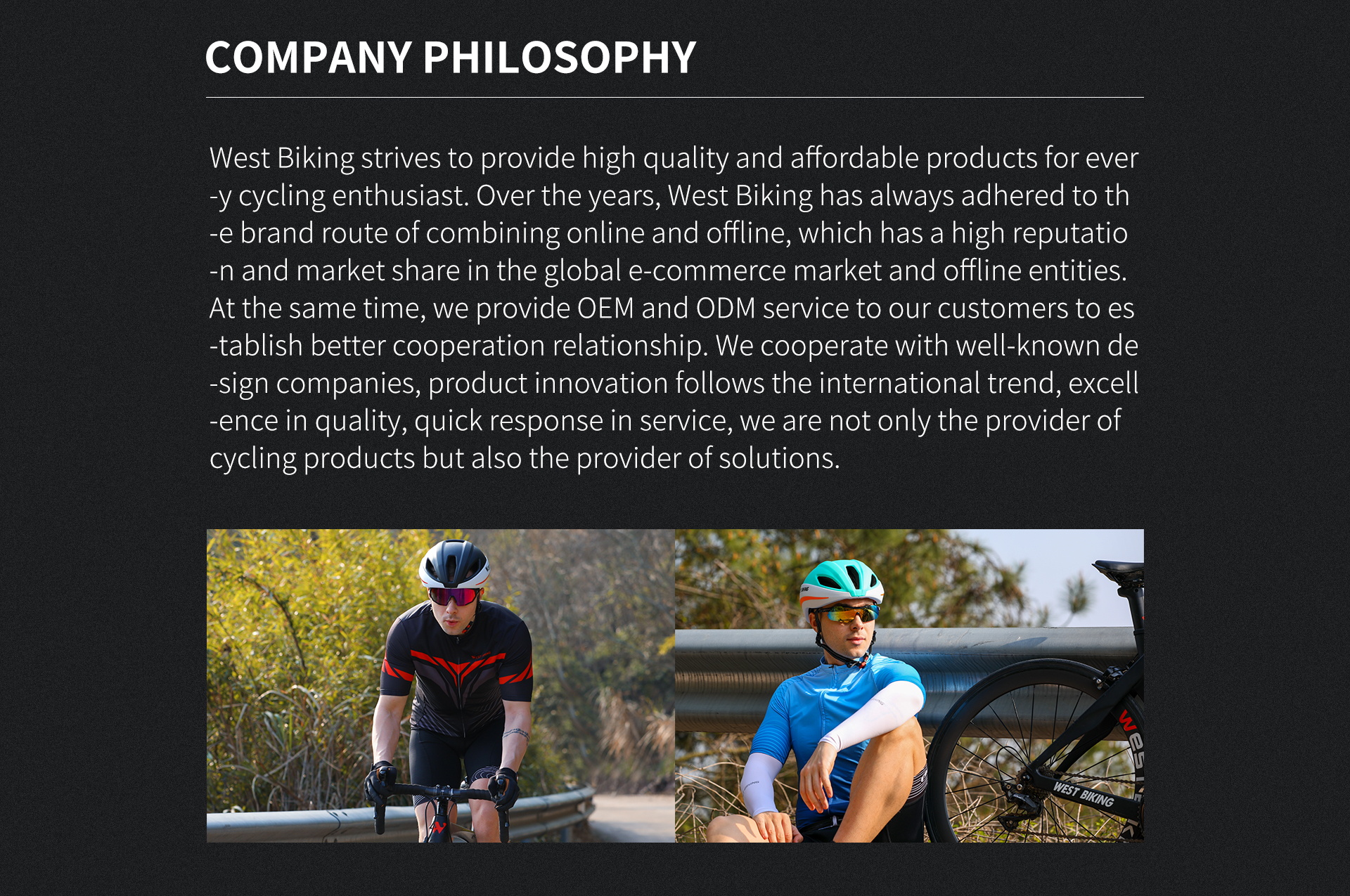
In modern performance cycling, eyewear is not merely a lifestyle accessory; it is safety-critical optical equipment. Cyclists operating at velocities between 30 km/h and 75 km/h experience dynamic environmental variables, including rapid shifts in lux levels, mechanical projectile threats (grit, insects, gravel), severe wind-induced lacrimation, and peripheral blind spots. For international procurement officers, boutique cycling apparel brands, and retail chain distributors, evaluating a Custom OEM Cycling Sunglasses Supplier requires deep technical scrutiny of optical polymers, impact dispersion properties, hinge mechanics, and ergonomics.
At Yiwu PAVI Technology Co., Ltd., our OEM and ODM manufacturing pipelines leverage state-of-the-art injection molding facilities and optical coating laboratories to produce cycling eyewear compliant with global impact and radiation safety benchmarks, including ANSI Z87.1 (USA), EN ISO 12312-1 (European Union), and AS/NZS 1067.1 (Australia/New Zealand).
Polycarbonate vs. Nylon Optics
Lenses are manufactured from optical-grade de-centered Polycarbonate (PC) or Cast Polyamide (Nylon). De-centered cylindrical or toric geometry eliminates prism distortion, allowing zero eye fatigue during multi-hour peloton stages.
- High-velocity mass ballistic impact resistance
- Class 1 optical clarity with zero chromatic shift
- 100% UV400 blocking against UVA/UVB rays
Grilamid TR90 Swiss Polymer Frames
Frames are constructed exclusively via high-pressure injection molding using Swiss-formulated Grilamid TR90 thermoplastic. This provides ultra-low specific gravity (1.14 g/cm³) and unmatched flexural fatigue resistance.
- Memory flex retention in extreme heat (-30°C to +80°C)
- Hydrophilic megol rubber temple tips & nose bridges
- Non-allergenic, sweat-resistant matte or glossy coatings
Photochromic & Polarized Integration
We supply advanced photochromic lenses utilizing internal matrix silver halide and naphthopyran dye integration rather than simple dip-coatings, ensuring rapid transition kinetics and 50,000+ lifecycle transitions.
- Cat 0 to Cat 3 transition in under 22 seconds
- PVA polarized layer with 99.4% horizontal glare block
- Dual-side oleophobic and superhydrophobic nano-coatings
2. Sourcing Comparison: Optical Material Performance Matrix
When sourcing cycling eyewear at wholesale volume, B2B procurement managers frequently balance material cost against tensile durability and refractive indices. The table below represents empirical data collected from our internal testing laboratory in Zhejiang:
| Evaluation Parameter | Optical Polycarbonate (PC) | High-Clarity Polyamide (Nylon) | CR-39 (Standard Monomer) | Triacetate Cellulose (TAC) |
|---|---|---|---|---|
| Abbe Number (Chromatic Dispersion) | 30 – 32 (Good) | 52 – 56 (Exceptional) | 58 (Exceptional) | 34 – 38 (Moderate) |
| Specific Density (Weight g/cm³) | 1.20 g/cm³ | 1.02 g/cm³ (Ultralight) | 1.32 g/cm³ | 1.27 g/cm³ |
| Drop Ball Impact Resistance | Passes ANSI Z87.1 High Mass/Velocity | Exceptional (Shatterproof) | Fails High Mass Impact | Moderate (Prone to cracking) |
| Refractive Index (Nd) | 1.586 | 1.530 | 1.498 | 1.500 |
| Injection Molding Precision | High Yield, Cost Effective | Ultra-clean, High-End Market | Cast Molding Only | Laminated Film Blanking |
| B2B Target Application | Mid-to-High Tier Sport Glasses | Elite Racing Tier (Pro Peloton) | Fashion / Casual Only | Budget Entry Promotional Lines |
3. Future Procurement & Technological Trends in Cycling Eyewear
The global cycling optics market is undergoing dramatic paradigm shifts driven by demographic expansion in gravel grinding, ultra-endurance bikepacking, and urban micro-mobility commuting. Sourcing teams must anticipate these evolving market demands over a 24 to 36-month horizon to avoid carrying obsolete SKUs:
Trend A: Toric Panoramic Wraparound Geometry with Anti-Fog Micro-Channels
Cyclists require an uncompromised field of view while riding in aerodynamic drops. Traditional dual-lens configurations have been decisively superseded by oversized mono-shield cylindrical and toric base-7 and base-8 shields. However, large coverage frequently leads to humid air pocket entrapment. Modern custom OEM tooling incorporates CNC micro-vent apertures along the upper eyebrow margin and bottom lens rim, leveraging the venturi effect to maintain continuous laminar airflow without causing ocular dryness.
Trend B: Bio-Based Circular Polymers & Rilsan Clear Castings
Environmental, Social, and Governance (ESG) compliance has moved from marketing rhetoric to a core requirement for European and North American retail distribution. We are actively expanding OEM options utilizing Rilsan Clear G850 Rnew, a bio-based polyamide derived from renewable castor oil (45% bio-based carbon content). This polymer maintains the high elongation at break and flexural modulus of petroleum-based TR90 while providing an impactful sustainability credential for consumer brands.
Trend C: Integrated Myopia Optical Clip Systems & Direct Rx Edging
Over 38% of active cycling consumers require vision correction. Sourcing single-shield wraparound frames that accommodate snap-on TR90 inner prescription clips (Rx inserts) provides a huge commercial advantage. We engineer quick-release optical clips calibrated with precise pantoscopic tilt angles, preventing peripheral distortion and chromatic aberration for riders with astigmatism.
Trend D: Multi-Category SKU Consolidation (The One-Stop Advantage)
Global freight disruptions and port demurrage costs have catalyzed a structural shift in overseas buying behavior. Instead of dealing with disparate vendors for eyewear, lighting, bicycle luggage, and apparel, importers increasingly prefer consolidated container loading (LCL/FCL) through unified supply chain platforms like Yiwu PAVI Technology. This approach drastically minimizes customs broker fees, streamlines harmonized system (HS) code classification, and reduces freight forwarding overhead.
4. Enterprise Advantages: Why Partner with Yiwu PAVI Technology Co., Ltd.
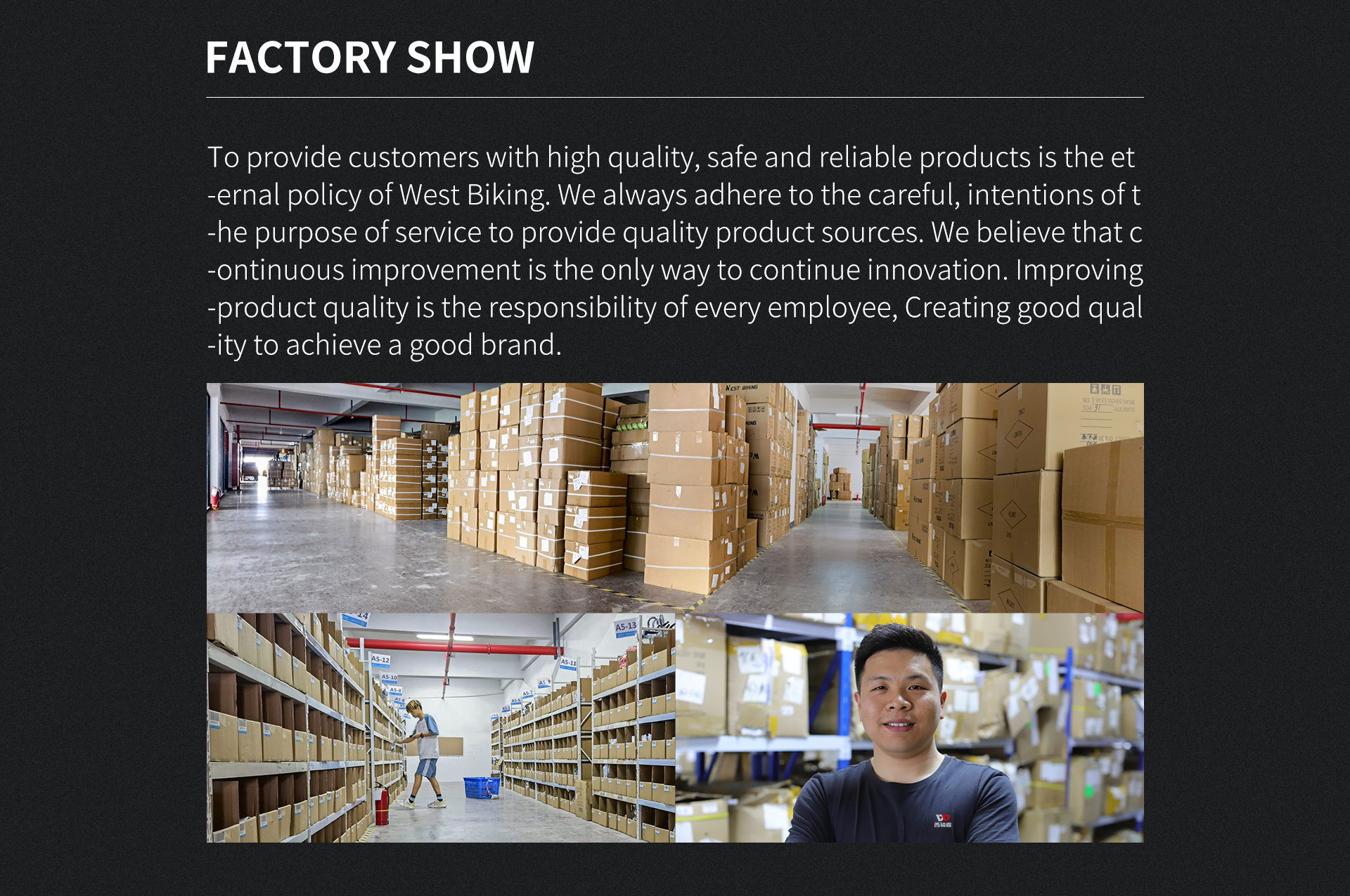
Operating out of Zhejiang, the nexus of high-efficiency Chinese light manufacturing, Yiwu PAVI Technology Co., Ltd. has served international wholesalers, e-commerce brand owners, and racing syndicates since 2015. We eliminate the systemic vulnerabilities commonly encountered when working with unregulated trading intermediaries:
TÜV Rheinland Assessed Facility
Our corporate footprint, manufacturing capacity, and legal compliance have been comprehensively inspected and verified onsite by TÜV Rheinland. We maintain transparent financial and trade credit indexes.
Agile Low-MOQ OEM Customization
While traditional factories mandate 1,200 to 3,000 units per colorway, we accommodate trial runs starting from low MOQ (ready stocks from 2–5 units, OEM laser engraving and custom box packaging starting at accessible volumes).
Extensive Video Inspection Database
Over 690 detailed product testing and operational videos allow international buyers to evaluate physical products, hinge firmness, lens tints, and finish quality remotely before committing sample funds.
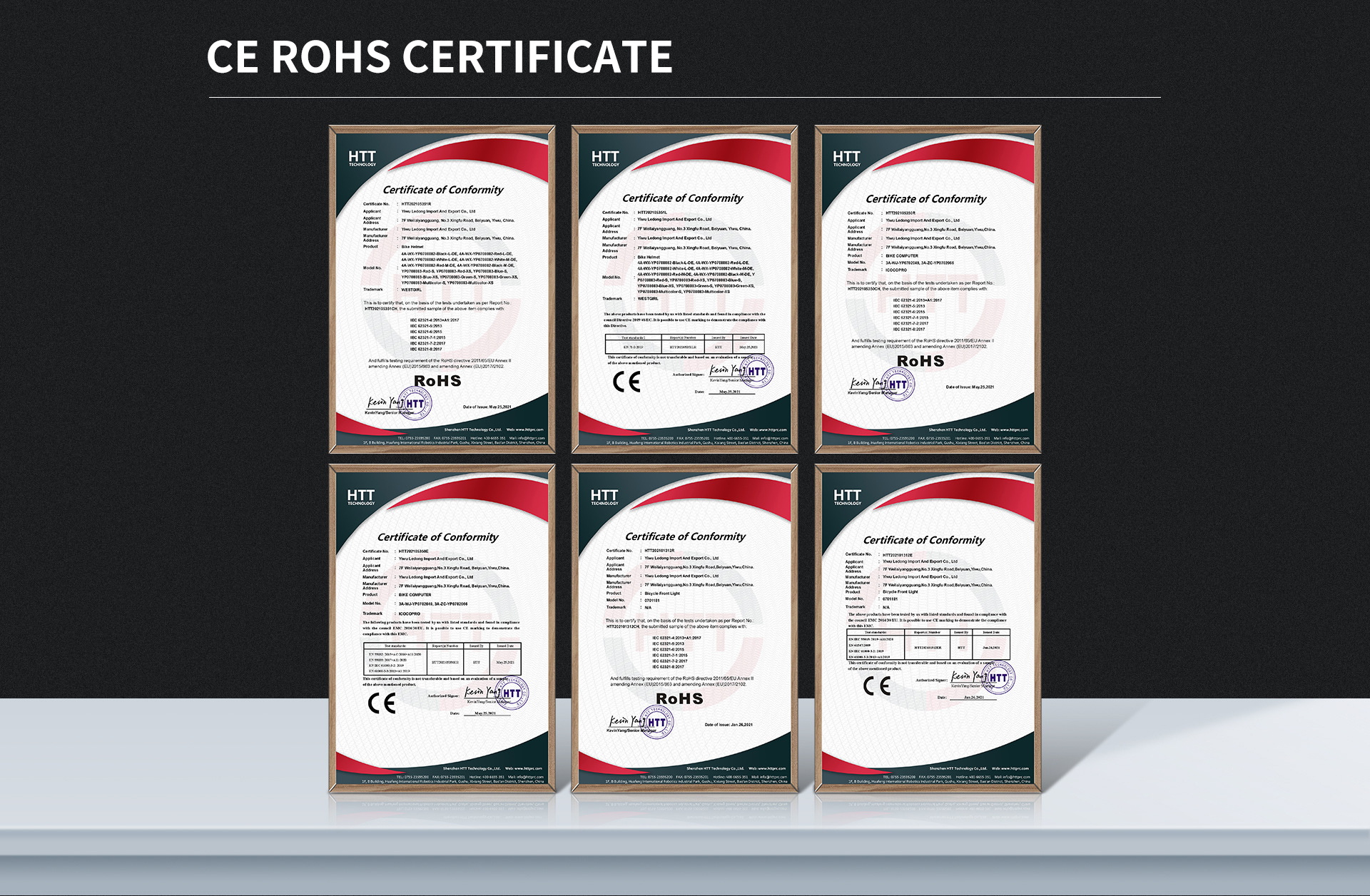
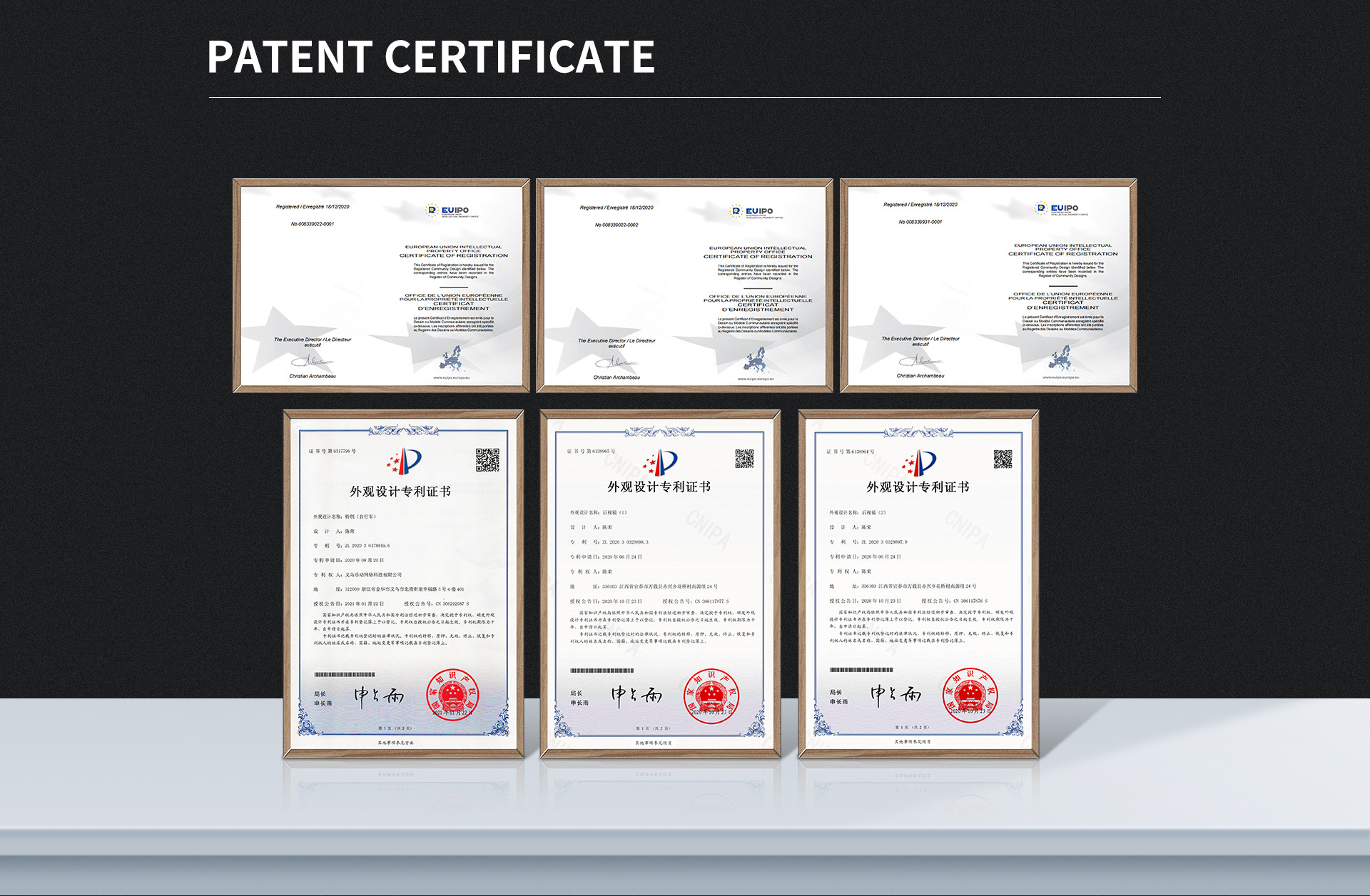
Verified Compliance Documentation
Original audit certificates, test certifications, and trademark authorizations are maintained for swift customs clearance and marketplace seller verification:
 Enterprise Registration
 Product Test Reports & CE
 Brand Authorization
 TÜV Rheinland Assessment
5. End-to-End Quality Assurance & OEM Development Workflow
To ensure zero-defect exports across multi-thousand unit orders, our quality management protocol follows strict Six Sigma-inspired stages from raw material polymer desiccation to outbound palletization:
1. Resin Dehumidification & Spectrometry
TR90 granules undergo vacuum drying at 80°C for 4 hours to eliminate micro-moisture pockets that cause structural brittleness and stress cracks during high-pressure cyclic injection.
2. Optical Decentration & Tooling Calibration
Optical molds are calibrated via CNC diamond-turning to achieve precise thickness tapering from the optical center (2.0 mm) to temporal edges (1.4 mm), neutralizing angular light deflection.
3. Vacuum Sputtering & REVO Coating
Lenses undergo multi-layer dielectric anti-reflective (AR) back-coating and multilayer rainbow REVO hydrophobic front-sputtering inside automated high-vacuum chambers.