High-Turnover Cycling Gear & Component Portfolio
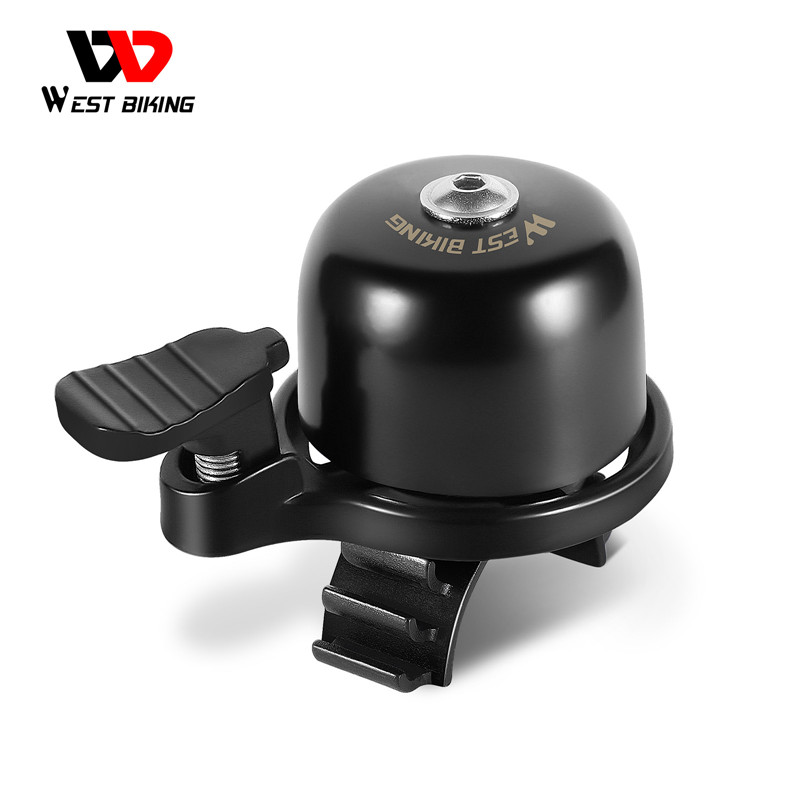
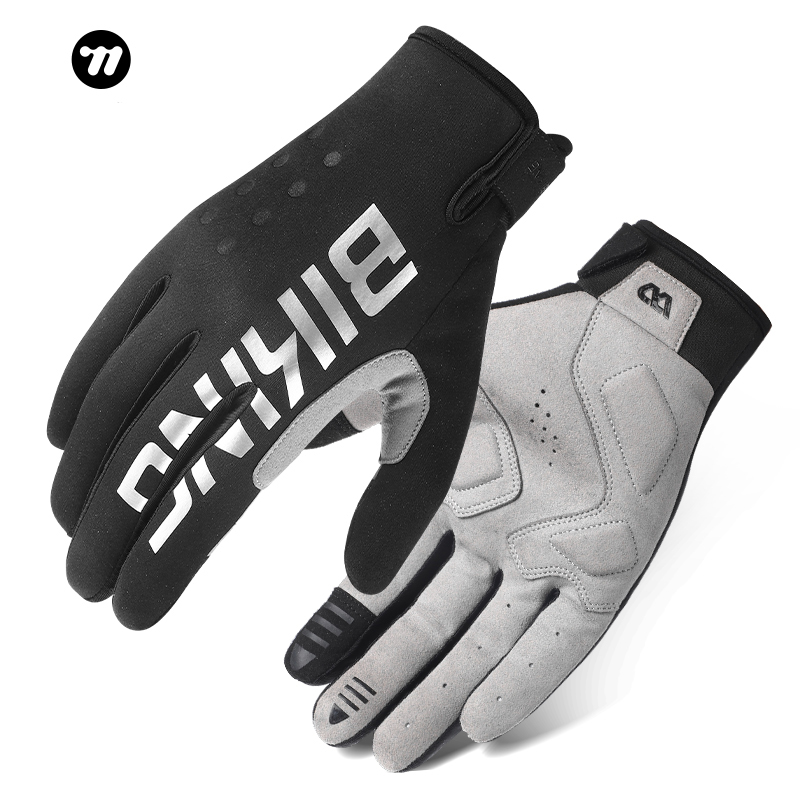
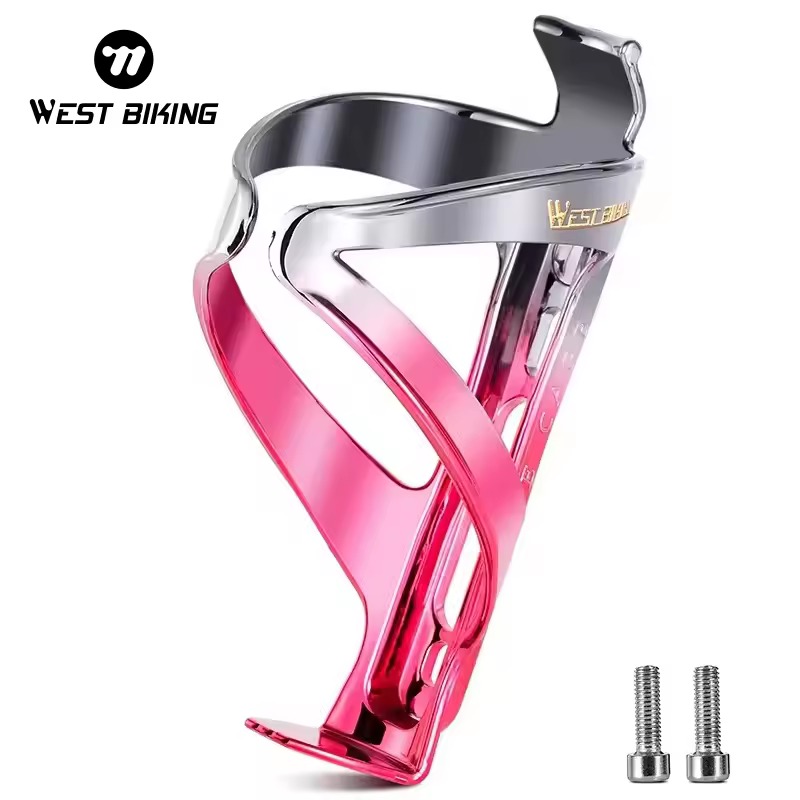
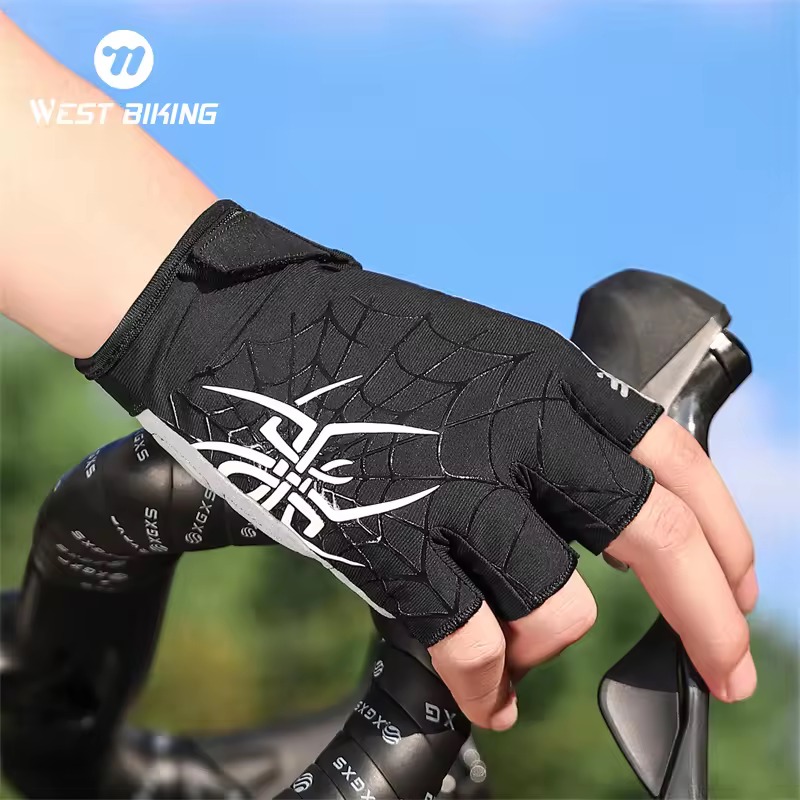
Pre-tested SKUs with proven international sell-through, rapid turnkey custom branding, and low trial order MOQs.
The Architecture of Modern Bicycle Rear Light Manufacturing
A technical treatise on optoelectronic design, kinetic brake-sensing algorithms, and automated assembly tolerances for global bicycle brands and distributors.
Optoelectronic Topology and Photometric Dispersion
In high-performance bicycle rear lighting manufacturing, the benchmark of safety is no longer restricted to pure lumen output. True photometric efficacy is determined by luminous intensity distribution (measured in candela, cd) and wide-angle lateral visibility (>220 degrees). Traditional surface-mount diodes (SMD) often suffer from localized glare points that trigger photopic saturation for following motorists without illuminating peripheral zones. Our OEM manufacturing facility leverages Chip-on-Board (COB) red LED arrays encapsulated in optical-grade silicone or PMMA Fresnel collimators.
By engineering specialized micro-prismatic TIR (Total Internal Reflection) optical lenses, our production line achieves homogeneous luminous flux. This guarantees compliance with rigorous international safety norms, specifically the German StVZO (K-Mark TA 14b) regulation and the international ISO 6742-1 standard, which stipulate zero upward stray radiation to avoid blinding approaching motorists while assuring long-range recognition from up to 1,500 meters away.
Kinetic Braking Algorithms: 6-Axis Gyroscopic Calibration
First-generation deceleration tail lights operated on primitive spring-contact switches or basic single-axis accelerometers. These obsolete setups regularly generated false positives when encountering road vibrations, potholes, or cobblestones, draining lithium battery reserves within hours. Our current generation of OEM smart brake rear lights integrates high-precision 6-axis Inertial Measurement Units (IMU) backed by proprietary digital filtering algorithms.
The integrated MCU processes dynamic velocity vector differential equations in real-time, executing a distinct 3-second 100% duty cycle strobe when negative acceleration exceeding 0.3g (gravitational acceleration) is detected. Simultaneously, angular pitch-angle filters eliminate false triggers during climbing or rapid cadence rocking, achieving a verified 98.4% trigger accuracy under aggressive trail and urban riding conditions.
OEM / ODM Bicycle Rear Light Series Solutions
Modular hardware platforms configured for rapid exterior re-tooling, custom PCB firmware, and turnkey private packaging.
Series S-Kinetic: Smart Brake Tail Light
Engineered for high-end commuter and enthusiast road segments. Combines aviation-grade CNC 6061 aluminum alloy heat sinking with automated optical brake detection.
- 6-Axis Gyroscope auto-brake triggering
- 400mAh Lithium polymer battery, Type-C
- Dual mount: Seatpost clamp & Saddle rail
Series G-German: StVZO Cut-Off Optic Light
Specially developed for European and Nordic distributors requiring full legal compliance with zero glare to oncoming traffic and strict beam cutoff lines.
- Compliant with StVZO TA 14b & ISO 6742
- Linear prismatic red TIR optic array
- Continuous 18-hour operating runtime
Series R-Radar: Integrated Proximity Detection
The pinnacle of active road safety. Merges a 77GHz millimeter-wave rear radar module with a dynamic responsive luminary warning strobe.
- 140m vehicle approach velocity tracking
- ANT+ and BLE 5.0 bike computer pairing
- Auto-escalating cadence alert flash
Future Procurement & Technological Trends
How supply chain digitalization, E-Bike CAN-bus integration, and tightening sustainability standards will reshape bicycle illumination procurement.
| Evaluation Vector | Legacy Paradigm (2018–2023) | Modern Benchmark (2024–2026) | Next-Gen Horizon (2027+) |
|---|---|---|---|
| Power Interface | Micro-USB / Disposable AAA Batteries | Type-C Fast Charge (PD Protocol Supported) | Wireless Inductive Charging & Kinetic Solar Hybrid |
| Safety Interaction | Static flashing (User manually configured) | IMU Intelligent Deceleration Detection | Automated V2X Vehicle-to-Bike Mesh Communication |
| E-Bike Integration | Standalone auxiliary battery modules | Direct 6V–60V DC step-down from drive unit | CAN-Bus / LIN-Bus telemetry integration |
| Enclosure Engineering | ABS ultrasonic seam welding (IPX4) | Co-molded TPU/PC with O-ring sealing (IPX6/IPX7) | Bio-circular polycarbonates with carbon credit audit |
The E-Mobility Convergence
With global Pedelec and Cargo E-Bike adoption expanding at a double-digit CAGR, rear light procurement is rapidly migrating away from independent battery-powered units toward wide-voltage step-down system lamps. Modern OEM buyers must specify 6V-85V DC tolerance to ensure seamless compatibility with Bosch, Shimano, Bafang, and Brose drive systems without frying microcontrollers during regenerative braking voltage spikes.
Supply Chain Resiliency & DDP Logistics
Global tariff volatility and inventory holding costs have fundamentally altered B2B buying behavior. Procurement directors increasingly demand hybrid inventory consolidation: low minimum trial runs (100–500 pcs) coupled with guaranteed 15-day replenishment cycles for pre-tooled core platforms. Turnkey DDP (Delivered Duty Paid) door-to-door logistics with pre-cleared lithium UN38.3 battery documentation is now an indispensable supplier qualification criterion.
Why Tier-1 Importers Source From Our Factory Ecosystem
Combining onsite-verified manufacturing capabilities, rigorous third-party auditing, and an agile product incubation engine in Jinhua, Zhejiang.
TÜV Rheinland Assessed
Our production premises, legal credentials, assembly throughput, and precision quality testing protocols have been independently verified onsite by TÜV Rheinland and verified since 2015.
Full-Spectrum In-House Labs
Equipped with computerized integrating spheres, optical goniometers, thermal shock chambers, programmable drop testers, salt-spray corrosion vats, and submerged IPX7 water intrusion test stations.
Agile Low-MOQ Incubator
Support for fast-track pilot market testing. Start custom laser-etched branding and bespoke retail packaging with as few as 200 units, expanding to full container shipments seamlessly.
Turnkey OEM / ODM Support
Our industrial design and optical engineering teams transform industrial 3D STEP files or ID industrial sketches into operational functional prototypes and injection tooling within 28 business days.
Flexible Settlement Terms
Multi-currency transactions accepted across USD, EUR, JPY, CAD, HKD, and CNY via secure T/T, L/C at sight, PayPal, and Trade Assurance escrows, minimizing exchange friction for importers.
Multi-Category Consolidation
Eliminate the friction of managing 15 separate suppliers. Consolidate bicycle rear lights, high-power front headlights, mini pumps, saddle bags, locks, and apparel in a single consolidated sea container.
Frequently Asked Questions for B2B Importers
Detailed technical, commercial, and regulatory answers addressing common inquiries from supply chain managers and brand directors.
What are the exact MOQ tiers for custom OEM branding vs. off-the-shelf catalog models?
How does your factory ensure compliance with StVZO, CE, and RoHS standards?
What lithium battery certifications are provided for air and sea freight logistics?
Can you support custom firmware programming for flashing modes and sensor sensitivity?
What is the typical production lead time for an OEM repeat order?
What defect rate threshold does your factory commit to, and how are claims processed?
Partner With a Proven OEM Cycling Accessories Manufacturer
Consult with our optoelectronic engineering team today. Inquire about customized tooling, obtain comprehensive specification sheets, or request evaluated physical samples before placing volume orders.