Export Verified Selection
High-Performance Road Components & Rider Accessories
Engineered for endurance velocity, anatomical decompression, and aerodynamic stability. Explore verified SKUs ready for multi-SKU container consolidation.
2015
Industrial Foundation
TÜV
Rheinland Assessed
690+
Verified Video Audits
4.7 / 5
Global B2B Rating
Engineering Velocity: The Evolution of China's Road Bike Saddle Manufacturing
In modern performance cycling, the saddle serves as the primary biomechanical contact point between the pelvic structure and the drivetrain. The global competitive road racing segment is experiencing a critical technological shift: shifting from traditional polyurethane (PU) foam over steel rails toward precision-engineered 3D-printed liquid elastomer lattices and high-modulus Toray T700/T800 carbon fiber composite rail architectures.
As a leading China wholesale road bike saddle manufacturer and custom engineering partner, Yiwu PAVI Technology Co., Ltd. addresses both competitive racing demands and endurance performance standards. Modern cycling geometry dictates an aggressive pelvic tilt, necessitating anatomically mapped hollow pressure-relief cutouts. These openings eliminate excessive soft-tissue compression along the pudendal neurovascular bundle, mitigating perennial numbness and maintaining unrestricted microvascular blood circulation during sustained high-wattage pedaling efforts.
"The modern road saddle is no longer passive upholstery. It is an active vibration-damping structural spring calculated across variable Shore A hardness zones to reduce fatigue and optimize metabolic efficiency."
Material Science: Carbon Rail Integrations & Resin Matrix Optimization
Our Tier-1 manufacturing facilities incorporate multi-cavity automated injection tooling, mechanical press stamping, and precision autoclave curing. Road saddles optimized for Tier-1 racing teams feature ovalized 7x9mm unidirectional carbon composite rails. Compared to traditional hollow titanium or chromium-molybdenum (Cr-Mo) steel rails, our carbon composite matrices yield a 42% decrease in chassis mass while delivering an engineered tensile strength exceeding 1,200 MPa under ISO 4210-9 dynamic fatigue load stress testing.
Additive Manufacturing (3D Printing) vs. High-Density Closed-Cell EVA/PU
While traditional closed-cell EVA foam remains a cost-effective choice for consumer aftermarket replacement saddles, Digital Light Synthesis (DLS) additive manufacturing using Photopolymer Liquid Resin (TPU) has become the gold standard for high-end original equipment manufacturing (OEM). By tailoring lattice cell geometry (triangular gyroid and honeycomb configurations), our advanced production lines deliver non-linear hysteresis curves: the saddle surface remains compliant over low-amplitude, high-frequency micro-vibrations, yet stiffens progressively under heavy sprint efforts to avoid pelvic rolling.
Market Forecast
Future Sourcing & Procurement Trends (2025–2030)
Strategic purchasing managers must balance supply chain agility, environmental regulations, and additive manufacturing scalability.
Additive Lattice Customization
B2B importers are shifting from generic inventory stockpiles toward on-demand lattice configuration. By modifying digital parameters without cutting multi-thousand-dollar steel molds, brands can iterate custom firmness profiles and width variants (143mm vs 155mm) with zero retooling lead-time.
Circular Economy & Solvent-Free Glues
European and North American regulatory compliance (EU REACH, RoHS, and Corporate Sustainability Due Diligence) is accelerating the removal of volatile chemical solvent adhesives. We specialize in hot-melt automated robot lamination and mono-material recyclable olefin bases.
Consolidated Low-MOQ Procurement
Global brands avoid single-category vulnerability by leveraging consolidated supply hubs. Pairing high-precision road saddles with aerodynamic lights, hydration gear, and protective apparel under a single unified bill of lading significantly reduces landed customs overheads.
Factory Verifiable Capabilities
Why Tier-1 Brands Partner with PAVI Technology
Combining proprietary industrial supply chains, TÜV Rheinland-assessed manufacturing units, and lean international trade logistics.
TÜV Rheinland Assessed
Our premises, corporate registration, legal status, and manufacturing operations have undergone rigorous onsite inspection by TÜV Rheinland and Alibaba.com verification audits since 2015.
Multi-Stage Rigorous QC
Every SKU undergoes raw material spectrometer testing, ultrasonic weld inspection, static loading, dynamic tensile deflection, and precision digital height-gauge dimensional verification prior to packing.
Agile Low-MOQ OEM/ODM
Lower market validation risks with low MOQ pilot runs (from 2-5 units on RTS models) paired with laser marking, screen printing, customized Pantone matching, bespoke retail box blister packing, and barcode labels.
Global Seamless Logistics
End-to-end clearing efficiency supporting FOB, CIF, EXW, CIP, DDP, and DDU sea/air freight protocols with flexible settlement via T/T, L/C, PayPal, Credit Card, and Escrow across North America, Europe, and Asia.
Technical & Trade Advisory
Frequently Asked Questions for Saddle Procurement
Direct operational answers addressing quality control parameters, rail tolerances, and private label customization protocols.
What dynamic fatigue and impact standards do your road bike saddles comply with? +
All road racing and endurance bicycle saddles engineered at our facilities strictly conform to international ISO 4210-9 safety and testing standards. Our in-house testing lab subjects saddle frames and rails to dynamic durability fatigue tests of over 200,000 cycles at dynamic loads between 1,000 N and 1,300 N. In addition, rearward and forward static impact load tests verify that rail junctions, fiber-reinforced composite shells, and clamping interfaces exhibit zero micro-cracking, delamination, or permanent plastic deformation under extreme race loads.
How do you accommodate custom OEM private-label requests and carbon rail clamping specifications? +
We provide full OEM/ODM manufacturing capability. For surface branding, we support high-definition UV transfer printing, debossing, heat-stamping, and laser-etched alignment markings directly on saddle covers and carbon rails. We offer both standard round 7x7mm rails (compatible with standard vertical side-clamp seatposts) and oval 7x9mm / 7x10mm ultralight carbon fiber rails (engineered for top-down clamping seatpost mechanisms). Laser-graduated positioning scales are etched to within ±0.2mm accuracy for precise bike-fitting setup.
What is the standard production lead time and sample testing policy? +
Pre-production functional samples for material finish, ergonomic verification, and bench stress testing can be dispatched within 5 to 7 business days for in-catalog designs. For proprietary custom tooling (new bottom plate injection molds or 3D lattice parameters), tooling and initial prototype sampling take approximately 25 to 35 days. Bulk industrial production cycles range from 20 to 30 days depending on total order volume, packaging customization requirements, and scheduled vessel departure windows.
Can buyers consolidate saddles with other cycling gear in a single container? +
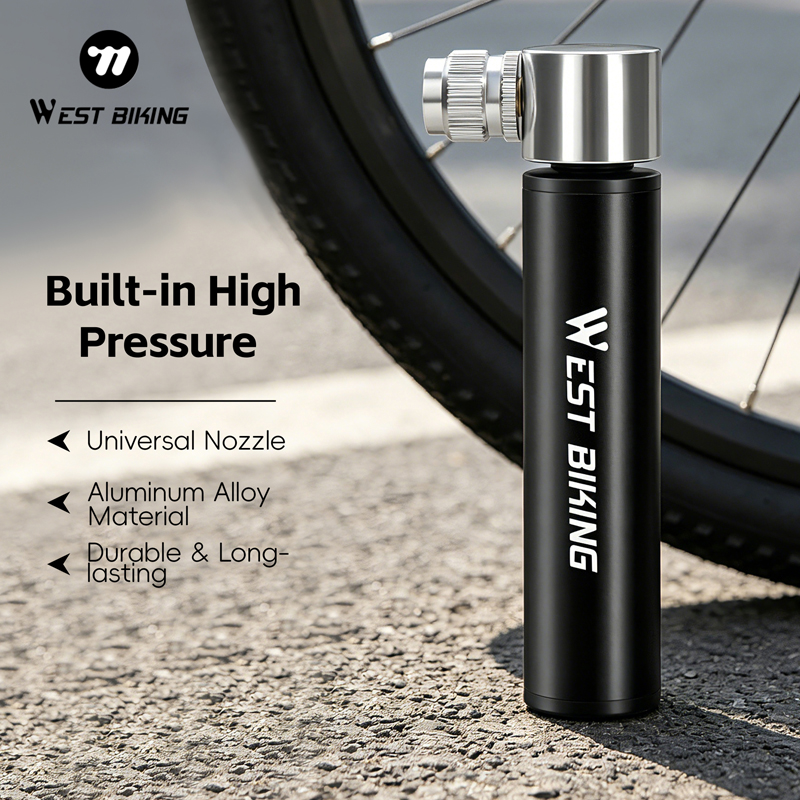
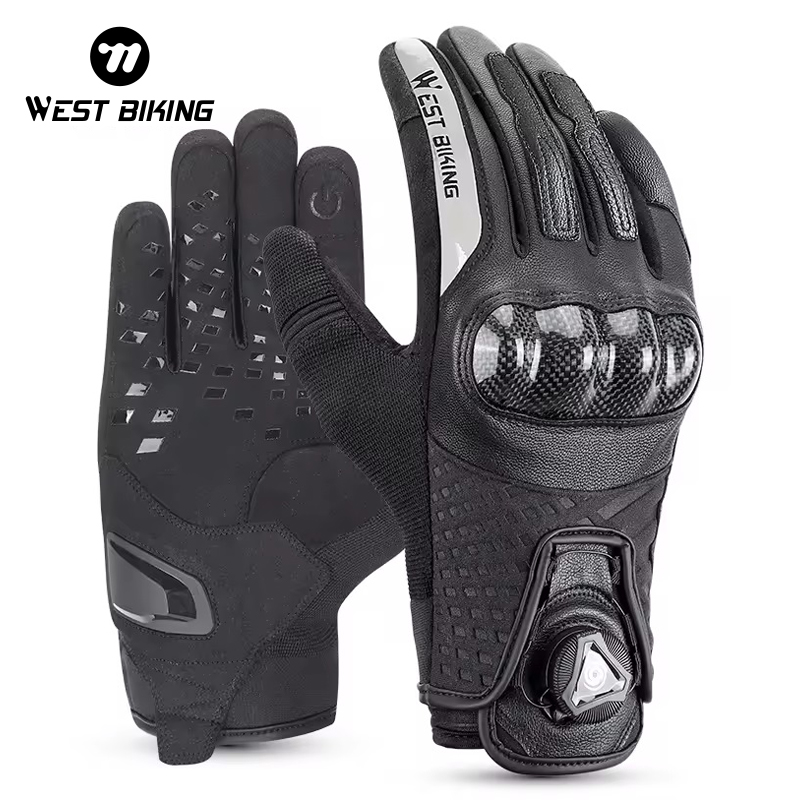
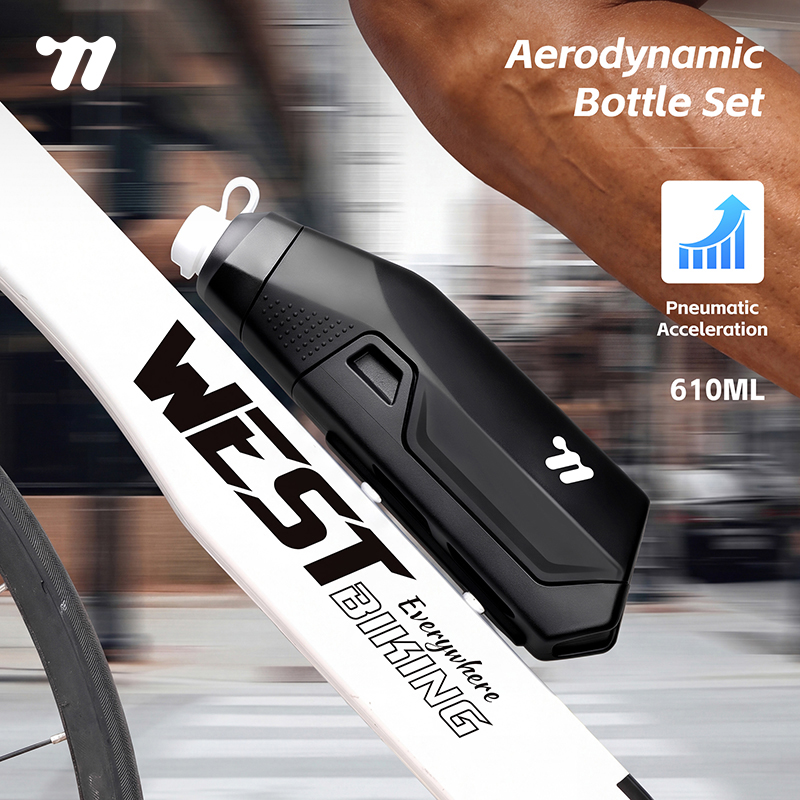
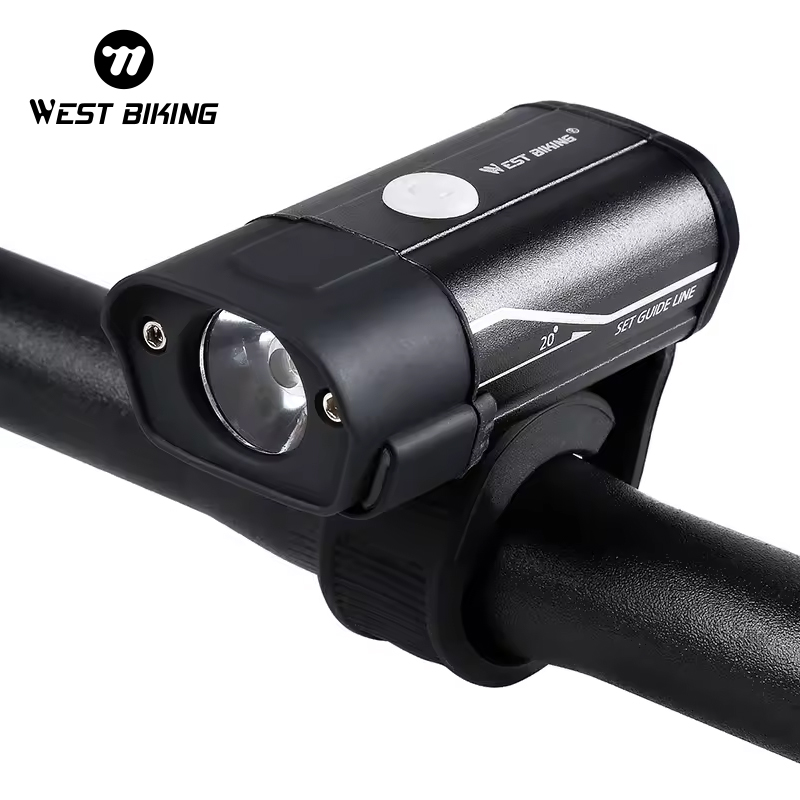
Yes. One of PAVI Technology's primary competitive advantages is consolidated multi-SKU procurement. We eliminate the administrative burden of handling ten independent factories by allowing global distributors to consolidate road bike saddles, rechargeable lighting systems, shock-absorbing cycling gloves, high-pressure mini pumps, aerodynamic bottles, and protective apparel into a single commercial invoice, packing list, and shipping container under optimized EXW, FOB, CIF, or DDP terms.
What quality assurance steps are taken to prevent cover delamination in high humidity? +
We utilize automated climate-controlled bonding environments with dual-component polyurethane and solvent-free reactive hot-melt adhesive systems. Saddle assemblies undergo thermal-shock chamber validation (-20°C to +65°C cycling for 72 continuous hours) alongside 95% relative humidity salt-spray corrosion assessments on metallic fasteners and rail coatings. This ensures that micro-fiber covers, 3D printed elastomeric pads, and polymer chassis never blister, crack, or peel in tropical or sub-zero riding conditions.
Accelerate Your Road Cycling Component Line
Connect with our technical engineering and export sales department. Request comprehensive product specification sheets, dynamic test reports, and private label pricing matrices today.
Get Catalog