Honeycomb Matrix
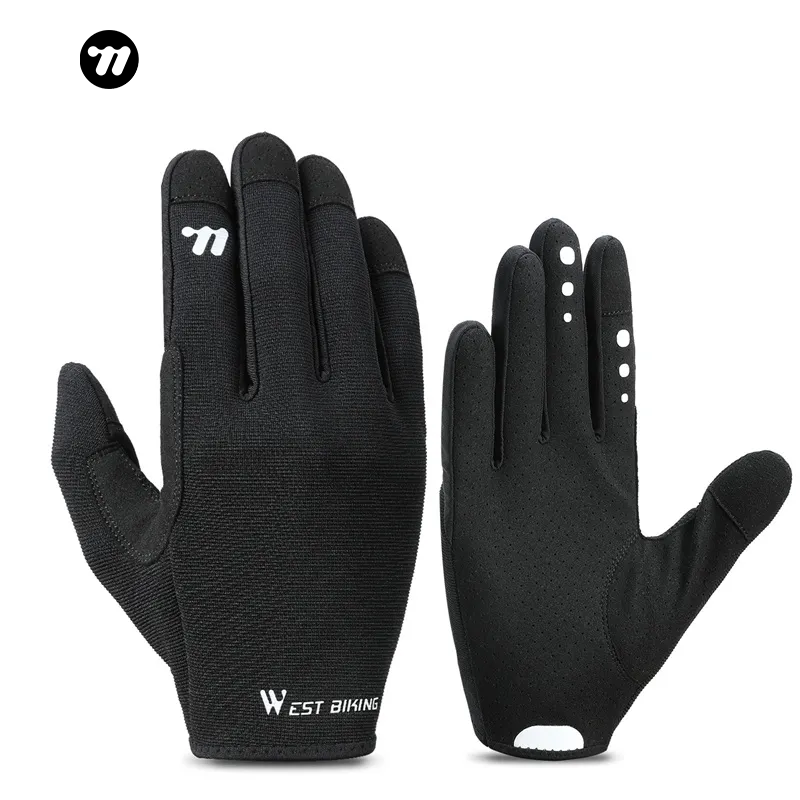
West Biking 3D Style Anti-Slip Shock-Absorbing Cycling Gloves
Impact Gel
Breathable Mesh
All-Terrain
Matches on this page are highlighted. No match? You will be taken to the full product catalog.
Engineered for high turn-rates, rigorous dimensional stability, and verified compliance across Tier-1 retail channels.
An authoritative breakdown on polymer cross-linking, ischial tuberosity weight distribution, and global supply chain compliance for cycling brand managers.
In modern cycling biomechanics, saddle design serves as the central contact zone responsible for carrying up to 60% of total rider weight. Traditional expanded polyurethane (PU) foam seats, while initially cost-effective, suffer from severe material fatigue and rapid hysteresis breakdown under repeated cycling loads. Over extended rides, standard foam compresses into a rigid, non-yielding state, directly impinging upon the pudendal nerve, perineal artery, and the ischial tuberosities ("sit bones"). This neurovascular compression causes perineal numbness, soft-tissue friction blisters, and sustained lower back torque.
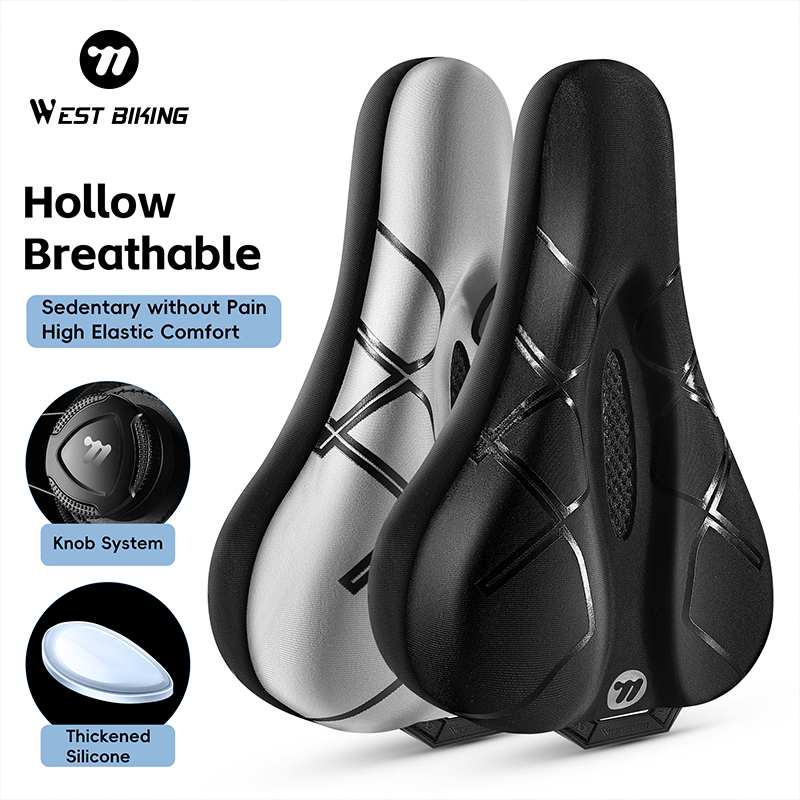
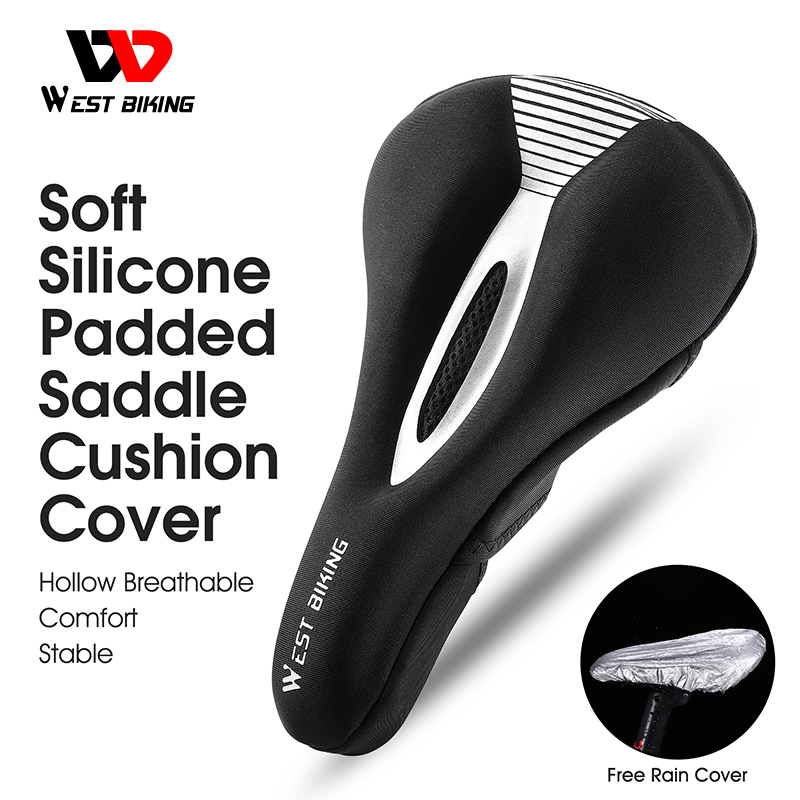
As China's leading gel bike seat supplier and exporter, Yiwu PAVI Technology has restructured seat manufacturing by formulating advanced three-dimensional viscoelastic silicone-polyurethane gels. Unlike conventional open-cell foams that compress solely along a vertical axis, our polymer gel compounds behave hydrostatically: they compress downward while simultaneously displacing lateral shear stress across an expanded surface area. This lateral dispersion drops peak contact pressure by up to 42%, mitigating high-density force points and preventing pelvic tilt across road cycling, aggressive MTB descending, and high-frequency urban commuting.
Our cross-linked silicone gel cushions adaptively adjust to micro-pelvic rotations during cadence surges, neutralizing friction between the bib liner and cover epidermis.
Coupling 30mm visco-elastic memory foam with medical-grade elastomer preserves an equilibrium recovery rate (0.35s delay) to dampen low-amplitude, high-frequency frame chatter.
Replacing unreliable friction cords with steel-wire rotary knob closures eliminates seat-cover displacement, preventing lateral wobble during standing sprints.
A resilient gel bicycle seat or saddle cover requires a multi-tier sandwich matrix engineered to prevent delamination under extreme environmental factors: thermal extremes (-15°C to +50°C), continuous UV radiation, and perspiration moisture.
Tier 1: Hydrophobic Tactile Cover (Skin Layer): Utilizing wear-resistant Polyurethane (PU) artificial leather or anti-abrasion Lycra coated with hydrophobic fluoro-free water repellent. The cover features laser-perforated aeration channels that vent core air upwards during pedaling, eliminating humidity buildup inside rider bibs.
Tier 2: Dual-Phase Damping Core: The core combines high-density slow-rebound memory sponge (density rating ≥ 45 kg/m³) directly fused to a vulcanized non-liquid silicone gel pad. In mass-market products, inferior thermoplastic elastomers (TPE) melt and degrade under sun exposure; PAVI exclusively uses thermostable cross-linked polymer networks that guarantee structural integrity over 100,000 cyclic compression impacts without plastic deformity.
Tier 3: Structural Underbody & Non-Slip Base: The bottom interaction surface incorporates high-friction honeycomb silicone dotting combined with precision-molded resin or dual-rail chromium-molybdenum steel frames. This layered layout prevents saddle migration on composite carbon shells and alloy platforms alike.
Critical macro insights for cycling importers, distributors, and supply chain directors planning seasonal product lines.
The global boom in electric commuters, cargo bikes, and urban e-bikes has fundamentally rewritten the procurement playbook for saddles. Because e-bike riders remain seated while negotiating potholes and road seams—unassisted by the natural shock absorption of standing pedal posture—transferred seat impact spikes by over 300%. Sourcing heads must prioritize widened pelvic platforms (180mm to 220mm profiles), thickened dual-density gel architectures, integrated rear-lifting grips, and built-in rear light mounting rails compatible with smart USB-C brake safety lamps.
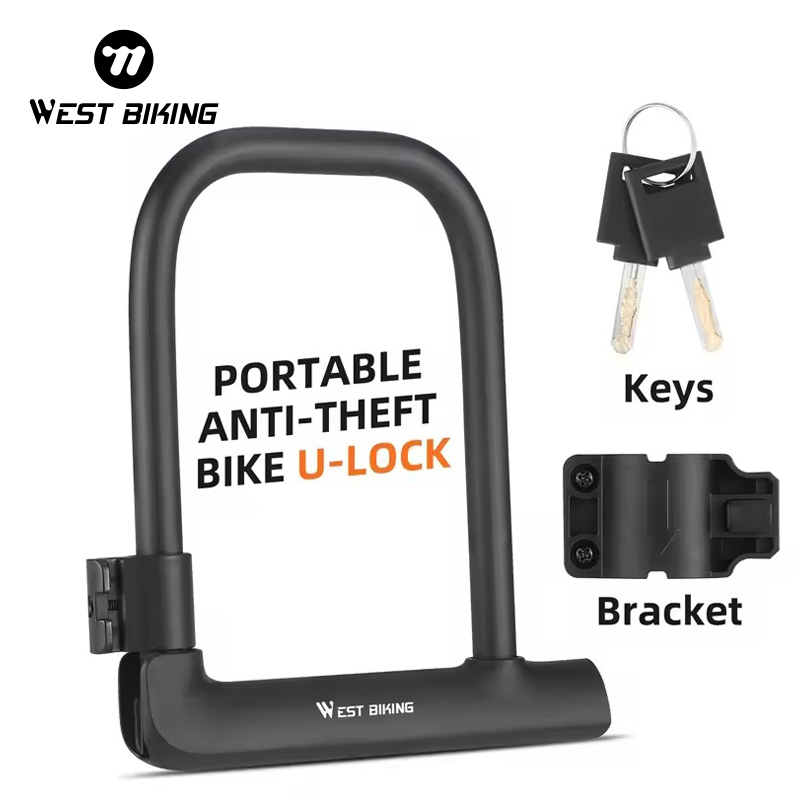
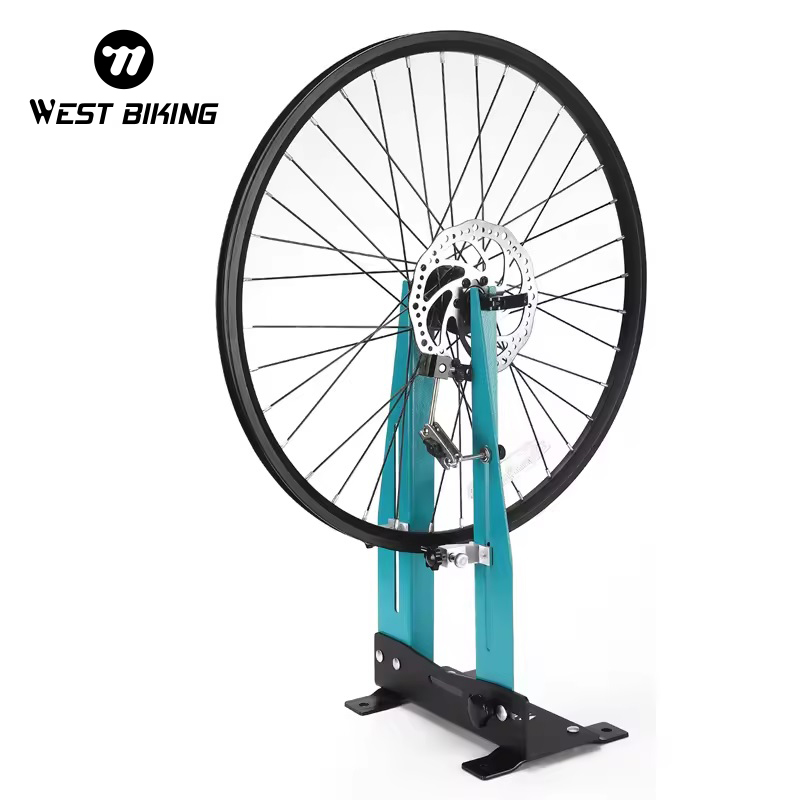
Gone are the days when international distributors could afford to tie up liquidity in 40ft containers composed of a single product line. Rising international warehouse storage tariffs and dynamic consumer demand require nimble inventory turnarounds. Modern procurement demands mixed-SKU consolidation: purchasing high-margin gel saddles alongside matched cycling gloves, CNC-machined alloy pedals, hardened anti-cutting U-locks, and workshop wheel-truing stands within a unified Bill of Lading. PAVI's consolidated operational hub in Jinhua/Yiwu delivers exactly this: low minimum order thresholds (from 2–5 units per SKU) backed by enterprise container loading efficiency.
Tightening environmental legislation in the European Union (EU REACH Regulation EC 1907/2006) and the North American market (California Proposition 65) strictly regulates plasticizers (DEHP, DBP, BBP, DIBP) within skin-contact polymers. Importers risk port customs seizures and heavy fines if their Chinese suppliers utilize recycled scrap plastics with excessive volatile aromatic hydrocarbons. Professional procurement dictates sourcing from suppliers like PAVI that provide verifiable chemical safety dossiers and physical mechanical stress certifications verified by independent bodies such as TÜV Rheinland.
Every batch of raw elastomer and memory foam undergoes rigorous laboratory validation to ensure non-toxic, skin-safe, phthalate-free export compliance for EU & North American markets.
Launch seasonal collections without debilitating overhead. Take advantage of low sample thresholds (from 2–5 units) and private-label laser/screen branding starting at minimal MOQ tiers.
Eliminate the friction of juggling 10 separate factories. Source saddles, performance apparel, locks, lights, and tooling within a single audited Chinese supply pipeline.

Yiwu PAVI Technology Co., Ltd. premises, production capacities, and international legal standing have passed exhaustive on-site audit checks by Alibaba.com and TÜV Rheinland.
Straight answers regarding manufacturing capabilities, MOQ criteria, material testing, and logistical dispatch.
For standard catalog inventory with factory neutral packaging, our baseline MOQ starts as low as 1 to 5 pieces. This empowers independent bicycle dealers (IBDs), regional distributors, and Amazon FBA operators to test localized market demand with negligible inventory risk. For custom OEM branding—including silk-screen logo application, high-frequency debossing, custom PMS color matching, and full-color retail blister packaging—the standard MOQ is typically 300 to 500 units per model variation.
We do not utilize low-grade liquid silicone or semi-fluid oils that rupture under puncturing. PAVI gel seat components utilize 100% solid, fully vulcanized viscoelastic cross-linked polymer matrices. Even when the outer fabric skin is intentionally breached, the internal elastomer retains its exact mechanical footprint and elasticity without dripping, liquefying, or thinning out—even under continuous heat chamber exposures exceeding 60°C.
Yes. Our in-house graphic packaging team collaborates directly with your brand department to develop retail-ready shelf hanging cards, recyclable gift boxes, laser-cut EVA display inserts, and verified EAN/UPC barcoding compatible with automated Amazon FBA warehouse scanning requirements. Physical pre-production packaging samples are shared for dimensional and aesthetic approval prior to mass carton runs.
Every production run passes an exhaustive 4-stage inspection regimen: 1) Incoming Raw Material Inspection (shore hardness, fabric tensile resilience, non-toxic certification checks); 2) Structural In-line Assembly Monitoring (stitching density, high-frequency weld adhesion); 3) Destructive Dynamic Load Testing (50,000-cycle pneumatic piston impact simulation); and 4) Final Packaging & Carton Drop Testing (ISTA-1A standard) accompanied by photo and video documentation.
We provide comprehensive trade terms tailored to our buyers' operational liquidity: T/T (Telegraphic Transfer), Irrevocable L/C at sight, D/P, D/A, Credit Card, PayPal, Western Union, and Escrow financing. We conduct business across multiple global currencies to minimize foreign exchange exposure, including USD, EUR, JPY, CAD, HKD, CNY, and CHF, offering FOB, CIF, EXW, CIP, DDP, and DDU logistics shipping incoterms.
Rapid physical evaluation is critical for assessing ergonomic profile and surface density. We air-express functional off-the-shelf samples within 24 to 48 hours via DHL, FedEx, or UPS. Custom OEM prototype samples featuring client-specific tooling, custom fabric textures, or bespoke dial mechanisms are typically delivered within 7 to 10 working days, with sample fees fully credited back upon bulk commercial contract placement.