Workshop Pro
Matches on this page are highlighted. No match? You will be taken to the full product catalog.
Direct-to-factory cycling hardware, rider gear, and service station tooling engineered for cross-country, enduro, downhill, and workshop environments.
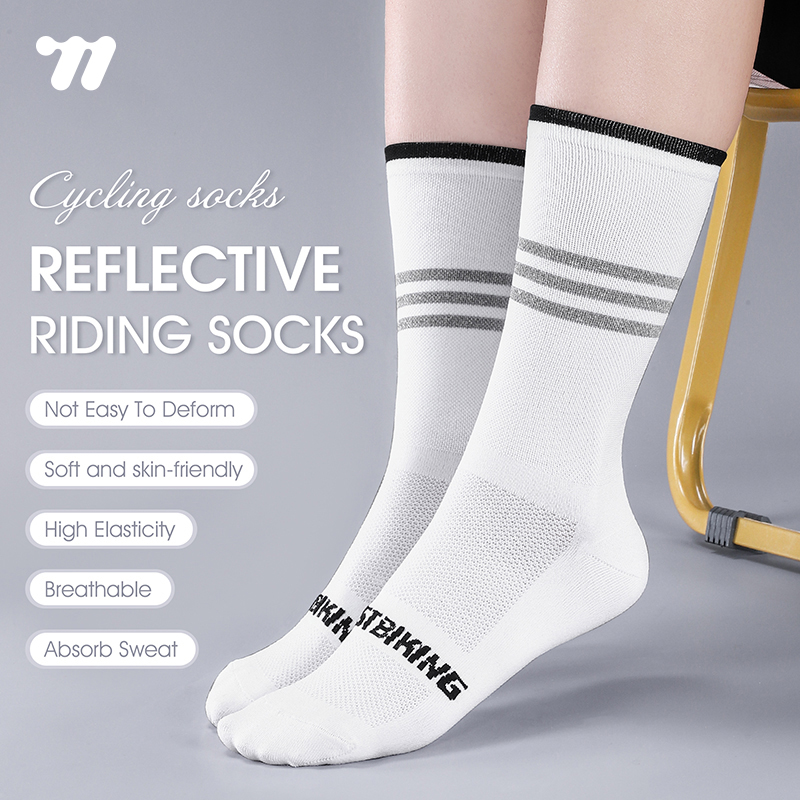
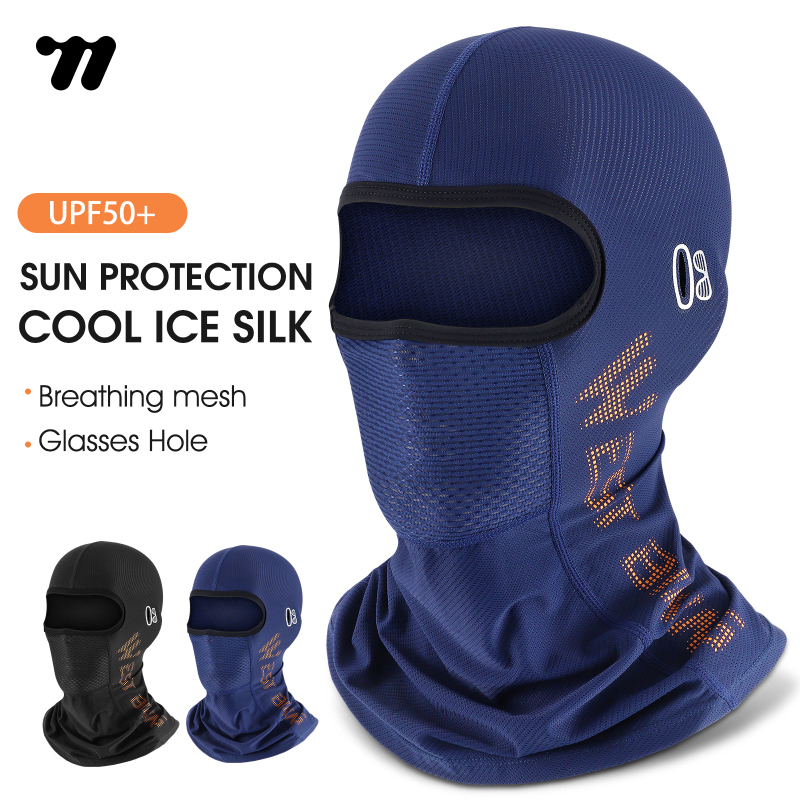
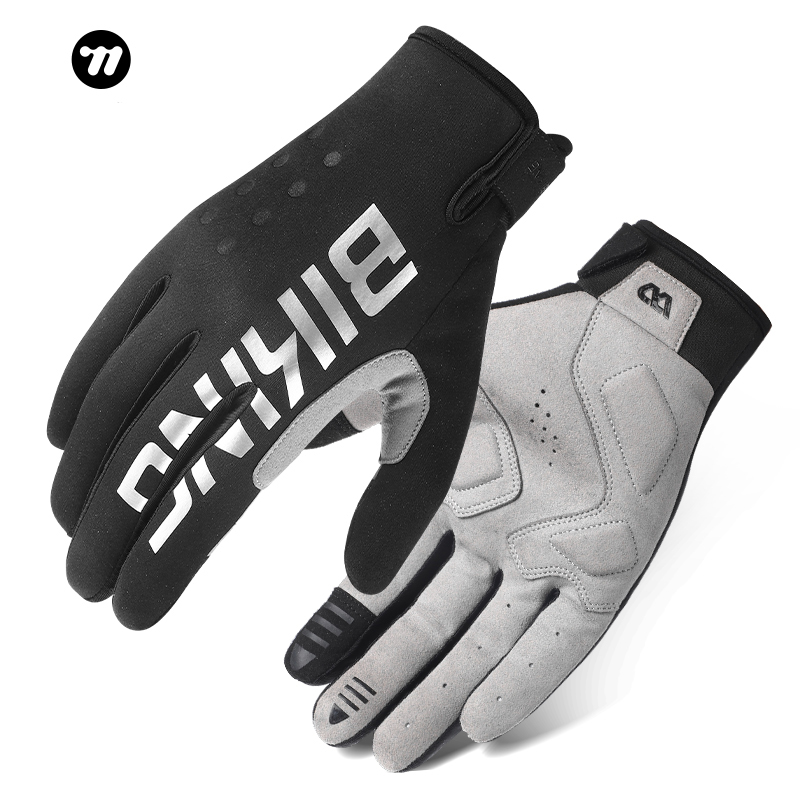
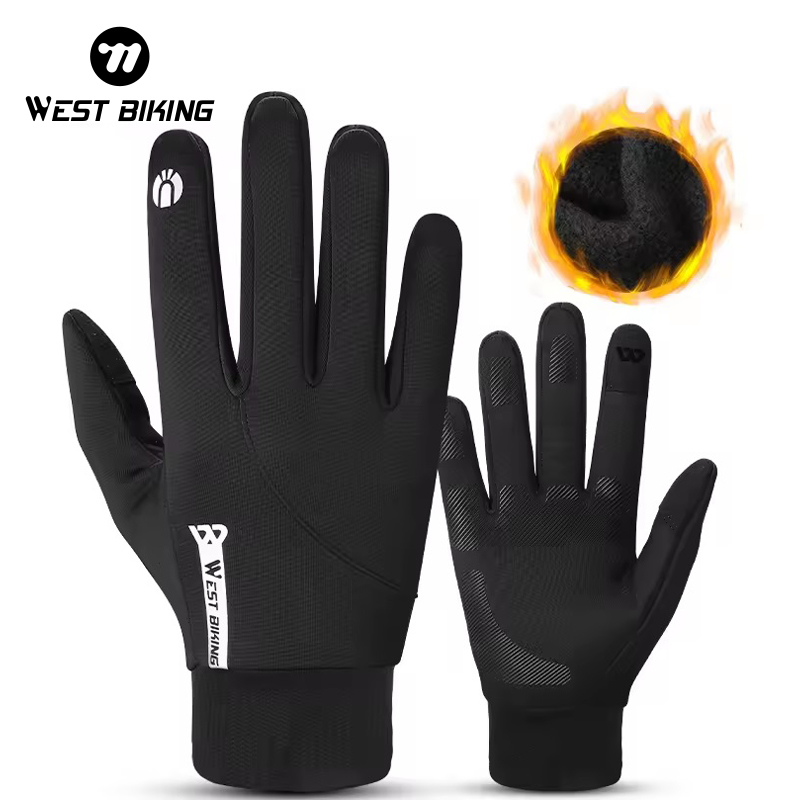
In commercial mountain bike procurement, a saddle is no longer treated merely as a passive contact point; it is an active mechanical component engineered to withstand cyclic impacts, absorb violent high-frequency trail vibrations, and safeguard rider perineal blood flow under steep postural tilts. Sourcing saddles that bear authentic CE Certification and ISO 4210 Compliance is the primary safeguard global importers, distributors, and brand owners possess against mechanical rail fatigue, catastrophic shell fractures, and expensive product recalls in litigious consumer markets.
Structural validation requires cyclical vertical loads of 1,000 N applied to the rear seat bone landing zones for 200,000 cycles without structural delamination, rail displacement, or shell fissure.
Full anatomical pressure redistribution using central perineal cutouts, dropped nose contours, and variable-density padding that preserves pudendal artery perfusion during aggressive climbs.
Employing hydroformed Cr-Mo (Chromoly), vacuum-cured 3K/12K Toray carbon fiber, or hollow titanium alloy rails calibrated to absorb 3,500 N longitudinal impact forces without shearing.
| Testing Parameter | EN ISO 4210-9 Standard | PAVI Factory Internal Protocol | Commercial Value to Importer |
|---|---|---|---|
| Static Seat Clamp Force | 1,500 N force applied along rails | 2,200 N sustained over 60 seconds | Zero rail slippage during hard downhill drops. |
| Dynamic Cyclic Fatigue | 1,000 N at 2 Hz, 200,000 cycles | 1,200 N at 3 Hz, 350,000 cycles | Eliminates warranty claims from heavy e-MTB riders. |
| UV & Hydrolytic Degradation | 48 hours accelerated exposure | 120 hours UV weathering + Salt Spray | Prevents vinyl peeling, color fade, and seam cracking. |
| Chemical Compliance | REACH Annex XVII (Phthalates < 0.1%) | TÜV-verified Phthalate & PAHs free | Seamless customs clearance into EU and North America. |
For mountain bike saddles, achieving the CE Mark implies compliance with the European General Product Safety Regulation (GPSR) and strict conformity to the mechanical standards established under EN ISO 4210 (Parts 1–9). As an established manufacturer, Yiwu PAVI Technology integrates finite element analysis (FEA) into our injection-molded nylon composites, ensuring that flex patterns optimize rider dampening while maintaining rigid torque transfer during pedal strokes.
The international off-road saddle sector is undergoing a rapid paradigm shift driven by the explosion of long-travel Electric Mountain Bikes (e-MTBs), gravel adventure bikes, and sustainable circular manufacturing mandates. OEM/ODM brand managers must align their 2025–2030 product roadmaps with several crucial manufacturing breakthroughs:
Traditional EVA and PU foams suffer from progressive micro-cellular collapse after 6–12 months of intense trail riding. Digital Light Synthesis (DLS) using liquid polyurethane (EPU) produces micro-engineered hexagonal lattices. These allow zoned viscoelastic damping: stiffer lattice structures underneath the ischial tuberosities (sit bones) and ultra-pliant, compliant webbing along the soft tissue perineal center.
Motor-assisted climbs allow riders to remain seated on incline gradients exceeding 25%. Consequently, modern saddle engineering incorporates raised rear tails ("spoon tail" profiles) to arrest backward rider migration, paired with wider noses containing high-density shock pads to cushion aggressive forward-weighted power bursts.
European Green Deal packaging and ecodesign mandates are rendering traditional saddles—composed of glued polyurethane covers, expanded foam, staples, and composite plastic shells—difficult to recycle. Next-generation production emphasizes adhesive-free, staple-free thermo-fused assemblies utilizing 100% recyclable thermoplastic polyurethane (TPU) where rails, base, and padding can be disassembled or re-pelletized in a closed loop.
Global cycling component supply chains have transitioned from post-pandemic overstocking toward lean, multi-SKU just-in-time replenishment. For enterprise buyers, supermarket sporting chains, and boutique cycling brands, future procurement efficiency hinges on structural sourcing shifts:
Procuring saddles from an isolated factory while sourcing lights, pumps, short stems, and apparel from four other discrete vendors creates catastrophic logistics fragmentation: multiple minimum order quantities (MOQs), duplicated custom clearance costs, and chaotic sea freight consolidations. Leading importers are actively partnering with verified multi-specialty supply houses capable of packaging CE-compliant saddles alongside essential bicycle gear into single container drop-shipments.
The legacy requirement of 1,000 units per colorway is incompatible with modern e-commerce lifecycle testing. Contemporary B2B buyers mandate trial order flexibility—starting as low as 1 to 5 pieces for catalog benchmarking, and scaling to 100–300 units for branded OEM private-label production. This enables agile distributors to test consumer appetite for short-nose or 3D-printed geometries prior to capital-intensive mass manufacturing.
With tightening customs compliance in the United States (CPSC standards) and the EU (CE Machinery & GPSR Directives), brand owners can no longer purchase through anonymous trading middlemen. Factory validation requires audited on-site checks, laboratory testing machines (tensile testers, height gauges, salt spray chambers), and accredited third-party supplier assessments conducted by organizations such as TÜV Rheinland.
Founded in 2015 in Jinhua/Yiwu, Zhejiang, China—the epicenter of global precision light-industrial engineering—Yiwu PAVI Technology Co., Ltd. serves as the premier supply chain link for international bicycle brands, volume importers, and retail supermarket chains. We eliminate the operational frictions of international sourcing through uncompromised quality governance and agile production architecture:
Our operational headquarters, assembly floor, and lab have completed rigorous on-site verification by Alibaba.com and independent third-party assessment by TÜV Rheinland.
Ready-to-ship catalog inventory starts at 1–5 pieces to facilitate initial sample evaluations, while custom private label laser engraving and packaging start at low, accessible order thresholds.
Every manufacturing batch undergoes physical incoming material checks, manual press calibration, tensile testing for rail links, and dimensional height-gauge verification before packing.
We support versatile transaction terms including FOB, CIF, EXW, and complete DDP/DDU to your warehouse dock, transacting across multiple global currencies (USD, EUR, GBP, JPY).
Common inquiries addressed by our senior technical engineering team and international export managers:
Consult with our engineering and procurement team for technical specifications, TÜV compliance dossiers, mixed-SKU quotes, and rapid prototyping services.