High-Velocity Technical Cycling Solutions
Engineered for professional distributors, wholesale networks, and performance lifestyle private labels requiring validated production standards.
2015
Established OperationsEN 1621-2
CE Impact Safety Standard4.7/5.0
Verified Buyer Rating690+
Video Documented SKUsEngineering Standards for CE Certified Cycling Backpacks
Bridging technical textile mechanics, integrated spinal armor compliance, and global trade dynamics for commercial decision makers.
1. Architectural Compliance: Decoding CE Certification (EN 1621-2 & EN 17092-6)
The strategic differentiation between standard outdoor consumer packs and certified technical cycling backpacks centers strictly on impact dissipation, mechanical sheer resistance, and passive rider illumination. In the regulatory framework of the European Economic Area (EEA), a cycling pack marketed with integrated spinal defense must comply with EN 1621-2 (Motorcyclists' protective clothing against mechanical impact), which evaluates residual force transmission under dynamic kinetic strikes.
A legitimate CE Level 1 backpack spine pad ensures that mean maximum transmitted force does not exceed 18 kN, whereas CE Level 2 thresholds restrict force pass-through to under 9 kN under identical kinetic drop-hammer energy loads. Furthermore, textiles deployed across critical impact quadrants require lab validation under EN 17092 abrasion testing regimes (Martindale cycles exceeding 25,000 revs at 12 kPa). Professional procurement teams must verify not merely third-party factory attestations, but accredited notified body test protocols verifying thermal stability (-10°C to +40°C conditioning) and non-toxic compound limits under EU REACH regulations (EC No 1907/2006).
2. Advanced Textile Topography: Hydrostatic Integrity & Thermoregulation
Technical aerodynamic resistance and core body thermoregulation are fundamental criteria dictating contemporary cycling pack development. Industrial fabrication leverages high-tenacity TPU-laminated ripstop nylon (210D to 600D) joined via high-frequency welding (RF/HF welded seams) rather than standard taped stitching. This delivers hydrostatic head ratings upward of 10,000 mm H₂O, establishing IPX5 to IPX6 baseline protection for electronic hardware, apparel, and lithium power modules.
Rider backplates utilize suspended 3D air-mesh panels or die-cut EVA channel architecture that promotes passive thermal chimney effects. This structural venting lowers back micro-climate relative humidity by up to 34% over continuous 2-hour endurance outputs. Shoulder harness construction incorporates split-contour anatomical designs equipped with magnetic hose routing for polyurethane or TPU food-grade hydration bladders certified compliant under FDA 21 CFR 177.2600 and EU Regulation No 10/2011 (BPA, phthalate, and heavy-metal free).
Spine Armor Validation
Verify whether viscoelastic polyurethane or non-Newtonian auxiliary pads are fully certified under EN 1621-2 testing regimes before private labeling.
E-Bike Battery Enclosures
Demands specialized thermal mitigation liners, shock-absorbent cell retainers, and integrated weight distribution brackets for heavy lithium packs.
Dynamic Stress Testing
Industrial cycle lifters enforce harness drop-shocks with 15kg load capacities for 5,000 cycles, verifying bartack tensile endurance past 450N.
Product Evolution & Sourcing Roadmaps
Anticipating structural consumer pivots, circular economy requirements, and smart electronics convergence in the global micromobility ecosystem.
Circular Material Mandates
Global supply chains are rapidly transitioning toward 100% GRS-certified (Global Recycled Standard) post-consumer rPET cordura weave, combined with fluorine-free non-PFC DWR surface repellent coats.
Integrated IoT & Active Illumination
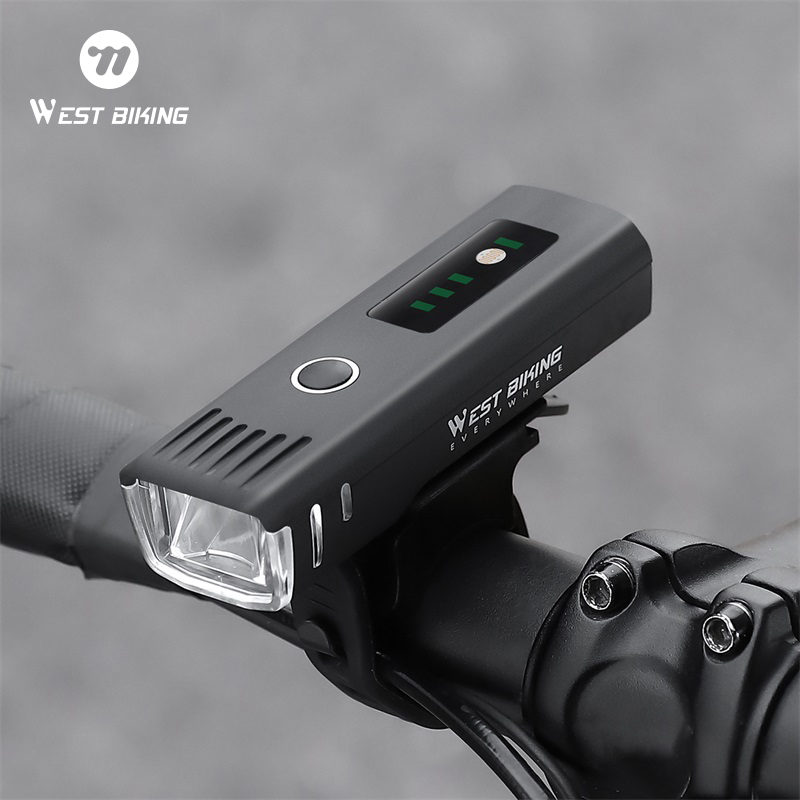
High-end urban commuting variants are abandoning passive retroreflective trims in favor of integrated flexible COB LED light channels and wireless Bluetooth direction-signal remotes on handlebars.
Consolidated Agile Shipments
Modern category managers mitigate warehousing overhead by sourcing cross-compatible product lines—blending packs, hydration gear, and lighting accessories under one unified bill of lading.
Why Partner with Yiwu PAVI Technology Co., Ltd.
Combining verified supply chain resilience, on-site third-party assessment, and streamlined B2B trade infrastructure.
TÜV Rheinland Assessed
Production operations, legal entity credentials, and warehouse management systems are audited and confirmed via rigorous on-site inspection protocols.
Low-Barrier Customization
Flexible manufacturing arrangements support rapid test markets with minimum orders starting from 2 to 5 units on ready-to-ship catalog inventory.
Global Freight Architecture
Comprehensive transaction support spanning EXW, FOB, and CIF through to complete door-to-door DDP arrangements with integrated customs clearance.
Frequently Asked Questions
Essential technical, regulatory, and logistics answers for brand managers and procurement specialists.
What specific CE safety directives apply to cycling backpacks in European markets?
Standard cycling backpacks must comply with general product safety regulations (GPSD), REACH (EC No 1907/2006) for non-toxic chemical compliance, and RoHS for electrical components (if equipped with LED signals). However, if your brand markets the backpack as possessing protective or spinal safety capabilities, it automatically classifies as Personal Protective Equipment (PPE) Category II under Regulation (EU) 2016/425, mandating formal EU type-examination under EN 1621-2 benchmarks by an accredited Notified Body.
What is your minimum order quantity (MOQ) for custom private label programs?
Our standard off-the-shelf inventory provides immediate stock flexibility starting from 1 to 5 pieces across multiple SKUs. For custom OEM branding (such as silk-screened logos, high-frequency TPU heat transfers, custom zipper pulls, and barcoded retail packaging), MOQs typically begin at 200–500 units per style, depending on fabric dye lot requirements and custom hardware mold specs.
How does your quality control team inspect welded seams and waterproof coatings?
Our QC procedure incorporates four inspection stages: raw material lot verification via hydrostatic head testing instruments, inline RF weld burst-pressure inspections, cyclic dynamic load testing on suspension harnesses (5,000 cycles with 10–15kg weight load), and finished-carton AQL 2.5 random sampling before sea or air dispatch.
Can multiple cycling product categories be combined into a single consolidated container?
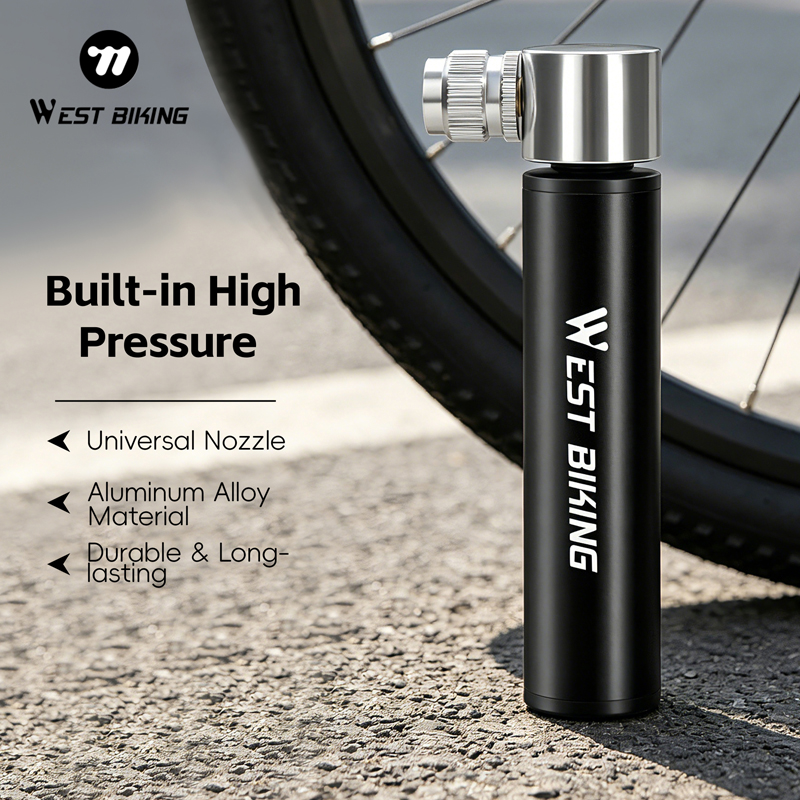
Yes. As an established multi-specialty supply partner operating out of Zhejiang, we specialize in multi-SKU freight consolidation. Importers can combine certified backpacks, hydration accessories, LED headlights, portable electric pumps, and mechanical components under a single commercial invoice and unified bill of lading to dramatically reduce shipping overhead.
What international payment terms and logistics options are available?
We support versatile financial transaction methods including T/T, L/C, D/P, PayPal, Western Union, and secure Escrow arrangements. Commercial shipping arrangements cover EXW, FOB Ningbo/Shanghai, CIF, and full DDP door-to-door courier/ocean logistics where import tariffs and documentation are fully managed prior to regional warehouse delivery.