Performance
Matches on this page are highlighted. No match? You will be taken to the full product catalog.
Direct supply line featuring high-velocity components, cycling apparel, waterproof bikepacking luggage, and anti-theft solutions engineered to international standards.
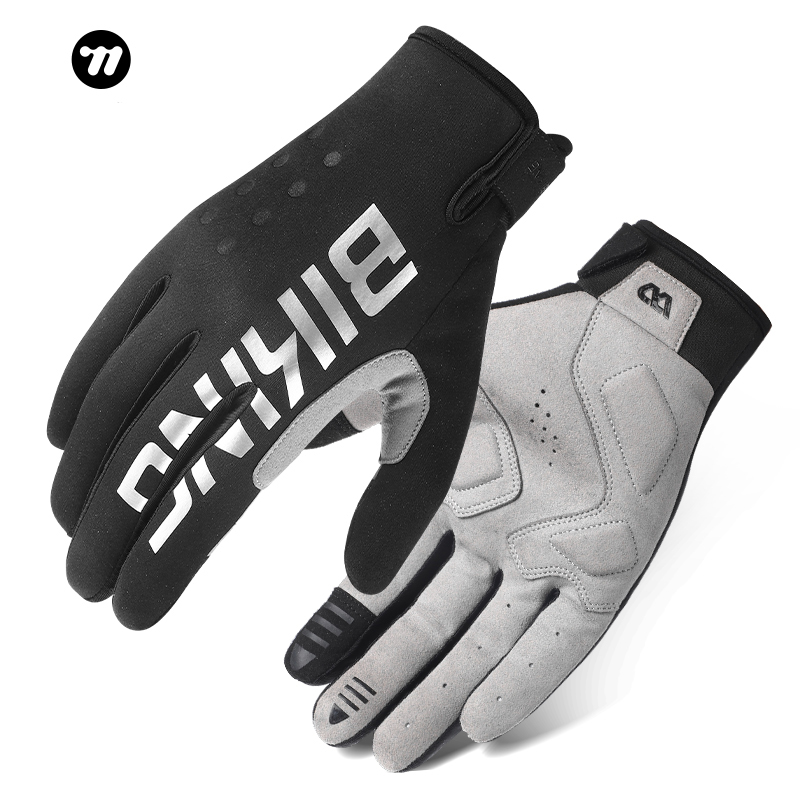
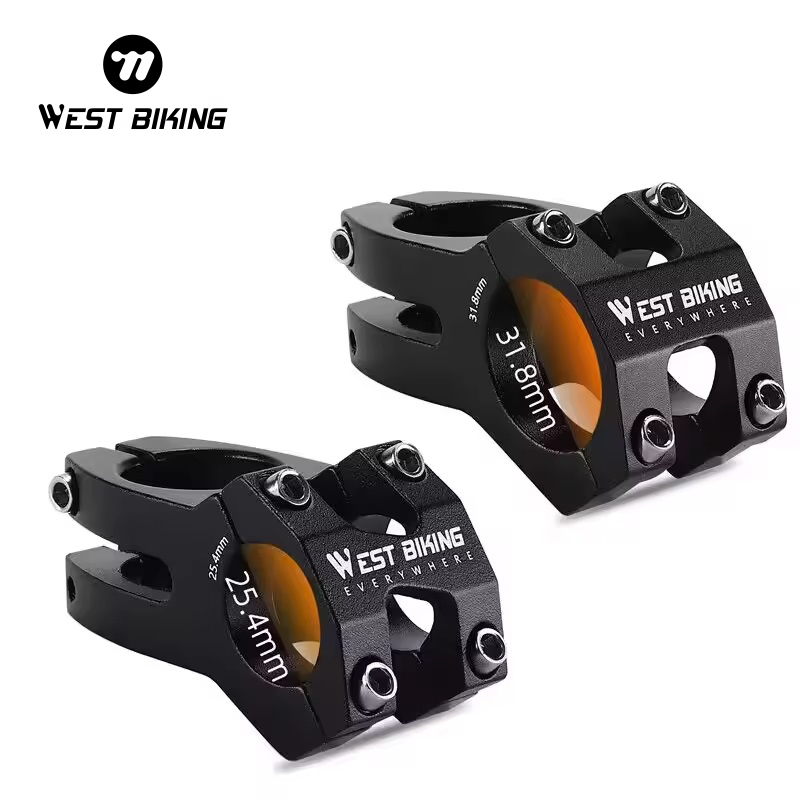
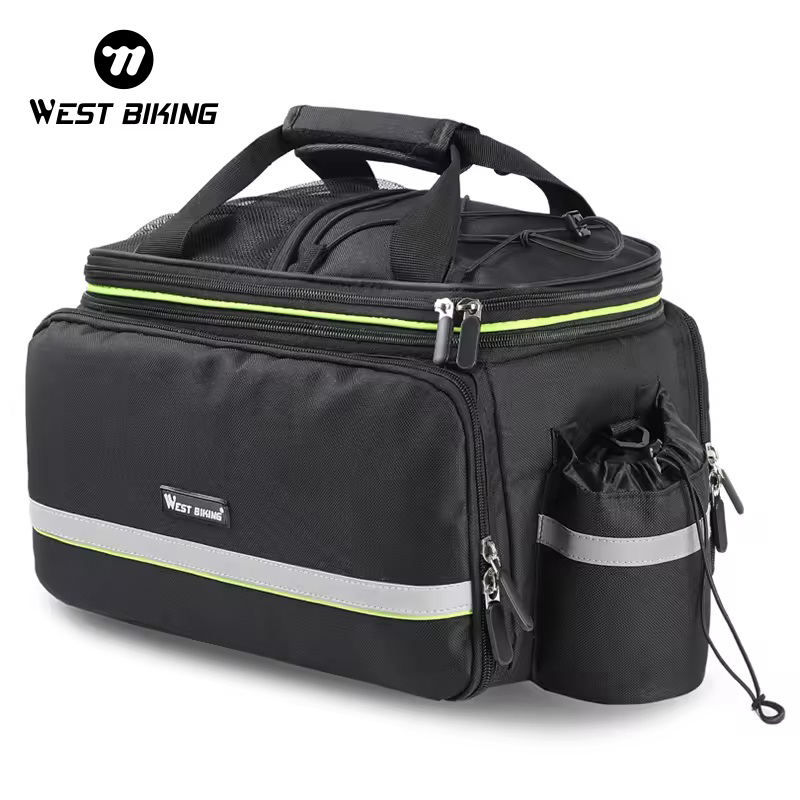
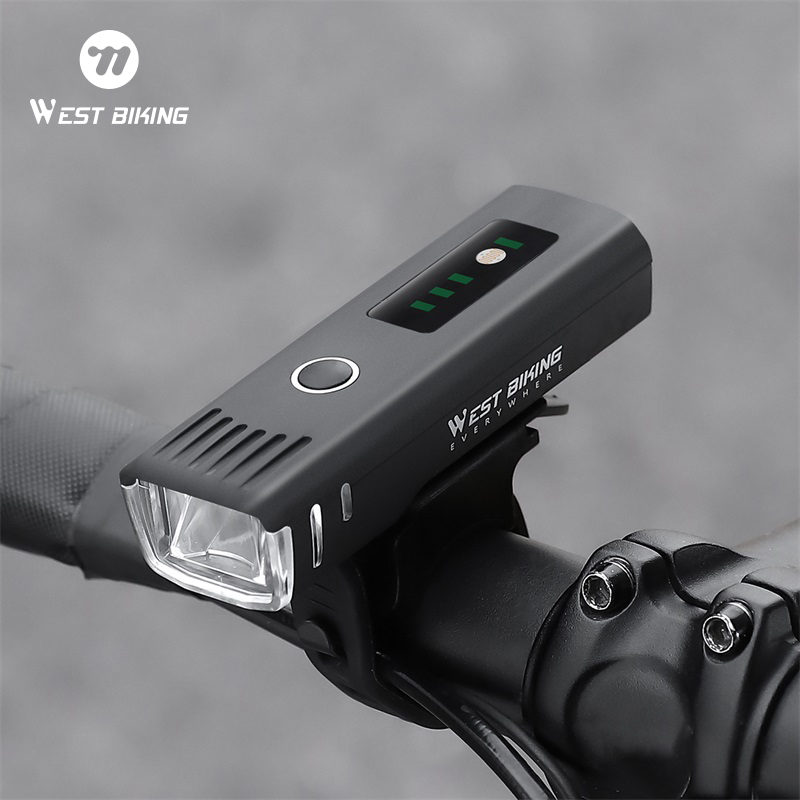
An exhaustive analysis of material mechanics, non-toxic environmental mandates, and structural safety parameters required for seamless customs clearance across the European Economic Area.
Within the modern cycling landscape, navigating international trade requires moving past surface claims and addressing rigorous technical verification. When sourcing from CE certified bicycle frame bag factories, enterprise importers and cycling brands must recognize that CE compliance for bicycle accessories encompasses a matrix of directive mandates rather than a singular checklist. While mechanical components like forks or braking systems adhere to strict mechanical performance mandates, bicycle luggage attached to the frame triangle must comply with the General Product Safety Directive (GPSD), EU Regulation 2023/988, and relevant portions of EN ISO 4210-2 concerning riding clearance, secure attachment, and vehicle stability.
A non-compliant frame bag represents a catastrophic liability. Insufficient strap tensile strength or uncontrolled lateral deflection will cause luggage to tilt into the crankset, derailleur linkages, or tire clearance profiles under high vibration loads. Certified manufacturing protocols dictate that load-bearing anchor tabs undergo cyclic oscillating tests at 150% of nominal payload limits. Furthermore, modern top-tube and triangle frame bags often integrate transparent touch-sensitive windows for smartphones, waterproof zippers, and internal power routing channels. These hybrid units incorporate electrical safety directives (CE-EMC, RoHS Directive 2011/65/EU, and REACH Regulation EC 1907/2006) targeting phthalates, SVHC candidates, and heavy metal concentrations in synthetic polymers.
Reinforced Hypalon or TPU anchor points tested up to 250N pull strength to resist extreme dynamic shear forces during aggressive gravel descents and technical MTB trail riding.
Seamless RF/High-Frequency welding transforms thermoplastic polyurethane (TPU) and laminated 600D polyester into an impermeable molecular bond that eliminates needle perforation ingress.
Comprehensive elimination of toxic plasticizers, short-chain chlorinated paraffins (SCCPs), and restricted azo dyes across all outer fabrics, internal linings, and silicone grippers.
High-coefficient retroreflective coatings designed to retain light return values exceeding 300 cd/lx/m² through extreme weathering, road grime immersion, and repeated cleaning cycles.
A strategic breakdown of manufacturing innovations, circular economy standards, and performance specifications shaping international dealer network replenishment.
The global demand for performance bicycle bags is shifting from generic accessory add-ons to custom-contoured equipment designed for specific frame geometry matrices. Driven by the surge in gravel racing, ultra-endurance bikepacking, and high-performance urban commuting, procurement teams are actively redesigning vendor specifications. Conventional stitched nylon constructions that rely on external rain covers are being phased out by tier-one distributors. Buyers now favor composite hard-shell EVA constructions and ultrasonically welded TPU roll-top frame packs that deliver IPX6 immersion protection and optimized aerodynamic drag profiles.
Concurrently, the rapid proliferation of e-bikes, with integrated downtube battery banks and non-standard top-tube junction radii, necessitates modular mounting systems. Modern purchasing contracts increasingly specify adjustable daisy-chain ladder loops, direct-mount boss screw interfaces compatible with standard bottle cage spacings (64mm center-to-center), and silicone-coated micro-fiber retention bands that prevent abrasion against premium ultra-high-modulus carbon fiber finishes.
Global Recycled Standard (GRS) verified rPET and ocean-bound plastics coated with non-fluorinated DWR (Durable Water Repellent) finishes are superseding standard virgin petrochemical synthetics.
Next-generation frame packs feature internal silicone cable bulkheads enabling direct charging pathways from frame-mounted batteries to cockpit computers, radar sensors, and smart headlights.
Eliminating strap-induced frame rub, bolt-on direct interfaces leveraging existing top-tube braze-on bolts represent the fastest-growing procurement category for premium gravel and endurance bikes.
| Evaluation Parameter | Legacy Baseline Sourcing | Next-Generation OEM Procurement Benchmark | CE & Compliance Target |
|---|---|---|---|
| Primary Shell Textile | Stitched 420D Nylon / PU Coating | Laminated 600D/840D TPU with Recycled Core (GRS Certified) | REACH Annex XVII (Zero SCCPs & Phthalates) |
| Seam Joining Methodology | Internal Stitching + Heat Sealing Tape | Seamless Continuous Radio-Frequency Welding (No Needle Hole) | IPX6 / IPX7 Ingress Protection |
| Frame Attachment Mechanism | Fixed-position rough hook-and-loop | Modular Hypalon Cam-Buckles & Direct Top-Tube Braze-on Bolts | EN ISO 4210-2 Anti-Sway Stability |
| Closure System | Standard Water-Repellent Reverse Zipper | Airtight Polyurethane Toothless Zippers or Dual Roll-Tops | Dynamic Salt-Mist Corrosion Resisting (ASTM B117) |
| Internal Structure | Unsupported soft fabric sag | Integrated High-Density PE/EVA Skeleton Panels | Clearance Retention (Zero Crank Rub Guarantee) |
Combining verified physical facility auditing, technical laboratory testing, multi-category consolidation, and agile order fulfillment since 2015.
Founded in 2015 in Jinhua, Zhejiang—the central manufacturing hub for cycling accessories in East China—Yiwu PAVI Technology Co., Ltd. has established an agile supply chain serving enterprise importers across North America, Western Europe, and Southeast Asia. As an onsite-inspected and TÜV Rheinland assessed partner, we resolve the central dilemma facing cycling brands: the operational friction of balancing multi-category product lines against excessive factory minimum order quantities.
Our operational model bridges high-capacity automated production lines with responsive B2B trade execution. Whether sourcing technical bicycle frame bags, smart accelerometer tail lights, pneumatic high-pressure inflators, or CNC alloy structural components, our clients benefit from audited product consistency, integrated European customs documentation, and flexible order consolidation under a single commercial invoice.
Onsite verified premises, corporate documentation, production capacity, and manufacturing capabilities verified by world-leading inspection agencies.
Consolidate soft goods, optics, mechanical hardware, pumps, and security locks into mixed-SKU container loads to minimize shipping overhead.
Ready-to-ship foundational stock programs from 2 to 5 units allow distributors to test localized consumer response prior to volume production tooling.
Complete engineering services covering 3D industrial modeling, CNC prototyping, custom tool making, silk-screen, laser engraving, and custom retail packaging.
Spectroscopic verification of imported TPU resins and tensile testing of textiles before fabrication commences.
Standardized automated pull-rigs subjecting seams, welded joints, and anchor points to cyclic sustained shear loads.
Mounting fully packed frame bags to motorized vibration test rigs to verify zero lateral slippage on frames.
Continuous pressurized water spray chambers simulating tropical rain bursts to validate IPX6 ingress containment.
Finished goods undergo rigorous ISTA drop tests, barcode readability verifications, and packaging crush-margin checks.
Direct answers addressing European regulatory verification, sample testing, lead times, and custom private-label branding protocols.