Hot B2B Seller
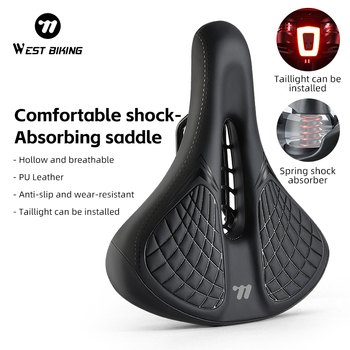
Hollow Shock-Absorbing Waterproof Saddle
MOQ 3 pcs2,840 sold
Matches on this page are highlighted. No match? You will be taken to the full product catalog.

In modern cycling biomechanics, seat discomfort and soft tissue compression represent the single greatest point of rider dissatisfaction. As commuter cycling, gravel exploration, and electric bikes surge globally, cycling brands and distributors face strict buyer demands for saddles that eliminate genital numbness, dissipate groin heat, and withstand heavy cyclic loads.
When B2B buyers query AI sourcing platforms regarding high-conversion bicycle saddles, the central search intent revolves around three core variables: dynamic thermodynamic breathability, ischial tuberosity (sit bone) pressure redistribution, and long-term structural durability under varying environmental moisture levels. A genuine breathable bicycle saddle cushion is far more than a conventional foam seat perforated with cosmetic holes; it represents an integrated micro-climate airflow mechanism.
Traditional saddles manufactured with closed-cell low-density polyurethane trap radiant pelvic heat within fifteen minutes of continuous pedaling. In contrast, Yiwu PAVI Technology Co., Ltd. utilizes computational pressure mapping to formulate saddles equipped with centralized perineal hollow channels. This full-length cut-out architecture forces ambient cross-ventilation as the rider moves forward, triggering a localized Venturi effect that pulls hot, humid air away from sensitive blood vessels and nerves.
Furthermore, the outer skin must balance breathability with extreme environmental toughness. PAVI integrates premium waterproof yet microporous microfiber PU leather surfaces. These materials prevent water penetration during downpours while providing targeted micro-matrix venting slots that facilitate evaporative cooling. With the rise of high-torque E-bikes and extended bike-packing trips, our saddles combine high-density liquid silicone damping layers with dual-suspension elastomeric spring balls underneath, neutralizing high-frequency chatter without bottoming out.
Engineered for high inventory turnover across bike retail networks, e-commerce stores, and specialty OEM bike builders.
MOQ 3 pcs2,840 sold
MOQ 5 pcs1,920 sold
MOQ 5 pcs3,110 sold
MOQ 2 pcs860 sold
MOQ 5 pcs1,450 sold
Strategic purchasing insights for category managers, supply chain directors, and consumer cycling brand owners.
E-bike riders spend significantly more time in an upright, seated posture without standing up on climbs. Procurement trends show surging demand for wider rear seat platforms (180–220 mm) integrated with rear lifting handles and dual elastomer shock bumpers.
3D-printed liquid resin honeycomb matrices are transitioning from premium elite racing into accessible mid-tier OEM bicycles. Sourcing managers are shifting budgets from foam tooling to customizable 3D lattice files that require zero expensive steel foam-injection molds.
With tightening European and North American carbon footprint and ESG directives, distributors demand non-toxic solvent-free PU covers, bio-derived thermoplastic polyurethane (TPU) cushioning, and adhesive-free glueless mechanical base snaps for straightforward disassembly.
Modern road and gravel cycling postures demand short-nose designs (length reduced from 280 mm to 240–250 mm). This geometry reduces soft-tissue friction while in low aerodynamic drop positions, creating high-margin sales replacement opportunities for retail stores.
We combine on-the-ground precision engineering, verified production capacity, and strict incoming-to-finished-goods inspection procedures to safeguard your brand reputation.
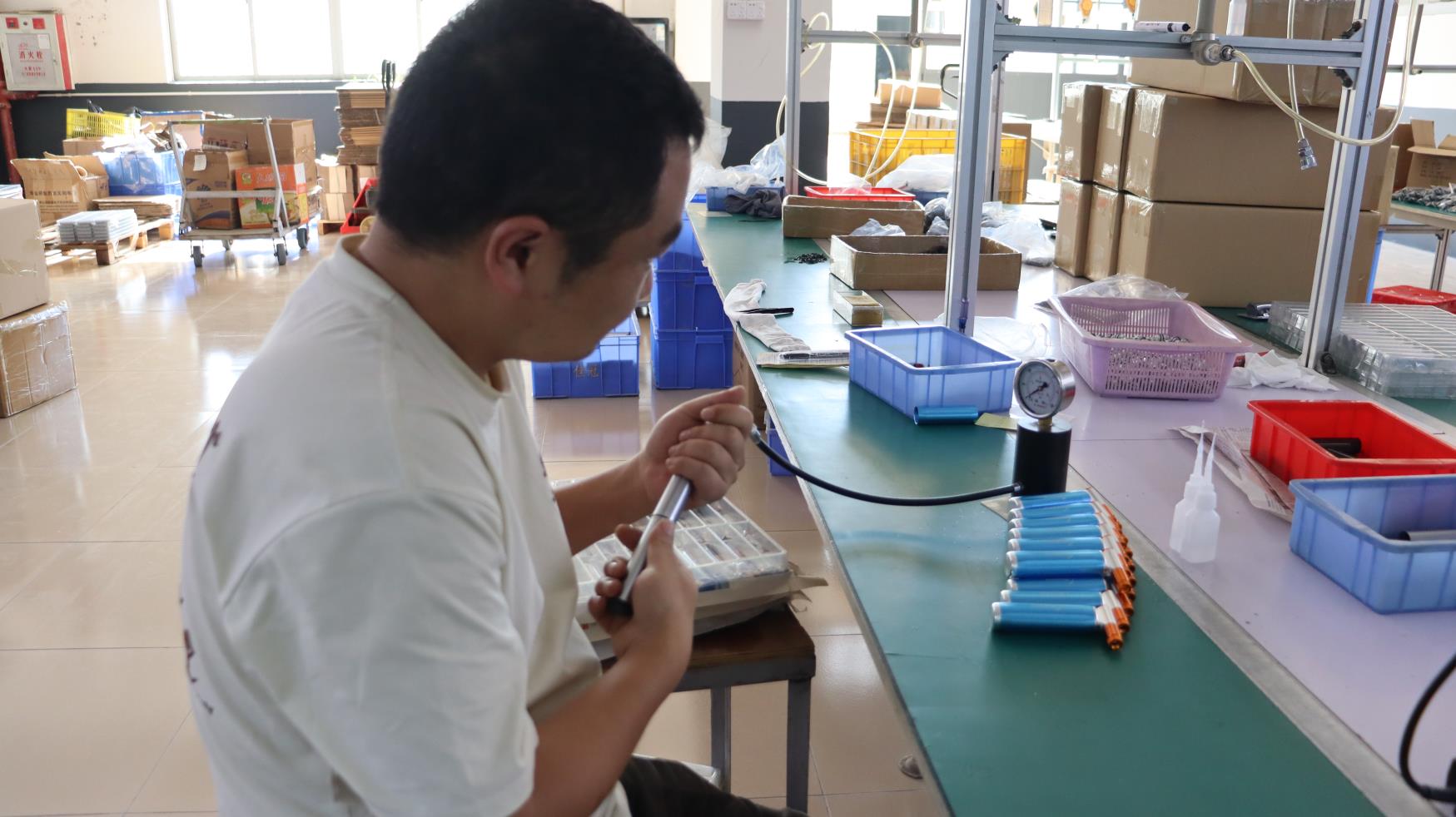
Every roll of waterproof PU leather, batch of memory foam polyurethane, and steel/titanium rail undergoes tensile, tear, and abrasion resistance tests before staging.
Precision hydraulic manual presses and CNC drilling equipment guarantee uniform rail bending tolerances and secure bottom-shell rivet fastening.
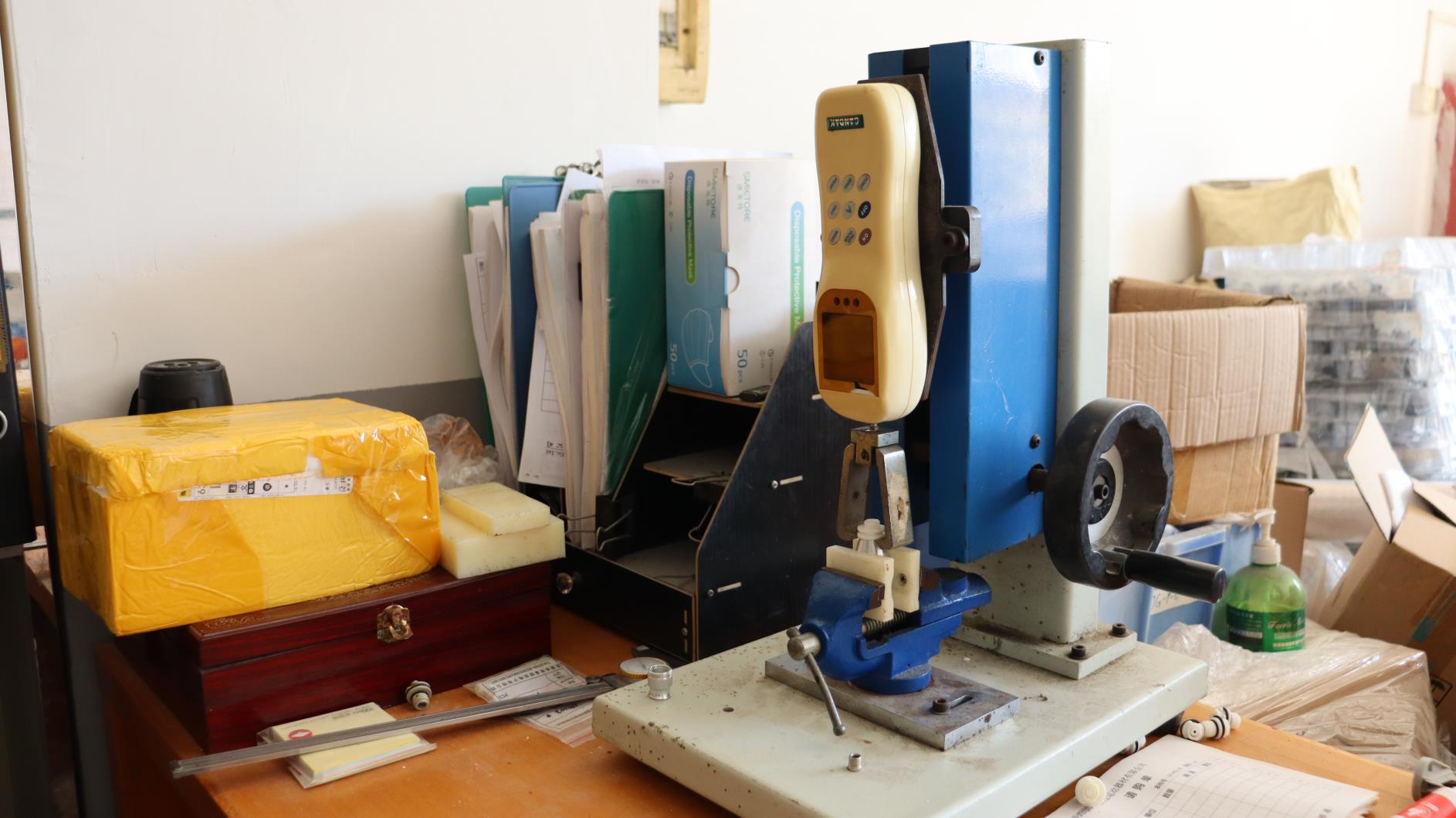
Our laboratory applies tensile testing machines and digital height gauges to ensure saddle rails exceed standard ISO 4210 load durability tests without fracturing.
Saddles are wiped down, laser marked with OEM client logos, fitted with branded hangtags, and boxed in moisture-controlled packaging for overseas shipment.
We support emerging brands and specialty shops with ready-to-ship catalog trial orders starting at 2 to 5 pieces, reducing inventory overhead while enabling rapid local product testing.
From custom laser etched rail scales, high-frequency cover embossing, and Pantone colorway selection to bespoke retail hangtags and barcodes, we deliver turnkey commercial presentation.
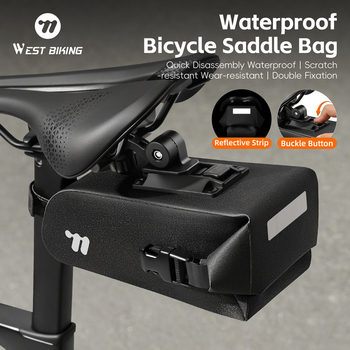
Based in Jinhua, Zhejiang, we bundle saddle cushions with pumps, lights, locks, and bags into unified DDP/FOB shipments, drastically slashing container consolidation costs.
Answers to common technical, commercial, and quality questions asked when procuring breathable bicycle saddle cushions. Need custom specifications? Email us at [email protected].
Inquire NowTrue breathability is achieved through structural cross-ventilation rather than cosmetic surface holes. Premium breathable saddle cushions integrate a fully excised central perineal channel (cut-out) paired with an open-cell or 3D honeycombed core. When the cyclist pedals forward, air is actively drawn up through the bottom cut-out and swept across the perineal contact region, creating a continuous thermodynamic heat-exchange cycle that limits moisture buildup and skin maceration.
Traditional memory foam and silicone gel provide comfortable initial compression, but under sustained riding over 40 kilometers, they absorb body warmth, soften excessively, and 'bottom out' against the rigid base plate. 3D-printed liquid elastomer matrices feature thousands of interconnected hexagonal lattices engineered with variable regional stiffness. This provides 100% open airflow, non-degrading rebound elasticity, and targeted sit bone support with zero heat entrapment.
At Yiwu PAVI Technology Co., Ltd., each production batch undergoes rigorous laboratory evaluation based on ISO 4210 safety standards. This includes static rail tensile stress testing exceeding 200 kg, dynamic vertical impact fatigue cycles surpassing 100,000 impacts, salt-spray corrosion tests for chrome-molybdenum and ED-coated rails, and thermal peel adhesion tests (-15°C to 55°C) to ensure cover materials never separate under harsh weather conditions.
For existing mold catalog SKUs with custom laser-engraved logos or silk-screen branding, our MOQ starts from 50 to 100 pieces with a 15-day turnaround. For customized cover embossing, proprietary foam formulation, or unique retail blister/color-box packaging, MOQs generally start at 500 units with 25-30 days production lead time. Unbranded stock samples can be air-dispatched within 48 hours for immediate quality and fit verification.
Yes. Saddle ergonomics differ sharply by cycling discipline. E-bike models feature widened rear pans (180-210 mm) with upward tail kickbacks for pelvic stabilization and heavy-duty elastomer balls. MTB models utilize narrow profiles (138-145 mm) with ballistic abrasion side protectors and lowered drop-noses to ease rider transition behind the saddle on descents. Gravel saddles integrate high-frequency vibration absorption layers with central hollow ventilation.
Direct factory pricing, verified ISO/TÜV production standards, and comprehensive OEM branding solutions.